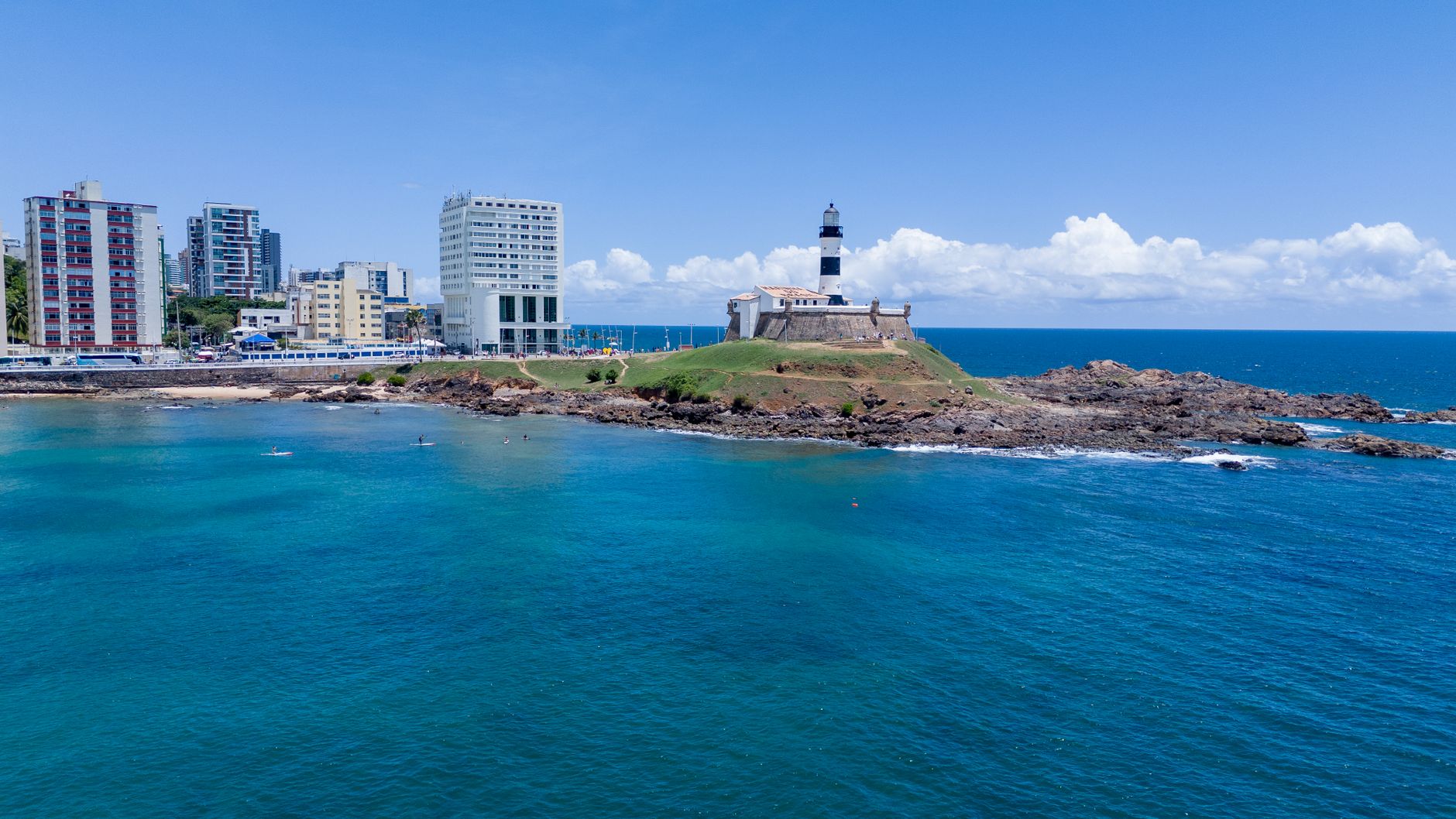
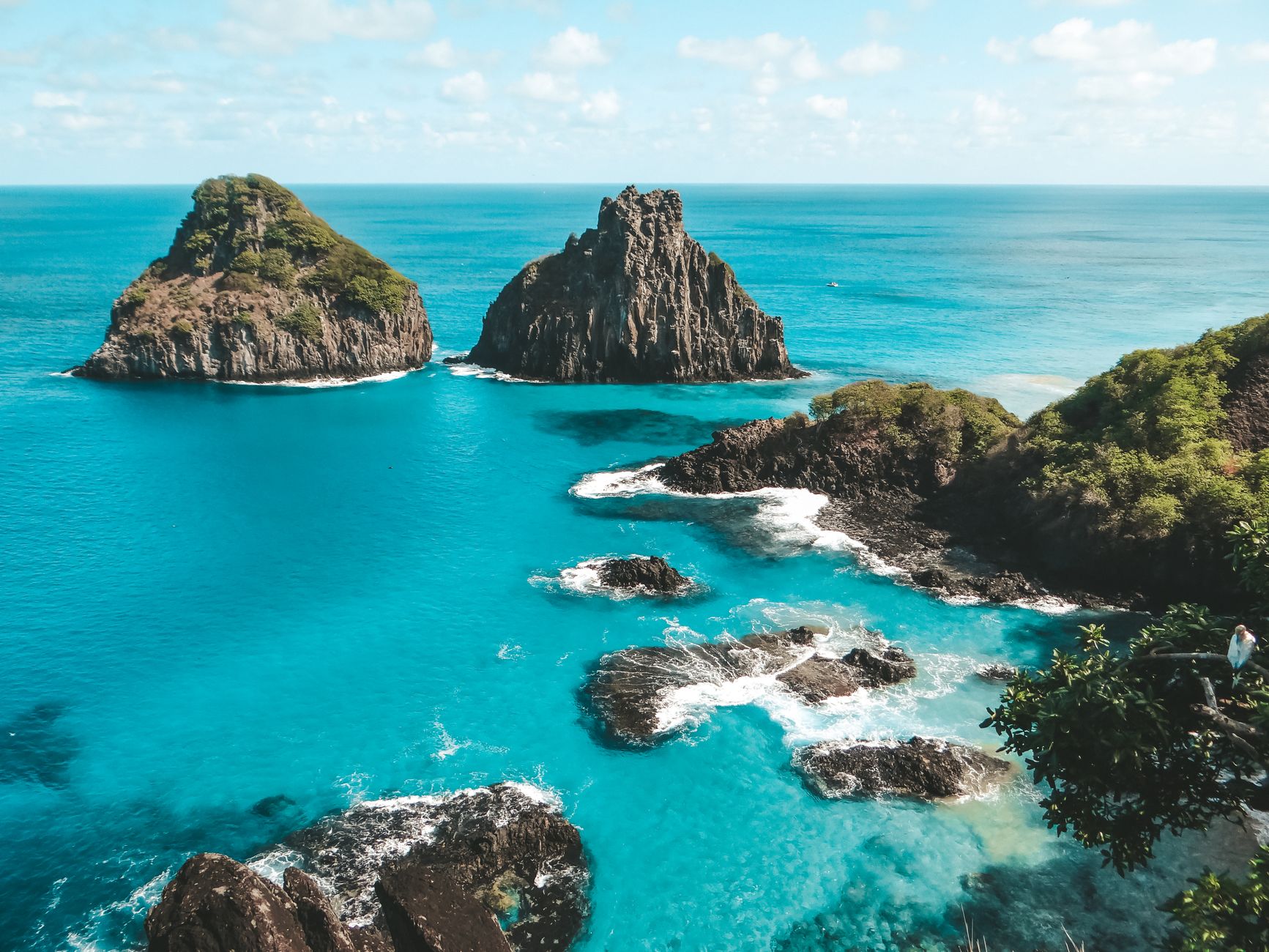
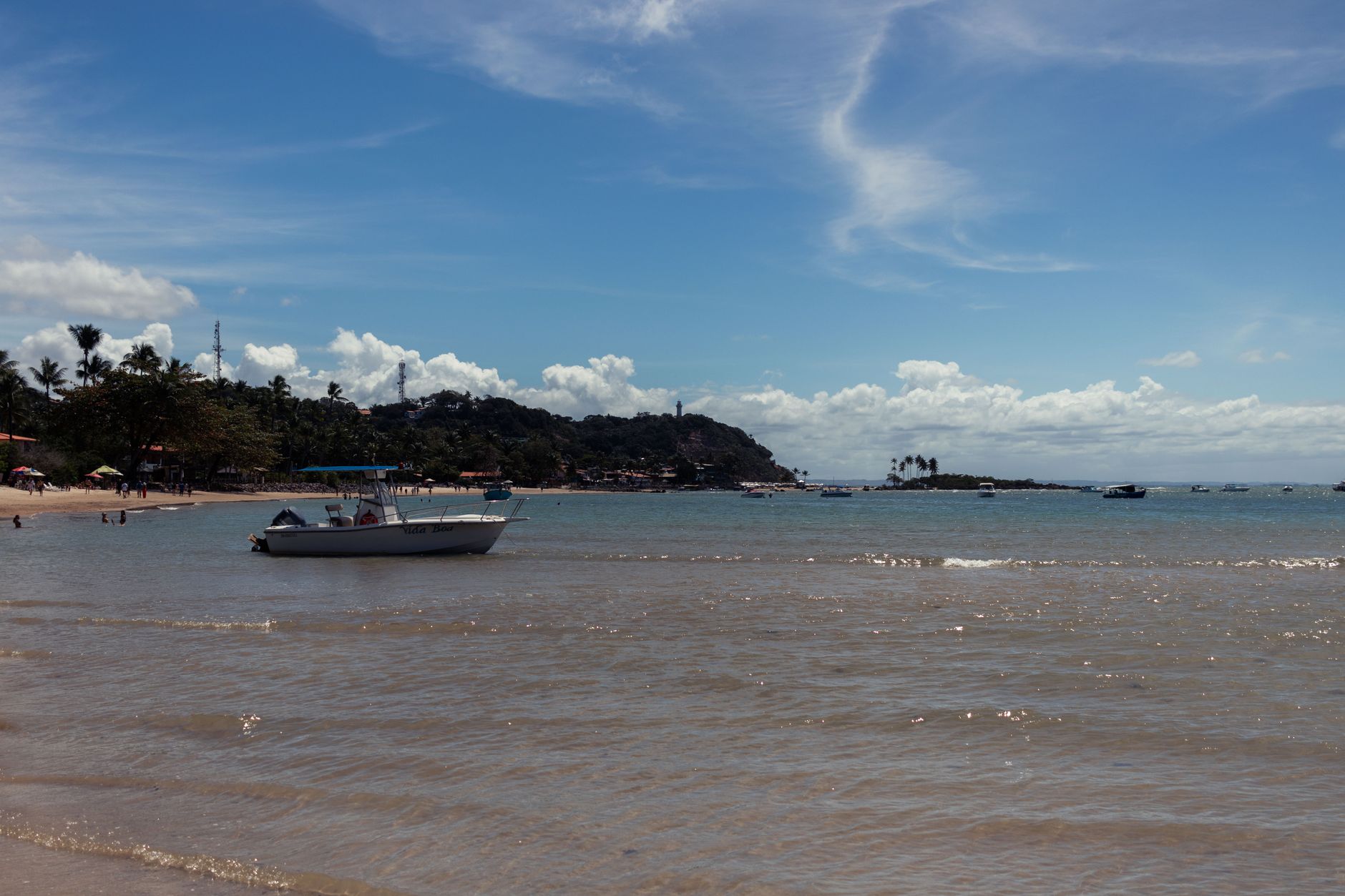
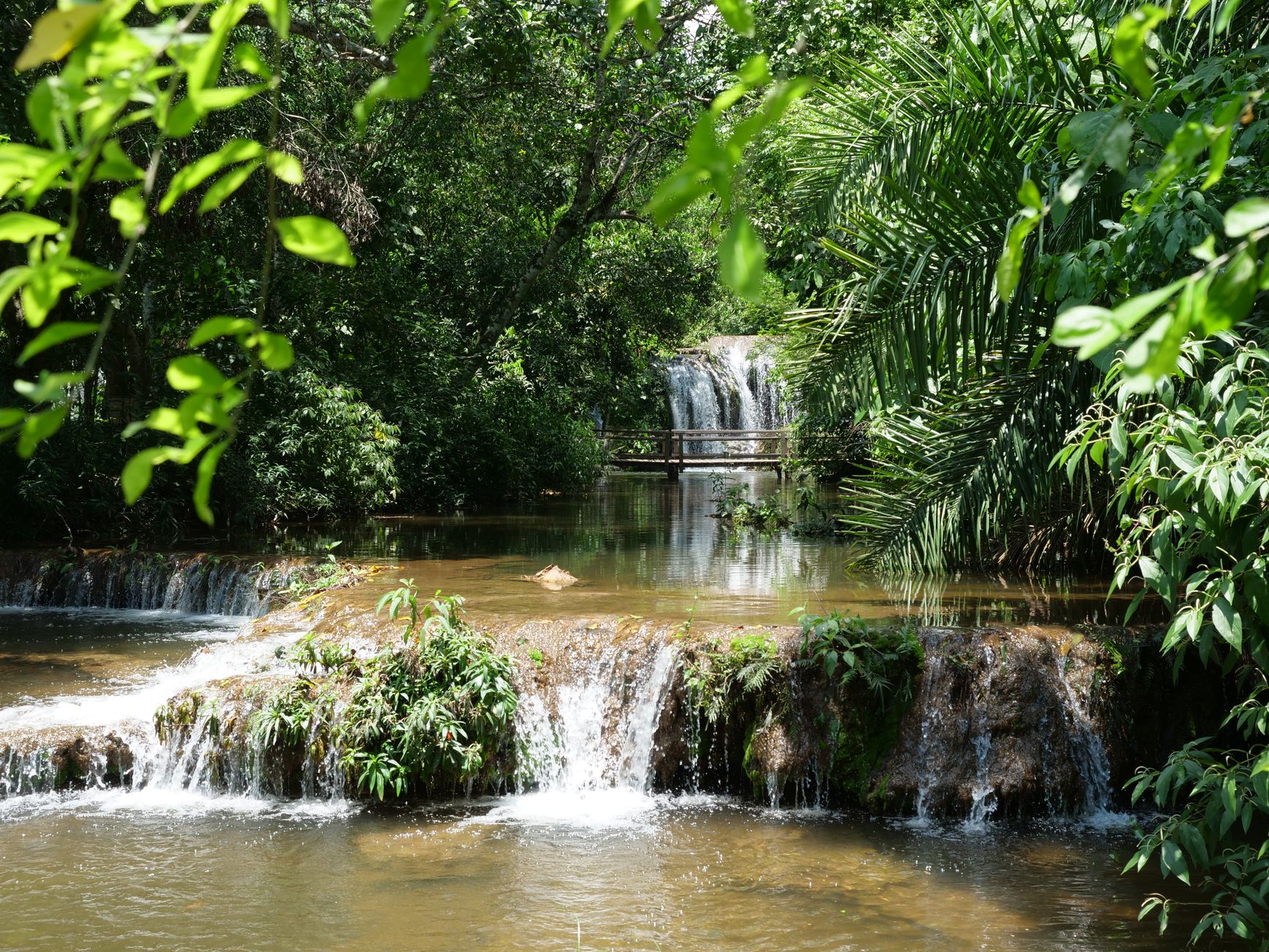
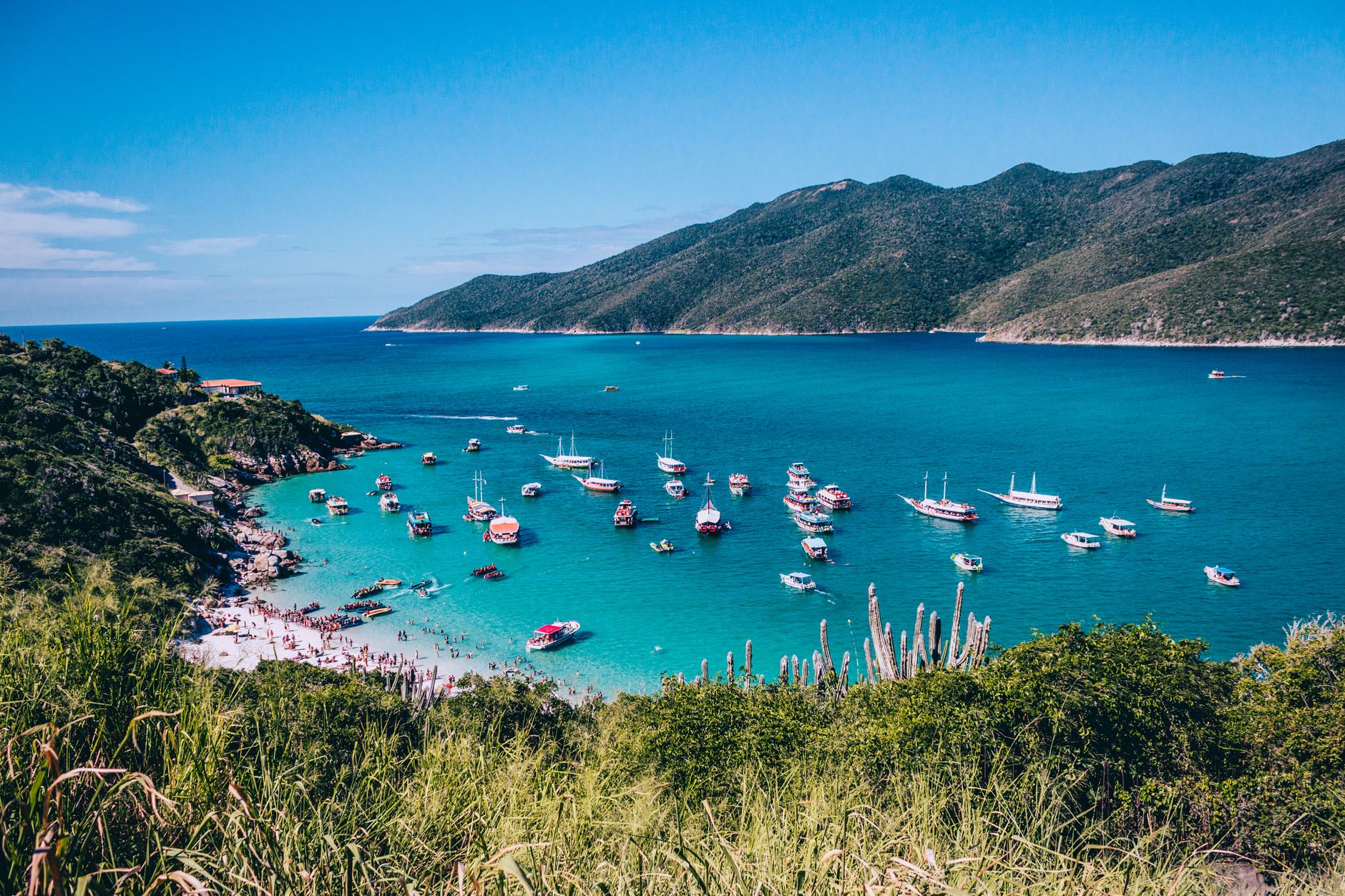
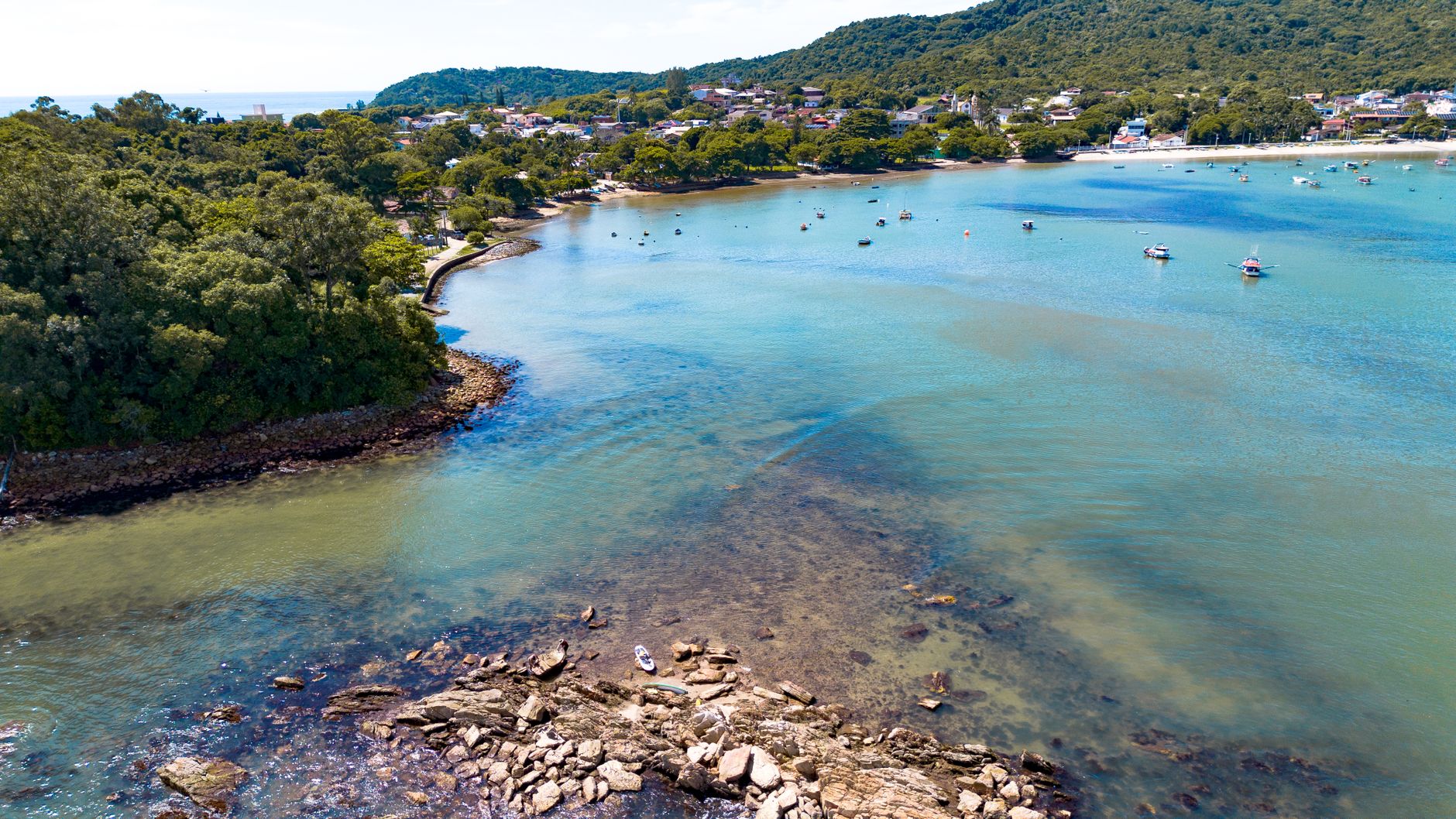
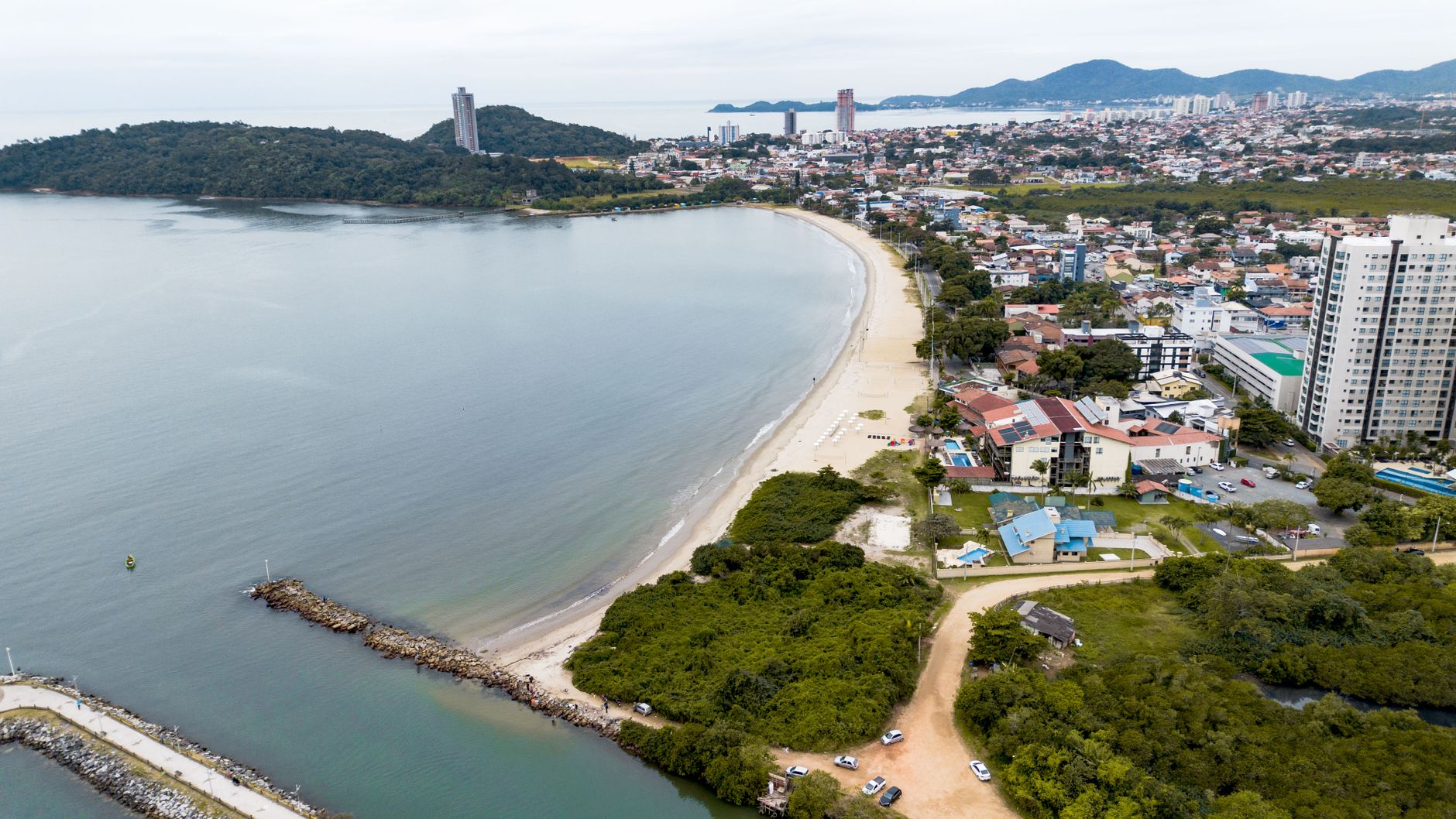
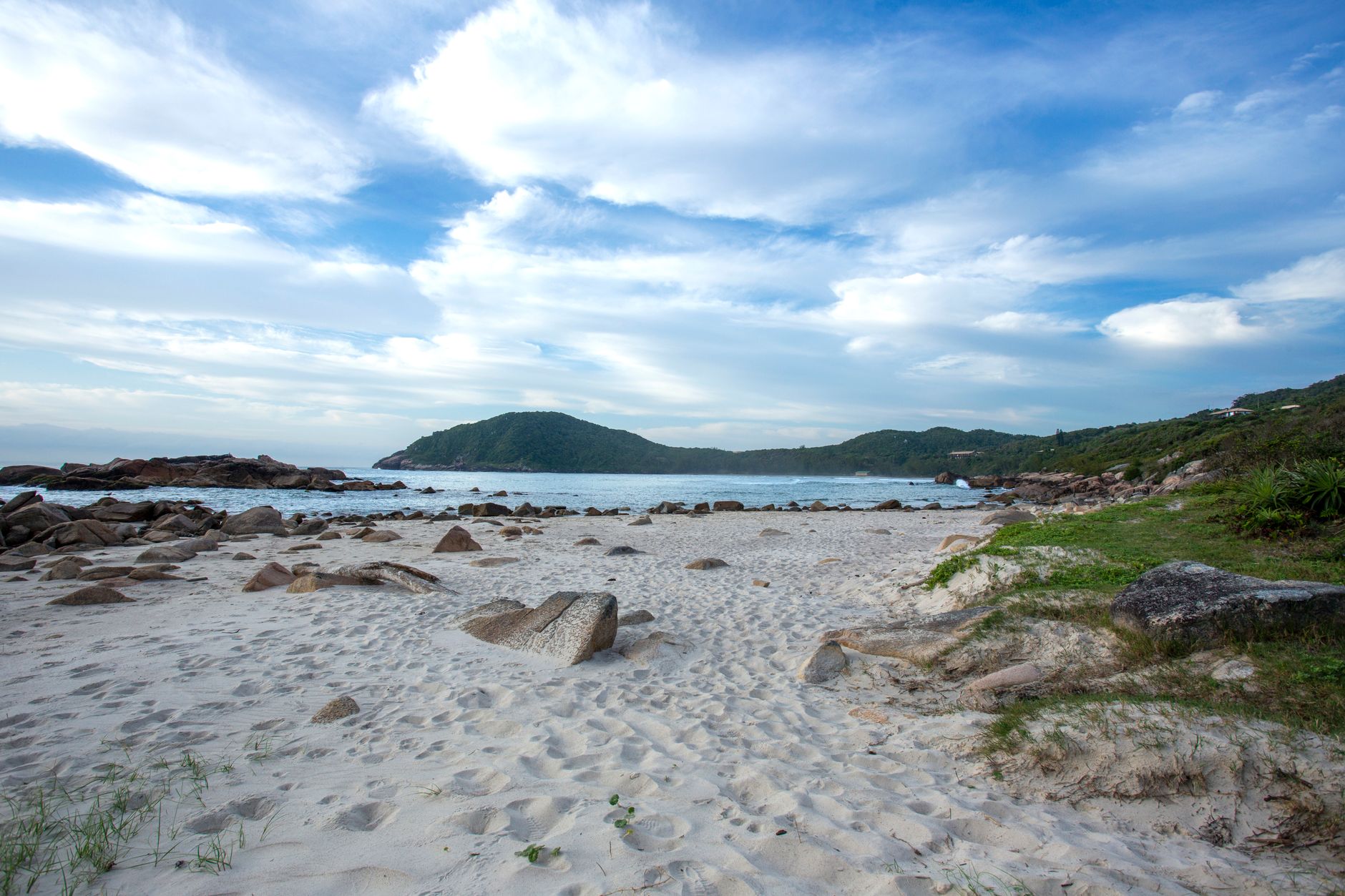
The giant of South America: the endless beaches of Copacabana and Ipanema, samba and Carnival, the Amazon rainforest and the Iguazú Falls. A country you take in with every sense.
Brazil is the giant of South America and behaves like one: almost half the continent fits inside it. A single country holds the golden beaches of Rio de Janeiro and the Northeast, the largest rainforest in the world, the Pantanal with the best wildlife in South America, the Iguazú Falls and megacities like São Paulo. For the Latin American traveler it has a special charm on top of that: it is close by, warm and festive and, at the same time, a world apart because of its Portuguese language and its unique Afro-Brazilian culture.
It pays to think of it region by region, because the distances are enormous. The Southeast (Rio, São Paulo, Paraty, Ouro Preto) holds the cities and the 'chic' coast. The Northeast (Salvador, Recife, Jericoacoara, the Lençóis Maranhenses) is the kingdom of idyllic beaches and the Bahian rhythm. The North is pure Amazon. The Central-West has the Pantanal and Bonito. And the South adds Foz do Iguaçu, Florianópolis and towns with European roots like Gramado. Almost nobody combines more than two or three regions in one trip.
The best thing about Brazil is its energy: the music, the football, the beach and that contagious joy you feel the moment you step off the plane. What surprises people when they arrive is the scale of everything and how far apart one thing is from the next, which is why the plane ends up being your best friend. And what you have to handle with your head on is safety in the big cities, which comes down to common sense and no paranoia.
The currency is the Brazilian real (BRL). Carry some cash for markets and small towns, but cards are accepted almost everywhere and paying with Pix is very widespread. Traveler's tip: avoid changing money at the airport, where the rate is usually worse; use bank ATMs or exchange houses in the city instead.
Full converter for BRL →The main gateways are Guarulhos International Airport (GRU) in São Paulo, the country's biggest air hub, and Galeão International Airport (GIG) in Rio de Janeiro. Other important international airports are those of Brasilia, Recife, Fortaleza and Salvador, with regional connections and flights to several capitals in the region. The main local airlines are LATAM, GOL and Azul, which cover an enormous network of domestic flights. Given the sheer size of the country, flying is usually the most practical way to move between far-apart regions: going from Rio to Manaus or to Foz do Iguaçu by bus, for example, can take whole days. Long-distance buses are comfortable and connect practically the entire territory, with semi-reclining and fully reclining sleeper seats for overnight legs. Within the cities, ride-hailing apps like Uber and 99 work very well and are usually cheaper and safer than flagging down a taxi in the street. The big cities also have metros and city buses.
Brazil is so big that there is no single 'best time': it depends on the region. For the beaches of the Southeast and the South (Rio, Florianópolis, Búzios) and for Carnival, the Brazilian summer from December to March is the season of heat, partying and warm sea, though also of the most humidity, afternoon rain, crowds and high prices. The Northeast (Salvador, Jericoacoara, Recife) is warm and enjoyable almost all year round; its driest, sunniest season runs from September to February.
For nature, timing matters a lot: the Pantanal is best visited in the dry season (May to October), when the wildlife concentrates and is easier to see, and the Amazon is more comfortable in the months with less rain (June to November). The Lençóis Maranhenses only have their lagoons full between June and September. As a general rule, May to October is the best window for the interior and for nature, and December to March for beach and partying. If you want Carnival, mark the date (it changes every year, between February and early March) and book a long way in advance.
Brazilian cooking is cheerful and varied. The ones you can't skip: feijoada (the national black bean and pork stew, a Saturday classic), pão de queijo from Minas, moqueca of fish and prawns in coconut milk and dendê palm oil (Bahia), açaí in a bowl with guaraná and fruit, and fried pastéis from the market. On the meat side, the rodízio at a churrascaria is a festival for carnivores. To drink: a cachaça caipirinha, guaraná, coconut water on the beach and a beer 'estupidamente gelada'.
Eating is affordable if you go local. The 'por quilo' restaurants (they charge your plate by weight) and the midday 'pratos feitos' are the best value for money: a full meal runs 25-45 reais (about 5-9 USD). An açaí or a market pastel costs a few reais; dinner at a mid-range restaurant runs 60-120 reais (12-24 USD) per person. The 10% tip (serviço) usually comes included on the bill, so check before leaving extra. Tip: eat where Brazilians eat, and skip the restaurants with menus in five languages facing the tourist postcard views. Figures verified July 2026.
Brazil is a safe destination to travel in if you take basic city precautions, above all in the big cities like Rio and São Paulo, where pickpocketing and opportunistic theft are the main risk (far more than violence against tourists). Golden rules: don't show off your phone, camera or jewellery in the street or on the beach, carry only what you need, use ride-hailing apps (Uber, 99) instead of street taxis, don't go into favelas on your own and don't resist if someone tries to rob you. On the beaches and in the tourist areas of the Northeast and the South the atmosphere is calmer. The most common scam is changing money at the airport: change it in the city.
On health, the one big specific precaution is yellow fever: the vaccine is strongly recommended (and sometimes required) if you are going to the Amazon, the Pantanal, Iguazú/Foz or jungle areas; get it at least 10 days before you travel and keep the international certificate. In tropical areas there is dengue and it is worth using repellent. Tap water is generally not recommended for visitors: drink bottled or filtered water, especially outside the big cities. Travel insurance with medical cover is advisable. Emergency numbers: 190 (police), 192 (ambulance/SAMU) and 193 (fire brigade). Verified July 2026.
Brazil has a wide spread of prices: it can be cheap if you backpack the Northeast and eat 'por quilo', or expensive if you land in Rio or Fernando de Noronha in the middle of high season. As a reference (verified July 2026, with the real at around 5.5-6 to the dollar): a backpacking trip works on 35-55 USD a day, a mid-range one on 80-130 USD a day, and with 180 USD or more you are already travelling comfortably. The Northeast and the interior are cheaper; Rio, São Paulo and the islands are pricier.
Concrete examples: a hostel bed costs between 12 and 25 USD (more in Rio in summer); a budget double room, between 35 and 70 USD. A 'por quilo' meal or a prato feito costs 5-9 USD. City transport is cheap: the metro in São Paulo or Rio is around 5 reais (less than 1 USD) and a ride-hailing trip across town 3-7 USD. Long-distance buses are comfortable, but given the distances it is worth flying: a domestic flight booked in advance (Rio-Salvador or São Paulo-Foz) can be found for 50-100 USD with LATAM, GOL or Azul. These are reference values and they vary a lot by season and region.
The language is Portuguese, and that is the main challenge for the Latin American traveler: although 'portuñol' gets you out of plenty of scrapes and there is a fair amount in common with Spanish, Brazilians understand little Spanish and hardly anyone speaks English outside the big hotels. It is worth learning a few basic phrases ('bom dia', 'obrigado/a', 'quanto custa', 'a conta por favor'); the effort is met with warmth. Brazilians are warm, physical and relaxed: dealings are informal, people greet with a kiss and punctuality is flexible.
Electricity is a mess of its own: 127 V and 220 V coexist depending on the city (São Paulo and Rio use 127 V; Brasilia and the Northeast are mostly 220 V), so check before plugging in sensitive devices; sockets are types N and C (the same three round pins used in several countries). For connectivity, the easiest option is an eSIM or a local SIM (Vivo, Claro or TIM), which are cheap to get. Two tips from someone who has been there: download Uber or 99 before you arrive, and make the most of Pix, the instant payment system that even beach vendors use; many of them barely handle cash any more.
The history of Brazil is the history of a giant that was underestimated for a very long time. Its territory —almost half of South America, from the Amazon rainforest to the pampas of the south— was not a virgin land for Europe to come and fill, but a continent within the continent, inhabited for at least twelve thousand years by hundreds of peoples who spoke more than a thousand languages and who, in Amazonia, built cities, roads and fields of fertile soil made by their own hands. To understand today's Brazil —its music, its football, its brutal contrasts between wealth and destitution— you have to travel through those millennia and through the more than five centuries that followed the landing of Pedro Álvares Cabral in 1500.
Out of that encounter came the largest slave colony in the history of the West: close to five million enslaved Africans were brought to Brazil, almost half of all those who crossed the Atlantic. From that atrocious and fertile crucible of indigenous peoples, Portuguese and Africans there emerged a unique nation, the only Portuguese-speaking one on the continent, with a culture —from candomblé to samba, from the Minas baroque to bossa nova— that radiates to the entire world. Its history has features that are repeated in no other country in the Americas: it became independent as an empire and not as a republic, it had a monarchy that lasted almost seventy years and it was the last country in the West to abolish slavery, only in 1888.
Read the full history of Brazil →Pick a region and open each destination to see what to do, prices and how to get there.
These are the sources we cite most across this country's guides, with how many times each appears. Hard data —tickets, opening hours, requirements, transport— comes from the official source and carries the date we checked it. Restaurant and hotel picks come from guides and reviews, and we say so on each page.