Viajá con Gus
Home › Oceania › Australia
Australia
🇦🇺 Oceania

Australia

🪪 What do I need to enter Australia?Pick your citizenship and we tell you the visa, the days and the paperwork, with the official source.

By leaving your email and citizenship you agree to receive the documents you asked for and weekly travel news. You can unsubscribe whenever you want. How we handle your data.

Sydney and its opera house, the Great Barrier Reef, the Outback and endless beaches: Australia is a whole continent to work through. It is at once the only country that occupies an entire continent and home to the oldest living culture on earth, with Aboriginal peoples who have lived here for more than 65,000 years. A destination of colossal scale, where you can go from the ancient rock art of Kakadu to a futuristic city skyline in a single trip.

Jump to what you need

🧭 Essential facts

Currency
Australian dollar (AUD, A$)
Language
English
Capital
Canberra
Best time to go
Dec–Feb (summer) in the south; Apr–Oct (dry season) in the tropical north
Visa / entry
Every visitor needs an electronic visa: eVisitor (subclass 651, free, for EU passports) or ETA (subclass 601, around A$20, for the UK, US, Canada, Japan and others); stays of up to 3 months
Plug
Type I (angled flat pins), 230 V / 50 Hz — bring an adapter
Driving
On the left
Distances
Enormous: the country is the size of continental Europe, and domestic flights between regions are all but unavoidable
Time zones
Three (UTC+8 in Perth to UTC+10 in Sydney), with daylight saving in the southeast

🌍 About Australia

Australia is not a country you visit: it is a continent you work through in pieces. In one trip you can go from the Sydney skyline and Melbourne's café culture to the deep red of the Outback at Uluru, and from there to the Great Barrier Reef, the largest reef system on the planet. It is safe, orderly, English-speaking and expensive to reach from almost anywhere, but the nature is like nothing else: kangaroos and koalas in the wild, rainforest, endless beaches, and the oldest continuous living culture in the world, that of the Aboriginal peoples, going back more than 65,000 years.

Geographically it helps to think in blocks. The southeast — Sydney, Melbourne, Canberra, Tasmania — holds the cities, the wine and the temperate coast. The tropical northeast, Queensland with Cairns, the Great Barrier Reef and the Whitsundays, is beach, reef and rainforest. The Red Centre, Uluru and Alice Springs, is desert and Aboriginal culture. And the west — Perth, Margaret River, Broome — is the most remote and least touristed Australia. Because the distances are vast and driving across the country takes days, almost every itinerary mixes domestic flights with road trips inside one region.

The honest pitch: it takes a lot of time and money to get here, and once you arrive everything is expensive. But it is one of those destinations that repays the effort. And if you are between 18 and 30, the Working Holiday turns Australia into the best place in the world to fund a trip by working, which is why so many people arrive as tourists and end up staying a year.

💱 Currency and exchange rate

The local currency is the Australian dollar (AUD, A$), divided into 100 cents, with durable polymer notes. The country is heavily cashless: you pay by card or phone almost everywhere, including small amounts, so there is no need to carry much cash. Tell your bank before travelling, use a card with no foreign transaction fee and check the day's rate. Tipping is not obligatory and is far less common than in the US: leave something only for outstanding service.

💱 What your currency is worth in AUDLIVE WIDGET
Loading live rates…
Full converter for AUD →

✈️ Getting there and around

Australia is reached on long-haul flights, often via an Asian or Middle Eastern hub — Singapore, Doha, Dubai or Tokyo — or across the Pacific from Los Angeles and Auckland. The main gateways are the international airports of Sydney, the best connected, plus Melbourne, Brisbane and Perth, the last being convenient if you are arriving from Asia or exploring the west. Qantas is the flag carrier, alongside Virgin Australia and many international airlines. Once in the country, given the distances, most people combine domestic flights (Qantas, Virgin, Jetstar) with car hire within a single region. Remember to arrange your eVisitor or ETA before departure: without the electronic authorisation you will not be allowed to board.

🎒 What to do and see

Sydney: Opera House, Harbour Bridge and Bondi
The postcard. Walk Circular Quay between the Opera House and the bridge, climb the Harbour Bridge or simply take the ferry to Manly. Finish at Bondi and do the Bondi to Coogee coastal walk, one of the best in the country and free.
The Great Barrier Reef (Queensland)
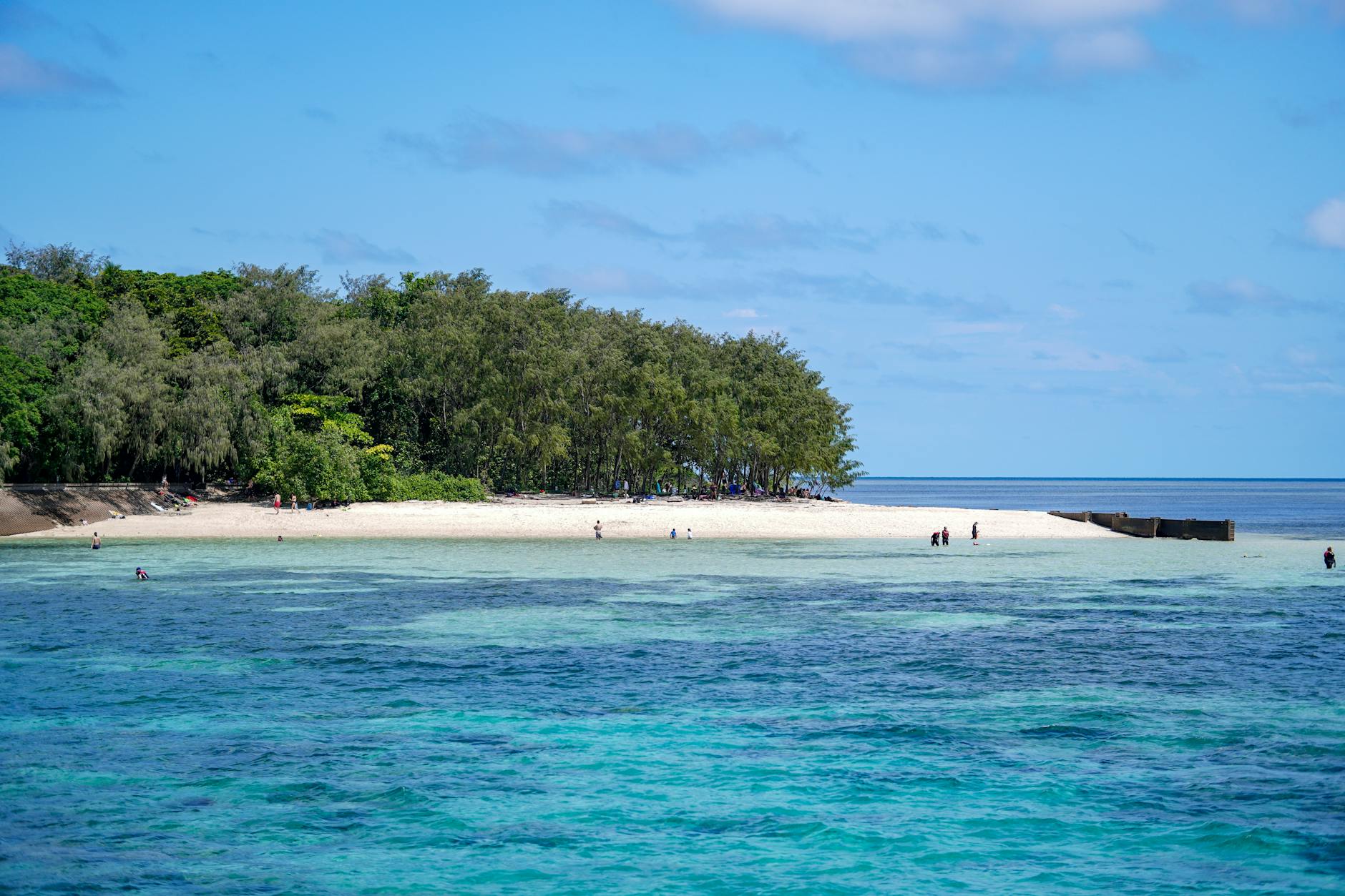
The largest reef system in the world, visible from space. Dive or snorkel from Cairns or Port Douglas. Visibility is best and jellyfish least likely from May to October, the dry season. Choose operators that go to the outer reef, which is far healthier than the inshore sites.
Uluru and the Red Centre (Northern Territory)
The monolith sacred to the Anangu people, unmissable at sunrise and sunset when it changes colour. You do not climb it — that has been prohibited since 2019 out of cultural respect — but you can walk around the base. Add Kata Tjuta and Kings Canyon. Best May to September, when it is not 40 °C.
The Great Ocean Road (Victoria)
One of the most spectacular coastal drives on the planet, starting from Melbourne. Its centrepiece is the Twelve Apostles, limestone stacks standing in the sea. It takes one or two days by car, stopping at surf beaches, lighthouses and forests with wild koalas at Kennett River.
Melbourne: coffee, street art and culture
The cultural capital: laneways covered in murals (Hosier Lane), the best coffee and brunch scene in Australia, markets like the Queen Victoria and an intense sporting life — the Australian Open is played here in January.
The Whitsundays and Whitehaven Beach
Seventy-four islands off the Queensland coast, including what many consider the finest beach in the world: Whitehaven, of blindingly white silica sand. You explore them on a two or three day sailing trip, or on a day excursion from Airlie Beach.
Tasmania: wilderness and MONA
The southern island, greener and colder, with parks like Cradle Mountain, famously clean air and a notable food scene. In Hobart sits MONA, one of the most provocative art museums in the southern hemisphere.
Daintree and Cape Tribulation (Queensland)
The oldest rainforest in the world, where the jungle runs down to the sea. Crocodiles, cassowaries and staggering biodiversity. It is a couple of hours from Cairns and pairs perfectly with the Great Barrier Reef.
Kangaroo Island and wildlife
For kangaroos, koalas, wallabies, echidnas and sea lions in the wild. Kangaroo Island in South Australia is the classic; sanctuaries like Currumbin on the Gold Coast and the Great Ocean Road also deliver. Avoid places that offer intensive koala-holding.
Perth and Rottnest Island (Western Australia)
The most isolated major city in the world, with spectacular urban beaches. A ferry away is Rottnest Island and its quokkas, the 'smiling' marsupials famous for selfies. The west is the least touristed and most remote Australia.

📅 When to go: climate and best time

Australia is in the southern hemisphere, so the seasons are inverted: summer runs December to February and winter June to August. More important is that the country has two very different climates. The south — Sydney, Melbourne, Tasmania, Adelaide, Perth — is temperate: summer is ideal for the beach and the cities, though expensive and crowded, while spring (September to November) and autumn (March to May) offer mild weather, fewer people and better prices. The tropical north — Cairns, the Great Barrier Reef, Darwin, Uluru — runs on wet and dry seasons: the dry, May to October, is the good window, with clear skies, low humidity and no deadly jellyfish; the wet, November to April, brings stifling heat, rain, cyclones and box and irukandji jellyfish, when swimming in northern waters requires a stinger suit.

In short: if your focus is the Great Barrier Reef and the Outback, aim for May to September. If it is Sydney, Melbourne and the southern coast for beach weather, aim for December to February and accept high prices. April-May and September-October are the best compromise for combining north and south. Events worth timing: New Year fireworks over Sydney Harbour, the Australian Open in Melbourne in January, and humpback whale watching along the east coast between June and November.

🍽️ What to eat

Australian food is multicultural and built on exceptional produce. Classics to try: the meat pie, barramundi, seafood — Sydney rock oysters, prawns, the backyard 'barbie' — lamb, and for dessert pavlova and lamingtons. Breakfast is ruled by brunch: avocado toast, eggs and, above all, excellent coffee. Australia has one of the best coffee cultures in the world, with the flat white as its banner. Try Vegemite at least once, and in summer, the mangoes.

Reference prices, verified July 2026: a coffee runs A$4.50 to 6; a casual lunch or food court meal A$15 to 25; dinner in a mid-range restaurant A$35 to 55 per person without drinks; a pint A$10 to 14. Eating out is expensive, so backpackers cook in the hostel — Coles and Woolworths are the key — and make use of the Asian food courts, which are far cheaper. Two things to watch: tipping is not obligatory, and many venues add a 10 to 15 % surcharge on Sundays and public holidays.

🛟 Safety and health

Australia is one of the safest countries in the world to travel in: violent crime against visitors is very low and you can move around comfortably, including at night in the cities, with the usual common sense. The real risk in Australia is the environment, not the people. The sun is extremely strong — use factor 50+, a hat and a shirt, especially around midday. In the sea, watch the lifeguard flags and always swim between them because of rips. In the tropical north during the wet season there are deadly jellyfish (wear the stinger suit provided) and saltwater crocodiles (respect the signs and stay out of rivers and estuaries). Venomous spiders and snakes exist, but dangerous encounters are very rare if you do not put your hand where you cannot see.

Healthcare is first world. No special vaccinations are required, only a yellow fever certificate if you are arriving from a country with risk. Tap water is drinkable throughout. Medical care is excellent but very expensive for foreigners, so travel insurance with solid medical cover is essential, not optional: a consultation or a hospital stay can run into thousands of dollars. The emergency number is 000 for police, ambulance and fire; 112 also works from a mobile.

💰 How much it costs

Australia is an expensive destination, both for the flights and for the daily cost once you are there. Reference daily budgets per person, excluding the international airfare, verified July 2026: tight backpacking, around USD 55 to 80 a day with a dorm bed, self-catering, public transport and free activities; mid-range, USD 120 to 200 a day with a private room or good hostel, eating out once a day and the odd excursion; comfortable, USD 250 or more with hotels, restaurants and guided tours.

Concrete examples: a hostel dorm bed costs A$30 to 55 depending on the city, more in Sydney and along the east coast; a casual meal A$15 to 25; an urban transport fare A$4 to 5 with a daily cap — in Sydney the Opal card weekend cap is around A$9; a day trip to the Great Barrier Reef from Cairns A$200 to 280. The big-ticket items are the international flight and the domestic hops between regions. Advice: book domestic flights with Jetstar and Virgin well ahead, cook in the hostel, and lean on the free nature — beaches, trails, lookouts — which is the best of the country and costs nothing. All figures are references and vary with season and exchange rate.

🤝 Culture and practical tips

The language is English, with a strong accent and a great deal of local slang, especially the diminutives: 'brekkie' for breakfast, 'arvo' for afternoon, 'servo' for petrol station. Australians are generally relaxed, informal and direct; everyone is on first-name terms and 'no worries' is close to a national philosophy. Show particular respect for Aboriginal sites and culture: ask before photographing, do not climb sacred formations, and choose Indigenous-run tours where you can.

Practical notes: the plug is type I — two angled flat pins plus an earth — at 230 V / 50 Hz, so bring an adapter, and check your device handles 230 V if you are coming from North America. Connectivity is very good in the cities and along the coast but disappears in the Outback. The practical move is to buy a local SIM or eSIM on arrival: Telstra has the best rural coverage, Optus and Vodafone are cheaper in the cities, and a tourist data plan runs A$30 to 40. Driving is on the left, distances are enormous, and on interior routes you have to plan fuel and water. One cultural note that catches people out: much of the country closes early, with many shops shutting at 5 or 6 pm.

📜 History of Australia

Australia's history is, above all, the story of the oldest continuous civilisation on the planet. Aboriginal and Torres Strait Islander peoples have lived on the continent for at least 65,000 years (a span that dwarfs the civilisations of the Nile or the Euphrates). For millennia they passed down, through the Dreaming, a spiritual bond with the land that is still alive today. On top of that ancient foundation came, barely two and a half centuries ago, a short but brutal colonial history. James Cook claimed the east coast for the British Crown in 1770, and in 1788 the First Fleet arrived and founded a penal colony in Sydney, at the far end of the world.

Over the 19th century, that handful of convicts and jailers grew into a patchwork of six British colonies. They expanded onto Aboriginal land in what are known as the frontier wars, grew rich on wool and saw their populations explode with the gold rush of the 1850s. On 1 January 1901 those colonies federated into the Commonwealth of Australia, one of the world's first full democracies. It was born, however, with the original sin of the White Australia Policy. The two world wars, including the founding myth of Gallipoli in 1915, and mass post-war immigration turned an isolated, Anglo-Saxon country into one of the most multicultural societies on Earth.

Read the full history of Australia →

❓ FAQs about Australia

Do I need a visa for Australia?
Yes — every visitor needs an electronic authorisation before flying, and there is no visa-free entry. EU passport holders use the eVisitor (subclass 651), which is free. UK, US, Canadian, Japanese and several other passport holders use the ETA (subclass 601), which costs around A$20 and is applied for through an app. Most Latin American nationals need the Visitor visa subclass 600, which costs around A$200 and can take two to five weeks. Verified July 2026. Without an approved authorisation you will not be allowed to board.
Is Australia very expensive?
Yes, both to reach and once you are there. Tight backpacking runs USD 55 to 80 a day excluding the airfare; mid-range USD 120 to 200. You save by cooking in the hostel, using public transport with its daily fare caps, and leaning on the free nature, which is the best part of the country anyway.
How many days do I need in Australia?
Given the distances and what it costs to get there, it is not worth going for less than two weeks. Two or three weeks let you combine two or three blocks properly — Sydney plus the Reef plus Uluru, say, or the east coast from Sydney to Cairns. A month is ideal if you do not want to spend the trip rushing. Do not try to 'see all of Australia': it is not possible and it is exhausting.
Can I work in Australia on a Working Holiday?
Very likely, and it is the best way to fund a long trip. Australia has Working Holiday agreements with more than forty countries, split between two visas: the 417, which covers the UK, Ireland, Canada and much of Europe, and the 462, which covers the United States and most of Latin America and parts of Asia. Both are for people aged 18 to 30 (35 for some nationalities) and allow up to a year, extendable. Caps, conditions and opening dates differ by country. We cover it in detail in our <a href="https://viajacongus.com/working-holiday/australia/">Working Holiday Australia guide</a>.
When is the best time to go?
It depends on the region. For the Great Barrier Reef and the Outback, the dry season from May to September. For Sydney, Melbourne and the southern coast in beach mode, the southern summer from December to February, accepting high prices. April-May and September-October are the best compromise for combining north and south with pleasant weather and fewer people.
Is it safe? What health precautions do I need?
It is one of the safest countries in the world in terms of crime. The real risk is the environment: very strong sun (factor 50+), rips in the sea (swim between the flags) and, in the tropical north in summer, deadly jellyfish and crocodiles (respect the signs). No special vaccinations are needed beyond a yellow fever certificate if you are arriving from a risk area, tap water is drinkable and the emergency number is 000. Travel insurance with broad medical cover is essential, because care is extremely expensive for foreigners.
How do I get mobile data?
Buy a local SIM or eSIM on arrival. Telstra has the best rural coverage, Optus and Vodafone are cheaper in the cities, and tourist data plans start around A$30. Note that there is no signal at all across much of the Outback, so plan accordingly.
Cities and destinations

Explore Australia by region

Pick a region and open each destination to see what to do, prices and how to get there.

📍

New South Wales (NSW)

11 destinations
Sydney
Sydney
See guide →
Blue Mountains
Blue Mountains
See guide →
Byron Bay
Byron Bay
See guide →
Jervis Bay
Jervis Bay
See guide →
Hunter Valley
Hunter Valley
See guide →
Port Stephens
Port Stephens
See guide →
Coffs Harbour
Coffs Harbour
See guide →
Newcastle
Newcastle
See guide →
Snowy Mountains (Kosciuszko)
See guide →
Broken Hill
Broken Hill
See guide →
Mungo National Park
Mungo National Park
See guide →
📍

Victoria

8 destinations
Melbourne
Melbourne
See guide →
Great Ocean Road
Great Ocean Road
See guide →
The Grampians
The Grampians
See guide →
Mornington Peninsula
See guide →
Phillip Island
Phillip Island
See guide →
Yarra Valley
Yarra Valley
See guide →
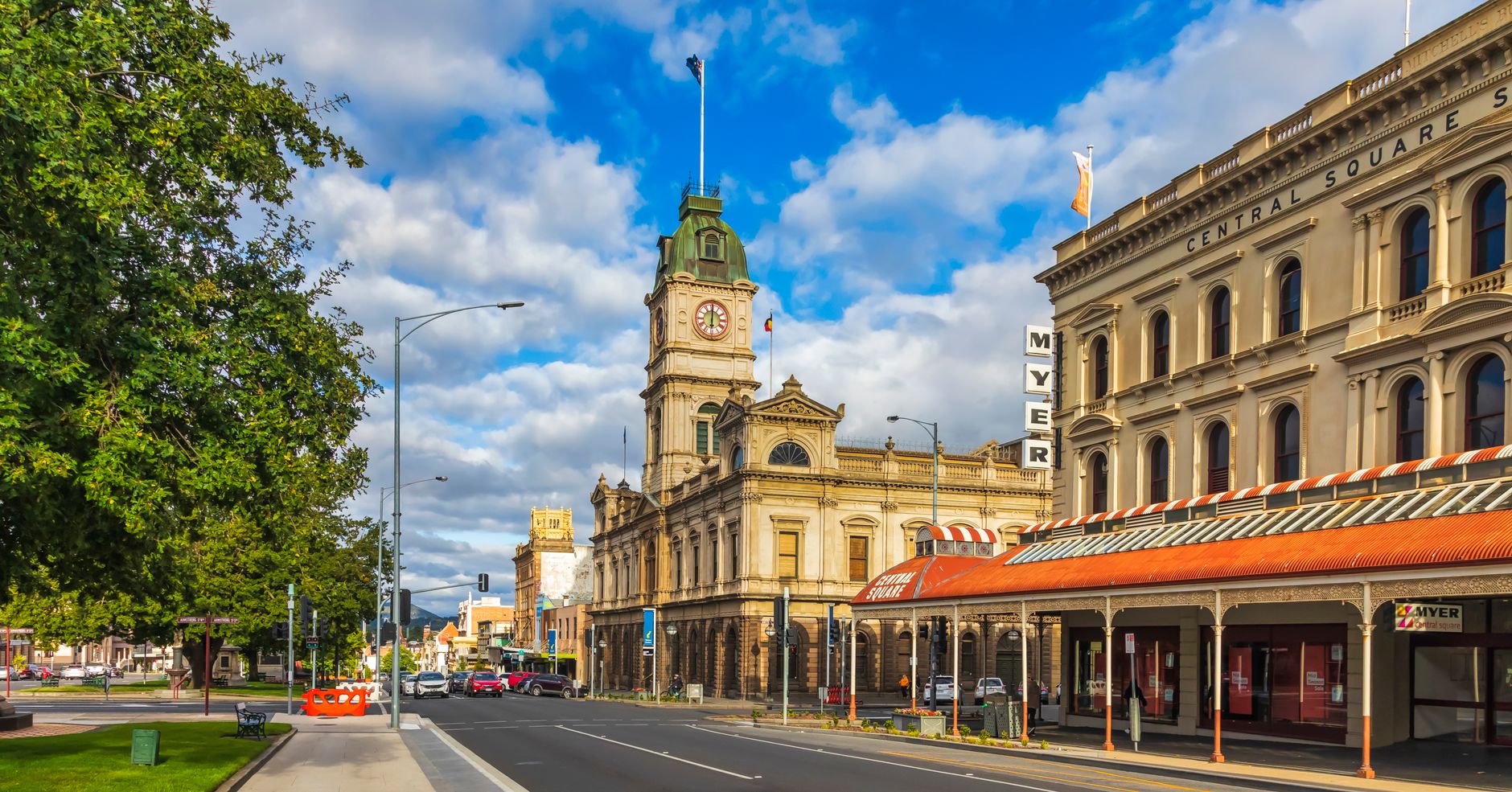
Ballarat
Ballarat
See guide →
Wilsons Promontory
Wilsons Promontory
See guide →
📍

Queensland

13 destinations
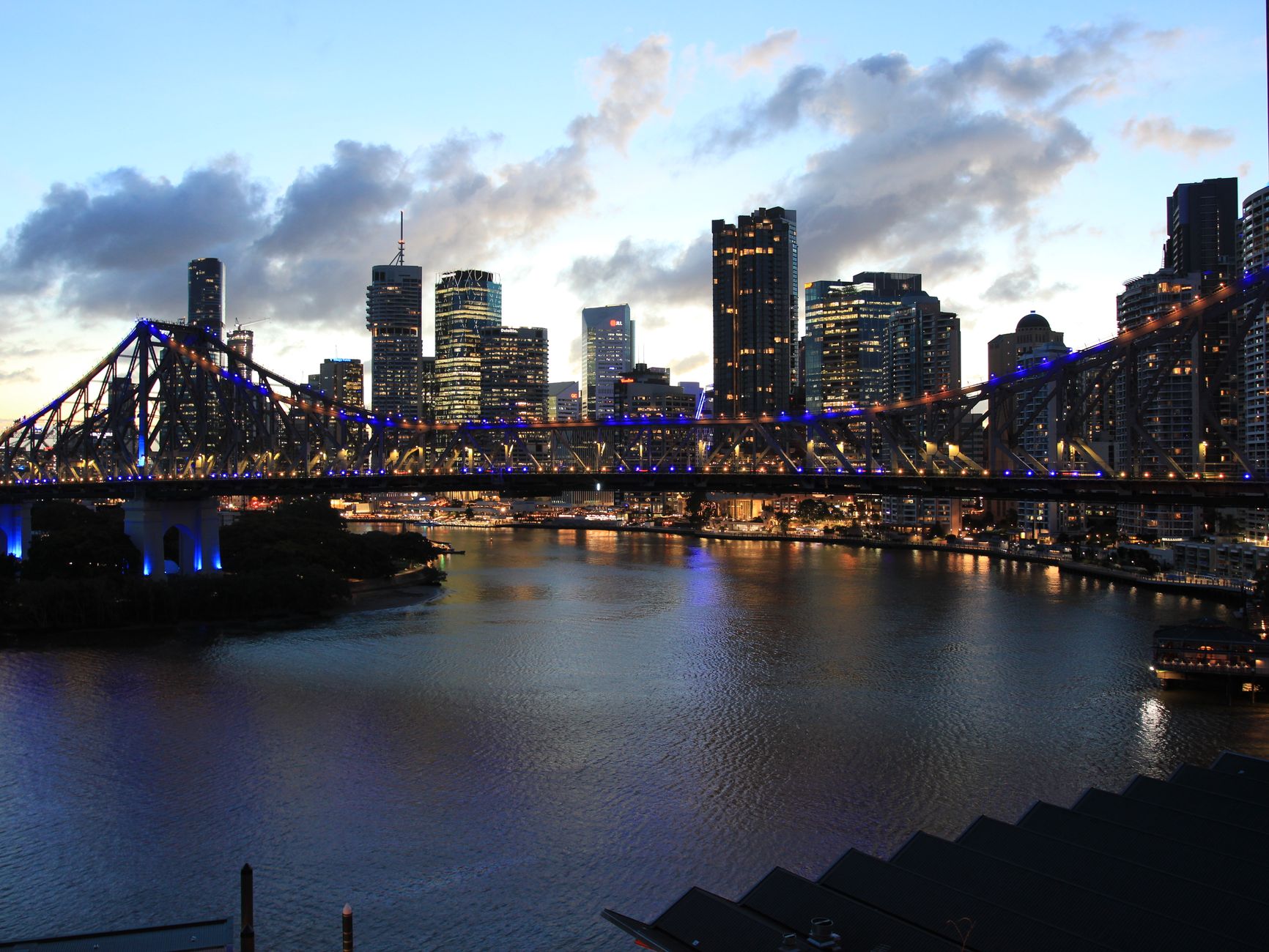
Brisbane
Brisbane
See guide →
Great Barrier Reef
Great Barrier Reef
See guide →
Whitsunday Islands
Whitsunday Islands
See guide →
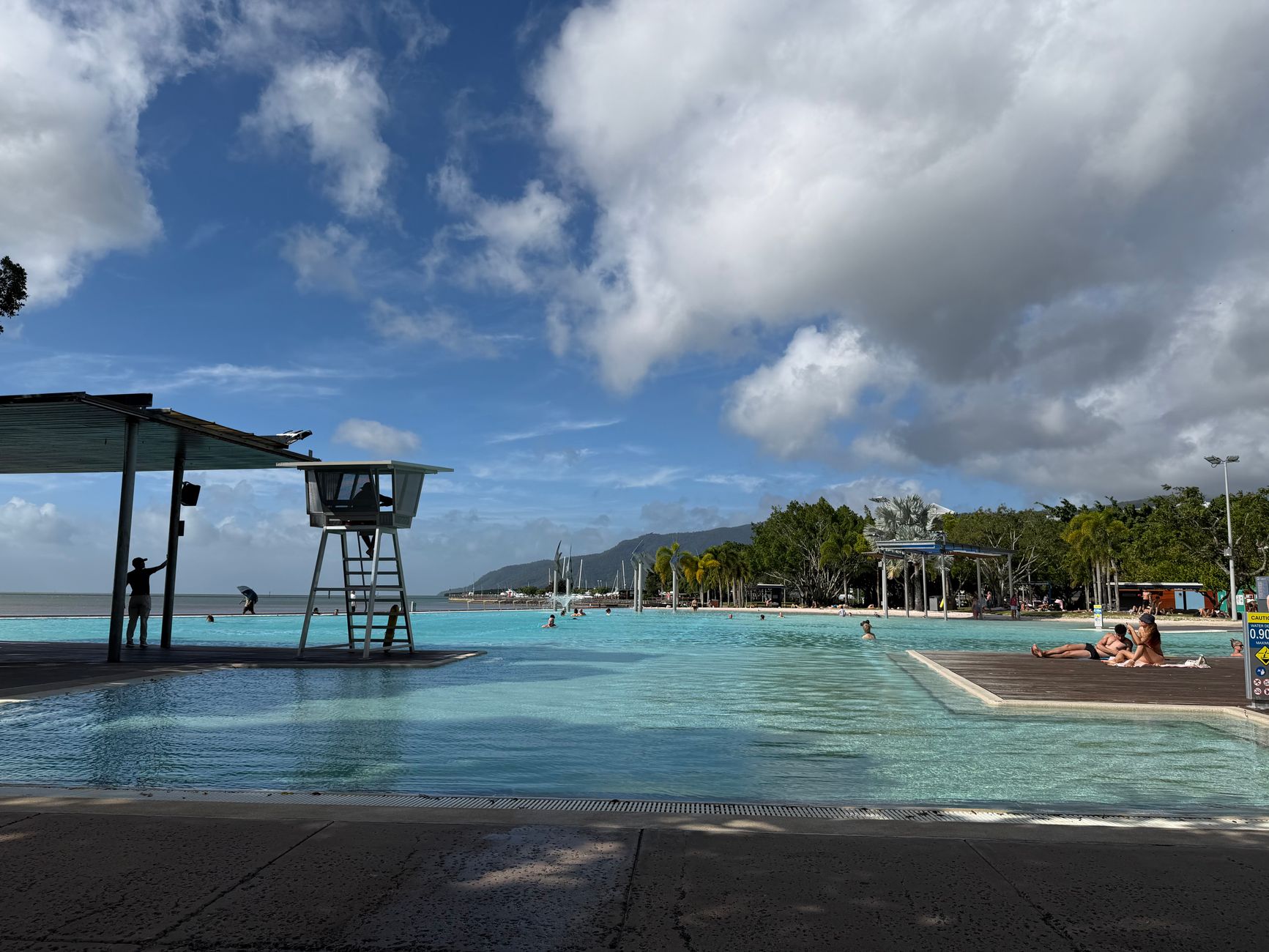
Cairns
Cairns
See guide →
Port Douglas
Port Douglas
See guide →
Daintree Rainforest
Daintree Rainforest
See guide →
Gold Coast
Gold Coast
See guide →
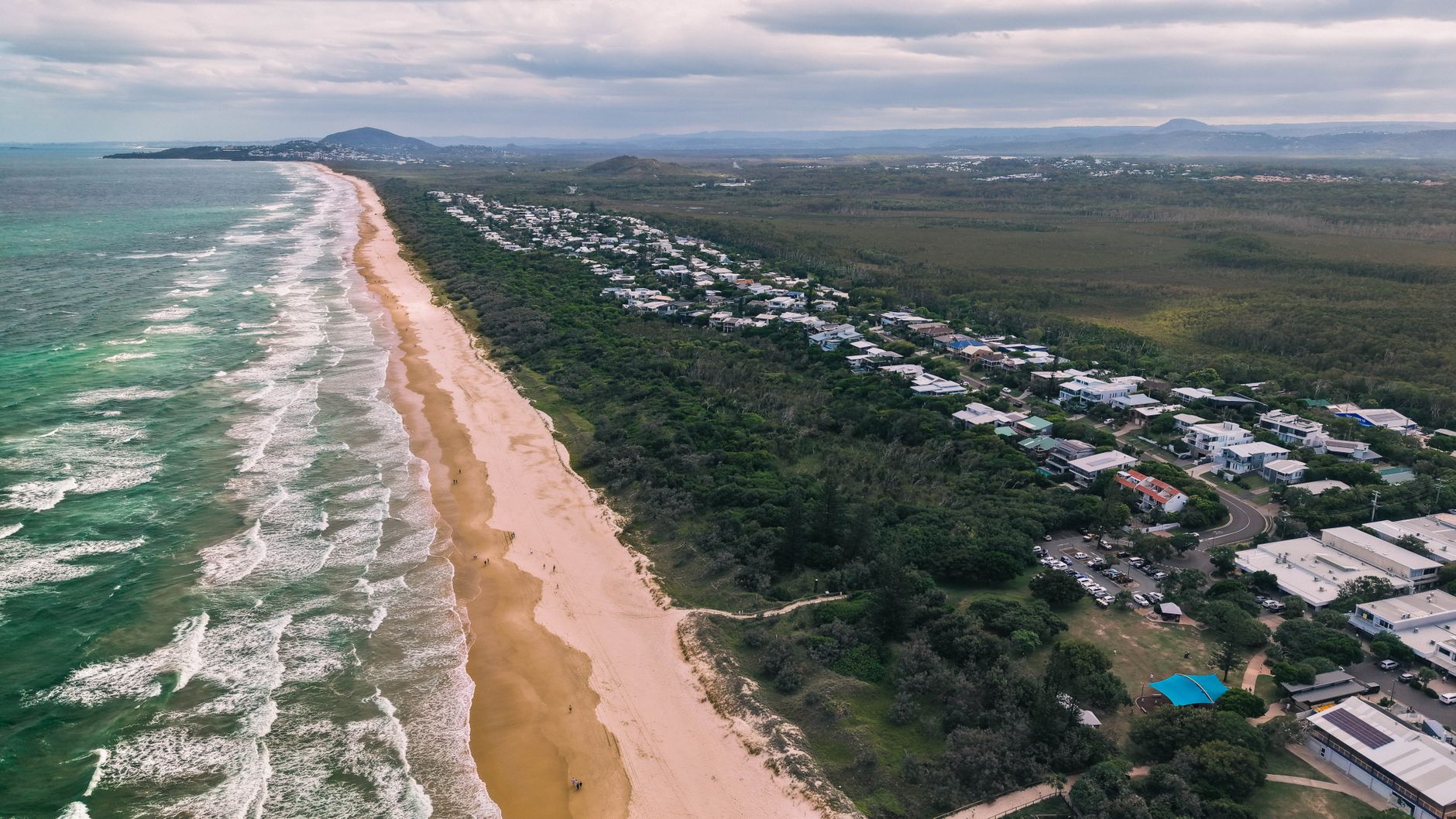
Sunshine Coast
Sunshine Coast
See guide →
Noosa
Noosa
See guide →
Fraser Island (K'gari)
See guide →
Magnetic Island
Magnetic Island
See guide →
Lady Elliot Island
Lady Elliot Island
See guide →
Longreach and the Outback
See guide →
📍

Western Australia (WA)

13 destinations
Perth
Perth
See guide →
Fremantle
Fremantle
See guide →
Rottnest Island
Rottnest Island
See guide →
Margaret River
Margaret River
See guide →
The Pinnacles (Nambung)
See guide →
Shark Bay (Monkey Mia)
See guide →
Ningaloo Reef (Exmouth)
See guide →
Broome
Broome
See guide →
The Kimberley
The Kimberley
See guide →
Karijini National Park
See guide →
Kalbarri
Kalbarri
See guide →
Esperance
Esperance
See guide →
Wave Rock
Wave Rock
See guide →
📍

South Australia (SA)

7 destinations
Adelaide
Adelaide
See guide →
Barossa Valley
Barossa Valley
See guide →
Kangaroo Island
Kangaroo Island
See guide →
Flinders Ranges
Flinders Ranges
See guide →
Coober Pedy
Coober Pedy
See guide →
Eyre Peninsula
Eyre Peninsula
See guide →
McLaren Vale
McLaren Vale
See guide →
📍

Tasmania

7 destinations
Hobart
Hobart
See guide →
Cradle Mountain
Cradle Mountain
See guide →
Freycinet (Wineglass Bay)
See guide →
Port Arthur
Port Arthur
See guide →
Bay of Fires
Bay of Fires
See guide →
Launceston
Launceston
See guide →
Bruny Island
Bruny Island
See guide →
📍

Northern Territory (NT)

8 destinations
Uluru
Uluru
See guide →
Kata Tjuta
Kata Tjuta
See guide →
Kings Canyon
Kings Canyon
See guide →
Alice Springs
Alice Springs
See guide →
Kakadu National Park
See guide →
Darwin
Darwin
See guide →
Litchfield National Park
See guide →
Katherine (Nitmiluk)
See guide →
📍

Australian Capital Territory (ACT)

1 destinations
Canberra
Canberra
See guide →

💡 Fun facts

●Australia is the only country in the world that occupies an entire continent, and also the driest inhabited continent on earth.
●There are reckoned to be more kangaroos than people: the kangaroo population runs to 35-50 million against some 26 million inhabitants.
●Aboriginal and Torres Strait Islander peoples have the oldest continuous living culture on the planet, going back more than 65,000 years.
●The Great Barrier Reef is the largest living structure on earth and can be seen from space; it stretches more than 2,300 kilometres.
●K'gari, formerly Fraser Island, in Queensland, is the largest sand island in the world, with freshwater lakes sitting on top of the dunes.
●Australia has more than 10,000 beaches: you could visit a different one every day for almost 27 years.
●The gold rush of 1851 tripled the country's population in barely a decade.
●Canberra, the capital, was built from scratch as a compromise between Sydney and Melbourne, which both wanted the title.
●Driving is on the left, a British inheritance shared with the UK, Japan and New Zealand.
●Mount Kosciuszko, the highest peak on the continent, is only 2,228 metres: Australia is the flattest and lowest landmass in the world.
Sources

Where the data on Australia comes from

These are the sources we cite most across this country's guides, with how many times each appears. Hard data —tickets, opening hours, requirements, transport— comes from the official source and carries the date we checked it. Restaurant and hotel picks come from guides and reviews, and we say so on each page.

📶I have never landed without internet. I arrive and my phone connects to the strongest network in the country I am visiting: I can say I landed, sort out transport, book tours and keep posting, at a seriously good price. I always use the Maya eSIM — check their plans by clicking the banner.See plans →Maya Mobile eSIM — skip roaming fees, unlimited data
Image credits
Photos from Wikimedia Commons, each under its own licence (CC BY, CC BY-SA or public domain). Open each file to see its author and licence.
North view of Sydney Opera House, the Rocks and Sydney CBD