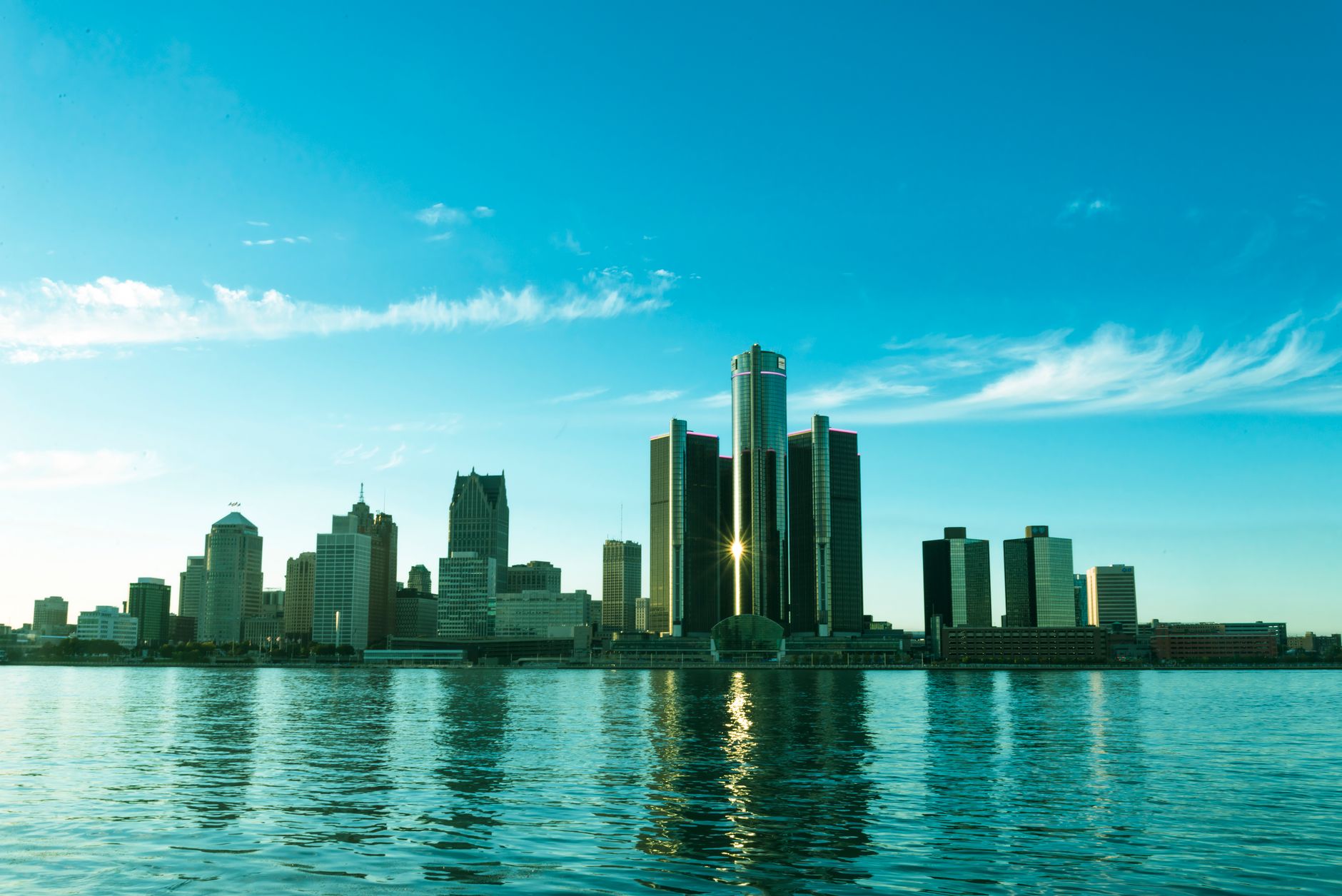
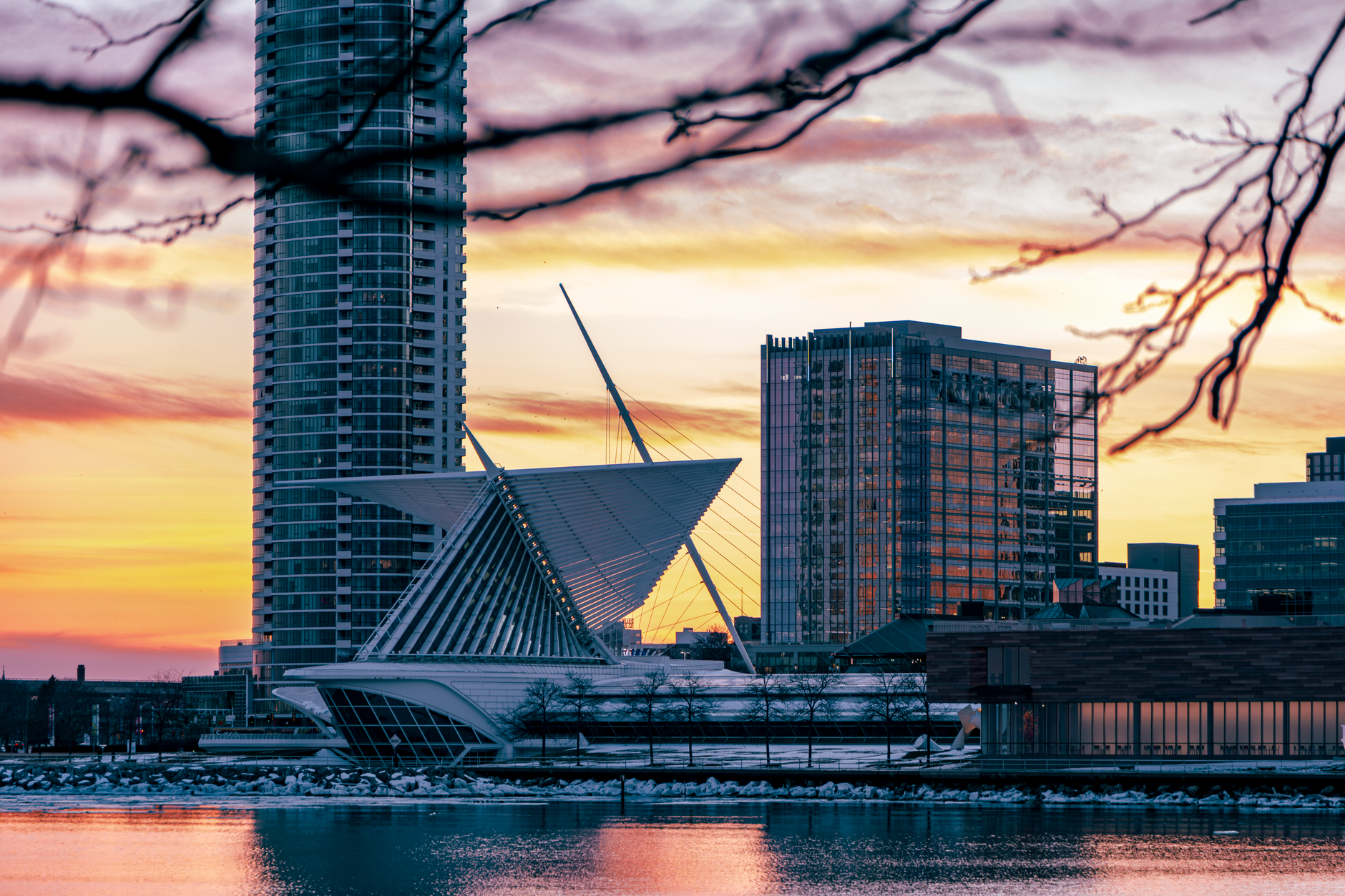
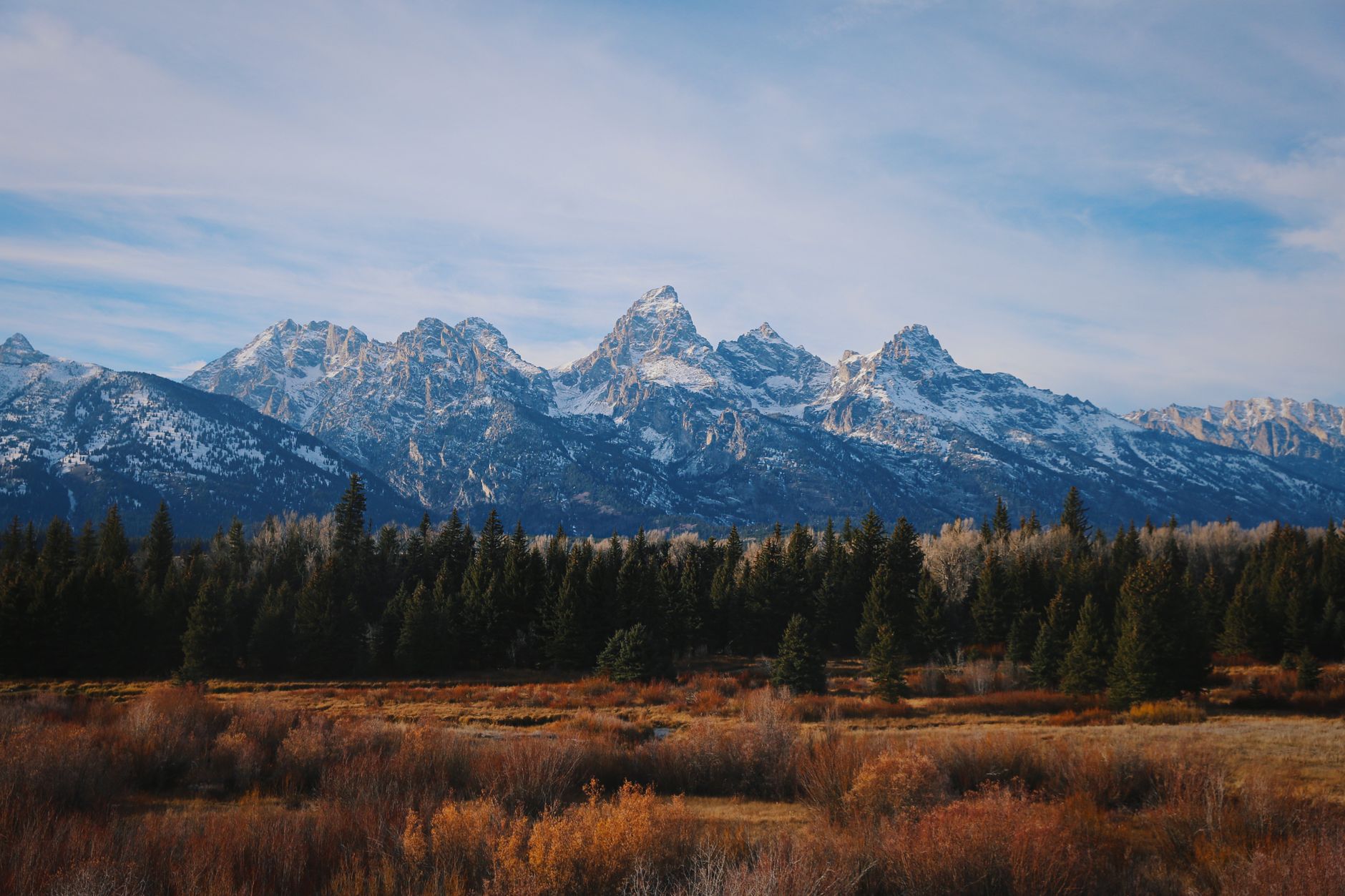
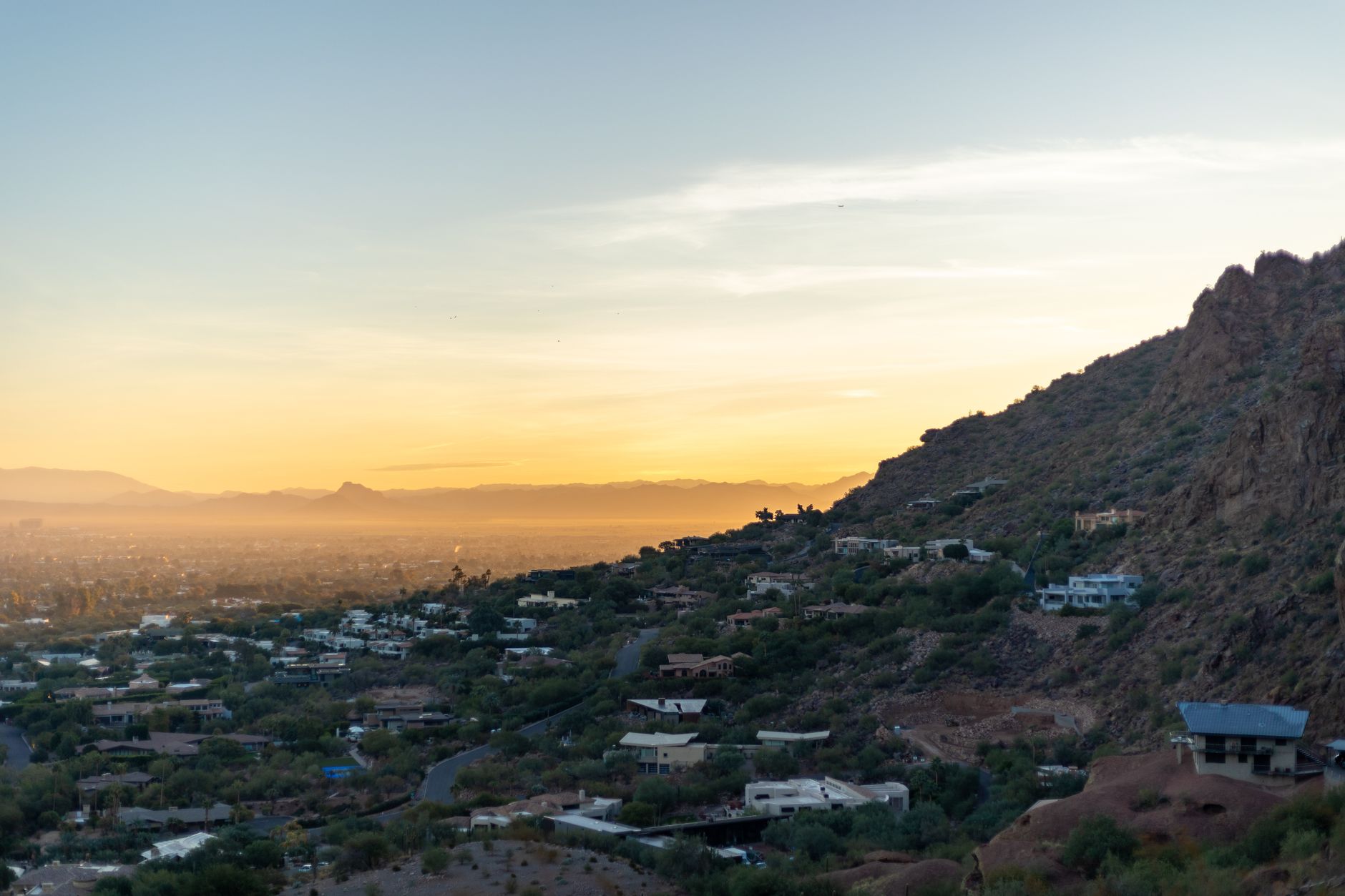
From the skyscrapers of New York to the lights of Las Vegas, from the Grand Canyon to the beaches of California: a huge country with a thousand trips packed into one.
The United States is not one destination, it is many countries inside one. The same trip that starts among the skyscrapers of New York can end in the red desert of Arizona, on the beaches of California or in the jazz-soaked swamp of New Orleans. It is a giant country, easy to travel around, with an enormous tourism infrastructure, and at the same time one of the most expensive, and the one where the 'unwritten rules' (tipping, above all) weigh the most. For the Latin American traveler it has one unique advantage: Spanish is everywhere, especially in Miami, the Southwest and the big cities.
It is best to think of it region by region, because crossing the whole country in one trip is unworkable. The East Coast (New York, Washington, Boston, Miami, Orlando) is where the history, the museums and the theme parks are. The South (New Orleans, Austin, Nashville) is music, food and culture. The West Coast and California (Los Angeles, San Francisco, Las Vegas, San Diego, Seattle) mixes beach, technology and glamour. And the national parks of the interior (Grand Canyon, Yellowstone, Yosemite, Zion) are among the most spectacular landscapes on the planet. Almost every itinerary picks one or two regions and flies the long hops.
The honest pitch: it is extremely expensive, and to every price you have to add the tip and the taxes that are not included on the label. But the scale, the variety and the convenience are unbeatable, and for many Latin Americans it is also the easiest destination linguistically and culturally. The main obstacle is usually the visa paperwork rather than the trip itself.
Traveler's tip: in the United States cards are accepted almost everywhere, even for small amounts. Carry some cash for tips (15-20% is standard in restaurants) and let your bank know you are traveling so your card doesn't get blocked. When the card reader offers you the choice, always pay in dollars rather than in your home currency.
The main gateway airports are New York (JFK and Newark), Los Angeles (LAX), Miami (MIA), Chicago (O’Hare) and Atlanta (ATL), one of the busiest in the world. Most international flights from Latin America land in Miami, New York or Houston. The main airlines are American Airlines, Delta Air Lines and United Airlines, plus the low-cost carriers Southwest, JetBlue, Spirit and Frontier for domestic flights. Given the size of the country, flying is usually the most practical way to move between far-apart regions. For medium distances there are bus services such as Greyhound and FlixBus, and Amtrak trains on corridors like the Northeast (Boston-New York-Washington). In the cities, ride-hailing apps like Uber and Lyft work very well, along with taxis and the subway in the big urban centers. To explore national parks and scenic routes, renting a car is all but essential.
The United States is so big that there is no single 'best time': it depends on the region. As a general rule, spring (April-June) and autumn (September-October) are the best windows almost everywhere in the country, with pleasant weather, fewer crowds and more reasonable prices. Summer (June-August) is peak holiday season (everything pricier and busier), ideal for the northern national parks (Yellowstone, Yosemite), which only fully open in those months, but brutally hot in the South and the desert. Winter (December-February) is low season and cold in the Northeast and the Midwest, but perfect for Florida, the desert Southwest (Arizona, Nevada) and for skiing in Colorado or Utah.
Region by region: the Northeast (New York, Boston) shines from April to June and in September-October, with New England's famous autumn foliage. The West Coast (California) works almost all year, best from March to June and from September to November. The Southwest and the Grand Canyon are at their best from October to April, avoiding the deadly summer heat. Florida is ideal in the northern winter (the southern-hemisphere summer is its high season). Watch out for the Atlantic and Gulf hurricane season (Florida, New Orleans), which runs from June to November, peaking in August-September.
American food goes far beyond the burger: it is a map of immigrant influences. Try a proper burger and the ribs and brisket of barbecue (Texas, the South), New York pizza and bagels, New England seafood (lobster roll, clam chowder), the Cajun and Creole cooking of New Orleans, the Tex-Mex tacos and burritos of the Southwest, and weekend brunch as an institution. Every region has its dish: don't leave the South without fried chicken or California without a Mission burrito. Portions are enormous: sharing or taking the leftovers home is completely normal.
Reference prices (verified July 2026): a coffee runs US$4–6; a quick lunch or food truck meal, US$10–18; a sit-down casual restaurant meal, US$18–30 per person before the tip; a mid-range dinner, US$30–55. Two things catch Latin American travelers off guard: menu prices almost never include tax (sales tax is added at the register and varies by state, between 0% and ~10%), and tipping is all but compulsory in table-service restaurants: 18-20% is expected because it is part of the server's wage. At counter cafes and fast food places it is not needed. Eating from supermarkets (Walmart, Trader Joe's) and food trucks is how you save.
The United States is generally safe for visitors, but it is an uneven country: safety varies enormously from one neighborhood to the next within the same city. The rule is to research by area rather than by city: there are neighborhoods worth avoiding at night even in tourist destinations. The crimes that most affect travelers are opportunistic theft and car break-ins (never leave anything visible in the vehicle). With common sense — sticking to busy areas, using Uber at night, keeping an eye on your belongings — the vast majority of trips pass without any trouble. Keep the gun debate in mind, but as a tourist it is a statistically very low risk if you stay out of confrontations.
The big issue in the United States is healthcare: there is no public system and medical care is the most expensive in the world. An emergency room visit can cost hundreds of dollars and a hospital stay tens of thousands. That is why travel insurance with high medical coverage (ideally US$100,000 or more) is not optional, it is essential: traveling without it is an enormous financial risk. No special vaccinations are required to enter. Tap water is drinkable almost everywhere in the country. The emergency number is 911 (police, ambulance and fire); bear in mind that calling an ambulance is free but the ride and the treatment are billed afterwards.
The United States is an expensive destination, and to every price you have to add the taxes and the tip that are not on the label. Reference daily budgets per person, not counting the international flight (verified July 2026): tight backpacker, around US$80–120 a day (hostel bed, food truck or supermarket meals, public transport); mid-range traveler, US$180–300 a day (hotel or Airbnb, eating out, the odd attraction or a rental car); comfortable traveler, US$350 or more a day. The regional differences are huge: New York, San Francisco and the big coastal cities can double what you spend in the South or the interior.
Concrete examples: a hostel dorm bed costs US$30–60 depending on the city (more in New York, San Francisco, Miami); a casual meal, US$12–20 before tax and tip; a coffee, US$4–6; a day pass on the New York subway, about US$8–9; entry to a national park, US$35 per vehicle (or US$80 for the 'America the Beautiful' annual pass, which pays off if you visit several); a day at Disney World, from US$110–160. Renting a car is all but compulsory for the parks and the scenic routes: from US$40–70 a day plus gas (cheaper than in Latin America and Europe). Tip: low-cost domestic flights (Southwest, Spirit, Frontier) and hotels outside the center bring the cost down a lot. Reference figures; they vary by region and season.
There is no official language at federal level, but English is what is used; the big surprise for the Latin American traveler is that Spanish is the country's second language and in many places (Miami, Los Angeles, Texas, New York) you can get by perfectly in Spanish. Americans tend to be friendly, direct and informally warm with strangers ('how are you?' is a greeting, not a real question). Punctuality is valued. The custom you most need to understand is tipping: it is part of service staff's pay, so leaving 18-20% in table-service restaurants is not optional, and you also tip taxi drivers, bartenders and hotel staff.
Practical details: sockets are types A and B, at 120V/60Hz (careful — that is half the voltage of most of Latin America and Europe: 220V appliances will not work without a transformer, although almost every modern charger is dual voltage, check the power brick). Connectivity is excellent; buy a local SIM or eSIM on arrival (T-Mobile has good coverage and tourist plans; Mint and other budget carriers too), with plans from around US$30-40. They use the imperial system: miles, pounds, gallons and degrees Fahrenheit, which takes some getting used to. Uber and Lyft work all over the country and are the most convenient way to get around at night. And one cultural note: almost everything is paid by card or phone, and many places barely accept cash any more.
The history of the United States is that of a continent inhabited for more than fifteen thousand years by hundreds of native nations, touched for the first time by Europeans at the beginning of the 16th century and turned, in barely two and a half centuries of independent life, into the greatest economic, military and cultural power on the planet. It is a plot of extreme contrasts: from the earthen cities of Cahokia to the skyscrapers of Manhattan, from the slave plantations of the South to the Statue of Liberty, from an agrarian republic of four million inhabitants to a nation of more than 340 million that shapes much of the politics and the technology of the contemporary world.
Out of the thirteen British colonies that rebelled in 1776 was born a federal republic with a Constitution —the oldest still in force— that expanded from coast to coast under the idea of 'manifest destiny', tore itself apart in a civil war over slavery, absorbed tens of millions of immigrants during the great industrialization and emerged from the two world wars as a superpower. The Cold War, the space race, the civil rights movement and the digital revolution of the late 20th century finished drawing the country we know today.
Read the full history of United States →Pick a region and open each destination to see what to do, prices and how to get there.
These are the sources we cite most across this country's guides, with how many times each appears. Hard data —tickets, opening hours, requirements, transport— comes from the official source and carries the date we checked it. Restaurant and hotel picks come from guides and reviews, and we say so on each page.