Viajá con Gus
HomeNorth AmericaMexico
Mexico
🇲🇽 North America

Mexico

Caribbean beaches, thousand-year-old pyramids, one of the most celebrated cuisines in the world and colonial cities full of color. Mexico is an immense country, and it rewards time and curiosity.

Jump to what you need

🧭 Essential facts

Currency
Mexican peso (MXN)
Language
Spanish (alongside numerous Indigenous languages)
Capital
Mexico City (CDMX)
Plug
120 V, socket types A and B (flat US-style pins)
Best time to visit
November to April, the dry season, with the most settled weather
Time zone
Central UTC−6; some regions are UTC−7 or UTC−5
Entry / visa
Many nationalities enter visa-free for tourism; you complete the immigration registration on arrival. Check the requirements for your own nationality.

🌍 About Mexico

Mexico is one of those destinations that feels like several countries in one. On a single trip you can go from the turquoise Caribbean beaches of Quintana Roo to the pyramids of Teotihuacán or Chichén Itzá, from the frantic energy of Mexico City to pink-stone colonial towns like Guanajuato or San Miguel de Allende. It is an immense country (almost five times the size of Ecuador), with one of the most celebrated cuisines on the planet and a human warmth that catches out the Latin American traveler who arrives expecting something like home and finds a world of its own.

Geographically it helps to think in blocks: the center (Mexico City, Puebla, Querétaro, the colonial Bajío), the Pacific and the deep south (Oaxaca, Chiapas, Puerto Escondido), the north and Baja California, and the Yucatán Peninsula with the Caribbean. Almost nobody covers it all in one trip. A classic itinerary combines Mexico City + a colonial getaway + the peninsula; another popular one is Mexico City + Oaxaca + the Pacific coast. The distances are long, so cheap domestic flights (Volaris, VivaAerobus) are your allies.

The best thing about Mexico is that it works on any budget: you can backpack and eat gloriously for very little, or treat yourself at reasonable prices. What surprises people is the cultural depth (pre-Hispanic cultures that are alive, not museum pieces) and how well you eat on the street. What to keep in mind is that safety varies sharply by region, something you handle with common sense.

Advertisements

💱 Currency and exchange rate

Traveler's tip: always pay in pesos, never in dollars. When a shop or an ATM offers to charge you in your own currency (dynamic currency conversion), the exchange rate is usually worse. Carry some cash for markets, local transport and tips, because not everywhere takes cards.

💱 What your currency is worth in MXNLIVE WIDGET
Loading live rates…
Full converter for MXN →

✈️ Getting there and around

The main air gateway is Mexico City International Airport (AICM), backed up by the newer Felipe Ángeles International Airport (AIFA). Other well-connected hubs are Cancún, one of the busiest tourist gateways in the country, plus Guadalajara and Monterrey for the center-west and the north. Domestic flying is handled by airlines such as Aeroméxico, Volaris and VivaAerobus, with fares that are usually good value if you book ahead. Internal flights save an enormous amount of time between far-apart regions. Overland transport is excellent: Mexico has a comfortable, reliable long-distance bus network, with companies like ADO in the south and southeast, and Primera Plus or ETN in the center. For short hops, use registered taxi stands (taxis de sitio) or ride-hailing apps, which are available in the main cities and are a practical, transparent way to get around.

🎒 What to do and see

Mexico City and Teotihuacán
The capital is one of the most vibrant metropolises in the Americas: the Centro Histórico and the Zócalo, the Coyoacán neighborhood with Frida Kahlo's Casa Azul, the National Museum of Anthropology (unmissable — give it half a day) and Xochimilco. An hour away are the pyramids of Teotihuacán, with the towering Pyramid of the Sun.
Chichén Itzá and the Maya ruins
One of the seven wonders of the modern world and the most famous archaeological site on the peninsula. Get there early to dodge the heat and the crowds. Nearby are Uxmal, Cobá and Ek Balam, often much quieter and where climbing is still allowed.
The cenotes of Yucatán
Wells of crystal-clear fresh water deep in the jungle, sacred to the Maya. Some are open, some semi-open, some inside caves. Ik Kil, Suytun, Dos Ojos and the cenotes near Valladolid or Homún are among the best for a swim and a cool-off.
Oaxaca city and Monte Albán
The country's food capital and the home of mezcal. The city is a feast of markets, mole and art. A few kilometers away are the Zapotec ruins of Monte Albán on a mountaintop, plus craft villages such as Teotitlán del Valle and the Tule tree.
San Cristóbal de las Casas and Chiapas
A mountain town with a Tzotzil Indigenous feel, ideal as a base for the Sumidero Canyon, the Agua Azul waterfalls and the ruins of Palenque deep in the jungle. One of the most authentic and cheapest corners of Mexico.
Playa del Carmen, Tulum and the Riviera Maya
The turquoise Caribbean stretch par excellence. Tulum adds Maya ruins right above the sea; Playa del Carmen has Fifth Avenue and ferries to the island of Cozumel, a diving mecca. Watch out for sargassum (seaweed) between May and August.
Guanajuato and San Miguel de Allende
The heart of colonial Mexico: underground tunnels, colored houses on the hillsides, squares and roving student minstrels in Guanajuato; pink churches and an artistic scene in San Miguel de Allende, regularly voted one of the most beautiful cities in the world.
Puerto Escondido and the Oaxaca coast
The wild, surfy Pacific: beaches like Zicatela (heavy waves) and Carrizalillo, bioluminescence at Manialtepec, and a short way down the coast the lagoons and turtles of Mazunte and Zipolite. Laid-back atmosphere and friendlier prices than the Caribbean.
Eating tacos al pastor and street food
More a religion than an activity. Tacos al pastor, tacos de canasta, quesadillas, tlacoyos, elotes, tamales and the rest are eaten at street stalls for small change. Follow the locals: the stalls with a line are your guarantee of quality and freshness.
Day of the Dead (if you travel in November)
On November 1 and 2 the country fills with altars (ofrendas), marigolds and catrinas. Oaxaca, Pátzcuaro and Mexico City have the most intense celebrations. It is a one-of-a-kind cultural experience, but book accommodation a long way ahead.

📅 When to go: climate and best time

The dry season runs from November to April and is, broadly, the best time for almost the whole country: clear skies, less humidity and settled weather. December to March is ideal for the Yucatán Peninsula and the Caribbean (pleasant heat, little rain), though it coincides with peak pricing, especially at Christmas, New Year and Easter week. The rainy and hurricane season runs from June to October/November, with afternoon downpours (usually short) and a risk of cyclones on the Gulf and Caribbean coasts, September being the peak month.

Because Mexico is enormous, the climate changes a lot by region and altitude: Mexico City and the Bajío sit above 2,000 meters, so the nights are cool year-round and winter calls for a warm layer. The coasts are hot all the time. If the Caribbean is your priority, avoid May to August because of the sargassum (seaweed that fouls the beach). For festival hunting: Day of the Dead (November 1-2), the Guelaguetza in Oaxaca (July) and the Festival Cervantino in Guanajuato (October) are hugely worth it, but they send accommodation demand through the roof.

Advertisements

🍽️ What to eat

Mexican cuisine is Intangible Cultural Heritage of Humanity and it lives up to the billing. You have to try tacos al pastor, tamales, quesadillas and tlacoyos, mole (above all the black mole of Oaxaca), cochinita pibil from Yucatán, chiles en nogada (August-September) and pozole. To drink: horchata and hibiscus waters, mezcal and tequila sipped straight (not in tourist shots), and Oaxacan hot chocolate. Careful with the heat: chile is everywhere and the table salsas can be fierce.

Eating in Mexico is cheap if you eat like a local. At street stalls a taco costs between 15 and 30 pesos (under 1 to 1.50 USD) and 80-120 pesos (4-6 USD) will fill you up. A comida corrida (set lunch with soup, main and a drink) at a fonda runs about 90-150 pesos (5-8 USD). A mid-range restaurant runs 250-450 pesos (13-24 USD) per person. The usual tip is 10-15% and it is not normally included; leave it in cash. One tip: the best tacos are almost never in restaurants with tablecloths, but at the corner stall with the longest line. Figures verified July 2026.

🛟 Safety and health

Mexico is a safe country for tourism in its tourist areas and along its tourist routes, even if it has a reputation for cartel-linked violence, which is concentrated in very specific regions and at very specific hours and rarely touches travelers. Destinations like Mexico City, the Yucatán Peninsula, Oaxaca, the colonial Bajío and the coasts are traveled normally with common sense: don't show off valuables, use bank ATMs in daylight, take registered taxis or apps (Uber, DiDi) instead of hailing taxis in the street, and avoid the troubled areas of states such as Tamaulipas, Sinaloa, Guerrero and Michoacán. The most common scams are the overpriced 'tourist taxi' and currency conversion at ATMs: always pay in pesos.

On health, the biggest risk is 'Montezuma's revenge' (traveler's diarrhea): don't drink the tap water, use bottled water even to brush your teeth, and be careful with ice in questionable places. There are no compulsory vaccinations to enter, but it is worth being up to date on the routine ones (hepatitis A and typhoid are recommended) and carrying repellent in jungle areas (dengue on the coasts and in the southeast). Travel insurance with medical cover is strongly recommended, because private care is paid for. The nationwide emergency number is 911, and in Quintana Roo (Cancún, Tulum) there is the Guest Assist app for tourists. Verified July 2026.

💰 How much it costs

Mexico goes a long way on a Latin American budget, though the Caribbean (Cancún, Tulum, Playa del Carmen) is noticeably more expensive than the rest. As a reference (verified July 2026, with the peso at around 18-19 to the dollar): a backpacking trip works on 35-50 USD a day, a mid-range trip on 70-110 USD a day, and at 150 USD or more a day you travel comfortably. Oaxaca, Chiapas and the Bajío are the cheapest stretches; the Riviera Maya is the priciest.

Concrete examples: a hostel bed costs between 12 and 22 USD (more in Tulum); a budget double room, between 30 and 60 USD. Eating on the street or at a fonda runs 4-8 USD a meal. City transport is dirt cheap: the Mexico City Metro costs 5 pesos (about 0.27 USD) and a ride-hailing trip across town runs 3-6 USD. The long-distance buses (ADO, ETN) are comfortable: Mexico City-Oaxaca runs about 35-60 USD. A domestic flight booked ahead (Mexico City-Cancún) can be had for 50-90 USD. Admission to Chichén Itzá costs about 700 pesos (~38 USD) for foreigners. These are reference figures and they vary by season.

🤝 Culture and practical tips

The language is Spanish, so a Spanish speaker gets around with total ease, though it pays to learn the local vocabulary: 'ahorita' can mean anything between 'right now' and 'never', 'chido' means cool, 'órale' works for everything and 'no manches' expresses disbelief. In the very touristy parts of the Caribbean, English is widely spoken too. Mexicans are warm and formal (the polite 'usted' and 'joven/señor' are used a lot) and they value courtesy; haggling is accepted in craft markets, not in shops.

The sockets are types A and B (flat US-style pins) at 120 V, so if you are coming from South America you will probably need an adapter. For connectivity, the easiest option is an eSIM or a local SIM from Telcel (the best coverage) or AT&T, sold cheaply at airports and in Oxxo stores; there is wifi in almost every café and place to stay. Two tips from someone who has been there: always carry cash in pesos for stalls, tips and transport (plenty of places don't take cards), and download the ride-hailing apps (Uber, DiDi) before you arrive, since they are safer and more transparent than street taxis.

📜 History of Mexico

The history of Mexico is one of the longest, densest and most spectacular in the Americas. Some of the most brilliant original civilizations of humankind flourished on its soil —the Olmecs, considered the 'mother culture'; the builders of Teotihuacan; the Maya of the southeastern jungles; the Zapotecs of Monte Albán; the Toltecs of Tula; and the Mexica, or Aztecs, of Tenochtitlan— for more than three millennia before a handful of Spanish conquistadors under Hernán Cortés, allied with thousands of Indigenous warriors hostile to the Mexica and helped by epidemics, brought down the Aztec empire in August 1521. From that clash was born New Spain, the richest viceroyalty of the Spanish crown, and from the blending of blood, language and belief emerged the mestizo people that defines the nation today.

Three centuries of colonial rule forged a society of castes, a syncretic Catholicism crowned by the Virgin of Guadalupe and an economy driven by the silver of Zacatecas and Guanajuato. The war of Independence, begun in the early hours of September 16, 1810 by the priest Miguel Hidalgo with the Grito de Dolores and completed in 1821, opened a convulsed nineteenth century: the loss of more than half the territory to the United States between 1846 and 1848, the liberal Reforma of Benito Juárez, the short-lived empire of Maximilian and the three decades of the Porfiriato.

Read the full history of Mexico →

❓ FAQs about Mexico

Do I need a visa for Mexico as a Latin American traveler?
It depends on your nationality. Argentines, Chileans, Colombians, Brazilians, Uruguayans, Paraguayans and Bolivians do NOT need a visa for tourism (up to 180 days); a valid passport is enough. Peruvians DO need a visa as of May 2025, unless they hold a valid United States, Canadian, Japanese, United Kingdom or Schengen visa, or permanent residence in those countries, in which case they enter visa-free. Always check the requirements for your own passport before you buy the flight.
Is Mexico expensive to travel in?
It sits in the mid-to-affordable range for a Latin American traveler, with the big exception of the Caribbean (Cancún, Tulum, Playa del Carmen), which is expensive. Backpacking through Oaxaca, Chiapas or the Bajío, you can manage on 35-50 USD a day; a comfortable trip runs around 100-150 USD a day. Street food is dirt cheap and excellent.
Is it safe to travel to Mexico?
Yes, in the tourist areas and along the tourist routes. Cartel violence is concentrated in very specific regions and contexts that do not overlap with the travel circuits. With common sense (ride-hailing apps instead of street taxis, ATMs in daylight, no flashing valuables) you can travel without trouble. Avoid the troubled areas of states such as Sinaloa, Tamaulipas, Guerrero and Michoacán.
How many days should I stay?
Mexico is enormous and you will not cover it in one visit. For a first trip, 12 to 16 days let you combine Mexico City with a colonial getaway and the Yucatán Peninsula, or Mexico City with Oaxaca and the Pacific coast. If you have less than a week, pick a single region and enjoy it without rushing.
Can I drink the tap water?
No. In almost all of the country the tap water is not safe for visitors and it is the main cause of traveler's diarrhea. Always drink bottled water (it is cheap and sold everywhere), use it even to brush your teeth, and be careful with ice in questionable places.
When is the best time to go?
November to April, the dry season, with settled weather across almost the whole country. December to March is ideal for the Caribbean but coincides with high prices. Avoid the Caribbean between May and August because of the sargassum, and the Gulf and Caribbean coasts in September because of hurricane season.
How do I get around inside Mexico?
For long distances, fly: Volaris, VivaAerobus and Aeroméxico have cheap fares if you book ahead. The long-distance buses (ADO in the south/southeast, ETN and Primera Plus in the center) are comfortable and reliable. In the cities, use the Metro (in Mexico City it is absurdly cheap) and apps like Uber or DiDi.
What currency should I use, and how do I pay?
The Mexican peso (MXN). Always pay in pesos and decline when an ATM or a shop offers to charge you in dollars (the exchange rate is worse). Carry cash for street stalls, markets, transport and tips, because plenty of places do not take cards; cards work fine in hotels, restaurants and supermarkets.
Advertisements
Cities and destinations

Explore Mexico by region

Pick a region and open each destination to see what to do, prices and how to get there.

📍

The North

13 destinations
Tijuana
Tijuana
See guide →
Mexicali
Mexicali
See guide →
Guadalupe Valley
Guadalupe Valley
See guide →
Ensenada
Ensenada
See guide →
Hermosillo
Hermosillo
See guide →
Puerto Peñasco
Puerto Peñasco
See guide →
Chihuahua
Chihuahua
See guide →
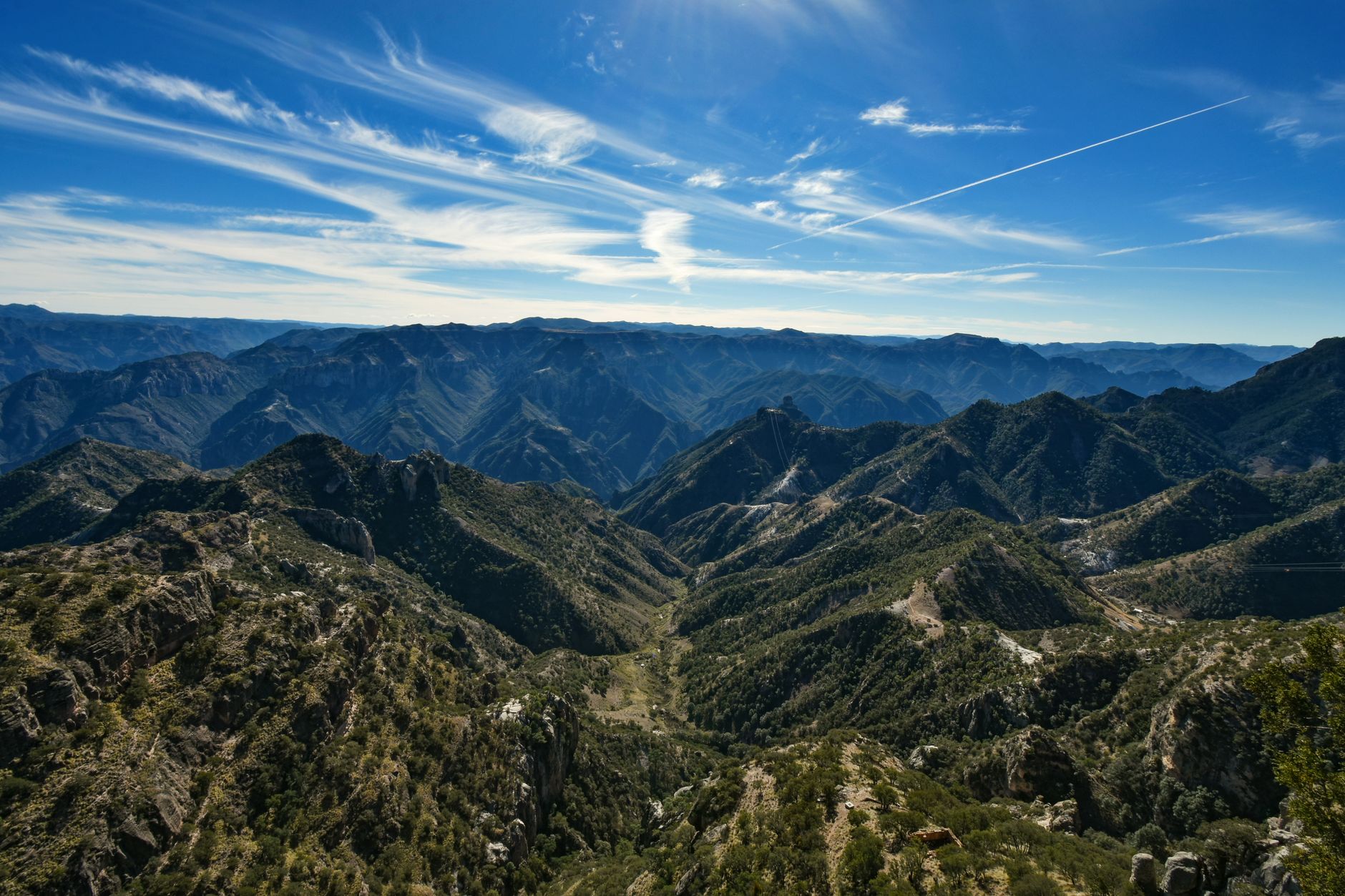
Copper Canyon (Sierra Tarahumara)
See guide →
Creel
Creel
See guide →
Victoria de Durango
Victoria de Durango
See guide →
Saltillo
Saltillo
See guide →
Parras de la Fuente
Parras de la Fuente
See guide →
Monterrey
Monterrey
See guide →
📍

The Bajío

11 destinations
Santiago de Querétaro
See guide →
Guanajuato
Guanajuato
See guide →
San Miguel de Allende
See guide →
Dolores Hidalgo
Dolores Hidalgo
See guide →
Morelia
Morelia
See guide →
Pátzcuaro
Pátzcuaro
See guide →
Zacatecas
Zacatecas
See guide →
Aguascalientes
Aguascalientes
See guide →
San Luis Potosí
San Luis Potosí
See guide →
Real de Catorce
Real de Catorce
See guide →
Las Pozas (Xilitla)
Las Pozas (Xilitla)
See guide →
📍

Central Mexico

10 destinations
Mexico City
Mexico City
See guide →
Teotihuacán (Archaeological Site)
See guide →
Toluca de Lerdo
Toluca de Lerdo
See guide →
Valle de Bravo
Valle de Bravo
See guide →
Cuernavaca
Cuernavaca
See guide →
Tepoztlán
Tepoztlán
See guide →
Puebla de Zaragoza
Puebla de Zaragoza
See guide →
Cholula (San Pedro Cholula)
See guide →
Pachuca de Soto
Pachuca de Soto
See guide →
Tlaxcala de Xicohténcatl
See guide →
📍

Pacific Coast

20 destinations
Guadalajara
Guadalajara
See guide →
San Pedro Tlaquepaque
See guide →
Tequila
Tequila
See guide →
Lake Chapala
Lake Chapala
See guide →
Puerto Vallarta
Puerto Vallarta
See guide →
Sayulita
Sayulita
See guide →
San Francisco (San Pancho)
See guide →
Mazatlán
Mazatlán
See guide →
Los Cabos
Los Cabos
See guide →
La Paz
La Paz
See guide →
Loreto
Loreto
See guide →
Manzanillo
Manzanillo
See guide →
Comala
Comala
See guide →
Zihuatanejo
Zihuatanejo
See guide →
Ixtapa
Ixtapa
See guide →
Acapulco de Juárez
Acapulco de Juárez
See guide →
Taxco de Alarcón
Taxco de Alarcón
See guide →
Puerto Escondido
Puerto Escondido
See guide →
Huatulco Bays
Huatulco Bays
See guide →
Mazunte
Mazunte
See guide →
📍

Gulf Coast

6 destinations
Veracruz
Veracruz
See guide →
Xalapa-Enríquez
Xalapa-Enríquez
See guide →
Coatepec
Coatepec
See guide →
El Tajín (Archaeological Site)
See guide →
Papantla de Olarte
Papantla de Olarte
See guide →
Villahermosa
Villahermosa
See guide →
📍

The South

9 destinations
Oaxaca de Juárez
Oaxaca de Juárez
See guide →
Monte Albán (Archaeological Site)
See guide →
Hierve el Agua
Hierve el Agua
See guide →
San Cristóbal de las Casas
See guide →
Tuxtla Gutiérrez
Tuxtla Gutiérrez
See guide →
Sumidero Canyon
Sumidero Canyon
See guide →
Palenque (Archaeological Site)
See guide →
Agua Azul Waterfalls
See guide →
Montebello Lakes
Montebello Lakes
See guide →
📍

Yucatán Peninsula

17 destinations
Cancún
Cancún
See guide →
Playa del Carmen
Playa del Carmen
See guide →
Tulum
Tulum
See guide →
Tulum (Archaeological Site)
See guide →
Isla Mujeres
Isla Mujeres
See guide →
Cozumel
Cozumel
See guide →
Holbox
Holbox
See guide →
Bacalar
Bacalar
See guide →
Mahahual
Mahahual
See guide →
Mérida
Mérida
See guide →
Valladolid
Valladolid
See guide →
Izamal
Izamal
See guide →
Chichén Itzá (Archaeological Site)
See guide →
Uxmal (Archaeological Site)
See guide →
Yucatán Cenotes
Yucatán Cenotes
See guide →
San Francisco de Campeche
See guide →
Calakmul (Archaeological Site)
See guide →

💡 Fun facts

Mexican cuisine was declared Intangible Cultural Heritage of Humanity by UNESCO.
Mexico is one of the countries with the most World Heritage Sites in all of the Americas.
Chocolate, tomatoes, corn and avocado all originate in Mesoamerica and spread to the rest of the world from here.
Day of the Dead, held on November 1 and 2, is one of the country's best-known traditions.
The Yucatán Peninsula is dotted with cenotes, freshwater wells that were sacred to the Maya.
It is one of the most megadiverse countries on the planet, with a huge range of ecosystems and species.
Sources

Where the data on Mexico comes from

These are the sources we cite most across this country's guides, with how many times each appears. Hard data —tickets, opening hours, requirements, transport— comes from the official source and carries the date we checked it. Restaurant and hotel picks come from guides and reviews, and we say so on each page.

Image credits
Photos from Wikimedia Commons, each under its own licence (CC BY, CC BY-SA or public domain). Open each file to see its author and licence.
Panoramica Paseo Del Rio · Punta Este Mexicali 2 · 1531 Nuestra Señora de Guadalupe anagoria · Entrada a la ciudad de Ensenada · Hermosillo Collage · Montaje de puerto peñasco · Lluvia de luces en la ciudad (5838590216) · TemploCristoRey · Panoramica plaza de armas Durango · Teatro GarciaCarrillo · Calle en Parras de la Fuente · Montage Monterey · Santiago de Querétaro Centro Financiero · GuanajuatoCollage · San Miguel de Allende Collage · Dolores Hidalgo Plaza · Catedral Metropolitana de Morelia, Michoacán · Patzcuaro-church · Zacatecas Plaza Mayor Catedral · Catedral de Aguascalientes, Aguascalientes, Aguascalientes · Catedral SLP cielo · Real de 14 · CelayaCollage · MX MM PANORÁMICAS DESFILE ZÓCALO · 2020-02-11 Teotihuacan la Avenida de los Muertos y la Pirá · Toluca a los pies del nevado · KioskValleBravo · Montaje de Cuernavaca · Montaje de Tepoztlán · Gran Pirámide de Cholula, Puebla, México, 2013-10-12, DD 1 · Tlaxcala1 · Catedral Guadalajra IMG 20211017 194154 · Nuestra Señora de la Soledad (Tlaquepaque) 3 · Tequila jalisco · Ajijic Malecon Sunset · Puerto Vallarta 071 · Sayulita Nightday (130982781) · San Francisco Bay ESA22014515 · MazatlánPanorámica · PlazaPrincipalCabos3 · +40