GO! Assistance has 50% off in October and, with our link, you get an extra 20%.
Pick origin, destination, dates and ages and see the price of your travel assistance in a minute.
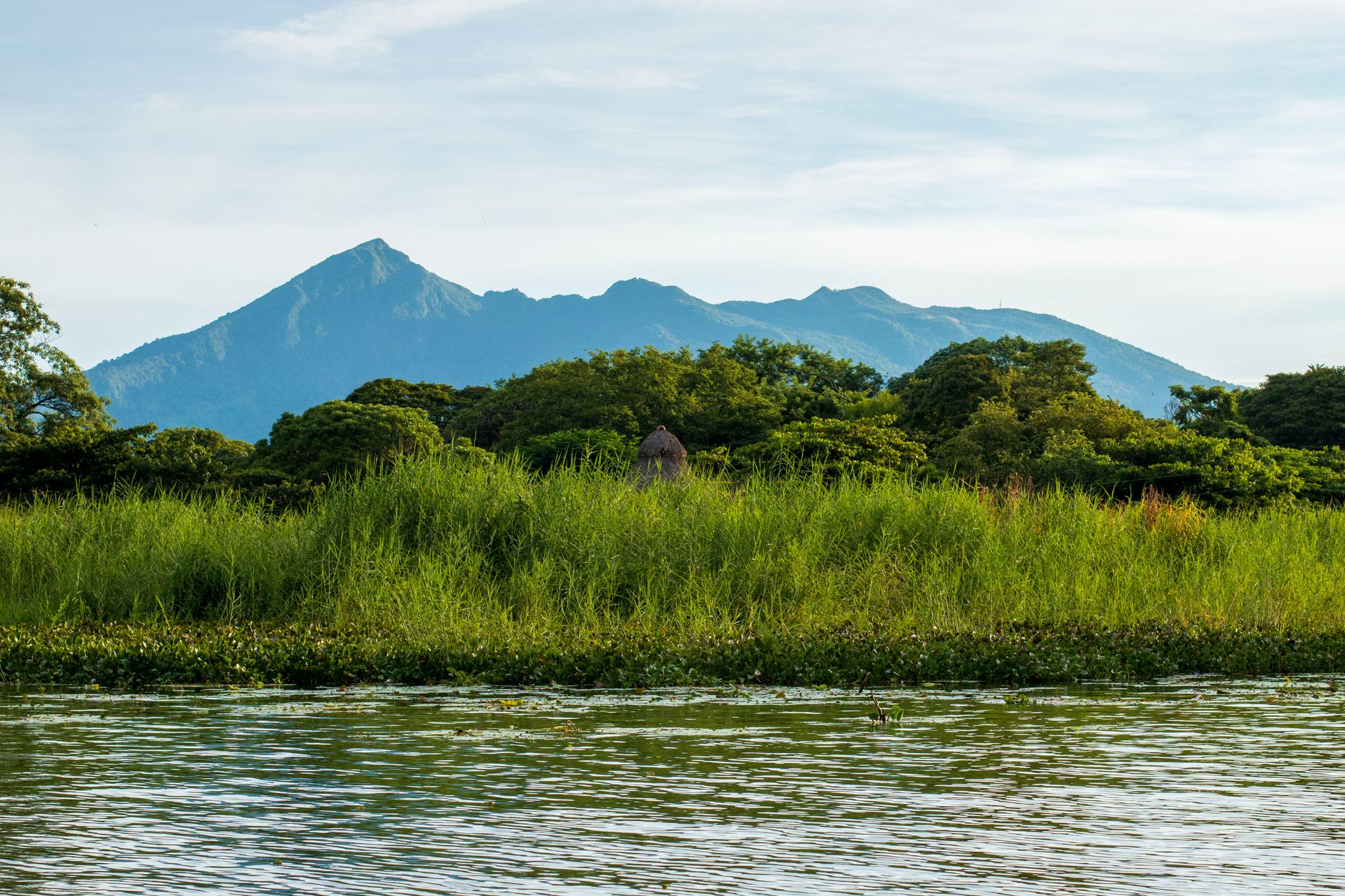
Nicaragua: The land of lakes and volcanoes: wander colonial Granada, feel the breeze off Lake Cocibolca, climb a smoking volcano and end the day facing the Pacific in San Juan del Sur.
Nicaragua is the land of lakes and volcanoes, and it is also the cheapest country in Central America. That combination is the whole argument. It is the largest country in the region, with a chain of volcanic cones down the Pacific side, two enormous lakes, painted colonial cities and surf beaches nobody has built a resort on yet. For a traveller who already knows Costa Rica, the comparison is the point: much the same volcanoes, crater lakes and Pacific swell, at a fraction of the price and with a fraction of the people. A hostel dorm bed costs US$7 to 14 and a plate of local food US$2 to 4 (verified July 2026).
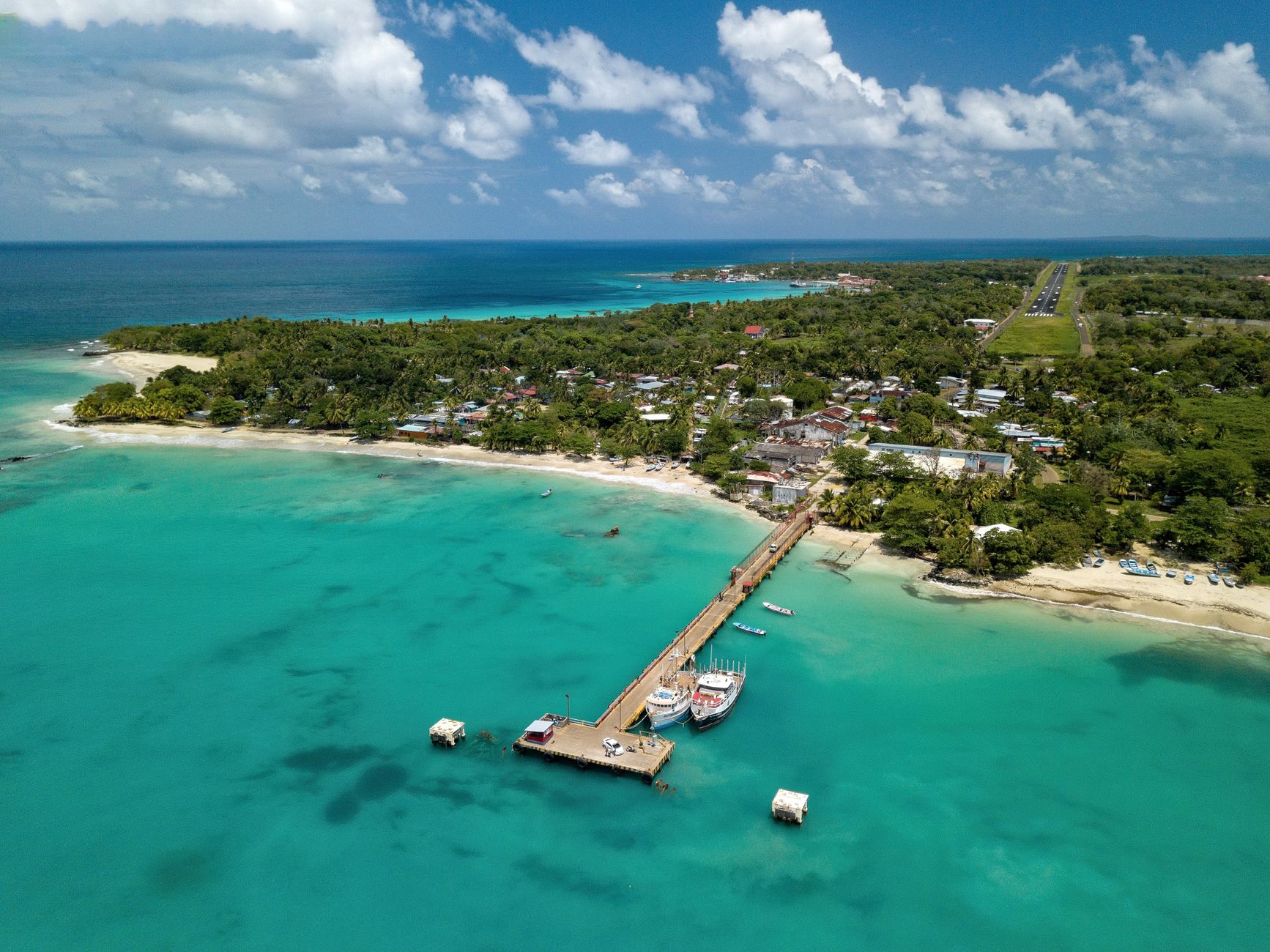
The heart of the trip is the Pacific side, and it is compact: colonial Granada on Lake Cocibolca, university-town Leon with its volcanoes, the surf and nightlife of San Juan del Sur, and Ometepe, an island made of two volcanoes rising straight out of the lake. Inland there are crater lagoons warm enough to swim in all day and coffee country around Matagalpa. The Caribbean side runs on a different clock: the Corn Islands have postcard water, cheap diving and a Creole culture where English, not Spanish, is the language of the street. Almost everything happens overland; the only trip that really needs a flight is the one across to the Caribbean.
What you take home is adventure that is cheap and unpackaged: boarding down the ash slope of an active volcano, looking into a crater with visible lava, surfing an empty point break. What you need to know before booking is the political context. Since the crisis of 2018 the situation has been tense, and a number of governments - among them the United States, the United Kingdom, Canada and Australia - maintain travel advisories covering arbitrary detention and heavy state control. Those advisories are revised regularly, so check your own government's current advice rather than relying on any guidebook, this one included. In day-to-day terms the tourist circuit runs normally, and the standard advice is to stay entirely clear of anything political.
Traveler tip: carry cash in córdobas for markets, buses and small towns, where cards and dollars aren't always accepted. It pays to have small bills in good condition: torn or badly worn dollars are often rejected. Exchange money at banks or official exchange houses and check the day's rate before you pay.
Full converter for NIO →The main gateway is Augusto C. Sandino International Airport (MGA) in Managua, the country's only major international airport. It receives flights from several Central American capitals, Mexico, Panama and connections with the United States. Airlines operating here include Avianca, Copa Airlines and American Airlines, along with regional connections. Domestic flights are scarce, so most transfers happen overland. The country is relatively compact and distances between the main tourist destinations are short. One exception is the Caribbean coast (such as Bluefields or Corn Island), where a small plane or boat makes the trip far quicker than the long overland routes. The cheapest way to get around is the bus: intercity buses (many of them the classic "chicken buses") link cities and towns for very low fares, while some express services and tourist shuttles offer more comfort between popular destinations. Within cities there are taxis (agree on the fare before getting in) and, in some areas, ride-hailing apps. For more flexibility, renting a car is also common.
The dry season, November to April, is the best window: clear skies, little rain, and the right conditions for volcanoes, beaches and hiking. November and December are particularly good, with the landscape still green from the rains. Conveniently for anyone travelling from North America or Europe, that dry season lines up almost exactly with the northern winter. The rainy season runs May to October, with heavy afternoon downpours rather than all-day rain, greener scenery, fewer people and lower prices. The Caribbean side is wetter year-round, and hurricane season there peaks between September and November - worth reflecting in flexible bookings and in what your insurance actually covers.
Surfers should think differently about the calendar: the Pacific has waves all year, but the biggest, most consistent swell arrives during the rainy season, roughly April to October. Nicaragua is hot almost everywhere and almost always, and Leon and the western lowlands are the most punishing; the highlands around Laguna de Apoyo, Matagalpa and Jinotega are noticeably cooler. High season is December and January plus Semana Santa, the week before Easter, when Nicaraguans take over the beaches and the country is effectively on holiday. Book ahead for those dates and expect full ferries to Ometepe.
Nicaraguan cooking is simple, filling and cheap. The national dish is gallo pinto, rice fried together with small red beans and eaten at breakfast with egg, fried cheese and sweet plantain; it is a cousin of the Costa Rican version, drier and cooked differently, and Nicaraguans will tell you at length that theirs came first. Beyond it: nacatamal, a large parcel of seasoned corn dough stuffed with pork and steamed in a banana leaf, traditionally a weekend breakfast; vigoron, boiled cassava topped with pork crackling and sharp cabbage slaw, served on a banana leaf and eaten with your hands; and quesillo, a soft white cheese rolled in a tortilla with cream and pickled onion. To drink, a natural fruit refresco, chicha made from fermented maize, or cacao with milk. The beers are Tona and Victoria, served very cold.
Reference prices (verified July 2026): a plate at a fritanga, the street grill stalls that set up in the evening, or at a local comedor costs US$2 to 4; a full lunch with meat, rice, beans and salad runs US$4 to 6; dinner at a tourist restaurant in Granada or San Juan del Sur is US$8 to 12. Eating at fritangas and markets is where the budget really works, and the food is usually better anyway. Do not drink the tap water; buy bottled or use a filter bottle. On tipping, this is not the United States: a 10% service charge, listed as propina voluntaria, is usually already printed on restaurant bills, so check before adding anything, and nothing like a 15 to 20% tip is expected.
On ordinary crime, Nicaragua is one of the calmer countries in Central America, with less violent robbery than several of its neighbours. The usual precautions still apply: keep valuables out of sight, avoid unlit streets at night, and agree taxi fares before getting in. The more significant issue is political rather than criminal. Since the 2018 crisis the country has been governed in an increasingly authoritarian way, and the United States, the United Kingdom, Canada and Australia all maintain travel advisories citing arbitrary detention, entry refusals and state surveillance. Those advisories are updated regularly and their level can change, so read your own government's current page - the State Department, the FCDO, Global Affairs Canada or Smartraveller - close to your departure date. The consistent practical advice is to avoid political conversation with strangers, stay away from demonstrations, and photograph no police, soldiers or government buildings.
For health: no vaccinations are compulsory, but hepatitis A and typhoid are commonly recommended, so see a travel clinic several weeks before you fly. Dengue is present in the lowlands, so use repellent. Tap water is not reliable anywhere in the country. Good medical care is private and concentrated in Managua, which matters on Ometepe, in the northern highlands and on the Caribbean coast, where facilities are basic and reaching a hospital takes hours. Take travel insurance that genuinely covers treatment abroad, and add medical evacuation for the islands or anywhere remote - domestic health cover from the US, Canada, the UK or Australia typically does not follow you overseas. Emergency numbers: 118 for the National Police and 128 for the fire service and Red Cross (verified July 2026).
Nicaragua is the cheapest country in Central America and one of the cheapest in the Americas, comparable to Guatemala or slightly below it. Budget roughly US$25 to 35 a day as a backpacker, US$45 to 60 for mid-range travel, and from US$80 for real comfort. Concrete figures (verified July 2026): a hostel dorm bed US$7 to 14, a simple private room US$18 to 30, a plate of local food US$2 to 4, a beer US$1 to 1.50. If you have travelled in Costa Rica, run those numbers against what you paid there for a comparable volcano, beach and dorm bed; the gap is the single strongest reason to come.
Transport costs very little. A chicken bus between towns - a retired North American school bus, repainted, and the backbone of the network - costs under US$2, while door-to-door tourist shuttles between popular destinations run US$15 to 30 and save real time. The ferry to Ometepe is about US$3 to 5, and volcano boarding at Cerro Negro through an agency US$30 to 35. Two things to add that catch people out: the tourist card of around US$10, paid in cash on arrival, and the flight to the Corn Islands, the one genuinely expensive domestic movement in the country. Adventure tours and shuttles are what inflate a Nicaragua budget, not daily living. These are reference values, not fixed prices.
The everyday language is Spanish, and outside hotels, hostels and tour agencies you should not count on English: in markets, on buses and in small towns a phrasebook or a translation app earns its keep. Granada, San Juan del Sur and Ometepe are the easiest places to manage without Spanish. The Caribbean coast is the exception and a genuine surprise - on the Corn Islands and around Bluefields, Creole English is a first language, alongside Indigenous languages such as Miskito, and you can hold a whole conversation without a word of Spanish. Nicaraguans are warm, talkative and fond of a sly joke. One sensitive area: avoid discussing politics or the government with people you do not know. Haggling is normal in craft markets and not in comedores.
Practical details: plugs are type A and B at 120 V, 60 Hz, exactly as in the United States and Canada, so North American chargers work with no adapter at all, while British, Irish, Australian and European travellers need both an adapter and a device that handles 120 V. Driving is on the right. For connectivity, buy a local Claro or Tigo SIM with your passport at the airport or any phone shop - it costs very little and beats roaming - with good coverage on the Pacific side and patchy coverage on the Caribbean coast and in rural areas. Two pieces of advice from people who have been: always carry cordobas in cash and in small denominations, and if you pay in US dollars use crisp, unmarked bills, because torn or heavily worn notes are routinely refused.
The history of Nicaragua is the history of a land of lakes and volcanoes that served as a bridge between two seas and two worlds. Before the conquest, the west of the country was a mosaic of Mesoamerican peoples — Chorotegas or Mangues, Nahuatl-speaking Nicaraos and Maribios — who grew maize, beans and cacao on the shores of the great Lake Cocibolca, while the Caribbean east, covered in rainforest, was the domain of the Miskitos, Mayangnas and Ramas, of Chibcha and South American descent. The Acahualinca footprints, pressed into volcanic mud beside Lake Xolotlán some 2,100 years ago, are the oldest evidence of that human presence. In 1524 Francisco Hernández de Córdoba founded Granada and León, the two mother cities that would forever shape the life — and the wars — of the country.
From the clash between liberal León and conservative Granada a turbulent nation was born: independent since 1821, crossed in the mid-19th century by Cornelius Vanderbilt's coveted 'transit route', invaded by the filibuster William Walker in 1856, occupied by United States Marines between 1912 and 1933, and shaken by the guerrilla war of Augusto César Sandino, the long Somoza dictatorship (1937-1979), the Sandinista Revolution and the Contra war of the 1980s.
Read the full history of Nicaragua →Pick a region and open each destination to see what to do, prices and how to get there.
These are the sources we cite most across this country's guides, with how many times each appears. Hard data —tickets, opening hours, requirements, transport— comes from the official source and carries the date we checked it. Restaurant and hotel picks come from guides and reviews, and we say so on each page.
I have never been left without internet on a trip. I land and my phone connects to the strongest network in the country I am visiting: I can let people know I arrived, sort out transport, book tours and keep posting content at a super affordable price (really cheap!). I always use the Maya Mobile eSIM, check out its plans by clicking the banner. See Maya Mobile plans →
Affiliate link: we earn a commission.