GO! Assistance has 50% off in October and, with our link, you get an extra 20%.
Pick origin, destination, dates and ages and see the price of your travel assistance in a minute.
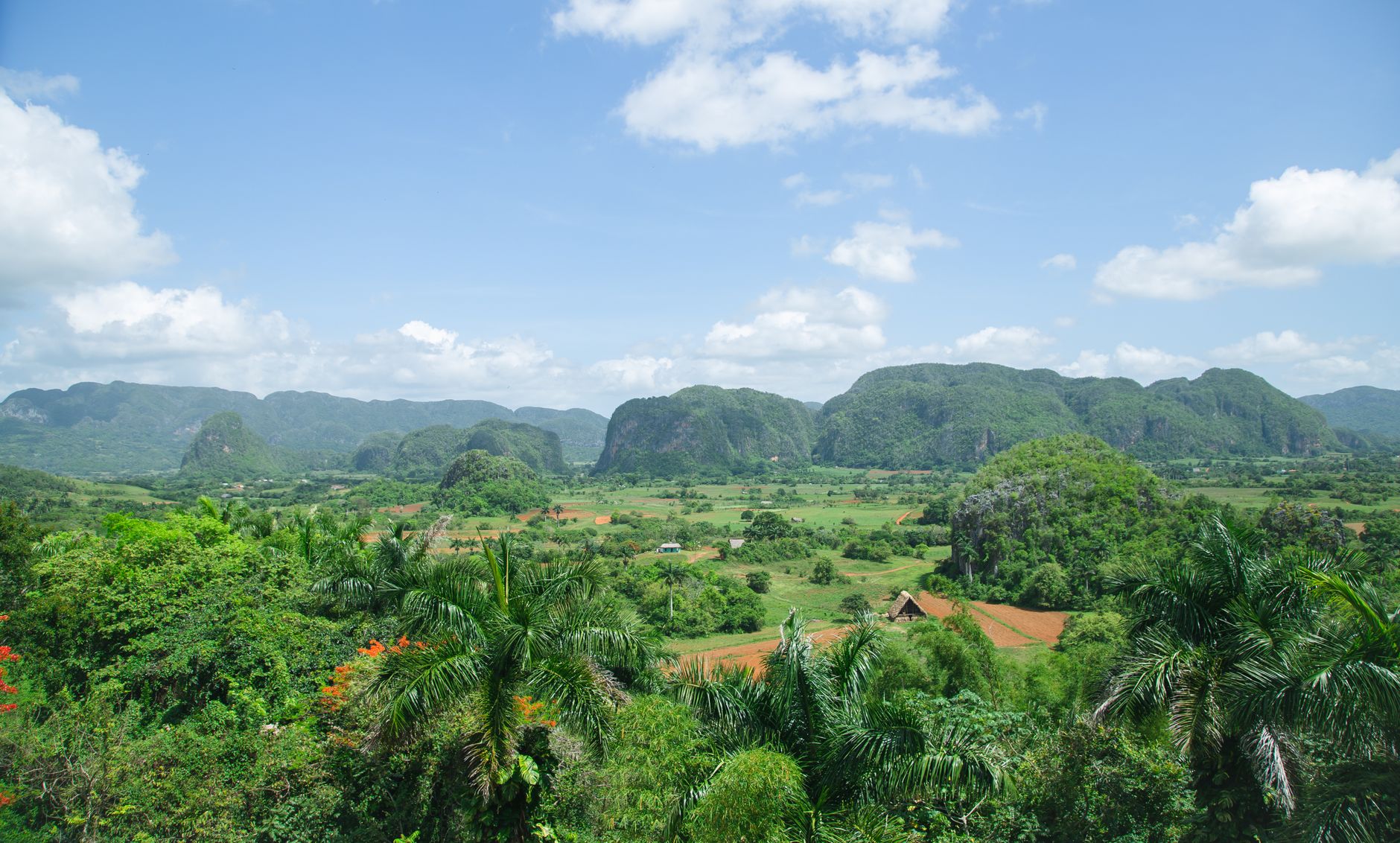
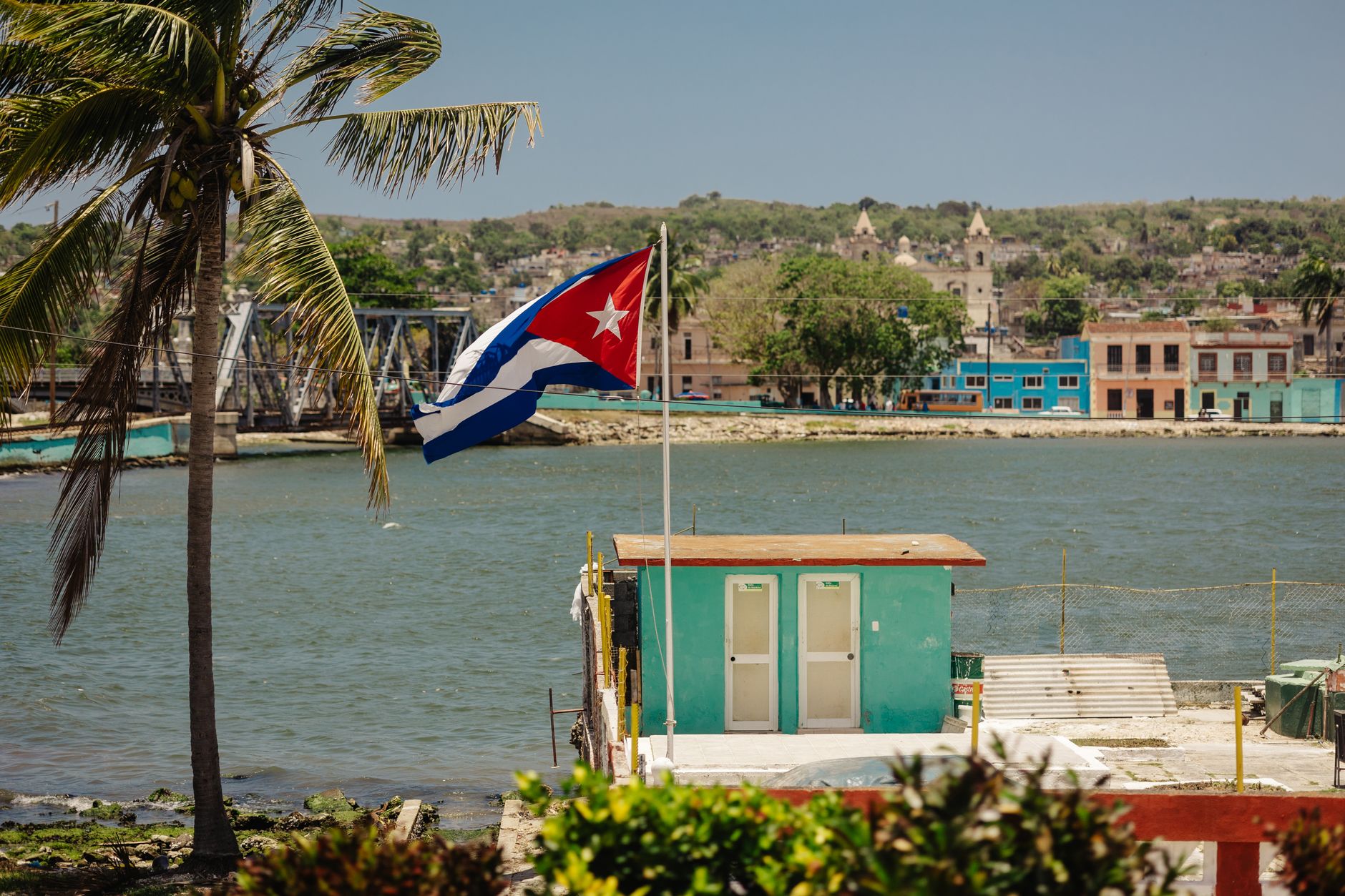
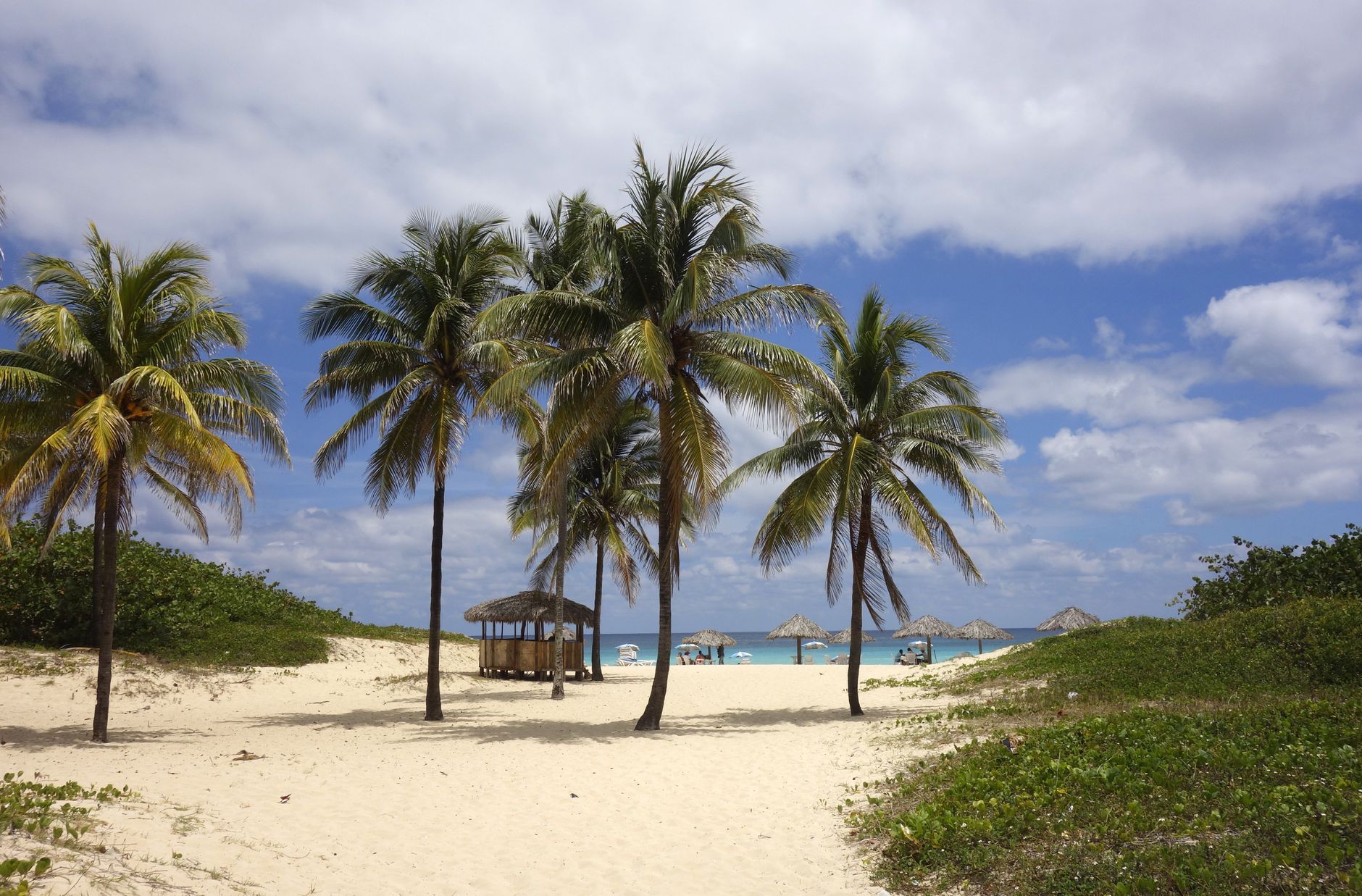
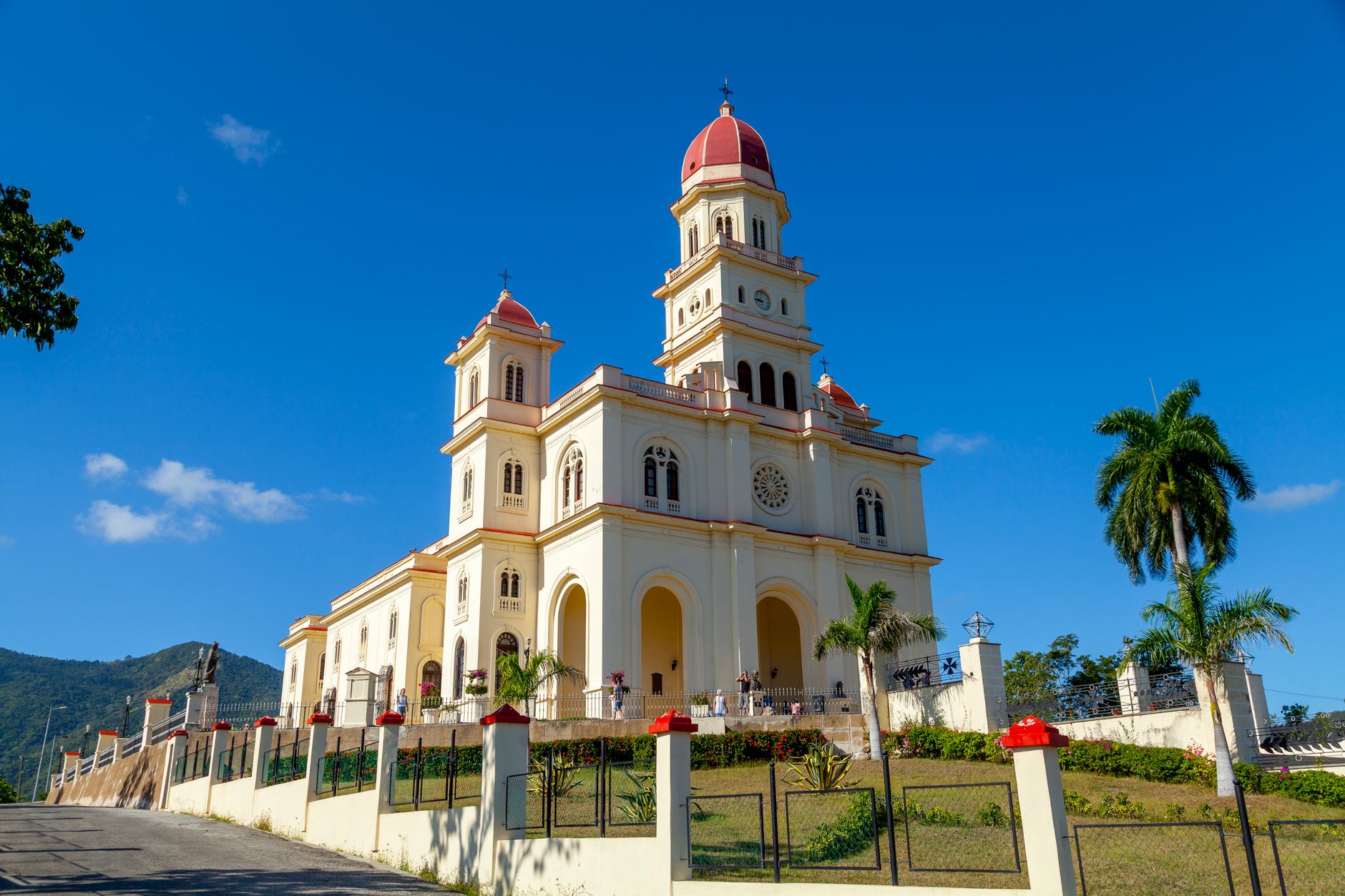
Cuba: The island of son and mojitos: classic cars cruising along the Malecón, colonial fortresses in Old Havana, turquoise beaches in Varadero and the tobacco valleys of Viñales. A destination to feel, not just to visit.
Cuba is a destination you feel rather than simply visit. The largest island in the Caribbean pulls you in with 1950s American cars rumbling along Havana's Malecon seafront, music spilling out of doorways at every hour, the colonial fortresses of Old Havana, the tobacco valleys of Vinales and long beaches of white sand and turquoise water. It is a trip into a way of life that runs on entirely different rules, with enormous warmth and a deep, living culture, and also with real material shortages that are worth understanding before you go.
Before anything else, one point that depends on your citizenship. If you are a US citizen or resident, or paying through a US bank, your trip is governed by US regulations as well as Cuban ones: it has to fall within one of the general licence categories authorised by the US government, and plain tourism is not one of them. Most independent travellers use the Support for the Cuban People category, which means sleeping in privately run casas particulares, eating in private paladares and keeping records of what you did. Just as important, credit and debit cards issued by US banks do not work anywhere on the island, so Americans have to carry the entire cost of the trip in cash. Those rules are set in Washington and change with the political weather, so the current US Treasury and State Department guidance is the only version that counts. For Canadian, British, Irish, Australian and EU travellers none of it applies: Cuba is an ordinary holiday destination, sold as package trips from Toronto, Montreal, London, Dublin and Madrid. Their one caveat is that visiting Cuba complicates a later trip to the United States, which is explained in the questions below.
The country is travelled from west to east. Havana is the gateway and the cultural heart; Vinales and Pinar del Rio hold the tobacco country; Varadero is the beach; Cienfuegos and Trinidad make up the colonial centre; and the deep east has Santiago de Cuba and remote Baracoa. You move between cities on the Viazul tourist bus network or in shared collective taxis, and you sleep in a casa particular, a licensed room in a family home that predates Airbnb here by decades and is still the best way to travel the island. The best of Cuba is its people and its music; what you have to accept is scarcity, meaning power cuts, empty shelves, queues and an economy under permanent strain. Travel with patience, cash and realistic expectations and it rewards you.
Traveler's tip: in Cuba foreign cards don't always work and several exchange rates are in circulation, so it's best to bring cash (euros or US dollars are ideal) and change it at official exchange houses or trusted places. Avoid changing money on the street and always check the day's rate before closing any transaction.
Full converter for CUP →The main point of entry is José Martí International Airport (HAV) in Havana, which handles most international flights. Other important airports are Varadero (VRA), heavily used by beach tourism, along with Santiago de Cuba (SCU), Holguín (HOG) and Cayo Coco (CCC). The flag carrier is Cubana de Aviación, and the island also receives flights from several regional and international airlines connecting with Europe, Latin America and the Caribbean. Domestic flights between cities run on limited schedules, so it's wise to book them well in advance. To get around by land, the most comfortable option for tourists is the Víazul bus network, which links the main cities and destinations with regular services. There are also shared collective taxis between cities and, within the cities, private taxis, the classic almendrones (shared vintage cars) and, in some areas, bicycle taxis and horse-drawn carriages. Ride-hailing apps have limited coverage, so you'll often negotiate the fare directly with the driver.
The best window is the dry season, November to April: pleasant temperatures, little rain and lower humidity. That is also high season, especially between December and March and over Easter, when the resorts fill with Canadian and European visitors escaping winter, and prices and occupancy climb. If you travel then, book casas particulares and Viazul buses in advance rather than arranging them on the day, because a full bus stays full and there is rarely an extra service laid on.
The wet season runs May to October, with heavy heat, high humidity and tropical downpours that are usually short. The thing to plan around is the Caribbean hurricane season, June to November, peaking between August and October, so if you travel then follow the forecast and choose flexible bookings. In exchange you get fewer people and better prices. One event worth timing a trip around is the Santiago de Cuba carnival in July, an enormous street festival of drumming and conga lines, if you can handle the temperature that month.
Cuban cooking is tasty and unfussy rather than elaborate. The national dish is ropa vieja, beef stewed slowly until it shreds, in a tomato and pepper sauce. The other staples are congri, also called moros y cristianos, rice cooked together with black beans; roast pork; tostones, green plantain sliced, fried, flattened and fried again; and yuca con mojo, boiled cassava root under a garlic and sour-orange dressing. The best breakfast and dinner of your trip will almost certainly be cooked in a casa particular, with tropical fruit, fresh fish and lobster at prices unthinkable at home. The flip side is that shortages limit the choice: the menu is whatever the household managed to buy that day.
For drinking, this is the home of rum and of three cocktails the world borrowed from it: the mojito, the daiquiri and the Cuba Libre. A meal in a paladar, a privately run restaurant in someone's house, runs about 8 to 15 USD, and lobster with sides costs 12 to 20 USD (verified July 2026). Eat in casas particulares and private paladares rather than state-run restaurants, where the cooking is generally worse. One note for anyone used to paying by card: bring cash to every meal, and tip in cash too, because a tip line on a receipt is not how this works here.
Cuba has one of the lowest rates of violent crime in Latin America and attacks on tourists are rare. What you will meet instead is petty theft, overcharging and jineteros, freelance hustlers who approach you in the street offering cigars, a room or a taxi and take a cut of everything. Agree every price before you get in the car or sit down, and buy cigars in an official shop rather than from a man whose cousin works at the factory. The real difficulty here is not danger but scarcity: frequent power cuts, missing medicines and everyday goods, and queues. Bring what you need from home, including any medication, a torch, a power bank and basic toiletries.
Travel medical insurance is a mandatory condition of entry and you can be asked for proof at the airport, so it is not a box you can skip. It matters more than the usual reminder: standard US health plans and Medicare do not cover you in Cuba at all, and many US-issued travel policies exclude the country outright, so check that yours names Cuba before you buy. Foreign visitors are treated at international clinics that charge in hard currency. No vaccinations are required. Do not drink the tap water: use bottled or boiled water for drinking and for brushing your teeth. Emergency numbers are 106 for police, 104 for ambulance (SIUM) and 105 for fire (verified July 2026).
Cuba can be cheap or expensive depending entirely on how you travel it. Staying in casas particulares and eating local food, a backpacker gets by on around 40 to 60 USD a day, a mid-range budget lands between 60 and 90 USD, and the all-inclusive resorts of Varadero and the cays cost a great deal more (verified July 2026). The decisive issue is not the daily rate but the cash. Foreign cards barely function here and cards issued by US banks do not function at all, so Americans arrive carrying every dollar of the trip in banknotes, with no ATM fallback. Bring euros or US dollars in clean notes, change them in small amounts at official exchange houses or through a trusted host rather than in the street, and check the day's rate first.
Reference figures (July 2026): a room in a casa particular costs 20 to 35 USD a night, often for two people; a meal in a private paladar 8 to 15 USD; a long-distance Viazul bus such as Havana to Trinidad 20 to 35 USD; and the tourist card you need to enter costs 50 to 100 USD depending on where you buy it. Bring appreciably more cash than you expect to spend, because there is no comfortable way to withdraw money once you are there, and what ruins trips to Cuba is not overspending but running out.
The language is Spanish, spoken fast with a Caribbean accent that swallows final consonants and runs on slang. English is spoken in tourist areas and almost nowhere else, which makes Cuba noticeably harder for a monolingual English speaker than Mexico, the Dominican Republic or Puerto Rico. Learn a few basic phrases and download an offline translation pack before you fly, because you cannot count on data to look things up. Cubans are outgoing and extremely hospitable, and music and dance are part of daily life rather than a show for visitors. Be thoughtful about political conversation: the risk of a careless public argument falls on your host, not on you. Bringing useful items to give away, such as toiletries, medicines or clothes, is genuinely appreciated.
Practical details. Power is mainly 110 V with type A and C sockets, although some places run 220 V, so North American plugs and devices generally work as they do at home while British, Irish, Australian and most European travellers need an adapter. Cuba drives on the right. Connectivity is poor and expensive: the internet works through wifi hotspots in squares and hotels using prepaid cards from ETECSA, the state telecoms company, plus tourist eSIMs best bought before you travel. Most US mobile plans do not roam here at all. Download offline maps before you leave, tell family you will be hard to reach for a while, and accept that Cuban time runs at its own pace.
The history of Cuba is the history of the largest island in the Caribbean, an archipelago more than a thousand kilometers long, peopled for millennia by the Taíno, Ciboney and Guanahatabey, sighted by Christopher Columbus on October 27, 1492 and turned for four centuries into the 'key to the New World'. Set at the very mouth of the Gulf of Mexico, Cuba was the obligatory stop between Spain and its American dominions, the great port through which the fleets laden with silver passed on their way to Seville, and the heart of a sugar economy built on the labor of close to a million enslaved Africans. Out of that forced mixture of Indigenous people, Spaniards and Africans came a unique mestizo culture, with its own music, its syncretic religion and its own way of speaking, which we recognize today in son, rumba, santería and the singsong speech of Cubans.
Cuba was the last great Spanish colony in the Americas, on the mainland and in the islands alike, and the one that paid the highest price for its independence: two bloody wars in the nineteenth century —the Ten Years' War (1868-1878), begun by Carlos Manuel de Céspedes with the Grito de Yara, and the decisive war of 1895 organized by José Martí—, the death in combat of Martí himself at Dos Ríos, and the United States intervention of 1898, which snatched from the mambises the fruit of their victory and left the island under tutelage until 1902. The young Republic was born weighed down by the Platt Amendment, which authorized Washington to intervene in Cuban affairs and to keep the Guantánamo naval base in perpetuity.
Read the full history of Cuba →Pick a region and open each destination to see what to do, prices and how to get there.
These are the sources we cite most across this country's guides, with how many times each appears. Hard data —tickets, opening hours, requirements, transport— comes from the official source and carries the date we checked it. Restaurant and hotel picks come from guides and reviews, and we say so on each page.
I have never been left without internet on a trip. I land and my phone connects to the strongest network in the country I am visiting: I can let people know I arrived, sort out transport, book tours and keep posting content at a super affordable price (really cheap!). I always use the Maya Mobile eSIM, check out its plans by clicking the banner. See Maya Mobile plans →
Affiliate link: we earn a commission.