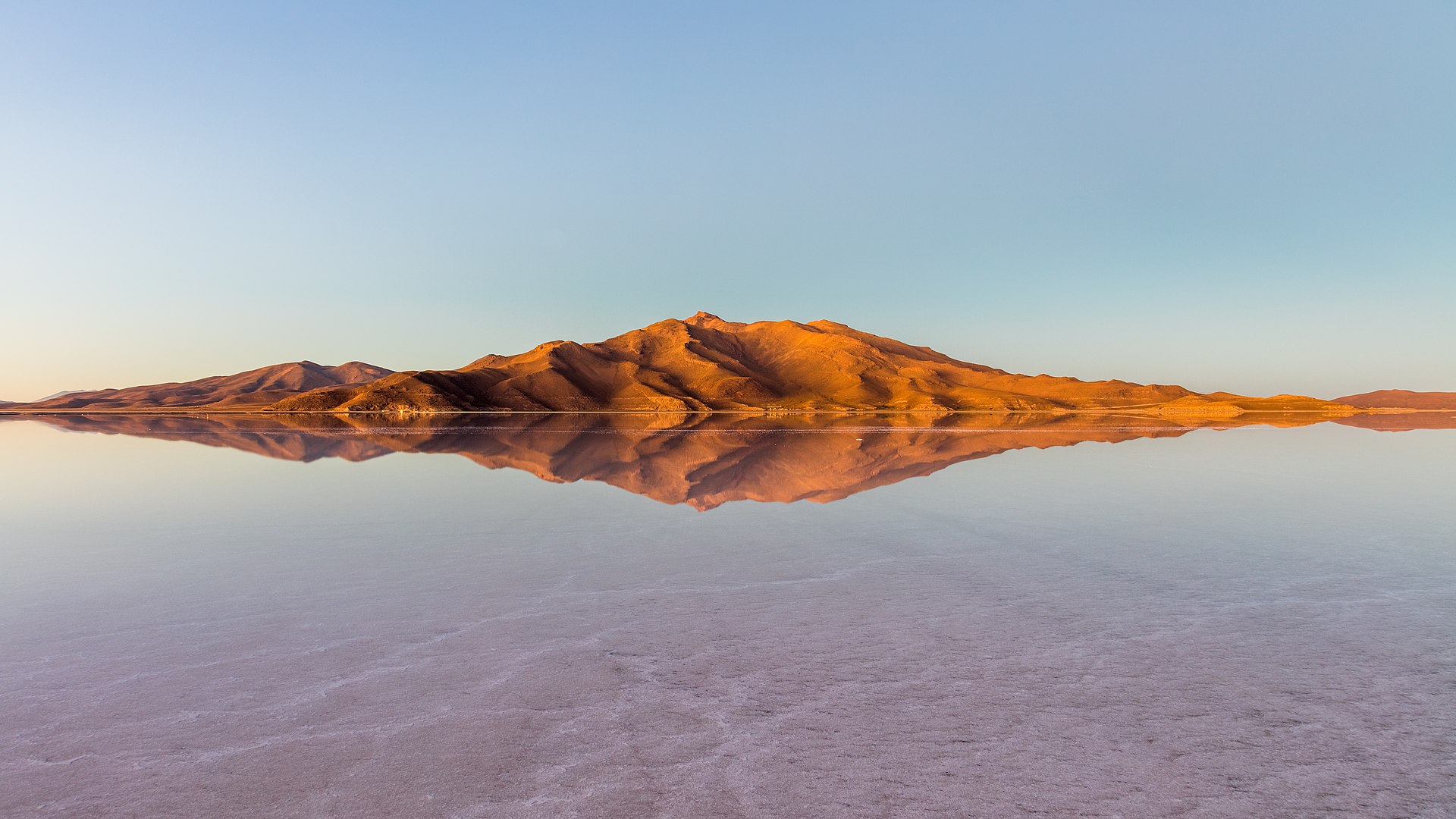
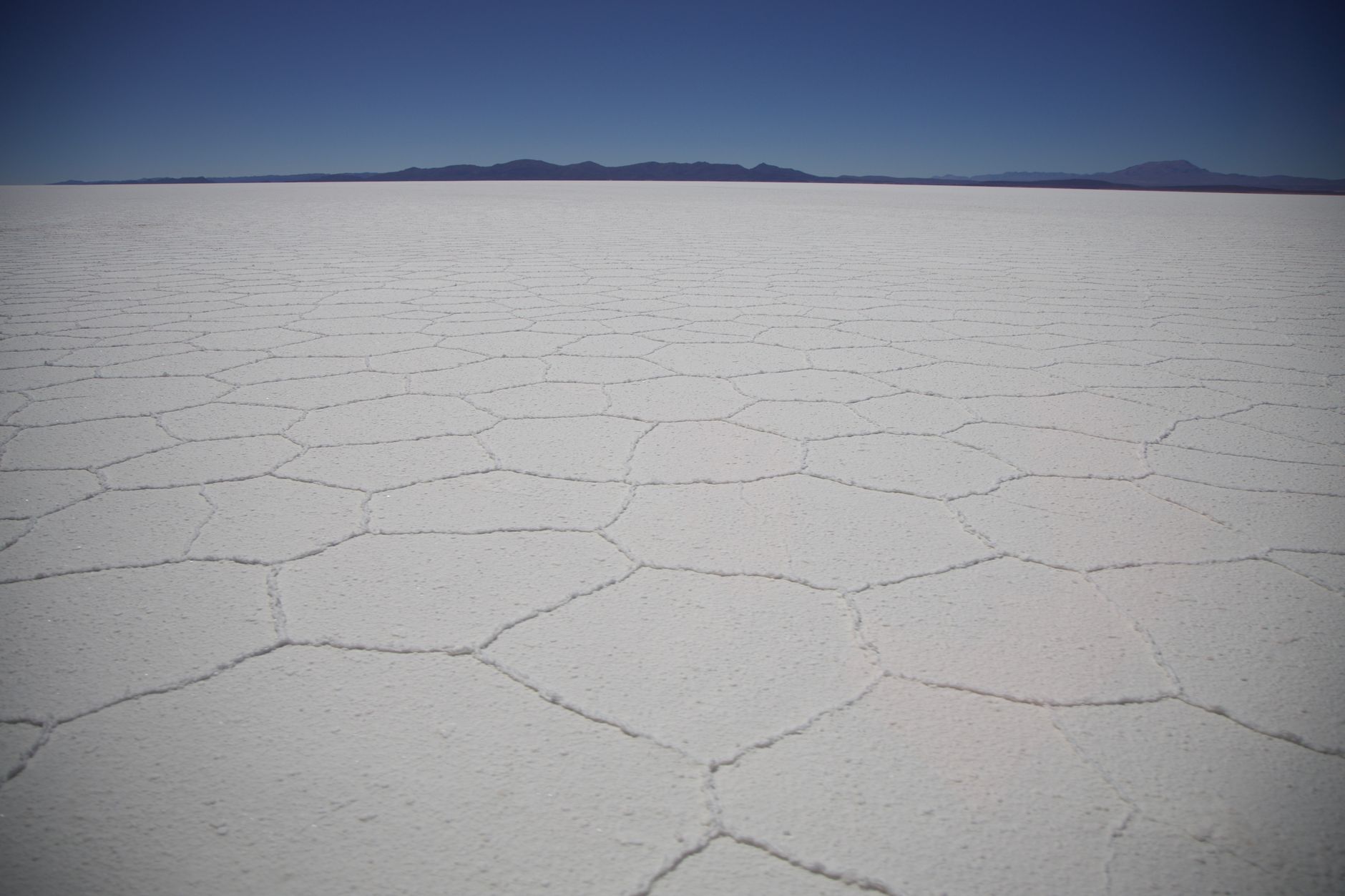
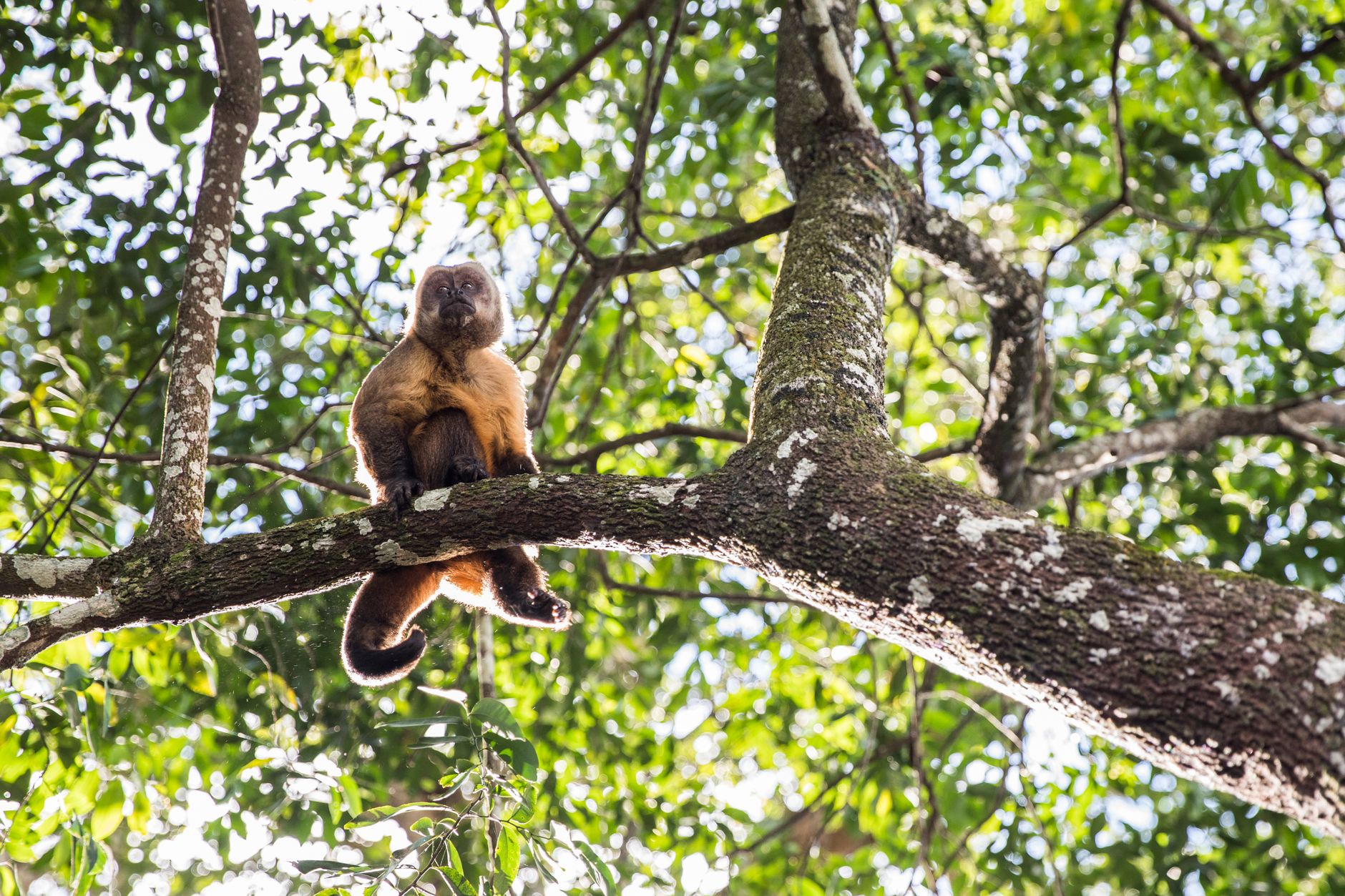
The Andean heart of South America: the endless Salar de Uyuni, Lake Titicaca, the dizzying altitude of La Paz and the Amazon rainforest. A country of contrasts that blends Aymara and Quechua tradition with landscapes that look like another planet.
Bolivia is the most Andean and most authentic country in South America, a destination that looks like another planet: the endless Salar de Uyuni that turns into a mirror, sacred Lake Titicaca, La Paz hanging between mountains at over 3,600 metres and the Amazon rainforest in the north. It is a country of altitude in every sense, with a living, ever-present Aymara and Quechua Indigenous culture, some of the lowest prices in the region and landscapes among the most striking on the continent.
Most of the trip is concentrated in the western altiplano: La Paz as a base, Titicaca (Copacabana, Isla del Sol), the southern salt flats and deserts (Uyuni, Potosí, Tupiza) and the temperate central valleys (Sucre, Cochabamba). The tropical east (Santa Cruz, the Amazon around Rurrenabaque and Madidi) is another, warmer and greener Bolivia that many travellers add on as a leg of the trip. Almost everything is done by bus: cheap, but slow because of the mountain geography.
The best thing about Bolivia is the feeling of being somewhere genuine, not overrun by crowds and brutally beautiful, at very friendly prices. What catches you off guard (and sometimes wears you down) is the altitude, which you feel right away, and how informal some services are; but that rough edge is exactly what makes it unforgettable.
The local currency is the boliviano (BOB). It is worth carrying cash in dollars or euros and changing it at exchange offices in the big cities, because outside urban centres there are few ATMs and many businesses do not take cards. Tip: always ask for small notes, since markets, buses and villages rarely have change for big ones.
Full converter for BOB →The main international airports are El Alto International Airport (LPB) in La Paz, one of the highest in the world at over 4,000 metres; Viru Viru International Airport (VVI) in Santa Cruz de la Sierra, the busiest in the country; and Jorge Wilstermann International Airport (CBB) in Cochabamba. Most international and connecting flights go through these hubs. The flag carrier is Boliviana de Aviación (BoA), which covers most domestic routes; regional airlines also link smaller cities and airstrips. Domestic flights are the fastest way to cover the long distances and the abrupt changes in altitude, especially between the altiplano and the lowlands. The bus is the most used and cheapest way to travel between cities, with fully and partly reclining seats on long routes; bear in mind that some mountain stretches are slow and winding. Within cities you will find taxis and the classic minibuses and trufis (shared taxis). In La Paz and other big cities there are ride-hailing apps and radio taxis; agree the fare beforehand, or book by app or phone, for extra safety. La Paz also has Mi Teleférico, a very handy urban cable-car network with spectacular views.
The best time to travel to Bolivia is the dry season, May to October (the Andean winter), with sunny days, clear skies and very cold nights on the altiplano. It is the ideal season for La Paz, Titicaca, Potosí and the mountain routes, and the most popular among travellers. June to August are the busiest months and also the coldest at night, with sub-zero temperatures in the highlands and on the Salar, so pack serious warm clothes.
The rainy season runs from November to March, with heavy afternoon downpours and some tricky roads. But there is a key detail here: it is precisely when the Salar de Uyuni fills with water and produces the famous mirror effect, the most sought-after image in the country. So for a dry, drivable Uyuni go in the dry season; for the mirror, go in the wet one (January to March). If you want a middle ground, April and November are interesting shoulder months.
Bolivian food is hearty and cheap. Try salteñas (juicy mid-morning empanadas), pique macho (a huge sharing plate of beef, sausage, chips, egg and locoto chilli), silpancho from Cochabamba, peanut soup and, on the altiplano, dishes with llama or Titicaca trout. On the street, anticuchos (beef-heart skewers) and tucumanas. Potatoes, of which Bolivia has hundreds of varieties, and chuño (freeze-dried potato) are everywhere.
It is one of the cheapest countries in South America to eat in: a full set lunch of the day costs 2 to 4 USD in any market or diner, and a meal at a mid-range restaurant runs about 6 to 12 USD (verified July 2026). To drink, fruit juices, api con pastel (a hot purple-corn drink for a cold breakfast) and, for altitude sickness, the classic coca tea. Markets (like the ones in Cochabamba or Sucre) are the best place to eat well, cheaply and authentically.
Bolivia is, broadly speaking, one of the safest countries in South America for travellers in terms of violence, with a calm atmosphere along the tourist circuits. The main risks are petty crime: pickpocketing in markets and bus terminals, and well-known scams such as fake police officers or unlicensed taxis, especially in La Paz. The precautions: use radio taxis or apps instead of hailing taxis on the street, do not accept 'help' from strangers or get into shared taxis with them, and keep an eye on your belongings on public transport. If there are roadblocks or protests (frequent in the country), stay away from the area and wait, because roads can be cut off.
The big health issue is altitude: La Paz, Potosí, Uyuni and the altiplano sit above 3,600-4,000 metres, and soroche (altitude sickness) is real. Arrive slowly, rest on the first day, drink plenty of water, eat light and help yourself with coca tea; if you are coming from sea level, consider starting in a lower city such as Santa Cruz or Sucre. No vaccine is compulsory, but for the Amazon the yellow fever jab is recommended, along with precautions against dengue and malaria. Tap water is not drinkable: stick to bottled. Take out travel insurance that covers high altitude. The police emergency number is 110 and the ambulance number is 118 (verified July 2026).
Bolivia is the cheapest country in South America to travel in, a backpacker's paradise. A backpacker manages on around 25 to 40 USD a day, a mid-range budget runs 45 to 70 USD, and that gets you a pretty comfortable trip (verified July 2026). The one big expense is usually the 3-day Salar de Uyuni tour, which costs between 150 and 280 USD per person all-inclusive (transport, meals and basic accommodation).
For reference (July 2026): a hostel dorm bed costs 6 to 12 USD; the set lunch of the day, 2 to 4 USD; a meal at a mid-range restaurant, 6 to 12 USD; a city transport ticket (bus or cable car), around 0.40 USD; and long-distance buses are dirt cheap (La Paz-Uyuni, for example, runs 8 to 15 USD, often overnight). It is worth bringing dollars in cash to change, because outside the big cities there are few ATMs and many businesses do not take cards. Always ask for small notes.
The official language is Spanish, but Bolivia is deeply plurinational: Quechua, Aymara and Guaraní are also spoken, and on the altiplano many older people are more fluent in their Indigenous language. Spanish will get you around the whole country; English will not take you far beyond hotels and agencies. Indigenous culture is the heart of Bolivia: the cholitas with their pollera skirts and bowler hats, the offerings to Pachamama and festivals such as the Oruro Carnival (a World Heritage tradition) are part of daily life. Respect and patience go a long way; ask permission before photographing people.
Power is 220 V (still 110 V in some areas), with type A and C sockets, so bring an adapter and check the voltage before plugging in anything delicate. Connectivity is decent in the cities: you can buy a prepaid SIM from Entel, Tigo or Viva by showing your passport, or use an eSIM. A tip from someone who has been there: always build slack into your plans, because roadblocks and delays are part of travelling in Bolivia; take it easy, it is part of the experience.
The history of Bolivia is that of an Andean and Amazonian heartland where some of the oldest civilizations in the Americas were born. On the altiplano, beside Lake Titicaca, Tiwanaku flourished more than a thousand years before the Incas; in its mountains, the Cerro Rico of Potosí produced the silver that financed the Spanish Empire and drove the world economy for almost three centuries. It is a country of extreme geographical contrasts: its borders enclose snow-capped summits of more than 6,000 meters, the highest permanently inhabited plateau in the world, temperate valleys with a Mediterranean climate, the arid Chaco and an immense Amazon of savannas and rainforest. That physical diversity is matched by an equally deep human diversity, that of a State whose Constitution today recognizes thirty-six nations and peoples.
Out of that past of splendor and exploitation there emerged, after the wars of independence led by Simón Bolívar and marshal Antonio José de Sucre, the Republic of Bolívar —later Bolivia—, proclaimed on August 6, 1825 and named in honor of the Liberator. The almost two centuries that followed were ones of lost territory and of a rediscovered identity: Bolivia ceased to have a sea in the War of the Pacific (1879), bled in the Chaco War (1932-1935) against Paraguay, lived through the National Revolution of April 9, 1952 —which brought universal suffrage, the nationalization of the mines and land reform— and endured almost two decades of military dictatorships between 1964 and 1982.
Read the full history of Bolivia →Pick a region and open each destination to see what to do, prices and how to get there.
These are the sources we cite most across this country's guides, with how many times each appears. Hard data —tickets, opening hours, requirements, transport— comes from the official source and carries the date we checked it. Restaurant and hotel picks come from guides and reviews, and we say so on each page.