Viajá con Gus
HomeUnited StatesMaui
Maui
🇺🇸 United States · Hawaii

Maui

Jump to what you need
📌State
Hawaii (United States). Maui is the second largest island in the Hawaiian archipelago, known as 'The Valley Isle', in the middle of the state.
📌Best time to go
All year round thanks to its tropical climate. April to May and September to October usually have good weather and fewer people. Winter (December to March) is the season for spotting humpback whales off the coast. Summer and the year-end holidays are high season.
📌Suggested days
4 to 7 days to enjoy the beaches, drive the road to Hana, climb the Haleakala volcano at sunrise, snorkel and tour the west and south coasts.
📌Currency
U.S. dollar (USD). Cards accepted everywhere; budget for tips (15-20%) and taxes. Renting a car is essential.
📌Getting there
By air to Kahului Airport (OGG), with direct flights from the U.S. west coast (5–6 h) and inter-island flights from Honolulu (30 min).
📌Language
English and Hawaiian (the state's official languages). You will often hear Hawaiian 'pidgin' and local words such as 'aloha' and 'mahalo'.
💱 USD exchange rate
Loading rate…
🌤️ Weather in Maui
Loading weather…

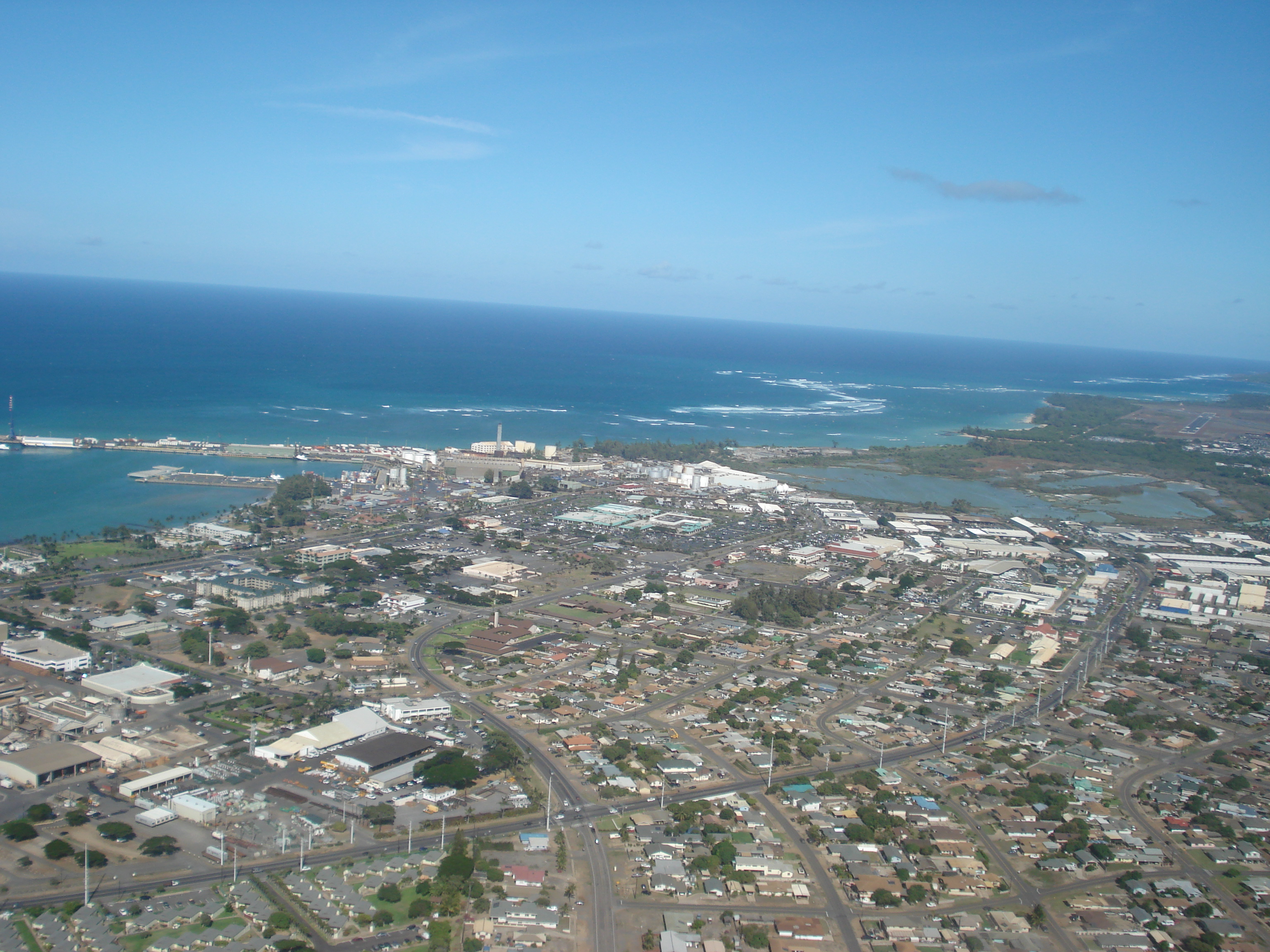
Maui is, for many, the Hawaiian island that strikes the perfect middle ground: it has the paradise beaches of a tropical destination, the adventure of a volcano rising more than 3,000 meters, the spectacular road to Hana among waterfalls and jungle, and coastal towns with good food and a relaxed pace. It is the second largest island in the archipelago and one of the favorites for anyone looking to combine rest and nature.

Its geography traces two great volcanoes joined by an isthmus —hence its nickname, 'the valley isle'. To the east looms Haleakala, a dormant volcano whose summit offers legendary sunrises over a sea of clouds; to the west, the West Maui mountains shelter beaches and old whaling towns. Between the two are spread resorts, converted sugarcane and pineapple fields, and some of the best snorkeling and whale-watching spots in the state.

This guide covers the essentials of Maui with a practical eye: the road to Hana, the Haleakala crater, the beaches and the snorkeling, the whale watching, the towns of the west and south coasts, where to stay and how to get around. One important note: the historic town of Lahaina suffered a devastating fire in August 2023 and is being rebuilt; it is worth checking the current state of each area before planning your visit.

📖 History of Maui

Maui owes its name to the demigod Maui of Polynesian mythology, the cunning hero who, according to the legends, fished the islands up from the bottom of the sea and slowed the sun over the Haleakala crater to make the day longer. Settled by Polynesian navigators more than a thousand years ago, it was an important center of Hawaiian power and, in the 19th century, its town of Lahaina became the capital of the Kingdom of Hawaii and a bustling whaling port. Later came the reign of the sugarcane and pineapple plantations, and then tourism. In August 2023, a tragic fire swept through much of historic Lahaina. The full story is on our history page.

Read the full history ↓

🏛️ Maui is in Hawaii

The volcanic archipelago of the Pacific: cradle of an ancient Polynesian kingdom unified by Kamehameha, scene of the attack on Pearl Harbor, the only island and tropical state in the country, a paradise of surfing, of aloha and of active volcanoes.

Read the history of Hawaii →

🗺️ What to see

1
Road to Hana
One of the most famous scenic drives in the world, with curves, waterfalls, jungle and viewpoints all the way to the remote town of Hana.
The Road to Hana (Hana Highway) is an experience in itself: some 100 km of narrow, winding road along the northeast coast of Maui, with more than 600 curves and dozens of one-lane bridges snaking between rainforest, waterfalls, clifftop viewpoints and small beaches. It is not so much about reaching Hana —a quiet, isolated little town— as about enjoying the drive, stopping at its countless pull-offs. Among the classic stops are the Twin Falls waterfalls, the Pipiwai bamboo trail (in the Kipahulu area of Haleakala National Park) leading to the towering Waimoku Falls, the Seven Sacred Pools (Oheo Gulch), black sand beaches such as Waianapanapa and viewpoints over jungle and sea. It is a full day of slow, attentive driving. How to get there: in your own car from the Kahului/Paia area; also on tours. Best time: set out very early to avoid traffic. Tips: drive carefully on the curves and bridges, fill up on fuel and water before you leave, and respect private and sacred areas. Some stretches call for caution after rain.
ℹ️ Distance: Northeast coast; some 100 km from Kahului/Paia, in your own car or on a tour · Duration: A full day; best to set out at dawn · Admission: The drive is free; the Kipahulu section (Oheo, Pipiwai) is inside Haleakala National Park (US$ 30 per vehicle). Waianapanapa State Park requires a parking reservation (approx. US$ 10 per car + US$ 5 per non-resident) (source: nps.gov / Hawaii State Parks, verified July 2026) · Tips: Drive carefully on the curves and one-lane bridges; fill up on fuel and water before you leave; respect private and sacred areas
2
Haleakala National Park (sunrise at the crater)
Maui's dormant volcano, with a lunar crater and sunrises over a sea of clouds at more than 3,000 m.
Haleakala ('House of the Sun') is the enormous dormant volcano that forms the east of Maui and the heart of Haleakala National Park. Its summit tops 3,000 meters and from up there you take in an overwhelming landscape: a vast erosion valley with reddish and ochre volcanic cones, recalling the surface of another planet. Climbing to the top to watch the sunrise, with the sun peeking over a sea of clouds, is one of the most memorable experiences in Hawaii —and it grows out of the legend of the demigod Maui, who 'caught the sun' here. The park offers trails through the crater (such as Sliding Sands), viewpoints, stargazing and the chance to see the nēnē (the Hawaiian goose, the state bird) and the rare silversword (ʻāhinahina), an endemic plant that grows only here. The coastal Kipahulu section, to the southeast, protects waterfalls and natural pools. How to get there: by car, on the road that zigzags up from the middle of the island. Best time: sunrise (reservation required) or sunset. Tips: it is very cold at the summit even in summer (bring warm clothes); the sunrise reservation is made online in advance; drive carefully on the way down.
ℹ️ Distance: East of the island; by car on the road that zigzags up from the middle of the island · Admission: US$ 30 per vehicle, valid 3 days (US$ 25 motorcycle, US$ 15 on foot/by bike); America the Beautiful annual pass accepted (source: nps.gov/hale, verified July 2026) · Sunrise reservation: Required to enter 3:00–7:00: US$ 1 per vehicle on recreation.gov (released 60 days ahead at 7:00 HST + a batch 48 h ahead) · Tips: At the summit it is cold and there is less oxygen even in summer; bring warm clothes; drive carefully on the way down
3
Beaches and snorkeling (Wailea, Kaanapali, Molokini)
Some of the best beaches and snorkeling spots in Hawaii, including the submerged crater of Molokini.
Maui is famous for its beaches. On the west coast, Kaanapali Beach gathers a long strip of golden sand in front of the resorts, with the jump from Black Rock as an attraction and good snorkeling. On the south coast, the beaches of Wailea and Makena (including the huge Big Beach) offer broad sand, turquoise water and sunsets. For snorkeling, areas such as Honolua Bay and Ahihi-Kinau stand out. The jewel of snorkeling is Molokini, a crescent-shaped islet —the rim of a submerged volcanic crater— a few kilometers off the south coast, reachable only by boat. Its clear, sheltered waters, full of fish and coral, make it one of the best diving and snorkeling spots in the state; many excursions combine it with Turtle Town, where green turtles are commonly seen. How to get there: the beaches, by car; Molokini, on boat tours from Maalaea or Kihei. Best time: mornings (calmer sea). Tips: use reef-safe sunscreen, keep your distance from the turtles (protected) and check the sea conditions.
ℹ️ Distance: West coast beaches (Kaanapali) and south coast (Wailea, Makena), by car; Molokini by boat from Maalaea or Kihei · Admission: Beaches are public and free (limited parking); Molokini only on a boat excursion, half day US$ 100–160 per person (source: local operators, verified July 2026) · Best time to go: Mornings, when the sea is calmest · Tips: Use reef-safe sunscreen; keep your distance from the green turtles (protected by law); check the sea conditions
4
Humpback whale watching
In winter, the waters of Maui fill with humpback whales that come to mate and calve.
Every northern winter (roughly December to April, peaking between January and March), thousands of humpback whales travel from Alaska to the warm waters of Hawaii to mate and give birth. The channel between Maui, Lanai, Molokai and Kahoolawe —protected as a marine sanctuary— is one of the best places in the world to see them, and Maui is the ideal base for the experience. Boat excursions leave from ports such as Maalaea and Lahaina (check current operations) and let you watch the breaches, tail slaps and songs of these giants up close. They can often be seen even from the shore, for example from the viewpoints on the road between the west and the center. How to get there: tours from the west/south ports; coastal viewpoints. Best time: January to March. Tips: choose responsible operators that respect the legal distances from the whales; bring a light jacket and something for the sun, and binoculars if you have them.
ℹ️ Season: Approx. December to April, peaking between January and March · Admission: A 2–2.5 h boat excursion: US$ 50–90 per person; they can also be seen for free from the shore (source: local operators / NOAA, verified July 2026) · Distance: Tours from the west/south ports (Maalaea, and Lahaina depending on operations); coastal viewpoints · Tips: Choose operators that respect the legal distances from the whales; bring a light jacket and something for the sun
5
Coastal towns: Paia, Lahaina and the west coast
Towns with charm, a whaling heritage and a surf vibe; Lahaina is being rebuilt after the 2023 fire.
Maui keeps coastal towns with personality. Paia, on the north coast, is a bohemian surf town, the gateway to the Road to Hana and close to Hookipa Beach, a windsurfing mecca where turtles are often seen on the sand too. In the west-center, Wailuku and the nearby Iao Valley State Monument, with its famous 'needle' (Iao Needle) in a green valley sacred to Hawaiians, offer history and nature. For centuries the heart of the west coast was Lahaina, the former capital of the Kingdom of Hawaii and a whaling port, with its historic Front Street, its giant banyan tree and its tourist buzz. The devastating fire of August 2023 destroyed much of the historic town and caused numerous casualties; the area is in the process of recovery and reconstruction. It is worth checking the current situation and visiting with respect. How to get there: by car. Best time: all year round. Tips: check which areas are open to tourism and which are in recovery; support local businesses and respect the affected areas.
ℹ️ Distance: Spread across the island (Paia in the north, Wailuku in the center, Lahaina in the west); by car · Admission: Paia and Wailuku are open and freely accessible; Iao Valley charges non-residents (see separate item) · Lahaina: Area affected by the August 2023 fire, under reconstruction; check which areas are open before going (source: County of Maui / mauirecovers.org, verified July 2026) · Tips: Visit with respect; support the local businesses in the west that have reopened
6
Iao Valley State Monument
A green, sacred valley in the middle of Maui, with the spectacular Iao Needle.
Iao Valley State Monument, near Wailuku in the middle of the island, is one of the most photogenic and history-laden landscapes on Maui. Its great star is the Iao Needle (Kuka'emoku), a pinnacle of rock covered in vegetation that rises some 365 meters from the floor of a lush valley, surrounded by green mountains and crossed by a stream. The valley, which gets a great deal of rain, sustains a dense, luminous rainforest. Beyond its beauty, the place is deeply sacred to Hawaiians: in 1790 it was the scene of the battle of Kepaniwai, in which the forces of Kamehameha I defeated those of Maui in his campaign to unify the islands, a clash so bloody that, according to tradition, the bodies dammed the course of the stream. Today a short paved trail leads to the Iao Needle viewpoint, and there are garden and picnic areas in nearby Kepaniwai Park. It is a short but unmissable visit, easy to combine with Wailuku. How to get there: by car, about 10 minutes west of Wailuku. Best time: morning, before the afternoon clouds and rain. Tips: book parking online in advance (limited spaces); bring repellent and shoes for some damp; respect the sacred character of the site.
ℹ️ Distance: Near Wailuku, in the middle of the island; about 10 min by car west of Wailuku · Admission: US$ 5 per person (non-residents) + parking US$ 10 per vehicle, with an online reservation; free for Hawaii residents (source: Hawaii State Parks / DLNR, verified July 2026) · Hours: Open approx. 7:00 to 18:00 · Tips: Book parking online in advance (limited spaces); go in the morning before the clouds; respect the sacred character of the site
7
Upcountry Maui (Kula, Makawao, lavender and wine)
The high, rural lands on the slopes of Haleakala, with farms, vineyards, lavender and cool air.
Far from the beaches, the slopes of Haleakala hold the 'Upcountry', the rural, cool face of Maui, between 600 and 1,200 meters up. It is an area of green pastures, farms, paniolo ranches (the Hawaiian cowboys) and a spring-like climate that contrasts with the heat of the coast. Towns such as Makawao keep the charm of an old Hawaiian west, with art galleries, shops and bakeries famous for their malasadas. Among its attractions are the Alii Kula Lavender Farm, a lavender farm with gardens and panoramic views of the isthmus and the coast; MauiWine (formerly Tedeschi), the island's only winery, set on a historic ranch where they even make pineapple wine; and the Surfing Goat Dairy, a goat farm with tours and artisan cheeses. The sunset views from the Upcountry, with the island at your feet, are magnificent. It is an ideal plan for a different half day, on the way to Haleakala or as a break from the sun. How to get there: by car, climbing from Kahului toward Kula and Makawao. Best time: all year round; cool afternoons. Tips: bring a light jacket (it gets chilly); combine it with the climb up the volcano; book the farm and winery visits.
ℹ️ Distance: Slopes of Haleakala (Kula, Makawao), between 600 and 1,200 m; by car climbing from Kahului · Admission: Alii Kula Lavender Farm approx. US$ 3 per person; MauiWine tastings from US$ 15–25; Surfing Goat Dairy tours from approx. US$ 12 (source: the farms' official sites, verified July 2026) · Best time to go: All year round; cool afternoons and magnificent sunsets · Tips: Bring a light jacket (it gets chilly); combine it with the climb up the volcano; book the farm and winery visits
Advertisements
What nobody tells you

💵 Prices

Tickets

TypePrice
Haleakala National Park (per vehicle, 3 days)US$ 30 per vehicle; US$ 25 motorcycle; US$ 15 per person on foot/by bike; America the Beautiful annual pass accepted (source: nps.gov/hale, verified July 2026)
Reservation for sunrise at HaleakalaUS$ 1 booking fee per vehicle on recreation.gov (required to enter 3:00–7:00) (source: recreation.gov, verified July 2026)
Iao Valley State Monument (non-residents)US$ 5 per person + US$ 10 parking per vehicle, with an online reservation (free for residents) (source: Hawaii State Parks/DLNR, verified July 2026)
Waianapanapa State Park (black sand beach, non-residents)US$ 5 per person + US$ 10 parking per vehicle, with an online reservation (source: Hawaii State Parks/DLNR, verified July 2026)
Snorkeling excursion to MolokiniUS$ 100–160 per person depending on the boat and the services (source: local operators, verified July 2026)
Whale watching excursion (in season)US$ 50–90 per person (source: local operators, verified July 2026)
🔄 updated monthlyOfficial / reference values · double-check when buying

Activities and tours

ActivityPriceDurationOperator
Snorkeling at Molokini and Turtle TownUS$ 100–160 per person (2025; check)Half a dayOperators from Maalaea/Kihei (Pride of Maui, Four Winds)
Whale watching (in season)US$ 50–90 per person (2025; check)2-3 hPacific Whale Foundation and others
Guided tour along the Road to HanaUS$ 150–250 per person by van or private tour; less in a group (2025; check)A full dayValley Isle Excursions and other local operators
Sunrise at Haleakala (tour with transport)US$ 150–220 per person (includes transfer, warm clothing and sometimes breakfast; 2025; check)Half a day (very early start)Local operators
Luau (Hawaiian dinner show)US$ 130–220 per person depending on the luau (2025; check)3-4 hOld Lahaina Luau, Feast at Lele, resorts and cultural centers
🔄 updated monthlyOfficial / reference values · double-check when buying
Advertisements

🚌 How to get there and distances

Getting around

ModePriceDurationNotes
Rental carUS$ 60–120 per day depending on the season and the category (source: rental aggregators, verified July 2026; book in advance)Per dayEssential for touring the island. Book in advance in high season
Maui Bus (public transport, fixed routes)US$ 2 per boarding; general monthly pass US$ 45. Free for students of any age and county employees (from 1 July 2026), people over 55, Medicare holders and ADA Paratransit holders (source: mauibus.org / County of Maui, verified July 2026)VariesA limited network connecting the main towns and tourist areas (Kahului, Kihei, Wailea, Lahaina, Kaanapali, Wailuku, Paia); not much use for the big excursions. You pay in cash on board (it does not use the HOLO card, which is exclusive to Oahu). To see the bus in real time use the official 'Maui Bus' app (Syncromatics) and the Maui County tracker (mauicounty.gov/2048/Real-Time-Tracking); Google Maps also carries the timetables
Taxi / Uber / LyftTrips from the airport to Kihei/Lahaina US$ 40–80; short rides from US$ 15–25 (source: ride apps, verified July 2026)VariesAvailable but limited and expensive for long distances; useful for the airport transfer or nights out
Organized toursUS$ 130–250 per person depending on the excursion (source: local operators, verified July 2026)Half a day to a full dayA good option for the Road to Hana or the Haleakala sunrise if you would rather not drive
🔄 updated monthlyOfficial / reference values · double-check when buying

How to get there

RouteAirlines / operatorsAvg. priceDuration
Kahului Airport (OGG) → the coastal resortsRental car, taxi, shuttle, Uber/LyftTaxi/Uber US$ 40–80 depending on the destination; shuttle from approx. US$ 20 (2025)20-50 min depending on the destination
Direct flights from the mainland (U.S. west coast)Hawaiian, Alaska, United, American, Southwest, DeltaRound trip from approx. US$ 350–700 depending on the season and the origin (2025)Approx. 5-6 h
Inter-island flights (from Honolulu)Hawaiian Airlines, Southwest, MokuleleFrom approx. US$ 60–120 each way (2025)Approx. 30 min
🔄 updated monthlyOfficial / reference values · double-check when buying

🏨 Where to stay

No exact prices: a scale from $ (budget) to $$$$$ (luxury), with 2-3 options per category.

CategoryPriceRecommended options
Luxury resorts (Wailea, Kapalua)$$$$$US$ 600–1.500+ a night; Four Seasons Resort Maui at Wailea, Grand Wailea, Andaz Maui, Montage Kapalua Bay. Plus a daily resort fee of approx. US$ 40–50
Upper-mid-range resorts (Kaanapali, Wailea)$$$$$US$ 350–600 a night; Sheraton Maui, Hyatt Regency Maui, Wailea Beach Resort, Westin (check current operations on the west coast)
Condos and mid-range hotels (Kihei)$$$$$US$ 200–350 a night; condos and hotels in Kihei and on the south coast, good value for money and location for families (Maui Coast Hotel, Kihei Kai Nani)
Budget options and rentals$$$$$US$ 120–200 a night; hostels, motels and apartment-style rentals in Kihei, Wailuku and Paia (Banana Bungalow, Northshore Hostel)

🍴 Where to eat

TypePriceOptions / signature dish
Seafood and fresh fish$$$$$US$ 25–55 per dish; mahi-mahi, ahi (tuna) and poke in the restaurants of Paia (Mama's Fish House, high end, US$ 50+) and on the south coast
Local food and plate lunch$$$$$US$ 10–18 for a plate lunch; kalua pork, loco moco and food trucks; markets and stands in Kihei and the center (check)
Hawaiian fusion cooking$$$$$US$ 30–60 per main course; Hawaii Regional Cuisine with local produce (pineapple, taro, fish) in chef-led and resort restaurants
Sweets and local coffee$$$$$US$ 4–10; shave ice, malasadas (Portuguese doughnuts) and coffee grown on the island; ice cream parlors and cafés in the towns (Komoda, Ululani's)
Advertisements

📖 History of Maui

Origins, formation and what the sources say.

The demigod Maui and the Polynesian settlement

Maui owes its name to the demigod Maui, one of the most celebrated figures in Polynesian mythology, a trickster hero and benefactor who appears in stories across Polynesia. According to the Hawaiian legends, Maui fished the islands up from the bottom of the ocean with his magic hook and, standing on the summit of the Haleakala volcano, caught the sun with a rope to force it to move more slowly across the sky and so lengthen the days, giving his mother time to dry her bark cloth (kapa). Hence the name Haleakala, 'the House of the Sun'.

Beyond the myth, the island was settled by Polynesian navigators who reached the Hawaiian archipelago in great double-hulled canoes, guiding themselves by the stars, the swell and the birds, on voyages of thousands of kilometers from other Pacific islands more than a thousand years ago. These settlers developed on Maui a sophisticated farming and fishing society, with taro grown on irrigated terraces, fishponds (loko iʻa) and a territorial system that divided each valley from the mountain to the sea.

The Hawaiian culture that flourished on Maui had its own religion, its system of chiefs (aliʻi) and priests (kahuna), its code of taboos (kapu) and a rich heritage of chants (mele), dance (hula) and oral tradition. The island, divided by its two great volcanic massifs joined by an isthmus —which is where the nickname 'the valley isle' comes from—, was one of the archipelago's centers of power in the centuries before the Europeans arrived.

Lahaina, capital of the kingdom and whaling port

Maui played a central role in the unification of Hawaii. Its chief Kahekili was one of the great rivals of the young Kamehameha, and the bloody battle of Kepaniwai, fought in the Iao valley in 1790, marked the conquest of the island by Kamehameha's forces on his way to unifying the archipelago under a single kingdom.

In the 19th century, the town of Lahaina, on the warm, sunny west coast, became a key place: it was the capital of the Kingdom of Hawaii for several decades, the residence of the kings and the center of political life before the capital moved to Honolulu. At the same time, Lahaina turned into one of the main whaling ports of the Pacific: hundreds of ships put in every season, filling the harbor with sailors and energizing —and disordering— local life. Protestant missionaries also arrived, founding churches and schools and leaving a deep mark on Hawaiian society.

The decline of whaling gave way to a new economic era: the plantations. From the mid-19th century and through much of the 20th, Maui was covered with fields of sugarcane and, later, pineapple, which drew thousands of immigrant workers from Japan, China, the Philippines, Portugal and elsewhere. That immigration shaped the island's multicultural society and left a visible legacy in the food, the festivals and the plantation towns.

From sugar to tourism and the fire of 2023

After the annexation of Hawaii by the United States (1898) and its becoming the 50th state in 1959, the economy of Maui shifted from the plantations to tourism. From the 1960s and 1970s onward, the old cane and pineapple lands of the west and south coasts —Kaanapali, Wailea, Kihei— gave way to resorts, golf courses and housing developments, and the island positioned itself as one of the most coveted holiday destinations in the Pacific. The closing of the last big sugar plantation, well into the 21st century, symbolically closed the agricultural era.

Tourism brought prosperity but also tensions: pressure on water, the cost of housing, the overcrowding of natural sites such as the Road to Hana or Haleakala —which led to reservation systems being introduced— and the debate about how to balance the visitor economy with local culture and the environment.

On 8 August 2023, Maui lived through the greatest tragedy of its recent history: a wildfire, whipped up by strong winds and the drought, swept through the historic town of Lahaina, destroying much of its old quarter, its famous Front Street and numerous homes and businesses, leaving more than a hundred dead. It was one of the deadliest fires in the modern history of the United States. Since then, the community has been facing a long and delicate process of reconstruction and mourning, while the rest of the island keeps up its tourist activity. Visiting Maui today means checking the state of each area and doing so with respect and solidarity toward the affected communities.

From the Kingdom of Hawaii to U.S. annexation

Contact with the West, which began after Captain James Cook reached the archipelago in 1778, profoundly transformed Hawaii and Maui. Weapons, diseases and new ideas altered the balance of power and decimated the native population, which had no defenses against ills such as measles or smallpox. Under the reign of Kamehameha I and his successors, the unified kingdom modernized: in 1819 the old system of taboos (kapu) was abolished and, shortly afterward, the arrival of Protestant missionaries from New England brought the writing of Hawaiian, the printing press, schools and an intense Christianization. Lahaina, on Maui, was one of the focal points of that missionary activity, with pioneering institutions such as the Lahainaluna school (1831).

Throughout the 19th century, the Kingdom of Hawaii signed treaties with the powers and adopted constitutions, but the growing economic weight of the sugar planters —largely of American origin— gradually eroded Hawaiian sovereignty. In 1893, a group of businessmen backed by U.S. marines overthrew Queen Liliʻuokalani, the kingdom's last monarch. After a brief period as a republic, the islands were annexed by the United States in 1898.

Hawaii became a territory and, finally, the 50th state of the Union in 1959. During the 20th century, Maui moved from the plantation economy to tourism, but the legacy of the kingdom and of the native culture never disappeared. Since the 1970s, a Hawaiian Renaissance movement has revitalized the language, traditional navigation (with canoes such as the Hokuleʻa), hula and pride in the kanaka maoli identity, a current that remains very much alive today on Maui and across the archipelago, and that coexists with the debates over sovereignty, land and tourism.

📚 Bibliography

  • Wikipedia (ES) — «Maui»: https://es.wikipedia.org/wiki/Maui
  • Wikipedia (EN) — «Maui»: https://en.wikipedia.org/wiki/Maui
  • Wikipedia (EN) — «Lahaina, Hawaii»: https://en.wikipedia.org/wiki/Lahaina,_Hawaii
  • Wikipedia (EN) — «2023 Hawaii wildfires»: https://en.wikipedia.org/wiki/2023_Hawaii_wildfires
  • Wikipedia (EN) — «Māui (Hawaiian mythology)»: https://en.wikipedia.org/wiki/M%C4%81ui_(Hawaiian_mythology)
  • Wikipedia (EN) — «Kingdom of Hawaii»: https://en.wikipedia.org/wiki/Kingdom_of_Hawaii
  • Wikipedia (EN) — «Overthrow of the Hawaiian Kingdom»: https://en.wikipedia.org/wiki/Overthrow_of_the_Hawaiian_Kingdom
  • Wikipedia (EN) — «Hawaiian Renaissance»: https://en.wikipedia.org/wiki/Hawaiian_Renaissance
  • National Park Service — Haleakala National Park: https://www.nps.gov/hale/
  • Go Hawaii (oficial de turismo de Hawái): https://www.gohawaii.com/

❓ Frequently asked questions

How many days is it worth staying on Maui?+
Between 4 and 7 days lets you combine the essentials: the road to Hana (a full day), sunrise at Haleakala, snorkeling at Molokini, beaches, whale watching (in winter) and touring the towns. With fewer days you have to choose; with a week you can enjoy it at an easy pace.
How much does it cost to enter Haleakala?+
Admission to Haleakala National Park costs US$ 30 per vehicle (valid 3 days, 2025 rate) and covers both the summit and the coastal Kipahulu section; the America the Beautiful annual pass also works. To watch the sunrise (entering between 3 and 7 in the morning) you also need an advance online reservation of US$ 1 per vehicle on recreation.gov.
Do I need to rent a car?+
Yes, practically essential. Public transport is very limited and the big attractions (Road to Hana, Haleakala, beaches and viewpoints) are spread across the island. Rental runs around US$ 60–120 per day; it is worth booking in advance, above all in high season.
When can you see whales?+
The humpback whale season runs roughly from December to April, peaking between January and March. Maui is one of the best places in the world to see them, both on boat excursions (US$ 50–90 per person) and, often, for free from the shore itself.
What happened to Lahaina and can you visit it?+
In August 2023, a devastating fire destroyed much of the historic town of Lahaina and caused numerous casualties. The area is in the process of recovery and reconstruction. Before planning a visit it is worth checking the current situation: many areas of west Maui remain open to tourism, but you should visit with respect and support the local communities.
What is the best time to visit Maui?+
The tropical climate makes it possible to visit all year round. April-May and September-October usually offer good weather and fewer people. Winter (December-March) is ideal for seeing whales, though the north coast can have big surf. Summer and the year-end holidays are high season and prices go up.
Is it safe to snorkel and swim?+
Generally yes, but the Hawaiian sea deserves respect: rip currents, surf and rocks can be dangerous. Swim at beaches with lifeguards when you can, respect the flags, never turn your back on the sea and keep your distance from turtles and marine wildlife, which are protected by law.
How does public transport work on Maui and how do you pay for the bus?+
The Maui Bus covers fixed routes between Kahului, Kihei, Wailea, Wailuku, Paia and the west coast (Lahaina, Kaanapali), but it is a limited network: it does not reach the Road to Hana or the summit of Haleakala, so you need a car to tour the island. The fare is US$ 2 per boarding (monthly pass US$ 45) and it is free for students of any age, county employees, people over 55 and Medicare or ADA holders. You pay in cash on board: the HOLO card is only for Oahu, it is not used on Maui. To see where the bus is in real time use the official 'Maui Bus' app or the Maui County tracker.
Sources consulted (13)
Still planning?
Explore more destinations in United States
See all destinations →
Advertisements
Image credits
Photos from Wikimedia Commons, each under its own licence (CC BY, CC BY-SA or public domain). Open each file to see its author and licence.
AirViewKahului