Viajá con Gus
HomeMexicoPuerto Peñasco
Puerto Peñasco
🇲🇽 Mexico · The North

Puerto Peñasco

Jump to what you need
📌State
Puerto Peñasco (Sonora, Mexico). A city and beach destination in northwestern Sonora, on the shore of the upper Gulf of California (Sea of Cortez), very close to the border with the United States (a little over an hour from the Arizona line). Known in English as 'Rocky Point', it's one of the favorite seaside spots for visitors from the American Southwest (Arizona and California), thanks to how close it is and to its beaches. People call it 'the closest beach to the desert', and it combines sea, dunes and a relaxed vibe.
📌Service city
Puerto Peñasco itself has all the tourist services: hotels, condos and beachfront resorts, seafood restaurants, marinas, a waterfront promenade and shops. It has an airport (with limited use) and is connected mainly by road. Most visitors arrive by car from Arizona (crossing at the Lukeville/Sonoyta port of entry) or from other Sonoran cities such as Hermosillo. For bigger services (specialized hospitals, a wide range of commercial flights), the regional reference points are the cities of Sonora and southern Arizona.
📌Best time
Puerto Peñasco has a coastal desert climate, with very hot summers and mild winters. The best time for the beach with pleasant weather is spring (March to June) and fall (September to November). Summer is very hot but it's the high beach season for American visitors (school holidays). Winter is mild and quieter, popular with 'snowbirds' (visitors escaping the northern cold). Spring break fills the town with young tourists.
📌Suggested days
Two or three days cover the essentials of Puerto Peñasco: the beaches, the promenade and the port (the Malecón Fundadores), the seafood, the sunsets over the gulf and activities like boat trips, fishing or ATV rides on the dunes. With more days you can add whale or marine-life watching in season, a visit to CEDO (the center for desert and ocean studies), a run through the dunes of the Gran Desierto de Altar and time relaxing at the beachfront resorts.
💱 MXN exchange rate
Loading rate…
🌤️ Weather in Puerto Peñasco
Loading weather…

Puerto Peñasco is the beach where the desert dives into the sea. Looking out over the upper Gulf of California, in the far northwest of Sonora and a step away from the Arizona border, this coastal city —known to Americans as 'Rocky Point'— earned its fame as the closest beach to the desert of the American Southwest, a weekend-getaway destination for anyone after sea, sun and seafood without going too far.

The landscape is one of a kind: the calm, warm waters of the Sea of Cortez, with tides so big they lay bare vast stretches of beach, meet the Gran Desierto de Altar and its dunes, in one of the few places in the world where the desert literally reaches the ocean. Add to that natural setting a lively tourist scene, with beachfront resorts and condos, a working fishing port, seafood joints everywhere and a relaxed beach mood.

This guide walks through Puerto Peñasco with a practical, warm eye: which beaches to pick, where to eat the best seafood, what to do on the promenade and at the port, how to make the most of the dunes and the sea, how to cross the border and how to get around. It's a simple, sunny destination turned toward the sea, ideal for anyone who wants to relax on the sand, enjoy fresh seafood from the gulf and catch the spectacular sunsets of the Sea of Cortez.

📖 History of Puerto Peñasco

Puerto Peñasco is a young city, born in the 20th century. The upper Gulf of California region was historically inhabited and traveled by the indigenous peoples of Sonora, in an arid, sparsely populated area. The modern settlement appeared in the first decades of the 20th century as a fishing camp, taking advantage of the abundance of fish and, above all, of gulf shrimp. The arrival of the railway (the line that connected to the border and the rest of the country) and the growth of the fishing industry drove the town's expansion. For much of the 20th century, Puerto Peñasco was first and foremost a fishing and shrimping port. From the last decades of the 20th century and the early 21st, its closeness to Arizona and the American Southwest turned it into a fast-growing beach destination, with a boom in resorts, condos and real-estate development aimed at the American visitor, which made it 'Rocky Point', one of the most popular seaside towns in northwestern Mexico. The full story is on our history page.

Read the full history ↓

🏛️ Puerto Peñasco is in Sonora

The great desert state of the northwestern border: land of the Yaqui and the Seri, of the desert and the Sea of Cortés, cradle of the 'Sonoran dynasty' of revolutionary presidents and a mining and cattle-raising power.

Read the history of Sonora →

🗺️ What to see

1
Beaches of the Gulf of California
The big draw: beaches with the calm, warm water of the Sea of Cortez, huge tides and great sunsets.
The beaches are Puerto Peñasco's whole reason for being. Facing the upper Gulf of California (Sea of Cortez), they offer calm, warm water with little surf, ideal for swimming, relaxing and family days. Unlike the beaches of the open Pacific, the sea here is gentler, which makes it very good for bathing and for beginners in water sports. One striking feature of the area is its enormous tides: the Gulf of California has some of the largest tidal ranges in the world, so at low tide the sea pulls back a very long way, exposing wide bands of sand and tide pools, then comes back in dramatically. The phenomenon reshapes the beach through the day and lets you explore tide pools full of marine life when the water withdraws. There are different beaches and zones: the ones along the town front and the resorts (with services, restaurants and activities), and wider, quieter beaches on the outskirts, such as Las Conchas and Sandy Beach. The sunsets over the gulf, with the sun dropping into the sea and the desert all around, are one of the destination's great shows. Getting there: the beaches are in town and around it, walkable from the beachfront hotels or a short taxi/car ride away. Best time: spring and fall for pleasant weather; summer for the beach (very hot and busy). Tips: check the tide table (the tides change the landscape a lot), bring sun protection and make the most of the sunsets; watch out for the fierce desert sun.
ℹ️ Distance: Beaches in town and around it (on foot from the beachfront hotels or by car) · Best time: Spring and fall for the weather; summer for the beach (hot and busy) · Admission: Free (public beaches); resort services charged as you use them · Duration: Half a day or more
2
Malecón Fundadores and the old port
The city's tourist and fishing heart, with a promenade, seafood restaurants, shops and a beach-town buzz.
The Malecón Fundadores and the old port area are Puerto Peñasco's tourist heart and, at the same time, its fishing origin. It's the liveliest, most traditional part of town, where the work of the port —with its fishing and shrimping boats— sits alongside tourist life, with seafood restaurants, bars, souvenir and craft shops, and a festive beach atmosphere. It's the perfect place to stroll, eat exceptionally fresh seafood with a sea view, buy souvenirs, have a drink and soak up the Rocky Point mood. Here you can feel the fishing-village character the city grew out of, with the boats right there and seafood sold straight off them. Many of the water activities and boat trips also leave from the promenade. The area comes alive especially at sunset and at night, with the nightlife and the restaurants in full swing. It's a good place to start getting to know the city, and to come back to for meals and walks during your stay. Getting there: in the port area and along the city's seafront, on foot or by taxi/car. Best time: any day; livelier at sunset and at night, and in high season. Tips: try the local seafood (shrimp, fish, cocktails); watch your belongings in crowded spots; ideal for combining a walk, shopping and a meal.
ℹ️ Distance: The port area and seafront of Puerto Peñasco (on foot or by taxi/car) · Best time: Any day; livelier at sunset/night and in high season · Admission: Free (open access); you pay for what you consume in restaurants and shops · Duration: Half a day (with a walk and a meal)
3
Seafood from the Sea of Cortez
Shrimp, fish and exceptionally fresh seafood from the gulf: the great flavor of Puerto Peñasco.
Puerto Peñasco was born as a fishing and shrimping port, and seafood is still one of its biggest attractions. The Sea of Cortez is one of the richest seas for marine life in the world, and the city makes the most of that abundance to serve extremely fresh seafood, with shrimp as the star (Sonoran and gulf shrimp is prized all over Mexico). On the promenade, at the port and all over town there are marisquerías, restaurants and stands where you can enjoy shrimp cooked a thousand ways, fish, oysters, clams, scallops, seafood tostadas, aguachiles, ceviches and seafood cocktails. Eating seafood facing the gulf, with the sea in view, is one of the destination's great experiences. Freshness is the key: in many places the catch comes straight off the boats. Trying the local shrimp is close to mandatory, and plenty of visitors buy fresh seafood to take home. The options run from simple stands to restaurants with a sea view, such as La Curva or Mariscos El Calamar Gigante, near the port. Getting there: the options are concentrated on the promenade, at the port and along the seafront; on foot or by car. Best time: any time (better outside the extreme heat of summer). Tips: shrimp is the star; pick busy places as a guarantee of freshness; pair the meal with the sea view and the sunset.
ℹ️ Distance: Promenade, port and seafront (on foot or by car) · Best time: Any time; better outside summer because of the heat · Admission: As you consume: US$ 10–30 per seafood dish (verified July 2026; check when you visit) · Duration: One meal
4
CEDO: Centro Intercultural de Estudios de Desiertos y Océanos
A study and environmental-education center about the desert and the Sea of Cortez, with a whale skeleton.
CEDO (Centro Intercultural de Estudios de Desiertos y Océanos) is an educational and research institution devoted to conserving and understanding the region's singular ecosystems: the upper Gulf of California (one of the most biodiverse seas on the planet) and the Gran Desierto de Altar. It's well worth a visit if you want to understand the nature that surrounds Puerto Peñasco. The center runs exhibits, tours and environmental-education activities about the plants and animals of the desert and the sea, the tides, marine life and the efforts to conserve the species and habitats of this rich but fragile region. One of its most striking draws is the complete skeleton of a large whale (a rorqual), which impresses visitors and gives you a sense of the scale of the gulf's marine life. The visitor center and the exhibits are free to enter (donations welcome), and CEDO also organizes paid tours with naturalist guides: walks through the tide pools, kayaking in the Morúa estuary, snorkeling at Isla San Jorge and trips to the El Pinacate reserve. Getting there: it's in the Las Conchas area, on the outskirts of town; by car or taxi. Best time: any day (check hours and activities). Tips: book the guided tours ahead; it's a perfect educational stop to combine with the beach.
ℹ️ Distance: Las Conchas area, on the outskirts of Puerto Peñasco (car or taxi) · Best time: Any day; check hours and activities · Admission: Free (visitor center, with a suggested donation); guided tours paid separately, verified July 2026 · Duration: 1 to 2 hours (more with a walk or a tour)
5
Desert dunes and sports (ATVs)
The Gran Desierto de Altar and its dunes reach the sea: ATV rides and adventure on the sand.
One of the most singular things about Puerto Peñasco is that the desert literally reaches the sea. The city looks out over the Gran Desierto de Altar, a vast expanse of dunes and sand flats that forms part of the El Pinacate and Gran Desierto de Altar Biosphere Reserve, a UNESCO World Heritage Site, a volcanic desert landscape of great natural value located in the region. The dunes near town (such as those at Sandy Beach and Las Dunas) are the setting for very popular adventure activities, especially renting and riding ATVs and off-road vehicles on the sand, one of the experiences visitors most look for, above all younger ones. Riding the dunes, with the sea as a contrasting backdrop, is exciting and very much part of this destination. For nature lovers, the nearby El Pinacate reserve offers an extraordinary landscape of volcanic craters, lava fields and dunes, which you can visit with guides and special tours; some stretches cross ejido land with its own fee, separate from the reserve's. It's the perfect complement for anyone who wants to go beyond the beach and see the Sonoran Desert at its most spectacular. Getting there: the nearby dunes, on ATV tours from town (operators such as Xplore Activities or Ivan's Rentals at Sandy Beach); El Pinacate, by car or tour (farther out). Best time: spring, fall and winter (avoid the extreme heat of summer). Tips: for the ATVs, use operators with safety gear; for El Pinacate, go with a guide and plenty of water; respect the nature reserve.
ℹ️ Distance: Dunes near town (Sandy Beach); the El Pinacate reserve is farther out (tours or car, about 50 km) · Best time: Spring, fall and winter (avoid the summer heat) · Admission: ATVs US$ 40–90 an hour depending on the machine (verified July 2026); El Pinacate charges a CONANP fee: $225 MXN per person per day, $112.50 MXN for nationals and accredited residents, plus the ejido access fee (about $100 MXN, with no official source) and the guided tour separately · Duration: Half a day
6
Boat trips, fishing and marine life
Trips out onto the Sea of Cortez for sport fishing, boat rides and marine-life watching.
The Sea of Cortez, famous for its extraordinary marine wealth (the explorer Jacques Cousteau called it 'the aquarium of the world'), invites you out onto the water. Puerto Peñasco runs boat trips, sport-fishing outings and excursions to enjoy the gulf and its marine life, one of the destination's most appealing activities. Sport fishing is very popular, with trips out after various gulf species, and most charters include gear, bait and permits. There are also 'sunset cruise' boat trips to run along the coast, enjoy the sunset at sea with music and drinks, or spot marine wildlife: depending on the season and your luck, you can see dolphins, sea lions, birds and, at certain times of year (December to April), whales and other large marine mammals that live in or pass through the Gulf of California. On top of these there are other water options such as kayaking, snorkeling and sports in the calm waters of the area, many of them organized by CEDO or by beach operators. The marinas and operators at the port and the resorts offer different excursions for every taste. Enjoying the Sea of Cortez from the water is a great way to get to know this destination. Getting there: trips leave from the marinas and the port; you book them with local operators (such as Ecsta-Sea Charters, Del Mar Charters or Rocky Point Fishing Services). Best time: spring, fall and winter (pleasant weather); marine life varies with the season. Tips: book with responsible operators, bring sun protection and water; ask what wildlife you can expect at that time of year.
ℹ️ Distance: Departures from the marinas and the port of Puerto Peñasco (local operators) · Best time: Spring, fall and winter; marine life varies with the season · Admission: Sunset cruise US$ 25–30 per adult; sport fishing US$ 600 (4 h) to US$ 900 (8 h) per shared boat (verified July 2026; check when you visit) · Duration: Half a day to a full day (depending on the activity)
Advertisements
What nobody tells you

💵 Prices

Tickets

TypePrice
Beaches of the Gulf of CaliforniaFree (public beaches)
Malecón Fundadores and the portFree (open access)
CEDO — visitor center and exhibitsFree (suggested donation); verified July 2026
CEDO — guided tours (tide pools, kayaking, snorkeling, Pinacate)no rate published in an official source: CEDO describes its Xperiences (tide pools, kayaking, estuary, dunes, El Pinacate, Isla San Jorge) but publishes no price at all (cedo.org/experiences.php and the official CedoXperiences brochure, consulted 08/08/2026). The US$ 30 to US$ 150 per person figures going around are a market reference: confirm by email at info@cedo.org before you travel
ATV tour on the dunesUS$ 40–90 an hour depending on the machine and the operator (verified July 2026; check when you visit)
El Pinacate and Gran Desierto de Altar Biosphere Reserve (CONANP fee)$225 MXN per person per day (a single fee under art. 198, section I of the LFD, rounded to multiples of $5); $112.50 MXN for nationals and accredited foreign residents and $56.25 MXN for students and teachers with ID; exempt: under-12s, people with disabilities, seniors with an INAPAM card, pensioners and retirees. The reserve is NOT free to enter. Open every day of the year (source: CONANP, official protected-area factsheet; LFD art. 198 and Annex 4 of the RMF 2026 (DOF 28/12/2025), verified on 08/08/2026)
El Pinacate — community fees and toursOn top of the federal fee, some access points charge their own ejido fee of about $100 MXN per person; guided tours start at US$ 80. no rate published in an official source for either of those two amounts: art. 198 of the LFD expressly states that paying the federal charge «does not release you from your obligations to the owners or lawful holders of the land», but no agency publishes the amount
Boat trip (sunset cruise)US$ 25–30 adults; US$ 10–15 children (4–12 years), verified July 2026
Sport fishing (shared charter)From US$ 37 per person on group trips; US$ 600 (4 h) to US$ 900 (8 h) for a private boat, verified July 2026; check when you visit
🔄 updated monthlyOfficial / reference values · double-check when buying

Activities and tours

ActivityPriceDurationOperator
ATV ride/rental on the dunesUS$ 40–90 an hour depending on the machine (verified July 2026)1-3 hXplore Activities, Ivan's Rentals ATVs (Sandy Beach)
Sport fishing in the Sea of CortezUS$ 37 per person (shared trip) to US$ 600–900 per boat (4-8 h), verified July 2026Half a day to a full dayEcsta-Sea Charters, Del Mar Charters, Rocky Point Fishing Services
Sunset cruise / boat tripUS$ 25–30 adults, US$ 10–15 children, verified July 20262 to 3 hoursBoat operators and marinas at the port
Guided trip to the El Pinacate and Gran Desierto de Altar Biosphere Reserveno rate published in an official source: CEDO publishes no prices for its Xperiences (neither on cedo.org/experiences.php nor in its official CedoXperiences brochure, consulted 08/08/2026); the ~US$ 80 per person with a naturalist guide is a market reference, not a published price. Separately you pay the CONANP fee of $225 MXN per person per day ($112.50 for nationals and accredited foreign residents) and, at some access points, an ejido fee of about $100 MXN that no agency publishesFull dayCEDO and certified guides of the reserve
Tide-pool walk (with CEDO)US$ 30 adults, US$ 20 children (under 14), verified July 20261-2 hCEDO Intercultural
Kayaking in the Morúa estuary / snorkeling at Isla San JorgeUS$ 75 (kayaking) to US$ 150 (snorkeling), verified July 20262-4 hCEDO and beach operators
🔄 updated monthlyOfficial / reference values · double-check when buying
Advertisements

🚌 How to get there and distances

Getting around

ModePriceDurationNotes
Your own car or a rentalRental from US$ 35–60 a day (verified July 2026; depending on season and agency)VariesIMPORTANT: Puerto Peñasco is a resort destination with NO city bus system and no real-time transit app (don't go looking for local lines on Moovit or Google Maps: they don't exist). Most people arrive and get around by car, especially those coming from Arizona. It's the most flexible way to reach beaches, dunes and attractions; fuel and tolls in cash or by card
Taxi within the cityBase fare about $35 MXN + $24–40 MXN per km; a short ride to the promenade from Las Conchas from ~$50 MXN; to the airport about $120 MXN (verified July 2026)VariesThere is no standardized meter: YOU PAY IN CASH (they take pesos and often dollars) and you should AGREE on the price before getting in. Uber and DiDi have very limited or no presence; taxi ranks are the norm
Shuttle from Phoenix/ArizonaRound trip from about US$ 90–130 per person depending on the company (verified July 2026)~3.5 h from PhoenixThe best option if you're not driving down: several companies run door-to-door transfers, or transfers from Phoenix Sky Harbor airport to the hotels and condos of Rocky Point (Sandy Beach, Mayan Palace, etc.), with departures on set days. Well-known operators: Head Out to Rocky Point, Nenas Shuttle, Shuttle Rocky Point (phxvans). You book online and pay by card. Bring your passport for the border crossing
Walking (promenade, port and seafront)FreeVariesThe promenade, the port and the seafront area are all walkable. For the farther beaches and the dunes you'll want a car or a tour
Organized toursFrom US$ 25 (sunset cruise) to US$ 150+ (snorkeling, full-day excursions), verified July 2026VariesFor the dunes, El Pinacate, fishing and boat trips, tours take care of the transport and the logistics from your hotel
🔄 updated monthlyOfficial / reference values · double-check when buying

How to get there

RouteAirlines / operatorsAvg. priceDuration
From Arizona (USA) via the Lukeville/Sonoyta port of entry (by car)Vehicle crossing; Sonoyta–Puerto Peñasco highwayThe border crossing itself has no direct cost (check the tourist card/FMM fee if you stay more than 7 days or travel beyond the free zone); fuel and minor tollsA little over 1 h from the border; varies with the line at the crossing
From Phoenix/Tucson (Arizona) by carPrivate or rental carNo fixed fare; the cost of fuel and, if needed, a car rental (US$ 35–60/day, verified July 2026)About 3-4 h from Phoenix/Tucson (depending on your starting point)
From Hermosillo to Puerto Peñasco (bus)Tufesa, Autobuses Albatros, Futura, EliteAbout $23–45 USD depending on the company and how far ahead you book (paid in the MXN equivalent; verified July 2026)About 6 to 6h45 (354 km)
By air to Puerto Peñasco airport (limited use)Limited regional/charter flights; most people fly to Hermosillo (HMO) and continue by car or busVaries with the route and the season; check availabilityDepends on where you start
🔄 updated monthlyOfficial / reference values · double-check when buying

🏨 Where to stay

No exact prices: a scale from $ (budget) to $$$$$ (luxury), with 2-3 options per category.

CategoryPriceRecommended options
Beachfront resorts and condos$$$$$US$ 150–260 a night; e.g. Peñasco del Sol Hotel (from US$ 154, the city's only 3-Diamond hotel, steps from the promenade) and Sonoran Sea Resort (all-inclusive, 5.5 km west of the center), verified July 2026
Mid-range near the center and the beach$$$$$US$ 75–130 a night; e.g. Hotel Ancla Suites (from US$ 75) and mid-range hotels near the promenade, the port and the beach, with a good location-to-price ratio, verified July 2026
Houses and vacation rentals$$$$$US$ 100–250 a night depending on capacity; houses and apartments for vacation rental on the beachfront or in coastal developments (Las Conchas, Sandy Beach), very popular with families and groups, verified July 2026
Budget$$$$$US$ 47–79 a night; e.g. Hotel Vista Marina (from US$ 52) and Hotel Alexander (from US$ 79), near the center and the port, verified July 2026

🍴 Where to eat

TypePriceOptions / signature dish
Seafood from the Sea of Cortez$$$$$US$ 10–30 a dish; shrimp (the local star), fish, oysters, clams, tostadas, aguachiles and seafood cocktails, at marisquerías such as La Curva Restaurant & Sport Bar (over 30 years old, near the promenade) and Mariscos El Calamar Gigante (next to the port), verified July 2026
Restaurants with a sea view$$$$$US$ 20–45 a dish; restaurants in the resorts and along the seafront, such as Mare Blu Ristorante and The Point Restaurant, ideal for dinner with a view of the gulf and the sunset, serving seafood and international cooking, verified July 2026
Sonoran cooking and grilled meat$$$$$US$ 12–28 a dish; as everywhere in Sonora, a good range of meat, carne asada and northern Mexican cooking for a break from seafood, verified July 2026
Bars, clubs and casual food$$$$$US$ 6–15 a dish or drink; bars, casual food and nightlife spots, above all on the promenade and in the tourist areas, very busy in high season and over spring break, verified July 2026
Advertisements

📖 History of Puerto Peñasco

Origins, formation and what the sources say.

The upper Gulf of California and the desert: the natural setting

The history of Puerto Peñasco is deeply tied to its extraordinary natural setting: the point where the upper Gulf of California (Sea of Cortez) meets the Gran Desierto de Altar. It's one of the few places in the world where a great dune desert literally reaches the sea, in a meeting of landscapes as arid as it is spectacular.

The Gulf of California is one of the most biodiverse seas on the planet, so rich in marine life that the explorer Jacques Cousteau called it 'the aquarium of the world'. Its upper stretch, where Puerto Peñasco sits, is also known for having some of the widest tidal ranges in the world: the sea rises and falls to extremes, exposing vast expanses of sand and tide pools at low tide. That phenomenon has always shaped life in the region and its fishing.

On the land side stretches the Gran Desierto de Altar, part of the El Pinacate and Gran Desierto de Altar Biosphere Reserve, a UNESCO World Heritage Site, a landscape of volcanic craters, lava fields and enormous dunes. The region was historically inhabited and traveled by the Indigenous peoples of northwestern Sonora, in an arid territory of extreme climate and sparse population, where life revolved around the sea and the desert's few resources.

The Gulf of California, 'the aquarium of the world'
The famous phrase attributed to Jacques Cousteau, who called the Gulf of California 'the aquarium of the world', reflects the region's extraordinary marine biodiversity, recognized internationally. The upper gulf is also home to emblematic and threatened species, such as the vaquita porpoise.
Source: https://es.wikipedia.org/wiki/Golfo_de_California

From fishing camp to town (early 20th century)

Puerto Peñasco is a young city, whose origin as a modern settlement goes back to the first decades of the 20th century. Unlike the colonial cities of inland Mexico, it has no viceregal past: it was born as a camp of fishermen making the most of the enormous marine wealth of the upper Gulf of California, especially the abundance of fish and shrimp.

Life in the fledgling town revolved around the sea. Fishing, and shrimping in particular, was the engine of its economy and the reason it existed. Fishermen and their families gradually settled permanently in this remote, arid corner of the Sonoran coast, shaping a fishing village in the middle of the desert.

A decisive factor in the town's growth was the arrival of the railway. Building the line that connected the region with the border and with the rest of the country (in the first decades of the 20th century) made communication easier, allowed the catch to be shipped and people to move, and pushed Puerto Peñasco's development beyond its original isolation. The fishing camp thus consolidated into a stable town.

Fishing origins and the role of the railway
The sources agree that Puerto Peñasco was born in the 20th century as a fishing camp or village (with shrimp as the key resource) and that the arrival of the railway mattered for its growth by connecting it to the border and to the country. The exact dates of the milestones vary from source to source.
Source: https://en.wikipedia.org/wiki/Puerto_Pe%C3%B1asco

The rise of the shrimping port (mid-20th century)

For much of the 20th century, Puerto Peñasco was, above all, a fishing and shrimping port. Fishing for gulf shrimp —prized all over Mexico for its quality— became the main economic activity and the town's calling card. The shrimping fleet, the fishing cooperatives and the industry built around seafood gave the city life and work.

This period consolidated Puerto Peñasco's seafaring vocation and forged its character as a fishermen's town, with a culture tied to the sea, the tides and the fishing seasons. Shrimp and the gulf's other products not only sustained the economy but laid the foundations of the strong seafood tradition that is today one of the destination's great draws.

Fishing, however, also faced challenges over time, such as the overexploitation of some resources and questions about conserving the fragile ecosystem of the upper gulf (home to threatened species). Even so, fishing remained central to the life of the city, even as, toward the end of the century, a new vocation began to emerge that would change its fate: tourism.

Shrimp as the economic axis
The sources agree that through the 20th century Puerto Peñasco's economy rested fundamentally on fishing, with gulf shrimp as the star product. Conserving the fragile ecosystem of the upper gulf (home to species such as the vaquita porpoise) has been a sensitive issue tied to fishing in the region.
Source: https://es.wikipedia.org/wiki/Puerto_Pe%C3%B1asco

The tourism boom: the birth of 'Rocky Point'

The great turning point in Puerto Peñasco's history came in the last decades of the 20th century and, above all, at the start of the 21st, when the city went from fishing port to fast-growing beach destination. The key to that transformation was its location: Puerto Peñasco is the closest ocean beach to the southwestern United States, a little over an hour from the Arizona border.

That closeness made Puerto Peñasco the favorite seaside spot for the people of Arizona —especially Phoenix and Tucson— and other parts of the American Southwest, who began arriving en masse for its beaches, its sun and its seafood. From that came its popular English name: 'Rocky Point'. The city came to live more and more off tourism, with a heavy share of American visitors who drive down for weekend getaways and vacations.

The surge set off a real-estate and tourism boom: resorts, hotels, condos and beachfront developments, marinas and golf courses were built, transforming the look of the city. Events like spring break (the spring holidays of American students) and the summer season fill the city with visitors. That old fishing camp became, in this way, one of the most popular beach destinations in northwestern Mexico.

Closeness to Arizona as the tourism engine
The sources agree that Puerto Peñasco's tourism development ('Rocky Point') owes a great deal to how close it is to the southwestern United States (especially Arizona), which turned it into a getaway destination for Americans and set off a boom in resorts and real-estate development over recent decades. The intensity of the phenomenon has varied with economic cycles.
Source: https://en.wikipedia.org/wiki/Puerto_Pe%C3%B1asco

Conservation: El Pinacate, the upper gulf and the vaquita porpoise

Puerto Peñasco's tourism growth sits alongside the enormous ecological importance of its surroundings, among the most singular and fragile in Mexico. The region is the stage for major conservation efforts that are part of the place's recent history.

On the desert side, in 2013 UNESCO inscribed the El Pinacate and Gran Desierto de Altar Biosphere Reserve on its World Heritage list, an extraordinary volcanic desert landscape of craters, lava fields and dunes located in the Puerto Peñasco region, recognized for its exceptional natural value. It's one of the destination's great natural draws and a protected area of the first order.

On the sea side, the upper Gulf of California is an area of great richness but also of great vulnerability. It's home to emblematic, endangered species such as the vaquita porpoise —the smallest cetacean and one of the most threatened in the world, endemic to these waters— and the totoaba. Protecting these species and the ecosystem of the upper gulf has driven major conservation efforts and debates over fishing in the area. So the contemporary history of Puerto Peñasco is caught between tourism development and the preservation of a natural heritage unique in the world.

El Pinacate, World Heritage (2013), and the vaquita porpoise
The sources agree that the El Pinacate and Gran Desierto de Altar Reserve was inscribed as a UNESCO World Heritage Site in 2013, and that the upper Gulf of California is home to the vaquita porpoise, an endemic species in critical danger of extinction. Conserving the vaquita and the ecosystem is a central and delicate issue in the region.
Source: https://whc.unesco.org/en/list/1410/

Puerto Peñasco today: the beach of the desert

Today's Puerto Peñasco is an established beach destination, known both by its Spanish name and by the English 'Rocky Point', combining its fishing-village origins with a tourist present aimed at visitors from Mexico and the American Southwest. It's the 'closest beach to the desert', a place of sun, calm sea, dunes and seafood.

Its identity is built on the meeting of the Sea of Cortez and the desert, on its shrimping and fishing heritage, and on the momentum of the tourism that transformed the city over recent decades. The seafood cooking —with shrimp as the great star—, the sunsets over the gulf, the dunes and the water and adventure activities are its main draws today.

The destination's challenge going forward is to grow while caring for the extraordinary, fragile natural setting around it: the El Pinacate reserve (a World Heritage Site) and the upper Gulf of California, home to unique and threatened species. For the traveler, Puerto Peñasco offers a simple, sunny and flavorful beach experience, with the singularity of a landscape where the desert bathes in the sea, ideal for a relaxed getaway in northwestern Mexico.

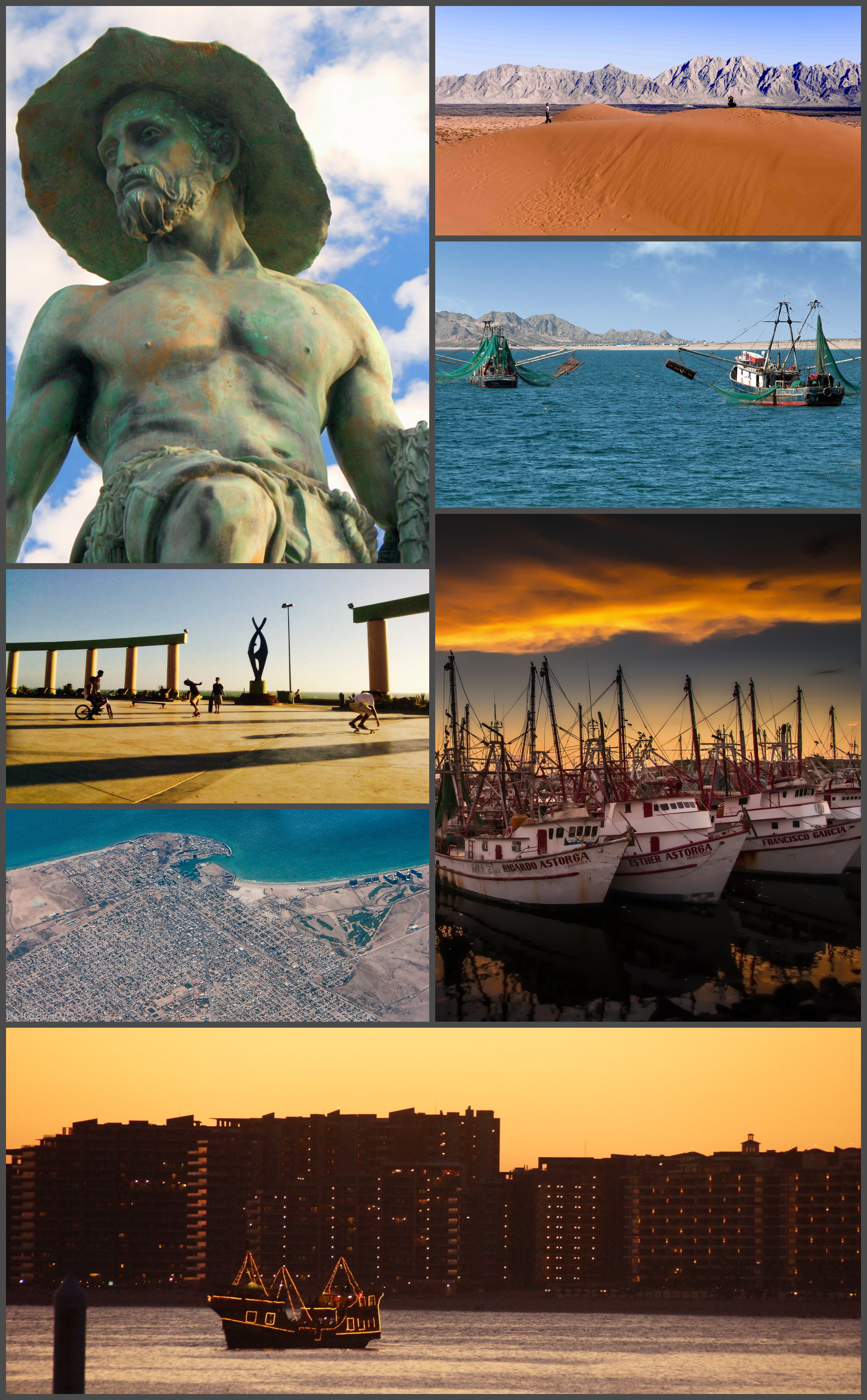
Puerto Peñasco, beach destination of the northwest
Tourism sources agree in describing contemporary Puerto Peñasco as a popular beach destination in northwestern Mexico, especially among visitors from Arizona, built on its gulf beaches, its seafood, its dunes and its closeness to the border, with the challenge of balancing development and conservation.
Source: https://www.cometorockypoint.com/

📚 Bibliography

  • Wikipedia (ES) — «Puerto Peñasco»: https://es.wikipedia.org/wiki/Puerto_Pe%C3%B1asco
  • Wikipedia (EN) — «Puerto Peñasco»: https://en.wikipedia.org/wiki/Puerto_Pe%C3%B1asco
  • Wikipedia (ES) — «Golfo de California»: https://es.wikipedia.org/wiki/Golfo_de_California
  • UNESCO — «Reserva de la Biosfera El Pinacate y Gran Desierto de Altar» (2013): https://whc.unesco.org/en/list/1410/
  • Wikipedia (ES) — «Reserva de la biosfera El Pinacate y Gran Desierto de Altar»: https://es.wikipedia.org/wiki/Reserva_de_la_biosfera_El_Pinacate_y_Gran_Desierto_de_Altar
  • Wikipedia (ES) — «Vaquita marina»: https://es.wikipedia.org/wiki/Phocoena_sinus
  • Visit Puerto Peñasco / Rocky Point (turismo oficial): https://www.cometorockypoint.com/
  • Visit Sonora (turismo oficial): https://www.gotosonora.com/

❓ Frequently asked questions

Why is Puerto Peñasco called 'Rocky Point'?+
'Rocky Point' is the name Puerto Peñasco goes by in English, used constantly by American visitors, above all from Arizona. The translation evokes the rocky point of the coastline. Its closeness to Arizona (a little over an hour from the border) made Puerto Peñasco the favorite seaside spot of the US Southwest, which explains both its popularity and its English nickname.
How do I get to Puerto Peñasco?+
Most visitors come by car. From Arizona you cross at the Lukeville/Sonoyta port of entry and continue by road (a little over an hour to Puerto Peñasco); from Phoenix or Tucson it's about 3-4 hours. You can also come by bus from Hermosillo (Tufesa, Albatros, Futura; about 6-7 hours, from around US$ 23-45). The local airport sees limited use, so the car or the bus are the most practical options.
When is the best time to visit Puerto Peñasco?+
The best time for pleasant weather is spring (March to June) and fall (September to November). Summer is very hot but it's the high beach season for American visitors. Winter is mild and quiet, popular with 'snowbirds', and it's also a good time for whale watching. Spring break fills the town with young tourists and a more festive atmosphere.
What else is there to do besides the beach?+
There's plenty: walk the Malecón Fundadores and the port, eat seafood (shrimp is the star), ride the dunes on an ATV (from about US$ 40-90 an hour), head out by boat at sunset or to fish in the Sea of Cortez, visit CEDO (the center for desert and ocean studies, free entry) with its whale skeleton and its guided tours, and explore the nearby El Pinacate and Gran Desierto de Altar Biosphere Reserve, a UNESCO World Heritage Site.
What are the beaches and the sea like?+
The beaches face the upper Gulf of California (Sea of Cortez), with calm, warm water and little surf, ideal for swimming and for families. One quirk is the gulf's enormous tides: at low tide the sea pulls back a very long way, leaving big stretches of sand and tide pools, then comes back in dramatically. It's worth checking the tide table, because the tides change the landscape a lot through the day.
How many days do I need and how much does lodging cost?+
Two or three days cover the essentials: beaches, the promenade, seafood, sunsets and an activity such as ATVs or a boat trip. Lodging runs from about US$ 47-79 a night in budget hotels to US$ 150-260 in beachfront resorts like the Peñasco del Sol or the Sonoran Sea Resort (verified July 2026). It's an ideal destination for a weekend getaway or a relaxed beach vacation.
How do I get around Puerto Peñasco and how do I pay for transport?+
Puerto Peñasco has NO city bus and no real-time transit app: it's a resort destination built around getting around by car. Most people arrive driving from Arizona. Without a car, your options are taxis (no standardized meter: agree on the price before getting in and pay cash, they take pesos and very often dollars) and organized tours, which take care of getting you to the dunes, El Pinacate, the fishing and the boat trips. Uber and DiDi barely operate. To get here without driving, several companies run shuttles from Phoenix (Head Out to Rocky Point, Nenas Shuttle, Shuttle Rocky Point) for about US$ 90-130 round trip, booked and paid online. Bring your passport. Data verified in July 2026.
Sources consulted (21)
Still planning?
Explore more destinations in Mexico
See all destinations →
Advertisements
Image credits
Photos from Wikimedia Commons, each under its own licence (CC BY, CC BY-SA or public domain). Open each file to see its author and licence.
Montaje de puerto peñasco