Viajá con Gus
HomeBoliviaBolivian Pantanal (Otuquis and San Matías)
Bolivian Pantanal (Otuquis and San Matías)
🇧🇴 Bolivia · Lowlands, the East and the Amazon

Bolivian Pantanal (Otuquis and San Matías)

Jump to what you need
📌Location
The far southeast of the department of Santa Cruz, on the border with Brazil and Paraguay. It is made up of two large protected areas: Otuquis National Park and ANMI (Germán Busch province, near Puerto Suárez/Quijarro) and San Matías ANMI (further north). This is the Bolivian portion of the Greater Pantanal
📌Area
Otuquis: ~1,005,950 ha (created in 1997). San Matías: ~2.9 million ha (created in 1997), the second-largest protected area in Bolivia. Together they protect an enormous stretch of wetland
📌Best time
Dry season, May to September/October (better roads, wildlife concentrated by the water and fewer mosquitoes). In the rainy season much of the wetland floods and overland access becomes very difficult
📌Star wildlife
Jaguar, caimans (yacaré), capybaras, marsh deer, monkeys, neotropical otter, and a spectacular birdlife (340 bird species in Otuquis), plus the fish and reptiles of the wetland
📌Currency
Boliviano (BOB). Official exchange rate close to Bs 6.96 to US$ 1; parallel market higher in 2024–2026 (check)
📌Suggested days
1 to 3 days, based in Puerto Suárez or Puerto Quijarro. This is a nature destination, remote and logistically demanding: better to go with an operator
📌Getting there
Usual base: Puerto Suárez / Puerto Quijarro (border with Corumbá, Brazil). You get there by plane or by train from Santa Cruz; from there you reach the Pantanal with guides/operators. The area is managed by SERNAP
💱 BOB exchange rate
Loading rate…
🌤️ Weather in Bolivian Pantanal (Otuquis and San Matías)
Loading weather…

The Bolivian Pantanal is Bolivia's share of the Greater Pantanal, one of the largest and most biodiverse wetlands on the planet, shared with Brazil and Paraguay. In the far southeast of the country, two enormous protected areas —Otuquis National Park and San Matías ANMI— shelter a mosaic of marshes, flooded savanna, lagoons, rivers and forest where wildlife gathers spectacularly, especially in the dry season.

It's a wild, remote and little-explored destination, a world away from the mass circuits: a genuine South American safari. Jaguars, caimans, capybaras, marsh deer and hundreds of bird species live here, in landscapes of water and horizon that shift with the seasons. The usual base is the border towns of Puerto Suárez and Puerto Quijarro, next to the Tamengo channel and Lake Cáceres, across from Corumbá on the Brazilian side.

This guide gathers the essentials for approaching the Bolivian Pantanal realistically and respectfully: what Otuquis and San Matías are, what wildlife and landscapes to expect, the best time to go, what the logistics are like (a destination that demands an operator and planning), how to reach the Puerto Suárez/Quijarro area, where to sleep and eat, and practical tips for experiencing this wetland corner of southeastern Bolivia.

📖 History of Bolivian Pantanal (Otuquis and San Matías)

The Bolivian Pantanal is part of the Greater Pantanal, the largest tropical wetland in the world, shared with Brazil and Paraguay. In Bolivia it is protected by two large areas created in 1997: Otuquis National Park and Integrated Management Natural Area (Supreme Decree 24762, of July 31, 1997, covering more than a million hectares) and San Matías Integrated Management Natural Area (also from 1997, with some 2.9 million hectares, the second-largest protected area in the country). Both safeguard the extraordinary biodiversity of the wetland and are managed by SERNAP. The region, historically a border and cattle-ranching zone, is today a fledgling ecotourism destination. The history and the formation of the wetland are on our history page.

Read the full history ↓

🏛️ Bolivian Pantanal (Otuquis and San Matías) is in Santa Cruz

The great department of the tropical east: Bolivia's economic engine, land of the cambas, home of the celebrated Jesuit Missions of Chiquitos and their baroque music, with the sacred rock of Samaipata, the forests of Amboró and Noel Kempff and the Bolivian Pantanal.

Read the history of Santa Cruz →

🗺️ What to see

1
Otuquis National Park and ANMI
The heart of the Bolivian Pantanal: more than a million hectares of wetland in the far southeast of Santa Cruz, a refuge for jaguars, caimans, capybaras and 340 bird species.
Otuquis National Park and Integrated Management Natural Area is the heart of the Bolivian Pantanal and the main goal of anyone travelling to this remote corner of the country. With a little over a million hectares (around 10,060 km²) in the far southeast of Santa Cruz, on the borders with Brazil and Paraguay, it protects an immense mosaic of marshes, flooded savanna, lagoons and forest that works as a freshwater reserve and a refuge for extraordinary wildlife: jaguars, caimans, capybaras, marsh deer, monkeys and 340 recorded bird species. It's a wild nature destination, little visited and logistically demanding, the opposite of a mass circuit: a genuine South American safari. Getting into the interior (towards Puerto Busch and the wildest sectors) absolutely requires an operator, a suitable vehicle and planning, above all because of the state of the roads. The reward is exploring one of the best-preserved wetlands on the continent in near-total solitude. Getting there: base yourself in Puerto Suárez/Quijarro and enter the park with an operator. Best time: dry season (May to September/October), when the wildlife concentrates by the water and the roads are passable. Tips: hire a specialized operator, bring plenty of repellent and sun protection, and arm yourself with patience: the wildlife of the Pantanal rewards those who look for it calmly.
ℹ️ Distance: Far southeast of Santa Cruz, near Puerto Suárez/Quijarro · Best time: Dry season (May to September/October) · Admission: Entry to SERNAP areas approx. Bs 30–100 depending on registration (verified July 2026; arrange with your operator) · Duration: 1 to 3 days of safari
2
San Matías ANMI
The second-largest protected area in Bolivia (some 2.9 million hectares), protecting the transition between the Pantanal, the cerrado and the Chiquitano forest.
San Matías Integrated Management Natural Area, further north than Otuquis, is the second-largest protected area in Bolivia, with some 2.9 million hectares. Its value is enormous: it protects the transition zone between three great ecosystems —the Pantanal, the cerrado (wooded savanna) and the Chiquitano dry forest—, which translates into extremely rich biodiversity and landscapes that change from sector to sector. It's a vast, remote territory with very little tourism development, where local communities take part in managing the area. It has none of the tourist infrastructure of other destinations, so visiting is above all for nature travelers with an explorer's spirit, always with an operator and the logistics sorted out in advance. For most visitors, the most practical way into the Bolivian Pantanal is still through Otuquis and the Puerto Suárez area. Getting there: through the San Matías area and towns in northeastern Santa Cruz, with an operator. Best time: dry season. Tips: ask operators in Santa Cruz who work the area; this is a destination for people after conservation and adventure rather than comfort.
ℹ️ Distance: Northeast of the department of Santa Cruz, on the border with Brazil · Best time: Dry season (May to September/October) · Admission: SERNAP area; arrange registration and fee with your operator (verified July 2026) · Duration: Depends on the expedition (several days)
3
Lake Cáceres and the Tamengo channel
Near Puerto Suárez/Quijarro, they connect with the Paraguay River and with Corumbá in Brazil: boat trips, birdwatching and sunsets over the water.
Lake Cáceres and the Tamengo channel, next to Puerto Suárez and Puerto Quijarro, are the most accessible spots in the Bolivian Pantanal and the ones with the most ecotourism potential. The Tamengo channel connects the lake with the Paraguay River and with the Brazilian city of Corumbá, in full Pantanal country. It's the ideal place for a first taste of the wetland without taking on the heavy logistics of Otuquis. Boat trips around the lake and the channel are organized from the landings, ideal for watching water birds, spotting caimans and capybaras on the banks and, above all, for the spectacular sunsets over the water, one of the great moments of the area. It's a relatively simple, accessible activity, good for anyone short on time or not putting together a full safari. Getting there: a few minutes from Puerto Suárez/Quijarro, by taxi or moto-taxi to the landings. Best time: dry season; late afternoon for the best light and wildlife activity. Tips: agree the price of the boat before setting off, bring repellent, a hat and binoculars, and ask whether the trip goes over to areas with better wildlife spotting.
ℹ️ Distance: Next to Puerto Suárez/Quijarro, on the border with Corumbá (Brazil) · Best time: Dry season; late afternoon · Admission: Boat trip Bs 80–250 per group depending on length (verified July 2026) · Duration: Half a day
4
Wildlife watching (Pantanal safari)
The big reason to come: caimans, capybaras, monkeys, marsh deer, neotropical otters and, with luck, the elusive jaguar, the largest cat in the Americas.
Wildlife watching is the big reason to travel to the Bolivian Pantanal, considered one of the best places in South America to see wild animals. Unlike dense rainforest, the open landscape of water and savanna makes the animals gather and show themselves, above all in the dry season, when the water drops and the wildlife crowds around the lagoons and rivers that remain. On a Pantanal safari you'll see caimans (yacarés) by the dozen, capybaras in family groups, monkeys, marsh deer —the wetland's emblematic and threatened species—, neotropical otters, tapirs, peccaries and a great many birds. The jewel, for the luckiest and most patient, is the jaguar: the Pantanal is one of the few places on the continent where the largest cat in the Americas has a real refuge, though seeing one takes luck, time and good guides. Getting there: with an operator, from Puerto Suárez, heading into Otuquis and the wetland area. Best time: dry season (May to September/October). Tips: get up early for the best outings, bring binoculars and a telephoto lens, keep quiet and keep your distance from the animals, and choose operators with good wildlife-watching practices.
ℹ️ Distance: The interior of Otuquis and the wetlands near Puerto Suárez · Best time: Dry season; dawn and dusk for wildlife · Admission: Within the safari booked with an operator (US$ 150–500+ depending on days and services, verified July 2026) · Duration: 1 to 3 days
5
Birdwatching
With hundreds of recorded species (340 in Otuquis alone), it's a paradise for birders: herons, tuyuyús (jabirus), spoonbills, kingfishers and raptors.
The Bolivian Pantanal is a dream destination for birdwatchers. Otuquis National Park alone has 340 recorded bird species, and the lagoons, channels and flooded savannas concentrate a spectacular and highly visible birdlife. It's one of those places where even a non-expert is amazed by the number and variety of birds seen in a single day. Among the most striking species are herons of several kinds, the imposing tuyuyú or jabiru (one of the largest storks in the Americas and a symbol of the Pantanal), roseate spoonbills, kingfishers, wild ducks, hawks, caracaras and many, many more. The best sightings come by the water, especially first thing in the morning and at dusk. Getting there: on the trips around Lake Cáceres/Tamengo and on the Otuquis safaris, with a guide. Best time: dry season, for the greatest concentration of birds. Tips: bring binoculars, a telephoto lens and a bird guide; hire a specialized guide if you're a serious birder, because they know the species and the best spots.
ℹ️ Distance: Lagoons, channels and savannas of the Bolivian Pantanal · Best time: Dry season; dawn and dusk · Admission: Within the trips and safaris booked with an operator (verified July 2026) · Duration: Half a day or more
6
Motacucito caves and viewpoints
Around Puerto Suárez, extra attractions such as the Motacucito caves and natural viewpoints (El Mirador, Tacuaral, Salao) that add geology and scenery.
Around Puerto Suárez there is a series of extra attractions that enrich a Pantanal visit beyond the wetland itself. The best known are the Motacucito (or Motacusillo) caves, geological formations you can explore with a guide, and several natural viewpoints in the area —such as El Mirador, Tacuaral and Salao— from which you take in the landscape and, in the distance, the immensity of the Pantanal. They're good things to combine with the wetland visit, especially if you have an extra day or if the weather makes trips into the park difficult. They add a dimension of geology, hiking and scenery to an experience that otherwise revolves around water and wildlife. Getting there: around Puerto Suárez, with a local guide and transport. Best time: dry season. Tips: ask locally with Puerto Suárez guides about access and availability; bring closed shoes, water, a flashlight for the caves and repellent.
ℹ️ Distance: Around Puerto Suárez · Best time: Dry season (May to September/October) · Admission: No fixed published rate; ask local guides (verified July 2026) · Duration: Half a day
7
The border and river crossings (Paraguay River)
Via the Tamengo channel and the Paraguay River, the Bolivian Pantanal connects with Corumbá (Brazil) and with the great river network of this three-country wetland.
One of the most fascinating aspects of the Bolivian Pantanal is its three-country, river-borne character. Through the Tamengo channel and the Paraguay River, this corner of Bolivia connects with the Brazilian city of Corumbá —the great hub of the Brazilian Pantanal— and with the whole network of rivers and wetlands shared by Bolivia, Brazil and Paraguay. Standing in Puerto Quijarro, watching the water run towards Brazil, is the best way to grasp that the Pantanal is a single ecosystem split between three countries. From here you can plan connections and river crossings, as well as the border crossing to Corumbá, which many travelers combine with the visit (Corumbá is a classic base for the Brazilian Pantanal). It's also a zone of intense border movement and trade, with life tied to the river. Getting there: from Puerto Quijarro/Suárez, with river operators or by crossing to Corumbá. Best time: dry season. Tips: if you cross into Brazil, have your documents and immigration stamps in order; check the times and prices of the river crossings, which have no fixed rate list, and arrange things with serious operators.
ℹ️ Distance: Tamengo channel and Paraguay River, on the border with Corumbá (Brazil) · Best time: Dry season · Admission: River crossings vary by route; no public rate list (verified July 2026) · Duration: Variable
Advertisements
What nobody tells you

💵 Prices

Tickets

TypePrice
Entry to the protected areas (Otuquis / San Matías), managed by SERNAPBs 30–100 per person depending on the area and registration (range estimated from the rates of other SERNAP areas, since Otuquis/San Matías do not publish a single rate list; verified July 2026, arrange with your operator)
Guided excursions into the Pantanal (with an operator)US$ 150–500+ per person depending on services, transport and days (range from Ruta Verde Bolivia and Amboro Tours, which quote to order with no fixed public rate list, verified July 2026; get a quote directly from the operator)
Trips on Lake Cáceres / the Tamengo channel (by boat)Bs 80–250 per group depending on length and boat (range from boatmen and local operators in Puerto Suárez, verified July 2026)
🔄 updated monthlyOfficial / reference values · double-check when buying

Activities and tours

ActivityPriceDurationOperator
Wildlife safari in the Pantanal (Otuquis, 3-4 days)US$ 150–500+ per person depending on days and services (range from Ruta Verde Bolivia -3 days by train or 4 days by plane- and Amboro Tours, verified July 2026; get a quote)3 to 4 daysSpecialized operators from Santa Cruz / Puerto Suárez (Ruta Verde Bolivia, Amboro Tours, Nativa)
Boat trip on Lake Cáceres and the Tamengo channelBs 80–250 per group (range from local boatmen, verified July 2026)Half a dayBoatmen and operators in Puerto Suárez/Quijarro
Guided birdwatchingNo fixed published rate; quoted according to operator and length (verified July 2026)Half a day or moreSpecialized bird guides
Trip to the Motacucito caves and viewpointsNo fixed published rate; ask locally with Puerto Suárez guides (verified July 2026)Half a dayLocal guides in Puerto Suárez
River crossing / connection with Corumbá (Brazil)Varies by route; no public rate list (verified July 2026, get a quote)VariableRiver operators on the border
🔄 updated monthlyOfficial / reference values · double-check when buying
Advertisements

🚌 How to get there and distances

Getting around

ModePriceDurationNotes
4x4 vehicle with guide/operatorIncluded in the tour, or hired separately (no fixed public rate, verified July 2026)VariableEssential for heading into the wetland; the roads are difficult and the logistics demand an operator, above all towards Puerto Busch and the interior of Otuquis
Boat / launchIncluded in the excursion you book (verified July 2026)VariableFor the lagoons, channels and rivers of the Pantanal; key in the dry season and even more so in the wet one
Taxi and moto-taxi in Puerto Suárez / QuijarroBs 5–25 per urban ride (range from local rates, verified July 2026)A few minutesFor getting around the base towns and out to the Corumbá border
🔄 updated monthlyOfficial / reference values · double-check when buying

How to get there

RouteAirlines / operatorsAvg. priceDuration
Santa Cruz de la Sierra → Puerto Suárez (plane, Puerto Suárez airport, PSZ)Boliviana de Aviación (BoA)Approx. Bs 500–1,400 each way depending on how far ahead you book (range adjusted after BoA's fare rise of up to 20-40% on domestic routes authorized by the ATT in January 2026, source: Erbol, verified July 2026)Approx. 1 h in the air
Santa Cruz de la Sierra → Puerto Quijarro/Suárez (railcar, Ferroviaria Oriental)Ferroviaria Oriental S.A.Bs 130 through to Puerto Quijarro (official 2026 fare: Bs 80 to San José, Bs 100 to Roboré, Bs 110 to Carmen Rivero Torréz, Bs 130 to Puerto Quijarro; source: Red Uno and El Deber, verified July 2026); weekly service, leaves Santa Cruz on Fridays at 18:00Approx. 15 h (arriving 09:00 on Saturday); once known as the 'death train' because of its history, not because it's dangerous today
Puerto Suárez/Quijarro → areas of the Pantanal (with an operator)Nature tourism operatorsIncluded in the safari package you book (verified July 2026)Variable
🔄 updated monthlyOfficial / reference values · double-check when buying

🏨 Where to stay

No exact prices: a scale from $ (budget) to $$$$$ (luxury), with 2-3 options per category.

CategoryPriceRecommended options
Hotels in Puerto Suárez / Puerto Quijarro (mid-range)$$$$$Bs 250–500 / US$ 35–72 a night (range from Booking.com, verified July 2026). Hotels with air conditioning and a pool in the base towns, used by cross-border traders and Pantanal tourists alike
Guesthouses and mid-tier hotels$$$$$Bs 120–250 / US$ 17–35 a night (range from Booking.com, verified July 2026). Decent options with air conditioning, essential given the heat and humidity of the region
Camps and lodgings in the Pantanal (with an operator)$$$$$Included in the tours: basic camps, rural guesthouses or ranches inside or near the protected areas, with simple services. The category varies with the operator and the price of the safari (verified July 2026)

🍴 Where to eat

TypePriceOptions / signature dish
Eastern lowland and border cooking$$$$$Mains Bs 40–90 (range from traveler reviews, verified July 2026). River fish (pacú, surubí, dorado), meats, cassava and plantain; on the border, a Brazilian influence (churrasco, pantaneira cooking)
Restaurants in Puerto Suárez / Quijarro$$$$$Mains Bs 40–100 (range from local reviews, verified July 2026). Places serving regional and international food in the base towns; some people cross over to eat in Corumbá (Brazil)
Eateries and markets$$$$$Set lunches Bs 15–35 (range from local businesses, verified July 2026). Home cooking, fruit juices and budget options; on safaris, meals are usually included at the camp
Advertisements

📖 History of Bolivian Pantanal (Otuquis and San Matías)

Origins, formation and what the sources say.

What the Greater Pantanal is: the largest wetland in the world

For much of the 20th century, the only way to reach the Bolivian Pantanal overland was to board a train that Bolivians themselves renamed 'the death train'. The name wasn't advertising hype: it was earned during the construction of the railway, when hundreds of workers died of yellow fever and tropical diseases cutting the line between Santa Cruz and Puerto Suárez; later, once in service, the train was used to evacuate the sick from the jungle with a very high death rate along the way, and in the 1950s passengers who didn't pay for a ticket rode on the roof, where more than a few fell asleep and tumbled into the ravines beside the track. Today that train —modernized, brought back into service in 2026 as a tourist and passenger railcar— no longer kills anyone, but its name is still a reminder of how remote, demanding and frontier-like this corner of Bolivia has always been: the gateway to the Bolivian home of the jaguar, the largest cat in the Americas.

The Bolivian Pantanal makes no sense without the Greater Pantanal, one of the largest and most biodiverse tropical wetlands on the planet. It stretches across a vast plain shared by Brazil, Bolivia and Paraguay, in the upper basin of the Paraguay River, and covers hundreds of thousands of square kilometers of marshes, flooded savanna, lagoons, rivers and forest. Bolivia holds the southwestern portion of this immense system.

What defines the Pantanal is its flooding dynamic. Every year, during the rainy season, the rivers burst their banks and flood enormous areas, turning the plain into a giant mosaic of water. In the dry season, the waters slowly retreat, leaving lagoons, pools and grasslands where the wildlife gathers spectacularly. That annual pulse of rising and falling water is the engine behind one of the greatest concentrations of wildlife in the Americas.

Unlike dense Amazon rainforest, the Pantanal is a more open landscape of water and horizon, which makes it one of the best places on the continent for watching wildlife: here the animals don't hide beneath an impenetrable canopy, they gather by the water, in plain sight. That richness, together with its remote and barely exploited character on the Bolivian side, makes the Pantanal of Bolivia a wild and exceptional nature destination.

The Pantanal as a three-country wetland
The sources describe the Pantanal as one of the largest wetlands in the world, shared by Brazil, Bolivia and Paraguay, whose seasonal flood-and-drought dynamic sustains an extraordinary biodiversity. The Bolivian part lies in the southeast of Santa Cruz, on the border with both countries.
Source: https://es.wikipedia.org/wiki/Parque_nacional_y_%C3%A1rea_natural_de_manejo_integrado_Otuquis
Where the nickname 'death train' came from
Different sources offer several explanations, none of which rules out the others: the deaths of workers from yellow fever during the construction of the line, its use to evacuate the sick from the jungle, and the accidents involving passengers who rode on the roof of the train in the 1950s for lack of seats or to avoid paying the fare. The sources agree that today the journey is no more dangerous than any other train in the region.
Source: https://datos-bo.com/mundo/el-tren-de-la-muerte/

Extraordinary wildlife: jaguars, caimans and birds

The biodiversity of the Bolivian Pantanal is one of its greatest treasures. Otuquis National Park alone holds impressive figures: some 262 plant species, 72 mammals, 340 birds, 55 amphibians, 66 reptiles and 169 fish have been recorded there. Those numbers give a sense of the abundance and variety of life the wetland sustains.

Among the mammals, the standout is the jaguar, the largest cat in the Americas and one of the symbols of the Pantanal, which finds one of its refuges in these wetlands. Capybaras (the largest rodents in the world), the marsh deer —an emblematic and threatened species—, monkeys, neotropical otters, tapirs and peccaries also live here, among many others. The reptiles are represented above all by the caimans (yacarés), which populate the lagoons and rivers in great numbers.

The birdlife is one of the great draws for naturalists: herons, spoonbills, the imposing tuyuyú (jabiru), kingfishers, raptors and countless water and savanna species make the Pantanal a dream destination for birdwatching. This richness makes Otuquis and San Matías key pieces in the conservation of South American biodiversity, and a unique setting for wildlife ecotourism.

The biodiversity of Otuquis
The sources indicate that Otuquis National Park contains some 262 plant species, 72 mammals, 340 birds, 55 amphibians, 66 reptiles and 169 fish, with the jaguar, the marsh deer, the caimans and the capybaras among its most representative wildlife.
Source: https://www.globalnationalparks.com/es/bolivia/otuquis/

The creation of the protected areas: Otuquis and San Matías (1997)

Formal protection of the Bolivian Pantanal came in 1997, a key year for the conservation of the wetland. On July 31 of that year, through Supreme Decree No. 24762, Otuquis National Park and Integrated Management Natural Area was created in the far southeast of Santa Cruz, in the provinces of Germán Busch and Cordillera, alongside the borders with Brazil and Paraguay.

Otuquis covers a total area of close to 1,005,950 hectares (around 10,060 km²), most of it under the national park category —the strictest protection— and a smaller portion under the integrated management natural area category, which allows uses compatible with conservation. The area is a fundamental source and reservoir of fresh water and an essential habitat for the wildlife and plant life of the Pantanal.

That same year saw the establishment of the San Matías Integrated Management Natural Area, further north, covering some 2.9 million hectares, which made it the second-largest protected area in Bolivia. San Matías protects the transition between the Pantanal, the cerrado and the Chiquitano forest, and involves local populations in managing the territory. Together, Otuquis and San Matías form the great conservation shield of the Bolivian Pantanal, under the administration of the National Protected Areas Service (SERNAP).

Otuquis and San Matías (1997)
The sources agree that Otuquis National Park and ANMI was created on July 31, 1997, through Supreme Decree 24762, with more than a million hectares, and that San Matías ANMI, also from 1997, covers some 2.9 million hectares, making it the second-largest protected area in Bolivia. Both are managed by SERNAP.
Source: https://www.lexivox.org/norms/BO-DS-24762.html

Border, conservation and fledgling ecotourism

The Bolivian Pantanal region has historically been a remote and harsh frontier: a land of extensive cattle ranching, scattered communities and a deep connection with the river world of the Paraguay. The towns of Puerto Suárez and Puerto Quijarro, next to Lake Cáceres and the Tamengo channel, across from Corumbá in Brazil, established themselves as the gateways to this corner of the country, tied as well to trade and river transport.

For a long time, access to the Pantanal was defined by difficulty: roads that flood, huge distances and scant infrastructure. The famous eastern railway linking Santa Cruz with the border —the 'death train'— was for decades one of the few connections, and it eventually suspended passenger service altogether. After six years out of operation, the Santa Cruz–Puerto Quijarro railcar was only brought back in 2026, with a weekly service that runs on Friday nights and arrives the following day, giving travelers a cheap alternative to flying to reach the gates of the Pantanal. That historic remoteness, however, helped preserve the wild character of the wetland.

In recent decades, the Bolivian Pantanal has begun to develop a fledgling ecotourism, with operators offering wildlife safaris, birdwatching and trips around the lagoons and channels. The sites with the most potential are concentrated near Puerto Suárez (Lake Cáceres, the viewpoints, the Motacucito caves, the Tamengo channel). The challenge ahead is to develop that tourism sustainably, so that it generates benefits for local communities while guaranteeing the conservation of one of the most valuable wetlands on the planet.

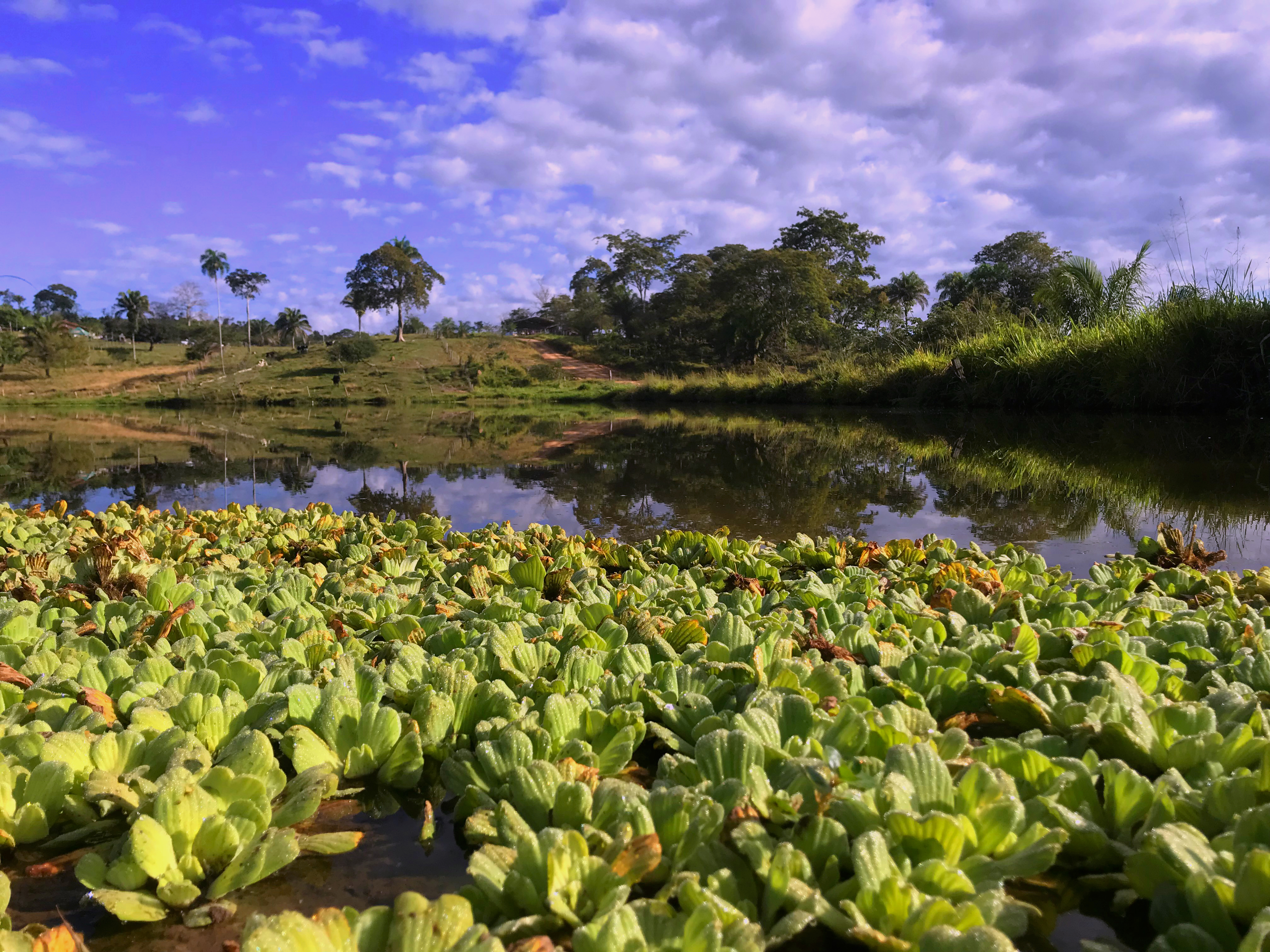
The ecotourism potential
The sources point out that the sites with the greatest ecotourism potential in the Bolivian Pantanal are near Puerto Suárez —Lake Cáceres, El Mirador, Tacuaral, Salao, the Motacucito caves and the Tamengo channel on the Paraguay River—, and that reaching the interior of the Pantanal (towards Puerto Busch) requires logistics and specialized operators.
Source: https://www.laregion.bo/todo-lo-que-debes-saber-sobre-el-parque-nacional-pantanal-otuquis/

📚 Bibliography

  • Wikipedia (ES) — «Parque nacional y área natural de manejo integrado Otuquis»: https://es.wikipedia.org/wiki/Parque_nacional_y_%C3%A1rea_natural_de_manejo_integrado_Otuquis
  • Lexivox — «Decreto Supremo Nº 24762, 31 de julio de 1997»: https://www.lexivox.org/norms/BO-DS-24762.html
  • La Región — «Todo lo que debes saber sobre el Parque Nacional Pantanal Otuquis»: https://www.laregion.bo/todo-lo-que-debes-saber-sobre-el-parque-nacional-pantanal-otuquis/
  • Global National Parks — «Parque Nacional Otuquis»: https://www.globalnationalparks.com/es/bolivia/otuquis/
  • BioBol / ICEA Bolivia — «Parque Nacional y ANMI Otuquis»: https://biobolorg.iceabolivia.org/index.php/areas-protegidas/ap-de-bolivia/75-parque-nacional-y-anmi-otuquis
  • Nativa Bolivia — «Conociendo Otuquis: un safari en el Pantanal boliviano»: https://nativabolivia.org/conociendo-otuquis-un-safari-en-el-pantanal-boliviano/
  • Bolivia Travel (oficial) — «Pantanal Boliviano»: https://boliviatravel.gob.bo/8pantanal-boliviano/
  • Amboro Tours — «Bolivian Pantanal»: https://amborotours.com/bolivian-pantanal/
  • iBolivia — «Parque Nacional Otuquis»: https://www.ibolivia.org/parque-nacional-otuquis
  • GoToLatin — «Bolivia: Pantanal, Puerto Suárez, Quijarro, San Matías»: http://bolivia.gotolatin.com/spa/Attr/htm/Bolivia-Pantanal.asp
  • Datos-Bo — «El Tren de la Muerte»: https://datos-bo.com/mundo/el-tren-de-la-muerte/
  • Red Uno — «Reactivan el ferrobús Santa Cruz–Quijarro: precios oficiales»: https://www.reduno.com.bo/economia/reactivan-el-ferrobus-santa-cruz-quijarro-estos-son-los-precios-oficiales-202622414835

❓ Frequently asked questions

What is the Bolivian Pantanal?+
It's the Bolivian part of the Greater Pantanal, the largest tropical wetland in the world (shared with Brazil and Paraguay), in the southeast of Santa Cruz. It is protected by two large areas created in 1997: Otuquis National Park (more than 1 million ha) and San Matías ANMI (some 2.9 million ha), both managed by SERNAP.
What wildlife can you see?+
It's one of the best places in South America to see wild animals: jaguars (with luck and patience), caimans, capybaras, marsh deer, monkeys, neotropical otter and a spectacular birdlife (340 bird species in Otuquis alone). The dry season concentrates the wildlife and makes sightings easier.
How do you get there and where do you base yourself?+
The usual base is Puerto Suárez and Puerto Quijarro, on the border with Corumbá (Brazil). You get there from Santa Cruz by plane with BoA (~1 h) or on the Ferroviaria Oriental railcar, brought back into service in 2026 with a weekly departure on Fridays at 18:00 from Santa Cruz, arriving in Puerto Quijarro at 09:00 on Saturday (Bs 130 for the full run, source: Red Uno, verified July 2026). From there, access to the Pantanal is arranged with operators and guides; it's a remote and logistically demanding destination.
When is the best time to go?+
In the dry season (May to September/October): better roads, wildlife concentrated by the water and fewer mosquitoes. In the rainy season much of the wetland floods and overland access becomes very difficult, though the water landscape is impressive.
Can you go on your own?+
Heading in alone is not advisable: this is a remote area, with difficult roads, wild animals and protected areas that have to be coordinated with SERNAP. The sensible thing is to hire a specialized operator to organize transport, a guide, permits and lodging. Some nearby trips (Lake Cáceres) are more accessible.
What should I bring?+
Light long-sleeved clothing, plenty of repellent, sunscreen, a hat, binoculars, a camera with a good zoom, a flashlight and suitable footwear. Water, patience for the wildlife and an adventurous mindset: the Pantanal rewards those who explore it calmly and with respect for nature.
Sources consulted (12)
Still planning?
Explore more destinations in Bolivia
See all destinations →
Advertisements
Image credits
Photos from Wikimedia Commons, each under its own licence (CC BY, CC BY-SA or public domain). Open each file to see its author and licence.
Parque Nacional de manejo Integrado de Otuquis