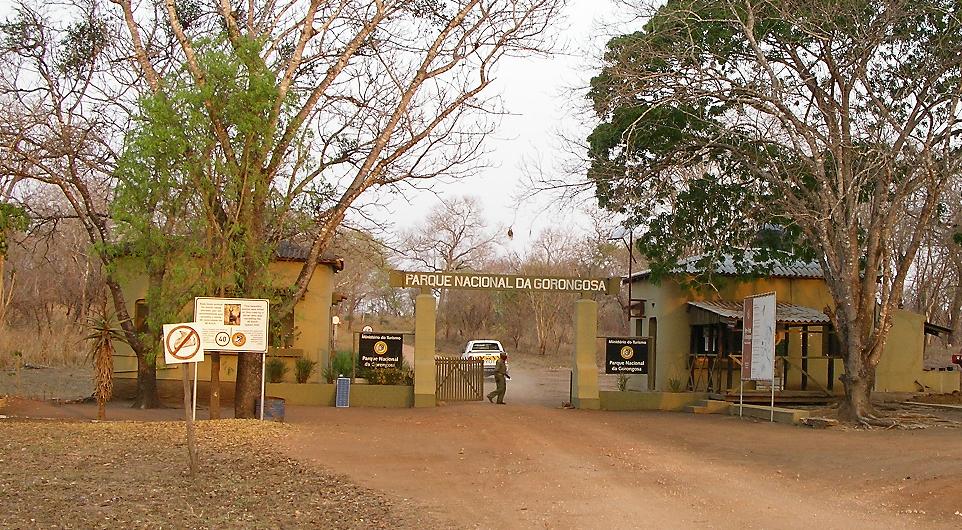
Gorongosa National Park is Mozambique's wild heart and one of the world's great conservation stories. At the southern end of the Great Rift Valley, around Lake Urema and Mount Gorongosa, lies a lush ecosystem of savannah, woodland and wetland that was once one of Africa's richest wildlife parks, was then almost wiped out by war, and is now making a spectacular comeback, full once more of lions, elephants, hippos and huge herds of antelope.
What makes Gorongosa unique is not just its wildlife but its story: after the Mozambican civil war, which wiped out more than 90% of its large animals, an ambitious restoration project launched in 2004 —backed by American philanthropist Greg Carr and his foundation, in partnership with the government— managed to bring the park back in an almost miraculous way. They reintroduced species, curbed poaching, brought in cutting-edge science and, above all, involved the local communities, turning Gorongosa into a global model of conservation combined with human development.
This guide explains how to visit Gorongosa: the guided safaris from Chitengo, the wildlife you can see, the climb up Mount Gorongosa with its rainforest and waterfall, when to go (the park closes in the rainy season), how to get there from Beira, where to stay and what fees you pay. For travellers, Gorongosa offers a different kind of safari, with the moving bonus of exploring a place that rose from the ashes of war.
In the 1960s and 70s Gorongosa was one of Africa's most famous parks, with thousands of elephants, lions, buffalo and hippos. The Mozambican civil war (1977-1992) devastated it: it became a battlefield and its wildlife was decimated, with more than 90% of the large animals lost. In 2004, an agreement between the government of Mozambique and the Carr Foundation of American businessman Greg Carr launched a restoration project that reintroduced species, fought poaching and involved the local communities. Today Gorongosa is one of the great recovery stories in world conservation. The details are on our history page.
Read the full history ↓The heart of the country, crossed by the Zambezi and the old corridors to Zimbabwe: the great port of Beira, the revived safari of Gorongosa and the green mountains of Chimanimani.
Read the history of The centre: Beira, Gorongosa and Chimanimani →No exact prices: a scale from $ (budget) to $$$$$ (luxury), with 2-3 options per category.
Origins, formation and what the sources say.
Gorongosa National Park holds a special place in Africa's geography: it sits at the southern end of the Great Rift Valley, the vast geological fracture that runs through the continent from north to south and that has been a cradle of biodiversity and of human evolution itself. In Gorongosa, that geology creates an exceptionally rich ecosystem: the Rift Valley forms a large plain where water collects, giving rise to Lake Urema and a mosaic of savannahs, wetlands, forests and palm groves teeming with life.
The key to it all is water. The rain that falls on Mount Gorongosa — the mountain that dominates the park, at almost 1,900 metres — feeds the rivers that run down to the plain and keeps Lake Urema and its wetlands going even in the dry season. That combination of mountain, rivers, lake and plain creates an unusual variety of habitats, able to support huge populations of herbivores and the predators that hunt them.
This natural wealth was recognised early on. The area was declared a hunting reserve in the first decades of the 20th century under Portuguese colonial rule, and in 1960 it officially became Gorongosa National Park. So began what would become one of the most famous and wildlife-rich parks on the whole African continent.
During the 1960s and early 1970s, Gorongosa enjoyed its golden age. It was one of the most famous and spectacular parks in Africa, on a par with the continent's great safari destinations. Its plains were home to thousands of elephants, buffalo, zebras, wildebeest, hippos and antelopes, along with plenty of lions, leopards and other predators. The park is estimated to have held populations of thousands of large mammals, with an astonishing density of wildlife.
Gorongosa drew visitors from all over the world, including famous people and celebrities of the day, won over by its wildlife and its beauty. Chitengo camp became a thriving tourist centre, with facilities that were modern for the time. The park was Mozambique's natural pride and a symbol of the richness of African wildlife.
That prosperity, however, rested on fragile political foundations. Mozambique was still a Portuguese colony, and the independence movement was growing in the country. Independence, which would come in 1975, and above all the civil war that broke out soon afterwards, would turn that paradise into a battlefield and push Gorongosa to the brink of total destruction.
After Mozambique's independence in 1975, the country soon sank into a brutal civil war (1977-1992) between the FRELIMO government and the RENAMO guerrillas. Because of its location in the centre of the country, Gorongosa ended up at the heart of the conflict: the area saw fighting, and the park became a base and refuge for armed forces. The war turned that wildlife sanctuary into a battlefield.
The consequences for the wildlife were catastrophic. During the war years, animals were hunted on a massive scale: to feed the troops, and for elephant ivory to fund the conflict and buy weapons. Gorongosa is estimated to have lost more than 90% — in some species, practically 100% — of its large mammals. The herds of thousands of elephants, buffalo, zebras and hippos were reduced to handfuls of survivors or disappeared altogether. Lions fell to just a few dozen. Chitengo camp was left in ruins.
When the war ended in 1992, Gorongosa was a shadow of what it had been: an empty park, with its infrastructure destroyed and its wildlife wiped out. It seemed like the end of one of Africa's great natural wonders. Few imagined that this devastated place would, not long after, become one of the most astonishing recovery stories in world conservation.
Gorongosa's revival began in the early 21st century. The American businessman and philanthropist Greg Carr, who had made his fortune in technology, took an interest in the park and decided to pour his energy and his money into rescuing it. In 2004 an agreement was signed between the government of Mozambique and the Carr Foundation to restore Gorongosa through a long-term partnership, and years later a joint management arrangement was set up that committed the project for decades. Carr ended up putting tens of millions of dollars of his own money into the initiative.
The restoration plan was comprehensive. Protection against poaching was stepped up with rangers; species that the war had wiped out were reintroduced, bringing in buffalo, wildebeest, elephants, zebras and other animals from other areas; and nature, once protected, was left to do the rest. Over the years, populations recovered spectacularly: today many exceed their pre-war numbers, and even predators such as African wild dogs and leopards have been reintroduced, while lions keep multiplying.
But perhaps the most revolutionary aspect of the Gorongosa Project was understanding that the park could not be saved in isolation from people. The initiative invested heavily in the surrounding communities — health, education, sustainable farming, empowering women and girls, the conservation coffee of Mount Gorongosa — on the idea that conservation is only viable if it improves the lives of the people around the park. That model of 'people-centred conservation' turned Gorongosa into a global benchmark.
Today's Gorongosa is a story of hope come true. The park is full of life again: lions, elephants, hippos, buffalo and huge herds of antelopes once more roam the plains of the Rift, and safari tourism has returned, drawn as much by the wildlife as by the place's extraordinary history. The rebuilt Chitengo camp welcomes visitors again, and a more upmarket lodge rounds out the options.
Gorongosa has also become a first-class scientific centre. The E.O. Wilson Biodiversity Laboratory — named after the celebrated American biologist, who was captivated by the park and called it one of the most diverse places on Earth — studies Gorongosa's fauna, flora and insects and trains young Mozambican scientists. The park thus brings together conservation, cutting-edge science and community development in a single project, recognised with international awards.
Not everything is solved: the park still faces challenges, from political tensions left over from the long war to pressure on its resources and the effects of climate change. But Gorongosa's journey — from natural jewel to battlefield, and from there to a global model of restoration — is one of the most inspiring in modern conservation. For travellers, exploring its plains is much more than a safari: it means witnessing how life, with human help, can overcome even the destruction of war.