Viajá con Gus
HomeArgentinaConcepción (Tucumán)
Concepción (Tucumán)
🇦🇷 Argentina · The North

Concepción (Tucumán)

Jump to what you need
📌Location
Concepción is the second most populated city in the province of Tucumán, after San Miguel de Tucumán (the capital). It sits in the south of the province, in the Chicligasta department, right in the middle of the sugar-growing 'pampa de pozo' plain, on National Route 38. It is the economic capital of southern Tucumán and a service hub for that whole sugarcane region, as well as the gateway to the valleys and hills of the west of the province
📌Getting there
It is about 80 km south of San Miguel de Tucumán along National Route 38, roughly 1 to 1.5 h by car. You can get there in your own car, by medium- and long-distance bus (it is a stop on the services linking the northwest with the center of the country) and, by air, through Tucumán International Airport (Benjamín Matienzo), in the provincial capital, from where you continue by road. It is a natural waypoint between Tucumán, Catamarca and Santiago del Estero
📌Best time to go
Concepción has a subtropical climate with a dry season: hot, humid summers (with the northwest's summer rains) and mild, dry winters. The best time to travel around the area is usually autumn and winter (May to September), with cooler, drier days. The sugar zafra (the cane harvest, in the cold months) fills the landscape with activity. Bring light clothing in summer and a light jacket for winter nights
📌Suggested days
You can see Concepción in a few hours: its plaza, its cathedral, its commercial life and its sugar-town feel. It works above all as a base or a service stop for exploring southern Tucumán: the reservoirs and dams in the area, the cane towns, the nearby Calchaquí Valleys (via Tafí del Valle or Santa María) and the hills to the west. With 1 day you see the city; with 2 or more, you use it as a starting point for trips around the region
📌Currency
Argentine peso (ARS). With high inflation, many prices are updated often; carry cash for small shops, taxis and rural services, where card readers aren't always available. Big cities take cards and digital wallets (Mercado Pago)
💱 ARS exchange rate
Loading rate…
🌤️ Weather in Concepción (Tucumán)
Loading weather…

Concepción is the 'capital of southern Tucumán': the province's second city and the big commercial, service and healthcare center for the whole sugarcane region of southern Tucumán. Ringed by the sea of sugarcane that defines the landscape and the economy of this part of the country, it is a city of work, of sugar mills and of the zafra, with an identity deeply tied to the sugar industry that shaped Tucumán's history.

It is not a classic postcard destination but a real, busy and populous city that works as a hub and a base for traveling around the south of the province. From here you reach the dams and reservoirs of the area, the towns of the foothills and, beyond them, the roads leading to the Calchaquí Valleys and the hills of western Tucumán. Its position on National Route 38 makes it an obligatory stop for anyone traveling through the northwest.

This guide takes a practical approach to Concepción: how to get there, what the climate is like, what to see in the city and, above all, how to use it as a base for exploring southern Tucumán and connecting with the province's big draws. It is the productive, authentic face of Tucumán, far from the better-known tourist circuit but key to understanding the region.

📖 History of Concepción (Tucumán)

Like the rest of the province, the southern Tucumán region was home to Indigenous peoples of Diaguita and Lule-Vilela stock before the Spanish conquest. Concepción was born and grew in the heat of the great industry that transformed Tucumán in the 19th century: sugar. The province became the 'garden of the Republic' and the country's main sugar hub, and southern Tucumán —with its Chicligasta department— filled up with mills and cane plantations that drew population and development. Concepción established itself as the urban, commercial and service center of that sugarcane region, going on to become the province's second city. Its history is shot through with the boom-and-bust cycles of the sugar industry, especially the deep crisis of the 1960s, when the closure of numerous mills hit Tucumán hard and marked the social and political life of the whole province. Even so, Concepción held on to its role as the economic capital of the south and a service hub. The full story is on our history page.

Read the full history ↓

🏛️ Concepción (Tucumán) is in Tucumán

The 'Garden of the Republic': the smallest province and one of the most densely populated, Diaguita land and home to the ruins of Quilmes, cradle of the Independence declared in 1816, of sugar and of the Calchaquí valleys.

Read the history of Tucumán →

🗺️ What to see

1
Main plaza and Cathedral
The civic heart of Concepción, with its main plaza and the cathedral church, the center of the city's social life.
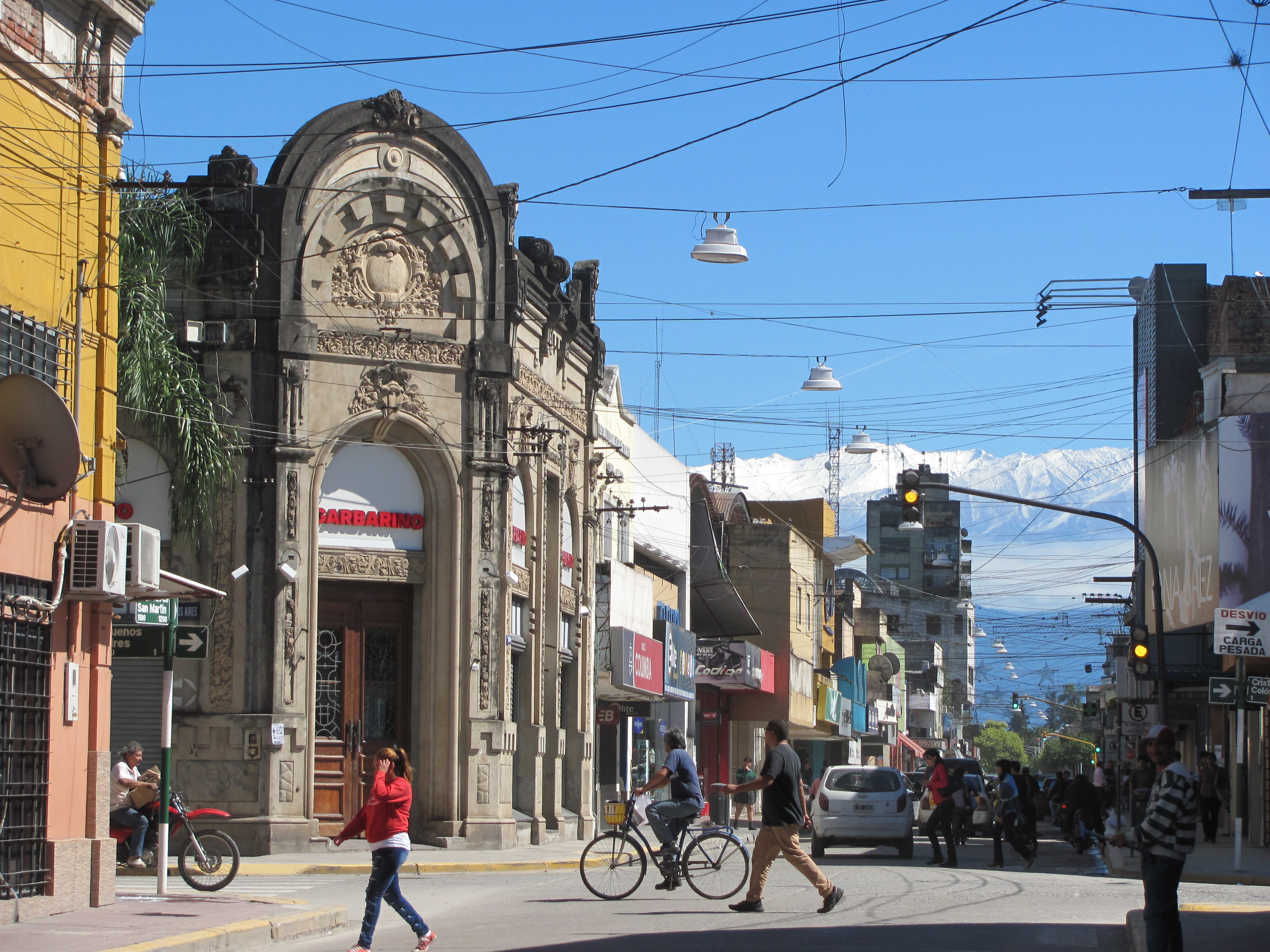
Like every city in the Argentine interior, Concepción organizes its life around its main plaza and its church. The central plaza is the civic and social heart of the city: a green space ringed by public buildings, shops and the cathedral, where the everyday rhythm of the 'capital of the south' beats. It is the best place to take the city's pulse, watch people go by and rest in the shade. The cathedral church presides over the plaza and is the city's main temple, the center of religious life in the region. Around the plaza are concentrated the commerce and the services that make Concepción the great supply center of southern Tucumán: shops, banks, offices and the urban life of a populous city. Walking the center of Concepción is a look into the real life of a working city in the northwest, tied to sugar and to trade, far from the tourist postcard but authentic and full of life. Getting there: in the city center, on foot. Best time: any day; morning and afternoon for the commercial bustle. Tips: take the chance to try the local food and buy regional products downtown.
ℹ️ Distance: Concepción city center (on foot) · Best time to go: All year round; morning and afternoon for the urban bustle · Admission: Free (public space) · Duration: 1 hour or more
2
The sugar landscape and the mills
The sea of cane and the sugar mills that surround Concepción and define the identity of southern Tucumán.
The great mark of identity of Concepción and of the whole region is sugar. The city is surrounded by vast canefields that cover the Tucumán plain to the horizon, in a green, rolling landscape that changes with the cane cycle. In the cold months comes the zafra, the sugarcane harvest, which starts up the machinery of the mills and fills the whole region with activity. The sugar mills —the big factories where cane is processed to produce sugar and, these days, alcohol and bioethanol too— are part of the landscape and the history of southern Tucumán. Some are still in full operation; others, closed during the sector's crises, stand as witnesses to a past of industrial splendor. Sugar culture soaks into the life, the economy and even the social memory of the region. Traveling around Concepción makes it clear why Tucumán was called the 'garden of the Republic' and helps you understand this land's deep relationship with cane. Getting there: by car along the roads that ring the city. Best time: the zafra (cold months) shows the activity at its peak. Tips: visits to working mills, when available, usually have to be arranged in advance with the company.
ℹ️ Distance: Around Concepción, on the sugarcane plain · Best time to go: The zafra (cold months), when the mills are in full operation · Admission: Traveling around the area is free; mill visits subject to availability and prior arrangement · Duration: Variable
3
Escaba Reservoir and Dam
The region's great sheet of water, on the Marapa River, ideal for fishing, boating and outings in the hills.
The Escaba Dam, on the Marapa River, southwest of Concepción, is the main natural attraction of southern Tucumán. It is a large reservoir of some 500 hectares ringed by hills covered in yungas cloud forest, in a humid highland setting that contrasts with the cane plain. You reach it from Juan Bautista Alberdi (about 25 km), along a provincial road that is part paved and part gravel mountain track. It is a legendary spot for fishing: catfish, pejerrey and tararira are caught here, and a yacht club offers boat rental and services. Around the village of Escaba there are campsites with tables and barbecue pits, an inn and simple lodgings. Among its curiosities are the old English Cemetery ringed by araucaria trees, a waterfall and a colony of millions of bats. It is a classic weekend destination for the people of Concepción and the region, who come for the cool of the water and the hills. Getting there: by car from Concepción via J. B. Alberdi (check the condition of the mountain stretch). Best time: spring and summer for the water; autumn for the colors. Tips: stock up on supplies; services are limited.
ℹ️ Distance: Southwest of Concepción, via J. B. Alberdi (about 25 km from Alberdi to the dam) · Best time to go: Spring and summer for the water; autumn for the colors · Admission: Free access to the area; camping and use of the Club Náutico Escaba facilities carry their own fee (estimated range US$ 2–6 per person per day based on similar campsites listed by Tucumán Turismo, verified July 2026; check the exact figure with Club Náutico Escaba) · Duration: Half a day to a full day (or a weekend with camping)
4
Food and the commercial life of downtown
The commercial bustle of the 'capital of the south' and its regional cooking: Tucumán empanadas, locro and sugar sweets.
Concepción is, above all, a commercial and service city, and you feel that downtown: streets full of shops, banks and markets, and a constant flow of people arriving from all over southern Tucumán to stock up. Walking the center is the best way to feel the pulse of a working city in the northwest. The food is a draw in itself. The star is the Tucumán empanada, famous all over Argentina, juicy and thin-crusted, perfect with a good wine. You can also try locro, humita en chala, tamales and criollo stews. As this is sugar country, regional sweets, alfajores and cane-based products abound, perfect to take home as a souvenir. It is the place to combine shopping, traditional food and the experience of a real city in the Argentine interior. Getting there: downtown, on foot. Best time: any day, during business hours. Tips: try the empanadas at a traditional meal and buy regional sweets to take with you.
ℹ️ Distance: Concepción city center (on foot) · Best time to go: All year round, during business hours · Admission: Free (to walk around); you pay for what you buy · Duration: Half a day
5
A base for the Calchaquí Valleys and western Tucumán
Concepción's role as a starting point for Tafí del Valle, Santa María, Amaicha and the western hills.
Beyond its own attractions, Concepción's great value for the traveler is its strategic position as a road hub for southern and western Tucumán. From here or from just outside town start the roads leading to some of the biggest destinations in the province and the region. To the northwest you reach the Calchaquí Valleys circuit: the climb to Tafí del Valle along Provincial Route 307, the Infiernillo pass, Amaicha del Valle and the Quilmes Ruins, plus the connection with Santa María (Catamarca) and Cafayate (Salta). It is one of the most spectacular routes in the northwest, for the way the landscape shifts from yungas cloud forest to the arid high-altitude valleys. Concepción thus works as a base, a rest stop and a supply point for anyone traveling around southern and western Tucumán, with its city-level services, lodging and food. Getting there: Concepción itself is the starting point; from here you take the roads west and northwest. Best time: all year round, depending on your final destination. Tips: fill up on fuel and supplies before heading into the mountain and valley roads.
ℹ️ Distance: Concepción as a road hub toward southern and western Tucumán · Best time to go: All year round, depending on the destination · Admission: Free (public roads) · Duration: Variable, depending on the route you choose
6
Cane towns and the foothills of southern Tucumán
Towns such as J. B. Alberdi, Aguilares, Graneros and the sugar villages that surround Concepción.
Around Concepción stretches a network of cane towns and cities that make up the productive heart of southern Tucumán: Aguilares, Juan Bautista Alberdi, Monteros, Graneros and other places linked by National Route 38 and by sugar culture. Each has its own plaza, its church, its mill (working or closed) and the feel of a working town in the interior. Traveling through these foothills lets you see the region's daily life up close: the canefields, the factories, the markets, the country stores and criollo cooking. J. B. Alberdi is also the gateway to the Escaba Dam, and from several of these towns roads head into the western hills. It is a route for anyone after the authentic, productive Argentina, far from mass tourism, with cane landscapes, hills in the background and the warmth of the people of the northwest. Getting there: by car along National Route 38 and provincial roads from Concepción. Best time: the zafra (cold months) to see the activity; all year round for the towns. Tips: combine the trip with a food stop for empanadas and regional sweets.
ℹ️ Distance: Towns 15–40 km from Concepción along National Route 38 · Best time to go: The zafra (cold months) for the activity; all year round for the towns · Admission: Free (to walk around); you pay for what you buy · Duration: Half a day to a full day
Advertisements
What nobody tells you

💵 Prices

Tickets

TypePrice
Main plaza and CathedralFree (public spaces)
A drive through the cane country and the millsFree (to drive around); guided visits to mills subject to availability and prior arrangement with each company
Escaba Dam and Reservoir (access)Free, open access (source: Tucumán Turismo, verified July 2026); camping and use of the Club Náutico Escaba facilities carry their own fee, about US$ 2–6 per person per day (estimated range based on similar campsites in the province; check the exact figure with the club, verified July 2026)
Boat rental at Escaba (yacht club)About US$ 8–20 an hour depending on the boat (estimated range based on sport-fishing services in the region, verified July 2026; check the current rate with the yacht club)
Roads to the Calchaquí Valleys and the westFree (public roads)
🔄 updated monthlyOfficial / reference values · double-check when buying

Activities and tours

ActivityPriceDurationOperator
City tour of Concepción and the cane countryUS$ 20–40 per person for a half day (range according to local agencies in southern Tucumán, verified July 2026)Half a dayLocal guides and agencies in southern Tucumán
Trip to the Escaba Reservoir and the western hillsUS$ 45–85 per person for a full day with transfer (range according to agencies in southern Tucumán and in the provincial capital, verified July 2026)Full dayAgencies in southern Tucumán and in the provincial capital
Calchaquí Valleys circuit (Tafí–Amaicha–Quilmes)US$ 55–110 per person for a full day (range according to Tucumán agencies, verified July 2026)Full day or moreTucumán agencies
Fishing on the Escaba Reservoir (with a boat)US$ 25–65 per person per day with boat rental (range according to Club Náutico Escaba and fishing forums, verified July 2026)Variable (a full day)The fishing club and local operators in Escaba
🔄 updated monthlyOfficial / reference values · double-check when buying
Advertisements

🚌 How to get there and distances

Getting around

ModePriceDurationNotes
On foot around downtownFreeVariableConcepción's shopping district and plaza are walkable
Taxis and remises in townAbout US$ 2–5 per trip within town (range estimated from comparable fares in the northwest, verified July 2026)VariableAvailable in the city for trips around town and to nearby towns; agree the price beforehand if you are heading to another town
Own or rented carFrom US$ 30–55 a day; fuel not included (range according to rental comparison sites, verified July 2026)VariableThe most practical option for using Concepción as a base and traveling around southern and western Tucumán
City and intercity busesAbout AR$ 4,370 for a ticket to Concepción from San Miguel de Tucumán (source: El Tucumano, 2026 fare, verified July 2026)VariableServices (Andesmar and others) linking Concepción with San Miguel de Tucumán and the towns of the south, roughly every 4 h. Check the timetables
🔄 updated monthlyOfficial / reference values · double-check when buying

How to get there

RouteAirlines / operatorsAvg. priceDuration
San Miguel de Tucumán → Concepción (along National Route 38)Andesmar, Transporte Aconquija and other medium-distance companies; or your own carAbout AR$ 4,370 for the ticket (source: El Tucumano, verified July 2026); online platforms show fares from US$ 3-26 depending on how far ahead you bookApprox. 55 min to 1.5 h (about 80 km)
Tucumán Airport (Benjamín Matienzo) → ConcepciónPrivate transfer/remís, or a bus combination via the terminal in the provincial capitalPrivate transfer about US$ 50–90 per trip (range estimated from Tucumán remís companies, verified July 2026); much less by bus (via the provincial capital)Approx. 1.5 to 2 h (via the provincial capital and National Route 38)
Santiago del Estero / Catamarca → ConcepciónLong-distance bus companies of the northwest; or carAbout US$ 8–20 depending on where you start (range according to ticket sales platforms, verified July 2026)Depends on where you start (a road hub of the northwest)
Buenos Aires → Tucumán (by air) + transfer to ConcepciónAerolíneas Argentinas, Flybondi, JetSmart (to Tucumán) + roadFlight about US$ 65–150 each way depending on how far ahead you book (range according to flight comparison sites, verified July 2026) + transfer to ConcepciónFlight of approx. 2 h + 1.5–2 h transfer
🔄 updated monthlyOfficial / reference values · double-check when buying

🏨 Where to stay

No exact prices: a scale from $ (budget) to $$$$$ (luxury), with 2-3 options per category.

CategoryPriceRecommended options
Budget lodgings and simple hotels$$$$$US$ 19–45 a night; budget hotels and guesthouses downtown, heavily used by people traveling the northwest along National Route 38 (range based on Travelocity and Expedia, verified July 2026; cheaper in August)
City hotels (mid-range)$$$$$US$ 45–75 a night; mid-range hotels downtown for business travelers and tourists passing through, with air conditioning and breakfast (range based on Booking.com and Kayak, verified July 2026)
Upper-end hotels and aparthotels$$$$$US$ 75–110 a night; the most complete options in the city, with parking and full services (range based on Tripadvisor and Booking.com, verified July 2026). The high-end offering in Concepción is limited
Cabins and rural lodgings (Escaba and the hills)$$$$$Cabin US$ 35–80 a night; camping US$ 4–10 per person (range estimated from campsites listed by Tucumán Turismo and Amo al Camping, verified July 2026). For those after nature outside the city

🍴 Where to eat

TypePriceOptions / signature dish
Regional Tucumán food$$$$$US$ 5–12 per dish/portion; restaurants and eateries with the classics of the northwest: Tucumán empanadas, locro, humita, tamales and stews (range based on local reviews, verified July 2026). The Tucumán empanada is a must
Grills and criollo cooking$$$$$US$ 8–18 per dish; grills and criollo restaurants with asado, milanesas and meat (range based on traveler forums for the northwest, verified July 2026)
Pizzerias, cafés and takeaway shops$$$$$US$ 3–10 per person; pizzerias, cafés and takeaway shops downtown for quick meals and afternoon snacks (range estimated from comparable places in Tucumán, verified July 2026)
Sweets and sugar products$$$$$US$ 2–7 depending on the product; regional sweets, alfajores and cane-based products in bakeries and markets (estimated range, verified July 2026). Great to try and to take home
Advertisements

📖 History of Concepción (Tucumán)

Origins, formation and what the sources say.

The Indigenous peoples of southern Tucumán

In 1966, a military decree shut down more than a dozen sugar mills in Tucumán at a stroke. Overnight, entire towns that had been born and had lived for a century to the rhythm of the zafra were left without the factory that gave them meaning: no work, no wages, no chimney smoke marking the hours. That blow, one of the harshest in 20th-century Argentine social history, is the other side of a story that begins much earlier and that explains, better than any other, why Concepción is what it is today: the capital of a region that lived through (and suffered) the sugar fever like few others.

But before the cane there was another story, a far older one. The region where Concepción stands today, in the south of the province of Tucumán, was inhabited by Indigenous peoples long before the Spaniards arrived. Tucumán territory was a contact zone between different cultures: in the valleys and hills of the west, peoples of Diaguita stock predominated (speakers of Cacán, farmer-potters and builders in stone), while on the plain and the eastern foothills Lule-Vilela groups settled, with habits more tied to hunting, gathering and incipient agriculture.

These peoples drew on the abundance of the Tucumán plain, watered by the many rivers that come down from the Aconquija range and the western hills, in a setting of yungas cloud forest and scrub. The area of today's Chicligasta department —whose name preserves that Indigenous root— was part of that mosaic of peoples of southern Tucumán.

With the Spanish conquest and the founding of the cities of colonial Tucumán, the region was folded into the encomienda system and into the routes connecting Upper Peru with the rest of the Viceroyalty. But the great leap in the history of southern Tucumán would come much later, with the industry that would transform the landscape and the economy for good: sugar.

Diaguitas and Lule-Vilelas
Tucumán territory was inhabited by Diaguita peoples (in the valleys and hills of the west) and Lule-Vilelas (on the plain and the foothills). The precise ascription of the groups of southern Tucumán is reconstructed from regional ethnohistory and is best taken as an approximation.
Source: https://es.wikipedia.org/wiki/Provincia_de_Tucum%C3%A1n

Tucumán and sugar: the 'garden of the Republic'

The modern history of Concepción is inseparable from that of sugar. Over the course of the 19th century, and especially from the second half onward, Tucumán developed a powerful sugar industry based on growing cane, favored by the subtropical climate, the abundance of water and the fertile soils. The province became Argentina's main sugar hub and earned the nickname 'garden of the Republic'.

The definitive takeoff came with the railway connection: the arrival of the railway in Tucumán, around 1876, made it possible to ship sugar to the country's big markets and set off the expansion of the industry. The mills —the big factories that processed the cane— multiplied, and canefields covered the plain, drawing workers and capital. Cane and the mill organized the economic, social and even political life of the province.

Southern Tucumán, with its suitable climate and land, was one of the great cane-growing areas. Mills and plantations were set up there, and the towns of the region grew to the rhythm of sugar. Concepción, thanks to its position at the center of that productive plain in the Chicligasta department, gradually established itself as the urban, commercial and service nucleus of the whole sugarcane region of the south.

The railway and the sugar boom
The arrival of the railway in Tucumán around 1876 was decisive for the expansion of the sugar industry, connecting production with the national markets. Tucumán thus established itself as the country's great sugar center. The precise dates and figures are best checked against historical sources.
Source: https://es.wikipedia.org/wiki/Industria_azucarera_en_Argentina

The birth and growth of Concepción

Concepción took shape and grew as a city under the shelter of southern Tucumán's sugar prosperity. The spot where it stands today was called La Ramada until the middle of the 19th century, when it began to be called Concepción de la Ramada; around 1849 the first church was built, and the official founding of the villa was recorded in 1861, under the government of Salustiano Zavalía, on the initiative of a group of settlers who wanted to gather around an urban center. The municipality was formally created on 22 November 1896, with a first mayor bearing an English surname: Stewart Shipton. From then on, its position on the roads of the south of the province gave it scale until it became the main urban center of the region, the seat of the Chicligasta department and the second most populated city in Tucumán.

The city concentrated the commerce, the services, the healthcare and the administration of the whole cane-growing area of the south, turning into its de facto economic capital. As the sugar industry employed thousands of workers and drove the regional economy, Concepción grew as a supply, trading and reference point for a wide area of mills, plantations and rural towns.

Its identity was thus marked by work: a city of shopkeepers, professionals, mill employees and cane workers, with the pulse of a town in the productive interior. Unlike the tourist destinations of the valleys, Concepción is the face of working Tucumán, tied to the land and to industry.

Concepción as the capital of southern Tucumán
Concepción established itself as the second city of Tucumán and the economic and service capital of the south of the province, tied to the sugar industry. The villa was officially founded in 1861 and the municipality was created in 1896.
Source: http://biblioteca.cfi.org.ar/documento/historia-del-municipio-de-concepcion-provincia-de-tucuman/

The sugar crisis of the 1960s

The history of Tucumán and of its southern region has a dramatic chapter: the deep crisis of the sugar industry in the 1960s. On 22 August 1966, only weeks after the coup that put General Juan Carlos Onganía in power, the de facto government issued decree-law 16,926, ordering the closure of 11 of the 27 mills that sustained the province's economy, as part of a policy of 'rationalizing' a sector considered oversized and inefficient. The first mills taken over were Bella Vista, Esperanza, La Florida, Lastenia, Nueva Baviera, La Trinidad and Santa Lucía, and the closure process dragged on for almost two years.

The blow was devastating. An estimated 50,000 workers were left without jobs and unemployment in the province climbed to 15%, three times the national average at the time. More than 200,000 people from Tucumán —close to a third of the province's population— had to emigrate in the following years, mostly to Buenos Aires and its suburbs, in one of the largest internal economic diasporas in 20th-century Argentine history. Entire towns that lived purely and exclusively off the mill went into a decline many never fully recovered from.

That wound is so deeply engraved in the collective memory that in 2021 a provincial law established 22 August as the 'Day of Redress to the People of Tucumán', in tribute to those who suffered the closure of the mills. For a good part of the historiography, that episode was also one of the precedents that explain the growing social conflict and the later militarization of the province, almost a decade afterward, with the so-called Operativo Independencia of 1975.

Southern Tucumán, with its heavy dependence on sugar, took the full force of these consequences. Even so, Concepción managed to hold on to its role as the commercial and service center of the region, diversifying its activity and remaining the head city of the south, even amid the restructuring of the industry.

The 1966 closure of the mills
Under decree-law 16,926/66 of the Onganía government, 11 of Tucumán's 27 sugar mills were closed, with some 50,000 direct layoffs and the emigration of more than 200,000 people from Tucumán in the years that followed. The figures vary slightly depending on the source consulted.
Source: https://www.conicet.gov.ar/a-56-anos-del-cierre-masivo-de-los-ingenios-azucareros-en-tucuman-por-parte-de-la-dictadura-de-ongania/

Concepción today: capital of southern Tucumán

Today Concepción keeps its standing as the second city of Tucumán and the economic capital of the south of the province. Although the sugar industry has gone through restructuring —with fewer mills but also with the addition of bioethanol production and other by-products—, cane is still a central part of the region's landscape and economy, and the zafra still sets the calendar.

The city concentrates the commerce, the healthcare services, the education and the administration of a wide area of southern Tucumán, and works as a road hub on National Route 38, an obligatory waypoint for anyone traveling through the northwest. It is also a base and a gateway for reaching the hill reservoirs of the west and the roads leading to the Calchaquí Valleys.

Concepción is, in short, the productive, authentic face of Tucumán: a working city born of sugar, run through by its booms and crises, that holds on to its role as capital of the south and its identity tied to the land, the cane and the effort of its people.

📚 Bibliography

  • Wikipedia (ES) — «Concepción (Tucumán)»: https://es.wikipedia.org/wiki/Concepci%C3%B3n_(Tucum%C3%A1n)
  • Wikipedia (ES) — «Departamento Chicligasta»: https://es.wikipedia.org/wiki/Departamento_Chicligasta
  • Wikipedia (ES) — «Provincia de Tucumán»: https://es.wikipedia.org/wiki/Provincia_de_Tucum%C3%A1n
  • Wikipedia (ES) — «Industria azucarera en Argentina»: https://es.wikipedia.org/wiki/Industria_azucarera_en_Argentina
  • Wikipedia (ES) — «Embalse de Escaba»: https://es.wikipedia.org/wiki/Embalse_de_Escaba
  • Wikipedia (ES) — «Lule (etnia)»: https://es.wikipedia.org/wiki/Lule_(etnia)
  • Ente Tucumán Turismo (oficial): https://www.tucumanturismo.gob.ar/
  • CONICET — Cierre de ingenios azucareros en Tucumán (1966): https://www.conicet.gov.ar/a-56-anos-del-cierre-masivo-de-los-ingenios-azucareros-en-tucuman-por-parte-de-la-dictadura-de-ongania/
  • La Gaceta — Ocho respuestas para entender el cierre de los ingenios: https://www.lagaceta.com.ar/nota/696451/economia/ocho-respuestas-para-entender-cierre-ingenios.html
  • CFI — Historia del Municipio de Concepción (Tucumán): http://biblioteca.cfi.org.ar/documento/historia-del-municipio-de-concepcion-provincia-de-tucuman/

❓ Frequently asked questions

What is Concepción and where is it?+
Concepción is the second city of the province of Tucumán, in the south of the province (Chicligasta department), on National Route 38, about 80 km from San Miguel de Tucumán. It is the economic and service capital of southern Tucumán, right in the middle of the sugar region.
Is Concepción, Tucumán, worth visiting?+
Concepción is not a postcard destination but a real, commercial, hard-working city tied to sugar. Its greatest value for the traveler is as a base, a stop and a service hub for traveling around southern and western Tucumán, including the hill reservoirs (such as Escaba) and the connection with the Calchaquí Valleys. If you are traveling the northwest along National Route 38, it is a practical stop with good food and cheap hotels.
How do I get to Concepción and how much does it cost?+
By car from San Miguel de Tucumán along National Route 38 (55 min to 1.5 h) or from Catamarca and Santiago del Estero; by medium- and long-distance bus (the ticket from the provincial capital runs about AR$ 4,370, verified July 2026, source: El Tucumano); or by air to Tucumán Airport, in the provincial capital, and then by road. Check the fares when you travel.
How much does it cost to visit the Escaba Dam?+
Access to the area is free and open (source: Tucumán Turismo, verified July 2026). Using the Club Náutico Escaba campsites carries its own fee (estimated US$ 2–6 per person per day), and boat rental runs about US$ 8–20 an hour. Bring cash and supplies, because services are limited. Check the exact figures with the yacht club before you travel.
What is there to see near Concepción, Tucumán?+
From Concepción you can reach the dams and reservoirs of southern Tucumán (such as Escaba), the western hills and, to the northwest, the Calchaquí Valleys circuit: Tafí del Valle, the Infiernillo pass, Amaicha del Valle, the Quilmes Ruins and the connection with Santa María and Cafayate.
When is the best time to visit Concepción, Tucumán?+
Autumn and winter (May to September) tend to be the most pleasant, with cool, dry days; they also coincide with the sugar zafra. Summer is hot and humid, with summer rains. Bring light clothing in summer and a light jacket for winter nights.
What traditional food can I try?+
The star is the Tucumán empanada, famous across the country. Also locro, humita, tamales and criollo stews, plus the grills. As this is sugar country, regional sweets and cane-based products abound. A traditional meal runs about US$ 5–12 per person, verified July 2026.
Sources consulted (17)
Still planning?
Explore more destinations in Argentina
See all destinations →
Advertisements
Image credits
Photos from Wikimedia Commons, each under its own licence (CC BY, CC BY-SA or public domain). Open each file to see its author and licence.
Calle San Martin, Concepcion