Viajá con Gus
HomeArgentinaCabra Corral
Cabra Corral
🇦🇷 Argentina · The North

Cabra Corral

Jump to what you need
📌Province
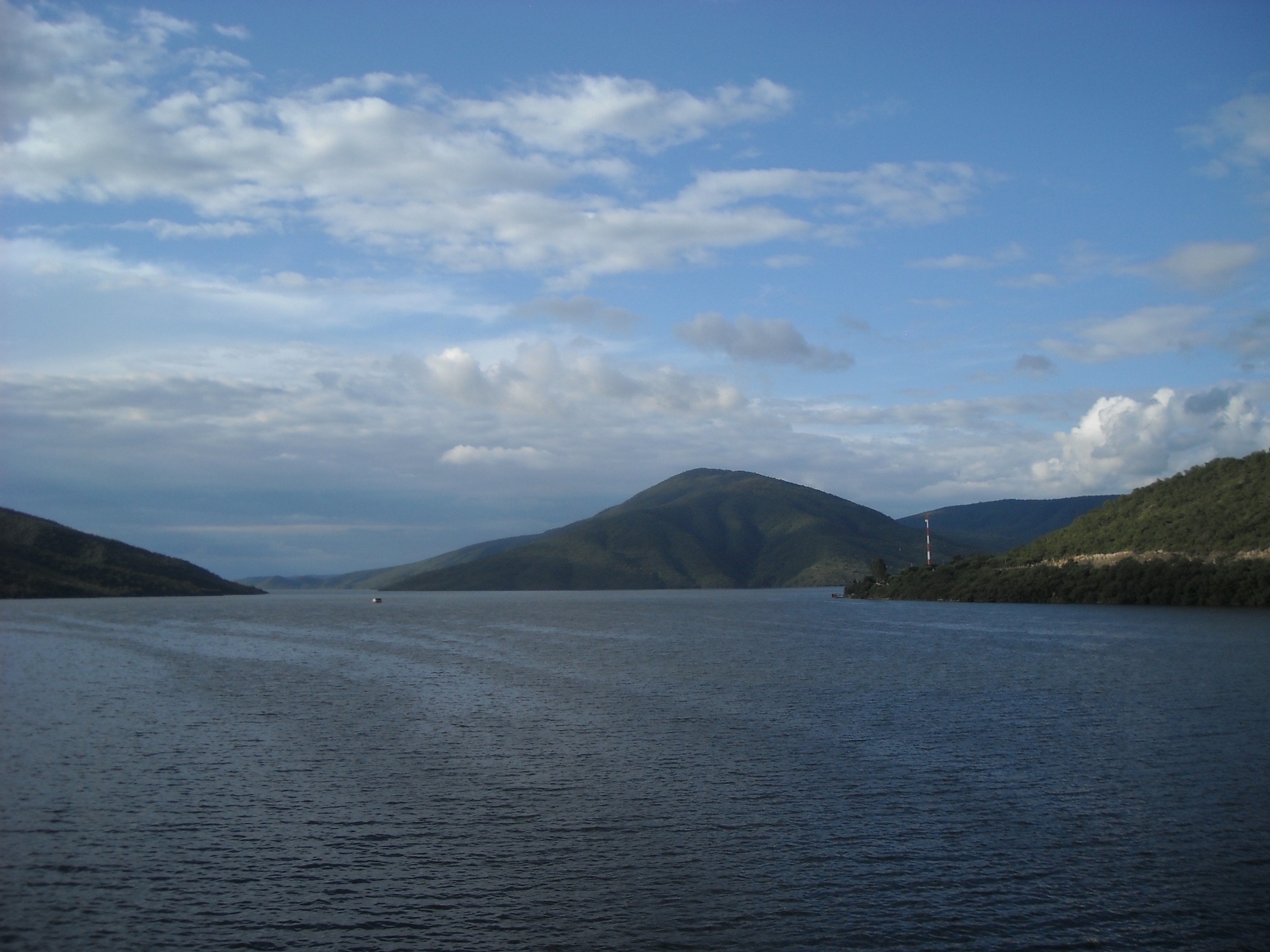
Salta (the Cabra Corral reservoir, formed by the General Belgrano dam on the Juramento river, in the center-south of the province, some 80 km from the city of Salta). It is one of the largest reservoirs in northwestern Argentina and Salta's main boating and fishing destination, on the doorstep of the Calchaquí Valleys. A vast sheet of water ringed by hills, ideal for water sports, sport fishing and rest
📌Service city
The service base is the city of Salta, a little over an hour away, with an airport, hospitals and every service; near the reservoir are the town of Coronel Moldes and the El Carril/Cabra Corral area, with inns, resorts, campsites and boat clubs. Around the dam there are places to sleep, restaurants and water-activity operators. It is a classic escape from the city of Salta
📌Best time to go
The best time to enjoy the water is spring and summer (October to March), when the heat makes boating and swimming inviting, although summer coincides with the northwest's summer rains. Autumn and winter are cooler and drier, pleasant for fishing and for resting, with fewer people. Fishing has seasons depending on the species (check first). At weekends and on public holidays, above all in summer, the reservoir fills with visitors
📌Suggested days
Cabra Corral is usually visited on a day trip from Salta, for boating, fishing or simply enjoying the beaches and the resorts. With 1 or 2 nights in the inns or resorts in the area you get the most out of the reservoir, the fishing and the water activities. It pairs well with a run through the Calchaquí Valleys (heading for Cafayate) or with a visit to the city of Salta and its surroundings
💱 ARS exchange rate
Loading rate…
🌤️ Weather in Cabra Corral
Loading weather…

Cabra Corral is Salta's great inland sea: an enormous reservoir formed by the General Belgrano dam on the Juramento river, a little over an hour from the city of Salta. With its huge expanse of blue water ringed by hills, it is the province's main boating and fishing destination and one of the favorite escapes for locals looking to beat the heat, get out on the water and spend the day outdoors.

The reservoir is a paradise for anyone who loves water: you can do it all here, from sailing, kayaking, windsurfing and jet skis to sport fishing (it is famous for pejerrey, the silverside, and other species), by way of the thrill of rafting on the Juramento river downstream of the dam. For the bold, there is even bungee jumping from a bridge over the water. And for those after calm, its beaches, its resorts and its sunsets over the lake make a perfect plan for doing nothing.

This guide covers the essentials of Cabra Corral with a practical, friendly eye: boating and fishing, rafting on the Juramento, the beaches and the resorts, how to get there from Salta and how to combine it with the Calchaquí Valleys. It is the watery, sporting face of northern Argentina, a refreshing contrast with the hills and the valleys, and a good addition to any trip through Salta.

📖 History of Cabra Corral

The Juramento river region, where the Cabra Corral reservoir stands today, has its place in Argentine history: on its banks, General Manuel Belgrano had his troops swear allegiance to the national flag for the first time in February 1813, an episode that gave the river its name (it had previously been called the Pasaje). In pre-Hispanic times the area was inhabited by peoples of the Lerma valley and the Calchaquí Valleys, and through the colonial period it was a land of haciendas and estancias. The great change came in the 20th century with the building of the General Belgrano dam (popularly known as the Cabra Corral dam), a major piece of engineering on the Juramento river, built between 1966 and 1972 and inaugurated on 15 April 1972, designed to control the river's floods, generate hydroelectric power and supply water for irrigation. The dam formed one of the largest reservoirs in northwestern Argentina, a vast sheet of water that soon became the province's main center for recreation, boating and fishing. In the decades that followed, inns, resorts, campsites and boat clubs grew up along its shores, and rafting on the Juramento river was added downstream of the dam, cementing Cabra Corral as a destination for nature and water sports. The full story is on our history page.

Read the full history ↓

🏛️ Cabra Corral is in Salta

Salta la Linda: the colonial jewel of the northwest, Diaguita land of the Calchaquí Valleys, setting of Güemes and his gaucho war, of the high-altitude wines of Cafayate and of the legendary Tren a las Nubes.

Read the history of Salta →

🗺️ What to see

1
The reservoir and water sports
The vast sheet of water for sailing, kayaking, windsurfing, jet skis and every kind of water sport.
The Cabra Corral reservoir is the heart of the destination: an immense sheet of blue water, one of the largest in northwestern Argentina, ringed by hills, and an ideal setting for water sports. With its size and its hill-country surroundings, it is Salta's main aquatic center and a magnet for anyone looking to cool off and have fun on the water. The range of activities is wide: sailing and motorboating, boat trips, kayaking, stand-up paddle, windsurfing, water skiing, jet skis and banana rides. The boat clubs and operators in the area rent gear and run excursions and lessons. Touring the reservoir by boat, exploring its corners and bays and watching the sun go down over the water are the classic things to do here. The reservoir also hosts competitions and boating events, and is a meeting point for water sports enthusiasts from across the region. The combination of water, sun and mountains makes Cabra Corral unusual within northern Argentina. Getting there: a little over an hour from the city of Salta, by car or on an excursion. Best time: spring and summer for the water. Tips: book activities with licensed operators and clubs, wear a life jacket, use sunscreen and drink plenty of water; check the state of the reservoir and which services are running that season.
ℹ️ Distance: Some 80 km from the city of Salta (a little over 1 h by car) · Best time: Spring and summer (October to March) for the water · Admission: Free access to public areas; a boat trip or kayak roughly US$ 12–28 per person (range according to boat clubs, verified July 2026) · Duration: Half a day to a full day (or more if you stay over)
2
Sport fishing (pejerrey and more)
One of the best fishing spots in the north, famous for its pejerrey and other species in the reservoir.
Cabra Corral is one of the best-known sport fishing destinations in northwestern Argentina. Its enormous reservoir holds substantial fish populations, and it is especially famous for pejerrey, the silverside, one of the species anglers most want, alongside others found in the Juramento river system. Fishing, both from the shore and from a boat, is one of the great draws here. The reservoir attracts anglers from across the region and the country, and hosts fishing tournaments and competitions, above all for pejerrey. Local operators run boat fishing trips with guides who know the best spots, and rent gear and boats. The calm of the water and the beauty of the surroundings add to the pleasure of the day. Fishing has seasons and regulations that vary by species, so find out about the current rules, the permits you need and the open seasons before setting out. It is an activity that pairs perfectly with resting and boating. How to do it: with local guides and operators, from a boat or from the shore. Best time: check the fishing season for the species you're after. Tips: look into fishing permits and regulations, respect the conservation rules (minimum sizes, catch and release) and hire licensed guides for boat fishing.
ℹ️ Distance: On the Cabra Corral reservoir, a little over 1 h from Salta · Best time: Depends on the fishing season and the species (check first) · Admission: A guided boat fishing trip roughly US$ 45–95 per boat for the day (range according to local operators, verified July 2026); the provincial fishing permit is extra · Duration: Half a day to a full day
3
Rafting on the Juramento river
The thrill of rafting downstream of the dam, between canyons and a landscape of colored hills.
Downstream of the General Belgrano dam, the Juramento river offers one of the best rafting settings in northern Argentina. The water released by the dam feeds a stretch of river whose rapids wind between canyons and colored hills, making for an accessible, exciting adventure that, at its gentler grades, suits beginners and families. Rafting trips, run by specialist operators, usually include the gear, the instruction, the guides and the descent of the river in inflatables, running the rapids and taking in the scenery of the Juramento canyon. It is a very popular complement to the reservoir and a fun way to experience water in motion, in contrast to the calm of the lake. The Juramento area, with its geological formations, its reddish hills and, in some sectors, fossil tracks and paleontological sites, adds natural interest to the run. Rafting is one of the star activities of Cabra Corral and its surroundings. How to do it: with specialist rafting operators in the area or from Salta. Best time: depends on the flow and the season (check first). Tips: hire licensed companies with good gear, follow the guides' instructions, bring clothes that can get wet and sun protection; ask about the difficulty grade given the flow at the time.
ℹ️ Distance: The Juramento river, downstream of the dam (near the reservoir) · Best time: Depends on the flow and the season (check first) · Admission: $49,000 ARS per person with transfer from your hotel; optional asado (barbecue) $24,000 ARS more (source: Salta Rafting, verified July 2026); book ahead · Duration: Half a day (including transfers and instruction)
4
Beaches, resorts and rest by the lake
The beaches, inns and resorts on the shores of the reservoir, for sun, water and quiet.
Beyond the sports and the fishing, Cabra Corral is an excellent place to rest by the water. Along the shores of the reservoir are beaches, bathing spots, inns, resorts, campsites and clubs offering a quiet setting in which to enjoy the sun, the water and the hill scenery. It is a classic escape for the people of Salta, for a day or a weekend. The resorts and inns have restaurants, pools, beach areas, places to rest and, in many cases, access to the water activities. Spending the day beside the lake, having lunch looking out at the water, swimming and watching the sun set over the reservoir makes a perfect plan for relaxing in nature. Being so close to the city of Salta makes Cabra Corral an ideal addition to a trip through the north, pairing the city and the valleys with a day of water and rest. The setting of hills and the great sheet of water guarantee lovely photographs. Getting there: a little over an hour from Salta, by car or on an excursion. Best time: spring and summer for the water; autumn and winter for the quiet. Tips: check which services the resorts and bathing spots are running that season, bring sun protection and water, and book accommodation in high season and at weekends.
ℹ️ Distance: The shores of the reservoir, a little over 1 h from the city of Salta · Best time: Spring and summer for the water; autumn/winter for the quiet · Admission: Free access to public areas; private bathing spots with day use roughly US$ 5–12 per person (range according to travel blogs, verified July 2026) · Duration: A day or a weekend
5
The General Belgrano dam and the river of the oath to the flag
The great dam and the historic river where Belgrano first had the national flag sworn to.
The Cabra Corral reservoir is formed by the General Belgrano dam, a major piece of engineering on the Juramento river inaugurated on 15 April 1972 to control flooding, generate hydroelectric power and supply water for irrigation. The dam, with its wall and its setting, is a point of interest in itself and the origin of everything that draws tourists to the area. Taking in the scale of the works and of the reservoir they created is part of the visit. The Juramento river also carries strong historical weight: on its banks, General Manuel Belgrano had his troops swear allegiance to the national flag for the first time, in February 1813, during the wars of independence. That episode gave the river its name (it had previously been the río Pasaje) and connects this watery landscape with one of the founding moments of the country. That is why both the dam and the area carry Belgrano's name. Getting to know the dam, its history and the river's adds a historical and engineering dimension to the natural and sporting pleasures of the reservoir, and helps explain why this place matters so much to the people of Salta and to Argentine history. Getting there: the dam is at the end of the reservoir; you reach it on the area's roads. Best time: any time; combine it with the reservoir's activities. Tips: ask whether there are viewpoints or open access to the dam; pair the visit with boating, fishing or rafting.
ℹ️ Distance: The General Belgrano dam, on the Cabra Corral reservoir (a little over 1 h from Salta) · Best time: Any time (can be combined with the reservoir's activities) · Admission: Free (access to public areas and viewpoints; ask which accesses to the dam crest are open) · Duration: Can be combined with the rest of the visit
6
Bungee jumping and zip line from the bridge
The big adrenaline leap over the reservoir: bungee jumping and a zip line from a bridge, one of the most sought-after experiences at Cabra Corral.
Cabra Corral is one of the few places in northern Argentina where you can bungee jump, and it has become one of its trademarks. The jump is made from a bridge over the reservoir, with a free fall of several dozen meters before the bungee cord bounces you back above the lake. It is an intense experience, run by specialist operators with proper equipment and safety protocols, aimed both at adrenaline lovers and at people working up the nerve for the first time. The same bridge and the area around the dam offer other adventure activities: a zip line (canopy) crossing over the water, rappelling and 'puenting' (a pendulum swing from the bridge). Many operators put together adrenaline packages combining several of these in a single day, sometimes along with rafting on the Juramento, which turns Cabra Corral into an open-air natural adventure park. These activities mostly run in season (spring-summer) and at weekends, although several operators work all year with advance booking. Check availability and conditions before traveling, especially outside high season. How to do it: with licensed adventure tourism operators at Cabra Corral or from Salta. Best time: spring and summer; book ahead. Tips: follow the instructors' directions, wear comfortable clothes and closed shoes, and if you have heart or spine problems, take advice before jumping.
ℹ️ Where: The bridge over the reservoir, in the area of the General Belgrano dam · Activities: Bungee jumping, zip line, rappelling and puenting · Price: Bungee $45,800 ARS; puenting $38,800 ARS; rappelling $22,400 ARS; zip line $28,800 ARS (source: Extreme Games Cabra Corral, verified July 2026) · Booking: Booking is advisable, above all outside high season
Advertisements
What nobody tells you

💵 Prices

Tickets

TypePrice
Access to the reservoir (public areas)Free (open access; verified July 2026); private bathing spots with day use roughly US$ 5–12 per person (range according to travel blogs, verified July 2026)
Boat trip / kayak / SUPRoughly US$ 12–28 per person for the boat trip; kayak or SUP rental roughly US$ 6–15 an hour (range according to boat clubs and local operators, verified July 2026)
Boat fishing trip and permitRoughly US$ 45–95 per guided boat for the day, split between the anglers (range according to local operators, verified July 2026); the Salta provincial fishing permit is extra
Rafting on the Juramento river (10 class III rapids, 5 class II)$49,000 ARS per person including transfer with hotel pickup from 8:15 h; optional asado (barbecue) $24,000 ARS extra (source: Salta Rafting, verified July 2026)
Bungee jumping (a ~40 m jump from the bridge)$45,800 ARS (source: Extreme Games Cabra Corral, verified July 2026)
Puenting (pendulum swing)$38,800 ARS (source: Extreme Games Cabra Corral, verified July 2026)
Rappelling$22,400 ARS (source: Extreme Games Cabra Corral, verified July 2026)
Zip line$28,800 ARS (source: Extreme Games Cabra Corral, verified July 2026)
🔄 updated monthlyOfficial / reference values · double-check when buying

Activities and tours

ActivityPriceDurationOperator
Boat trip and water sports on the reservoirRoughly US$ 12–28 per person for the boat trip; banana ride, water skiing or jet ski roughly US$ 15–35 (range according to boat clubs, verified July 2026)Half a dayBoat clubs and operators at Cabra Corral
Sport fishing trip by boatRoughly US$ 45–95 per guided boat for the day (range according to local operators, verified July 2026) + the provincial permit; usually shared between 2–4 anglersHalf a day to a full dayLocal fishing guides
Rafting on the Juramento river$49,000 ARS per person with transfer from your hotel; optional asado (barbecue) $24,000 ARS more (source: Salta Rafting, verified July 2026)Half a daySalta Rafting (base at km 34 of RN 47, Coronel Moldes) and other licensed companies
Bungee jumping, puenting, rappelling and zip line over the reservoirBungee $45,800 ARS; puenting $38,800 ARS; rappelling $22,400 ARS; zip line $28,800 ARS; combined packages at a better price (source: Extreme Games Cabra Corral, verified July 2026)1-2 h (or a full day as a package)Extreme Games and other adventure tourism operators at the dam
A beach day and rest at the resortsDay use at a bathing spot or resort roughly US$ 5–12 per person; free on the public beaches (range according to travel blogs, verified July 2026)A dayResorts and bathing spots in the area
🔄 updated monthlyOfficial / reference values · double-check when buying
Advertisements

🚌 How to get there and distances

Getting around

ModePriceDurationNotes
Your own or a rental carRoughly US$ 40–70 a day for a compact from Salta (range according to car rental aggregators, verified July 2026) + fuel (approx. US$ 10–15 round trip)VariableThe most comfortable way to get there and to move around the reservoir, the resorts and the activity points. A little over an hour from Salta by road
Excursion from SaltaRoughly US$ 30–55 per person for the day trip (range according to Salta agencies, verified July 2026), sometimes with rafting or boating includedFull dayMany Salta agencies run day trips to Cabra Corral, sometimes combined with rafting or boating, with no need to drive
Boats (on the reservoir)Roughly US$ 12–28 per person for boat trips and crossings (range according to boat clubs, verified July 2026)VariableFor getting around the water, for outings and for fishing, through boat clubs and operators with vessels
Resort transfersRoughly US$ 15–35 per person round trip from Salta (range according to inns and resorts, verified July 2026)VariableSome resorts and inns offer transfers from Salta; ask when you book
🔄 updated monthlyOfficial / reference values · double-check when buying

How to get there

RouteAirlines / operatorsAvg. priceDuration
From the city of Salta by road (via El Carril / Coronel Moldes)Your own or a rental vehicle, or an excursionBy car, fuel only (approx. US$ 10–15 round trip); excursion roughly US$ 30–55 (verified July 2026)A little over 1 h (some 80 km)
Organized excursion from SaltaSalta tour agenciesRoughly US$ 30–55 per person depending on the activities (range according to Salta agencies, verified July 2026)Full day (with activities)
Combined with a run through the Calchaquí Valleys (heading for Cafayate)Your own car or an excursionBy car, fuel only; combined excursion roughly US$ 45–80 (verified July 2026)Depends on the route along RN 68 toward Cafayate
Flight to Salta (SLA) and then a road transferAerolíneas Argentinas, Flybondi, JetSMARTFrom US$ 27–64 one way on low-season promotional fares, up to US$ 150–180 on higher-demand dates (source: Kayak, Momondo and Skyscanner, verified July 2026); transfer from Salta to the reservoir roughly US$ 15–35Flight to Salta + a little over 1 h by car to the reservoir
🔄 updated monthlyOfficial / reference values · double-check when buying

🏨 Where to stay

No exact prices: a scale from $ (budget) to $$$$$ (luxury), with 2-3 options per category.

CategoryPriceRecommended options
Inns and resorts by the lake$$$$$Roughly US$ 65–180 a night. Terrazas del Lago (Route 47, km 9.5) from around US$ 65 (source: Google Hotels and Booking, verified July 2026); Hostería Cabra Corral and Hotel del Dique are also on the shore of the reservoir, with a pool, a restaurant, beach areas and access to the water activities.
Cabins and mid-range places$$$$$Roughly US$ 50–100 a night (range according to Booking and Kayak, verified July 2026). La Posada de Juan (an inn with cabins and a restaurant 1 km from the dam), Bahía Corral, and cabins and aparthotels around the reservoir and in Coronel Moldes / El Carril, good value for the comfort.
Glamping, campsites and budget options$$$$$Roughly US$ 60–120 for glamping; roughly US$ 8–20 per person for campsites and bathing spots with services on the water's edge (range according to travel blogs, verified July 2026), a popular choice for a day out or for camping.
Basing yourself in the city of Salta$$$$$Roughly US$ 40–120 a night (range according to Booking and Expedia, verified July 2026). A wide hotel offering in the city of Salta (3–4 star hotels, hostels from US$ 15), for anyone who prefers to stay in the city and visit Cabra Corral on a day trip.

🍴 Where to eat

TypePriceOptions / signature dish
Restaurants and grills by the water$$$$$Roughly US$ 10–25 per person (range according to travel blogs, verified July 2026). Restaurants at the inns and resorts (Hostería Cabra Corral, Terrazas del Lago, La Posada de Juan) with views over the reservoir, ideal for a lunch of grilled meat, fish or regional cooking.
River fish (pejerrey)$$$$$Roughly US$ 10–22 a dish (range according to travel blogs, verified July 2026). Because fishing looms so large here, you will find pejerrey grilled or breaded as milanesas in restaurants and resorts in the area (Bahía Corral, among others).
Regional Salta cooking$$$$$Roughly US$ 6–15 per person (range according to travel blogs, verified July 2026). Salta empanadas, locro, humita and other northern dishes in restaurants in the area and in Coronel Moldes and El Carril.
Beach eateries and fast food$$$$$Roughly US$ 4–10 per person (range according to travel blogs, verified July 2026). Eateries, kiosks and stalls at the bathing spots and campsites for an informal lunch, a picada or something quick beside the water.
Advertisements

📖 History of Cabra Corral

Origins, formation and what the sources say.

The río Pasaje: Indigenous peoples and colonial haciendas

The largest lake in Salta hides two secrets in its name: the river that feeds it is called Juramento —oath— because on its banks an entire army swore allegiance to the Argentine flag for the first time, and 'Cabra Corral' is in fact a translation mistake that stuck forever. Long before the reservoir existed, the protagonist of this story was the river we now know as the Juramento and which for centuries was called the río Pasaje. It rises from the meeting of rivers coming down from Salta's valleys and crosses the province heading east, marking a natural boundary and a crossing point —hence its old name, 'Pasaje', or passage— on the region's roads.

The Lerma valley and the Calchaquí Valleys, of which this region forms part, were inhabited from pre-Hispanic times by peoples of Diaguita-Calchaquí stock and by valley communities, farmers and herders who used the rivers' water to grow crops and raise animals. The mark of these peoples is present in archaeological sites throughout the area.

After the Spanish conquest and through the colonial period, the region organized itself around haciendas and estancias that made use of the land and the waters of the río Pasaje for farming and livestock. The river was both a resource and an obstacle: a source of life for the crops, but also a watercourse that had to be crossed and that, when it flooded, could turn dangerous. That relationship with the river would shape its history until the 20th century, when a great piece of engineering transformed it completely.

The old name 'río Pasaje'
The Juramento river was historically called the río Pasaje, in reference to its being a crossing point on the region's roads. The change of name is tied to the oath to the flag of 1813. The details of the place names and of the area's pre-Hispanic history rest on regional sources.
Source: https://es.wikipedia.org/wiki/R%C3%ADo_Juramento

The oath to the flag (February 1813)

The episode that gave the river its name and that connects this landscape with the country's history took place in the thick of the war of independence. On 13 February 1813, General Manuel Belgrano, at the head of the Army of the North marching toward the battle of Salta (fought barely a week later, on 20 February), had his troops swear allegiance to the national flag for the first time on the banks of the río Pasaje, as the army crossed on its way north. That solemn act, in which the soldiers swore loyalty to the new standard Belgrano had created, was a moment charged with symbolism on the road to independence.

In tribute to that oath, the río Pasaje came to be called the río Juramento, the name it keeps today. The episode was engraved in the historical memory of the region and the country, and gave identity to this whole stretch of Salta. Belgrano's campaign in the north —with his victories at Tucumán and Salta— is a fundamental part of the story of Argentine independence, and this river is one of its settings.

That historical weight explains why both the river and the great dam built a century and a half later carry names tied to Belgrano and to the oath. Visitors who come to Cabra Corral for the water and the sport are standing, without knowing it, on ground where the flag that is now the nation's symbol was sworn to for the first time.

The 1813 oath and the river's name
The sources agree that General Belgrano had his troops swear allegiance to the flag on the banks of the río Pasaje in February 1813, an episode that prompted the change of name to río Juramento. The date and the precise details of the ceremony vary slightly between sources.
Source: https://es.wikipedia.org/wiki/R%C3%ADo_Juramento

The building of the General Belgrano dam (1972)

The region's great transformation came in the 20th century with the building of the General Belgrano dam, one of the major works of hydraulic engineering in northwestern Argentina. The idea of damming the water went back decades —a project for the area had already been proposed under governor Luis Patrón Costas (1936-1940)—, but the works were only carried out between 1966 and 1972: they began during Arturo Illia's presidency and the dam was inaugurated on 15 April 1972. Raised on the Juramento river, it served several purposes at once: controlling the river's floods (which in the rainy season could be devastating), generating hydroelectric power, supplying water to irrigate farmland and serving the wider region.

The works created an enormous reservoir of some 2,880 cubic hectometers, one of the largest in the northwest, popularly known as the Cabra Corral dam, whose waters covered extensive land in the Juramento river valley. The name, curiously, was born of a mistake: the spot was called 'Corral de Cabras' (goat pen), but the American company in charge of the topographical surveys wrote it the wrong way round on its plans as 'Cabra Corral', and so Salta's most famous lake was christened for good. What had been a watercourse hard to cross and hard to tame became an immense, placid sheet of blue water, ringed by hills, able to store and manage the water resources of the whole basin.

The dam changed the look and the economy of the area: it regulated the river's regime, made farming possible downstream and generated power, but it also opened an unexpected possibility that would end up defining its future as a tourist destination. That great artificial lake, a little over an hour from the city of Salta, was destined to become the province's main center for recreation and water sports.

The origin of the name 'Cabra Corral'
The spot where the dam was raised was known as 'Corral de Cabras' (goat pen). According to the local account, the American company that carried out the topographical surveys for the works wrote the name the wrong way round on its plans —'Cabra Corral'— and that form became the reservoir's official name.
Source: https://www.eltribuno.com/nota/2022-4-24-0-59-0-toda-historia-que-encierra-el-dique-cabra-corral-al-cumplirse-sus-bodas-de-oro

The birth of a tourist destination

Once the reservoir had formed, its recreational potential became obvious. The huge sheet of water, its closeness to the city of Salta and its setting among hills quickly made it the place locals chose to escape the heat, sail, fish and spend time outdoors. In a few decades Cabra Corral went from hydraulic works to the province's main boating and fishing destination.

Inns, resorts, campsites, bathing spots and boat clubs grew up along the shores, providing the infrastructure for the growing tourist trade. Sport fishing —especially for pejerrey— won fame and drew anglers from across the region, with tournaments and competitions. Boating in all its forms (sailing, motorboats, kayaks, windsurfing, water skiing) found an ideal setting on the great lake.

Over time the offering diversified: downstream of the dam, the Juramento river proved an excellent stage for rafting, adding the adventure of moving water to the calm of the reservoir. Activities such as bungee jumping appeared too. Cabra Corral established itself as a nature and water sports destination that perfectly complements Salta's traditional draws —the city, the valleys, the puna— by supplying its refreshing, sporting side.

From hydraulic works to tourist destination
Cabra Corral's development as Salta's main boating and fishing destination comes from tourism sources describing its current infrastructure and activities. It is a summary of the reservoir's transformation rather than a single specific fact from one source.
Source: https://www.turismosalta.gov.ar/

The Juramento canyon: geology and dinosaur tracks

The stretch of the Juramento river downstream of the dam, the setting for rafting, cuts through a landscape of canyons and colored hills that holds another fascinating dimension: the paleontological one. The Juramento valley region is known for its fossil beds and for finds of dinosaur bones and tracks, evidence of the creatures that lived on this land millions of years ago, when the landscape looked very different.

The canyon's geological formations —with their layers of rock of different colors and ages— tell the deep history of the Earth in this part of northern Argentina, and in some sectors traces and ichnites (fossil footprints) have been identified that draw the interest of paleontologists and visitors alike. This dimension adds natural and scientific value to a run down the river.

So the surroundings of Cabra Corral combine very different layers of history: the geological and paleontological, from millions of years ago; the pre-Hispanic, of the valley's peoples; the national, with the oath to the flag in 1813; the engineering of the 20th century, with the dam; and the tourism of the present. All of them coexist on this great Salta sheet of water, at once a natural, historical and sporting setting, and one of the places the people of Salta hold dearest.

The dinosaur tracks of the Juramento
The presence of fossil beds and dinosaur tracks in the Juramento river valley region is mentioned by regional tourism and scientific sources. The specific details of the finds and their dating belong to the field of paleontology and are best checked against specialist sources.
Source: https://www.turismosalta.gov.ar/

📚 Bibliography

  • Wikipedia (ES) — «Embalse de Cabra Corral»: https://es.wikipedia.org/wiki/Embalse_de_Cabra_Corral
  • Wikipedia (ES) — «Río Juramento»: https://es.wikipedia.org/wiki/R%C3%ADo_Juramento
  • Wikipedia (ES) — «Manuel Belgrano»: https://es.wikipedia.org/wiki/Manuel_Belgrano
  • Wikipedia (ES) — «Valle de Lerma»: https://es.wikipedia.org/wiki/Valle_de_Lerma
  • El Tribuno — «Toda la historia que encierra el dique Cabra Corral, al cumplirse sus Bodas de Oro» (2022): https://www.eltribuno.com/nota/2022-4-24-0-59-0-toda-historia-que-encierra-el-dique-cabra-corral-al-cumplirse-sus-bodas-de-oro
  • Vía País — «Conocé la historia del dique Cabra Corral, una de las mayores atracciones salteñas»: https://viapais.com.ar/salta/1933853-conoce-la-historia-del-dique-cabra-corral-una-de-las-mayores-atracciones-saltenas/
  • 387 Salta — «El nacimiento del majestuoso Dique Cabra Corral»: https://387salta.com.ar/contenido/406/el-nacimiento-del-majestuoso-dique-cabra-corral
  • Informate Salta — «Un día como hoy se inauguraba el dique Cabra Corral»: https://informatesalta.com.ar/contenido/190815/feliz-cumpleanos-cabra-corral-el-dique-celebra-47-anos-de-vida
  • Turismo Salta (oficial): https://www.turismosalta.gov.ar/
  • Welcome Argentina — «Dique Cabra Corral»: https://www.welcomeargentina.com/salta/cabra-corral.html

❓ Frequently asked questions

What is Cabra Corral and where is it?+
It is an enormous reservoir formed by the General Belgrano dam on the Juramento river, in the center-south of Salta, some 80 km (a little over an hour) from the city of Salta. It is the province's main boating and fishing destination: a great sheet of water ringed by hills, ideal for water sports, fishing, rafting and rest.
What activities are on offer?+
Everything to do with water: sailing, kayaking, stand-up paddle, windsurfing, water skiing, jet skis and boat trips on the reservoir; sport fishing (it is famous for pejerrey); rafting on the Juramento river downstream of the dam; and even bungee jumping. Plus beaches, resorts and campsites for resting by the lake.
When is the best time to go?+
Spring and summer (October to March) are ideal for the water, although summer coincides with the summer rains. Autumn and winter are cooler and drier, pleasant for fishing and for quiet, with fewer people. On summer weekends and public holidays the reservoir fills up, so it is worth booking.
Can it be combined with other destinations in Salta?+
Yes, easily. Cabra Corral works as a day trip from the city of Salta, and pairs well with a run through the Calchaquí Valleys (on the way to Cafayate along RN 68) or with a visit to the city of Salta and its surroundings. It is the ideal watery complement to a trip through the north.
What is historic about the Juramento river?+
On the banks of the Juramento river, General Manuel Belgrano had his troops swear allegiance to the national flag for the first time, in February 1813. That episode gave the river its name (it had been the río Pasaje) and named the General Belgrano dam. That is why the place carries historical value on top of its natural and sporting appeal.
Do I need to book activities and fishing permits?+
For fishing, find out about permits, seasons and the regulations for each species, and respect the conservation rules. For rafting, boating and adventure activities, the best approach is to hire licensed operators and companies with good gear and insurance. In high season it is worth booking accommodation and activities well ahead.
Sources consulted (15)
Still planning?
Explore more destinations in Argentina
See all destinations →
Advertisements
Image credits
Photos from Wikimedia Commons, each under its own licence (CC BY, CC BY-SA or public domain). Open each file to see its author and licence.
Embalse Cabra Corral desde el puente