Our guide's data · Verified: 24 November 2026
By Gus · Viaja con Gus
10 cities, with their climate, cost of living and the kind of work available in each.
First, an important clarification: the Working Holiday agreement between Argentina and Sweden has been SUSPENDED since November 9, 2020, and as of November 9, 2026, it still has not reopened. This guide is not about the procedure (for that, see the country page) but about the cities: it helps you have everything ready in case the program reopens, or if you arrive in Sweden with another visa (study, job search, European passport, etc.). The living, rent and work data apply all the same.
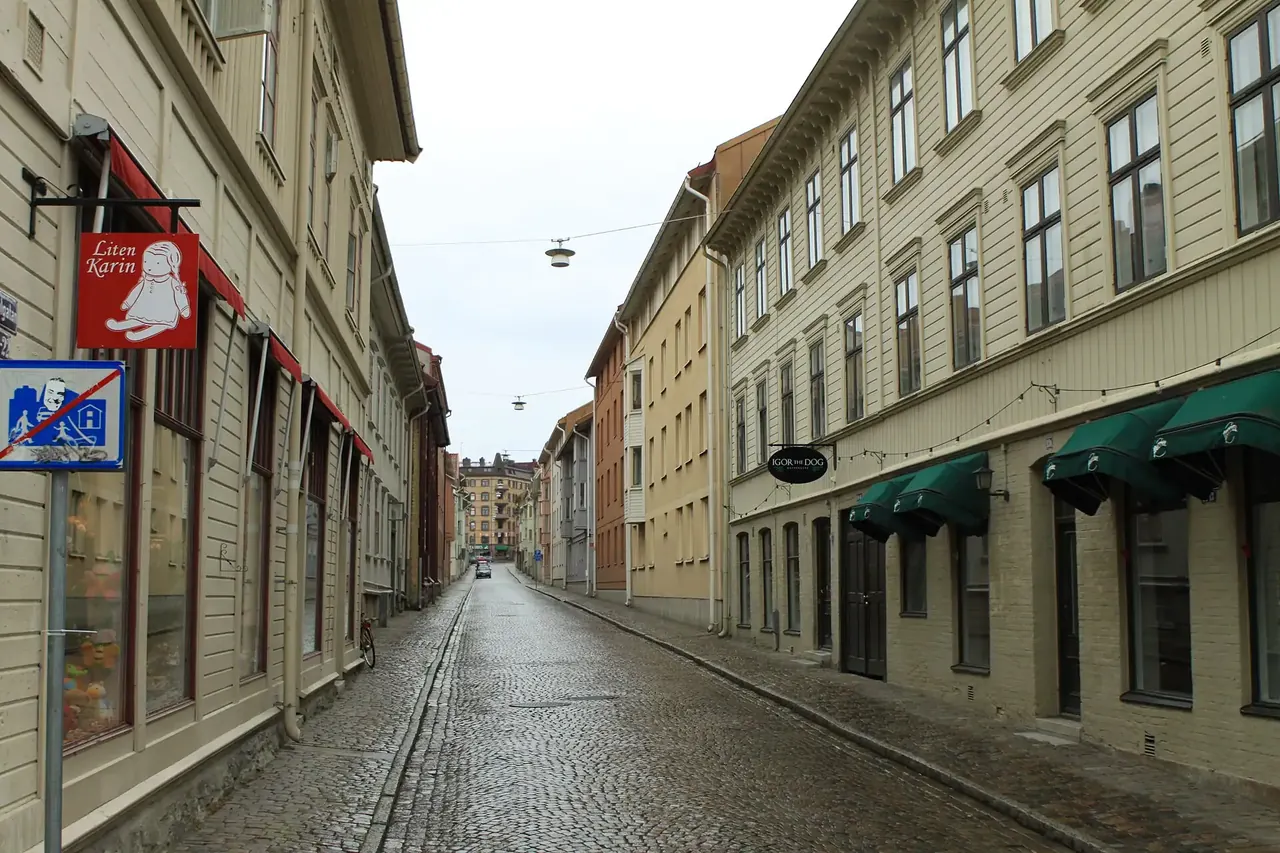
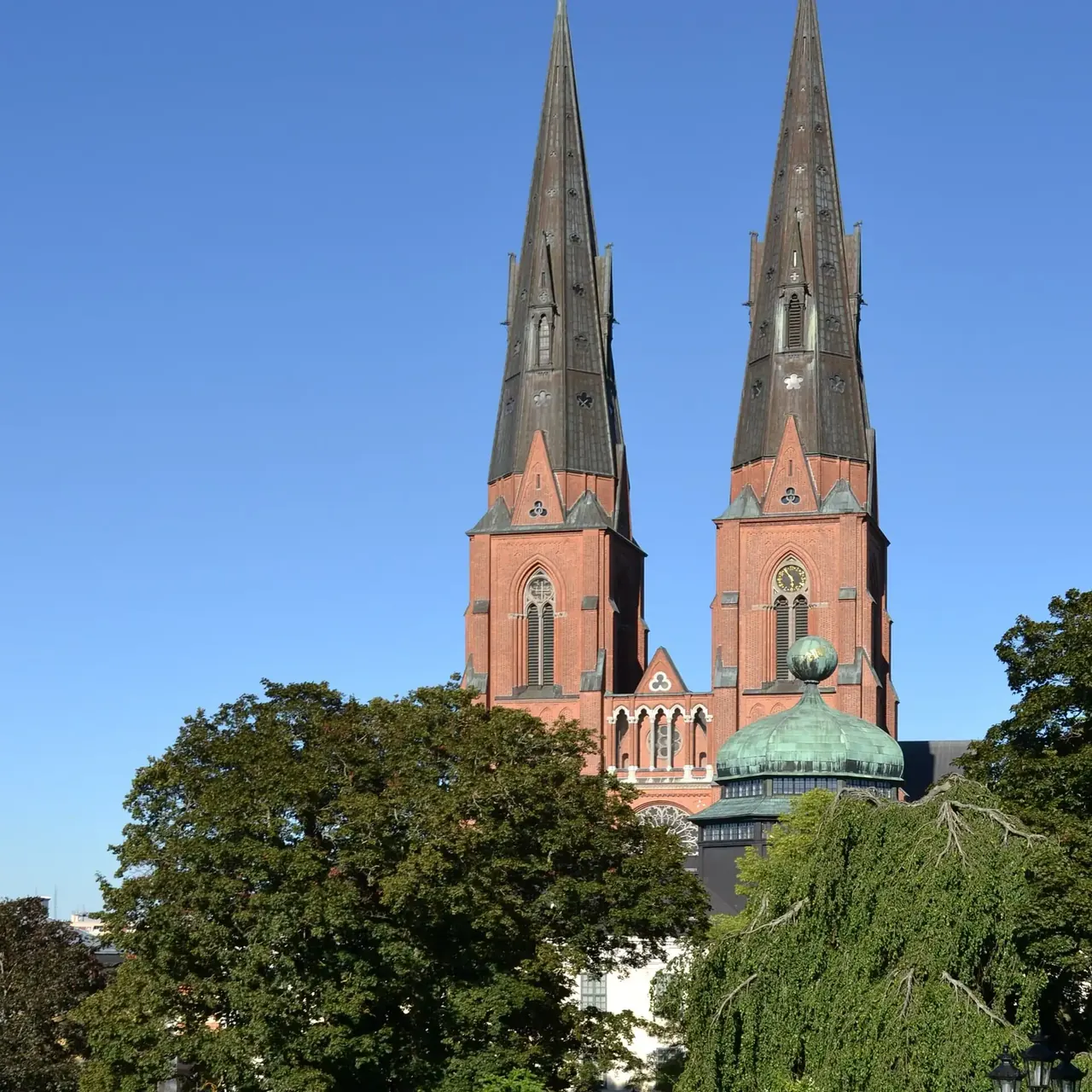
The first big decision in Sweden is not the visa: it is where to land. The country is extremely long and narrow (from Malmö in the south to Lapland in the north there are more than 1,500 km), but the vast majority of young life, work and newcomers are concentrated in a handful of southern and central cities. Stockholm (beautiful, expensive and in a brutal housing crisis) is not the same as Gothenburg, Malmö or Uppsala, where a room costs quite a bit less. The prices below are reference values in Swedish kronor (SEK); as a quick guide, 1 euro is about 11 SEK. The market moves, so always confirm at the time.
Three things that change everything compared with other WH destinations. First: English gets you a long way. Sweden is one of the countries in the world where English is spoken best, so in hospitality, retail, logistics, cleaning, international customer service and tech you won't be asked for Swedish to start (though learning it adds a lot and helps you integrate). Second: there is no legal minimum wage in Sweden. Pay is set by collective agreements (kollektivavtal) by sector and union, so what you earn depends on your field and on the agreement covering your job, not on a single law. Third: the personnummer. It is your Swedish identity number, the key to almost everything (bank, contracts, health care, BankID), and getting it takes time. Sweden's real main filter is housing, especially in Stockholm.
The complete guide to Swedish cities →
Abroad, getting sick is not just a bad day. In many destinations public health depends on appointments, queues and availability, and private care is paid upfront. An emergency can cost thousands of USD right when you're far from home and on a tight budget. That's why I recommend not traveling without traveler assistance.
I recommend GO! Assistance because it covers what matters: medical care, emergencies, medication and hospitalization depending on the plan. It provides 24-hour protection worldwide, with real-time solutions and on-site support. GO! 365 ECO and GO! 365 have USD 45,000 of global coverage: the first with a USD 100 deductible and the second with none.
We answer it with the official source and publish it here.
Your email is not published; we only use it to contact you. How we protect your data.
When you work in another country, sooner or later you'll want to send money home: to help your family, cover an expense or save what you've put aside. I use Remitly myself for that, which is why I recommend it. It's very fast: it connects to any local account in your country and the money arrives in minutes.
You can choose between different transfer options depending on what suits you, and fees are low. Plus, with my ambassador code AMB6M8 you get USD 20 off your first transfer. It applies to transfers from the countries where Remitly operates. The code AMB6M8 does not apply in Australia, the United Arab Emirates or France. Check in the app whether the code applies to yours before sending.