Our guide's data · Verified: 24 November 2026
By Gus · Viaja con Gus
7 cities, each with its weather, cost of living and the work available there.
Hungary is a Working Holiday destination unlike the classics. It is not Australia or Germany: it is a Central European country, smaller and much cheaper, with its own currency (the forint, HUF) and a very particular job market. The first thing to understand is that the big draw for newcomers here is not food service or farm work: it is the call centres and multinational service centres (the well-known SSC/BPO) concentrated in Budapest, which hire people who speak Spanish, Portuguese, Italian, French or German to serve customers across Europe. That is THE job that keeps most Latinos in Hungary going, which is why almost everyone lands in Budapest.
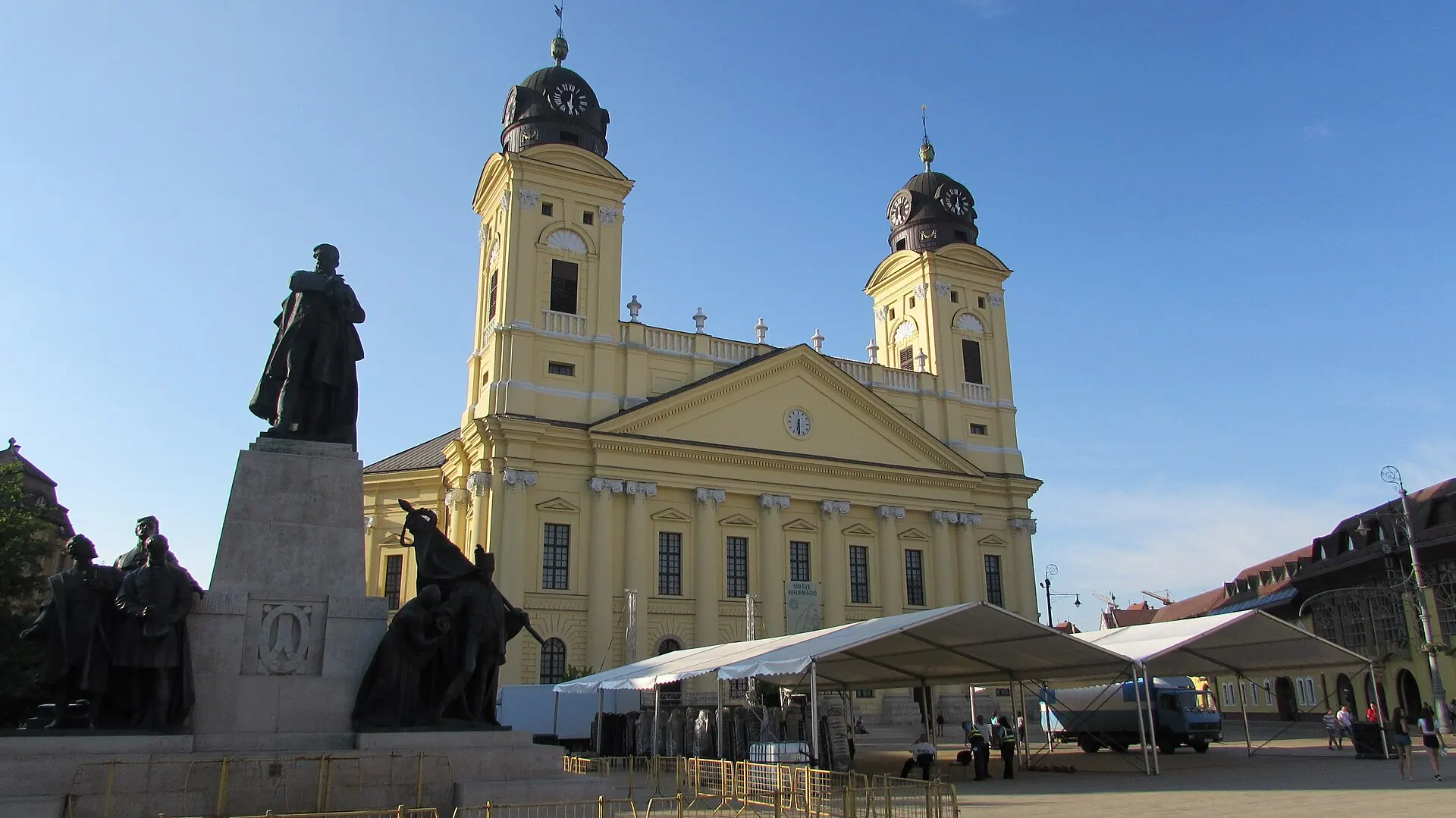
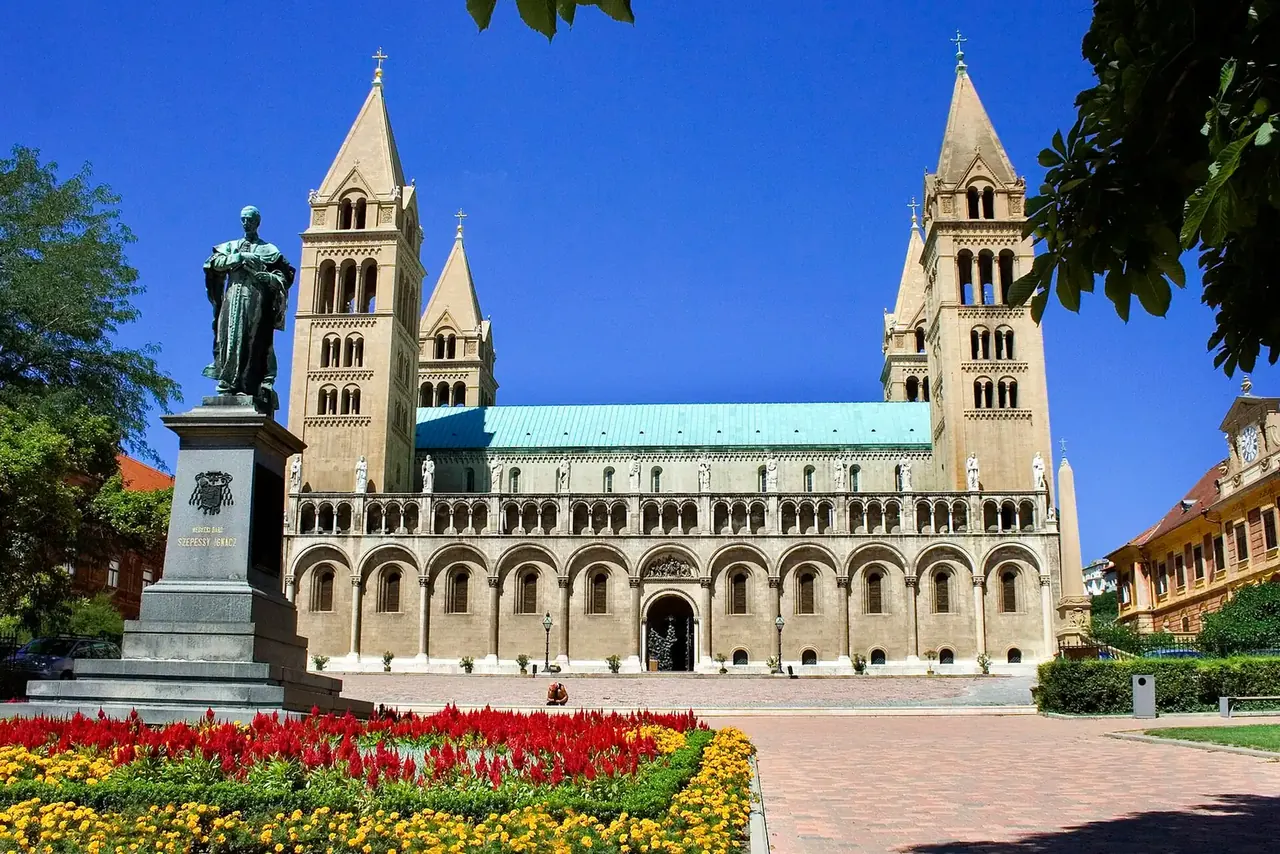
The rest of the country plays a different game. Three cities are worth considering if you want something cheaper or different: Debrecen, the second city, which has become a huge industrial hub with the arrival of BMW's electric car factory and several battery gigafactories (lots of manufacturing, engineering and logistics work, much of it in English and German); and Szeged and Pécs, two quiet, cheap southern university cities with a milder climate, ideal if your priority is spending little and having a student life rather than high wages.
Two money facts to read everything that follows. The Hungarian minimum wage in 2026 is 322,800 HUF gross per month (about €900 at roughly 360 HUF per euro), which comes to about 214,662 HUF net in hand (~€595) for basic work; there is a higher guaranteed minimum (373,200 HUF gross, ~€1,040) for jobs that require secondary education or training. In euros this sounds very little compared with Western Europe, BUT the cost of living is also much lower, which is why the numbers add up differently. A job in a multilingual call centre pays well above the minimum (between 550,000 and 950,000 HUF gross depending on languages, ~€1,530 to €2,640). All the prices below are reference values; the forint moves, so always check the exchange rate of the day.
The full guide to Hungarian cities →
Abroad, getting sick is not just a bad day. In many destinations public health depends on appointments, queues and availability, and private care is paid up front. An emergency can cost thousands of USD just when you are far from home and on a measured budget. That is why I recommend not leaving without traveler assistance.
I recommend GO! Assistance because it covers what matters: medical care, emergencies, medicines and hospitalization according to the plan. It gives protection 24 hours a day, worldwide, with real-time solutions and on-site support. GO! 365 ECO and GO! 365 have USD 45,000 of global coverage: the first with a USD 100 deductible and the second with no deductible.
We answer it with the official source and publish it here.
Your email is not published; we only use it to let you know. How we take care of your data.
When you work in another country, sooner or later you will want to send money home: to help your family, cover an expense or keep what you saved. I use Remitly myself for that, and that is why I recommend it. It is very fast: it connects to any local account in your country and the money arrives in minutes.
You can choose between different ways of sending according to what suits you, and the fees are low. Also, with my ambassador code AMB6M8 you get USD 20 off your first transfer. It applies to transfers from the countries where Remitly operates. The code AMB6M8 does not apply in Australia, the United Arab Emirates or France. Confirm in the app whether the code applies in yours before sending.