Our guide's data · Verified: 24 November 2026
By Gus · Viaja con Gus
16 cities with their climate, cost of living and where people work in each.
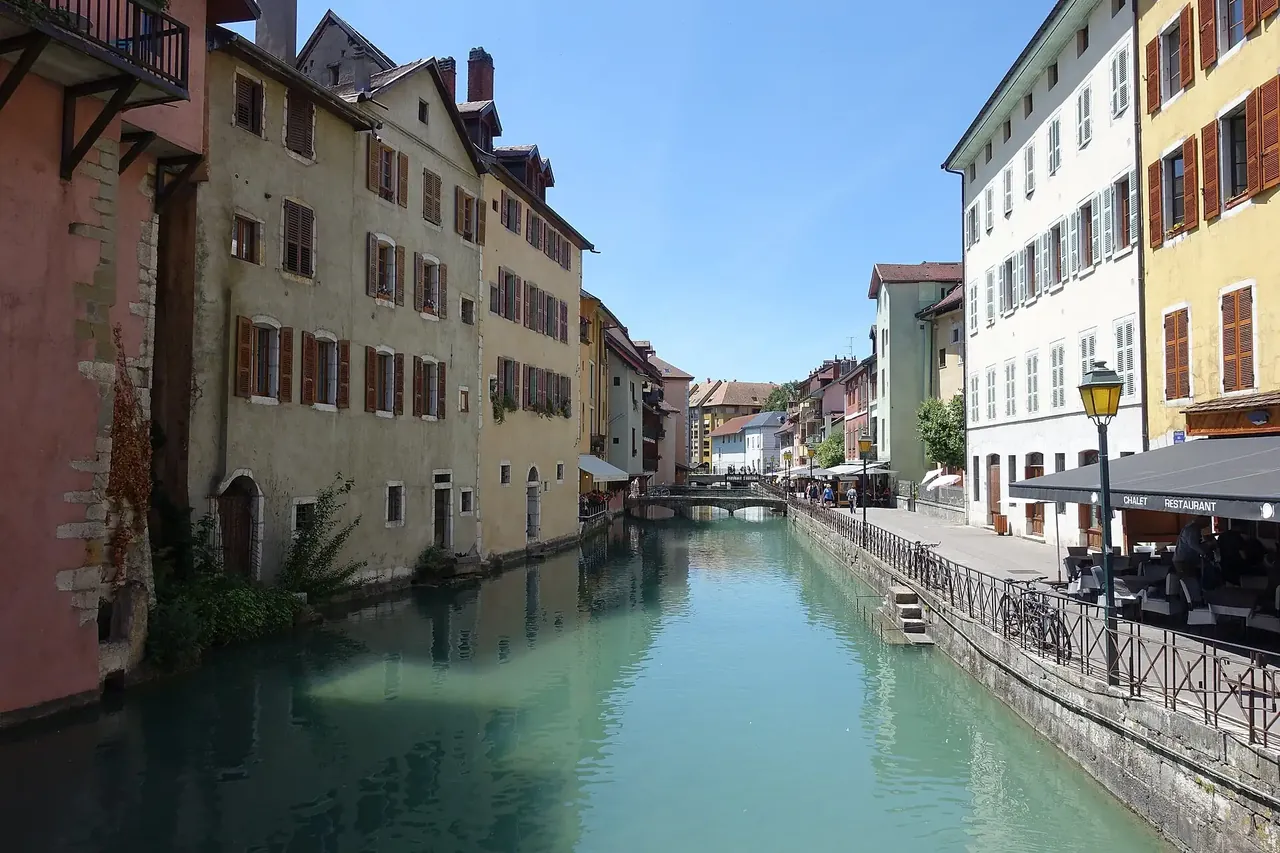
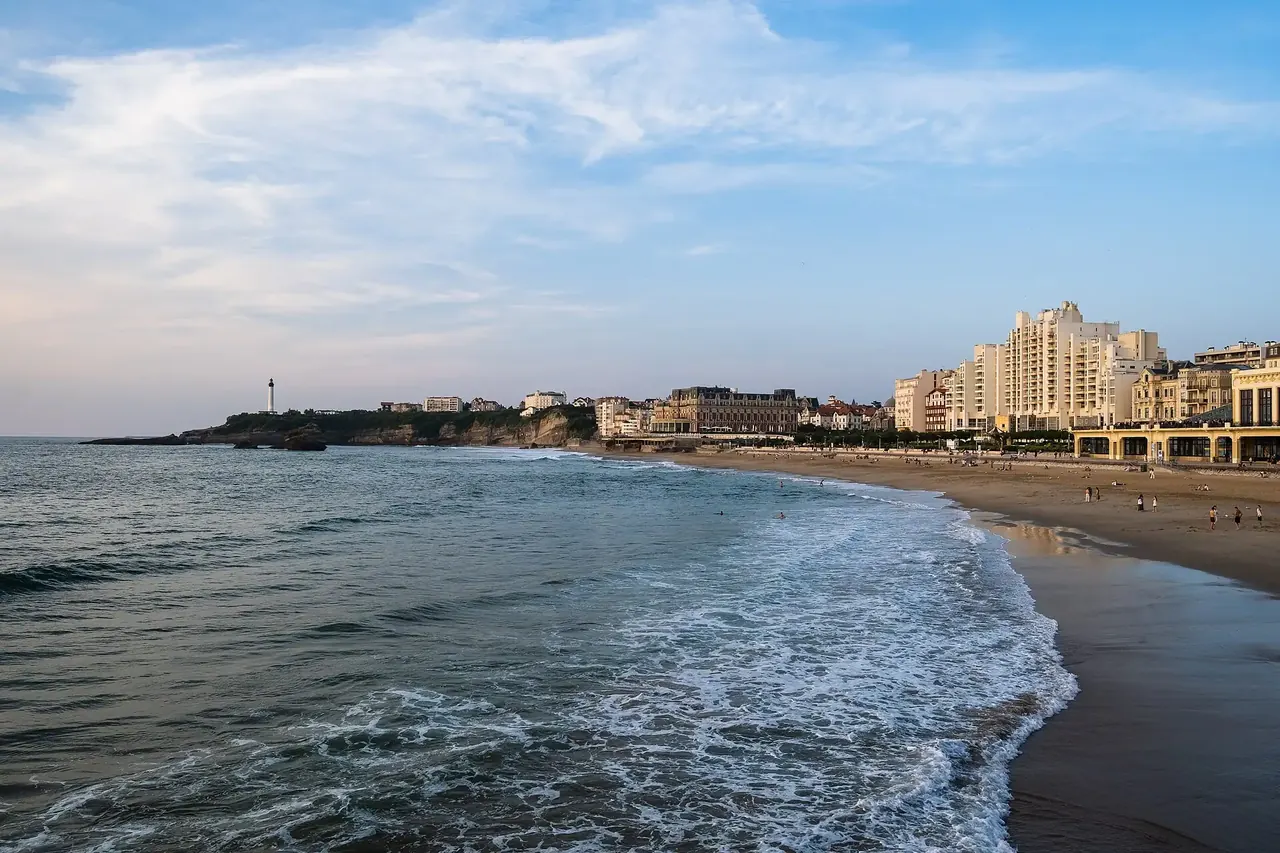
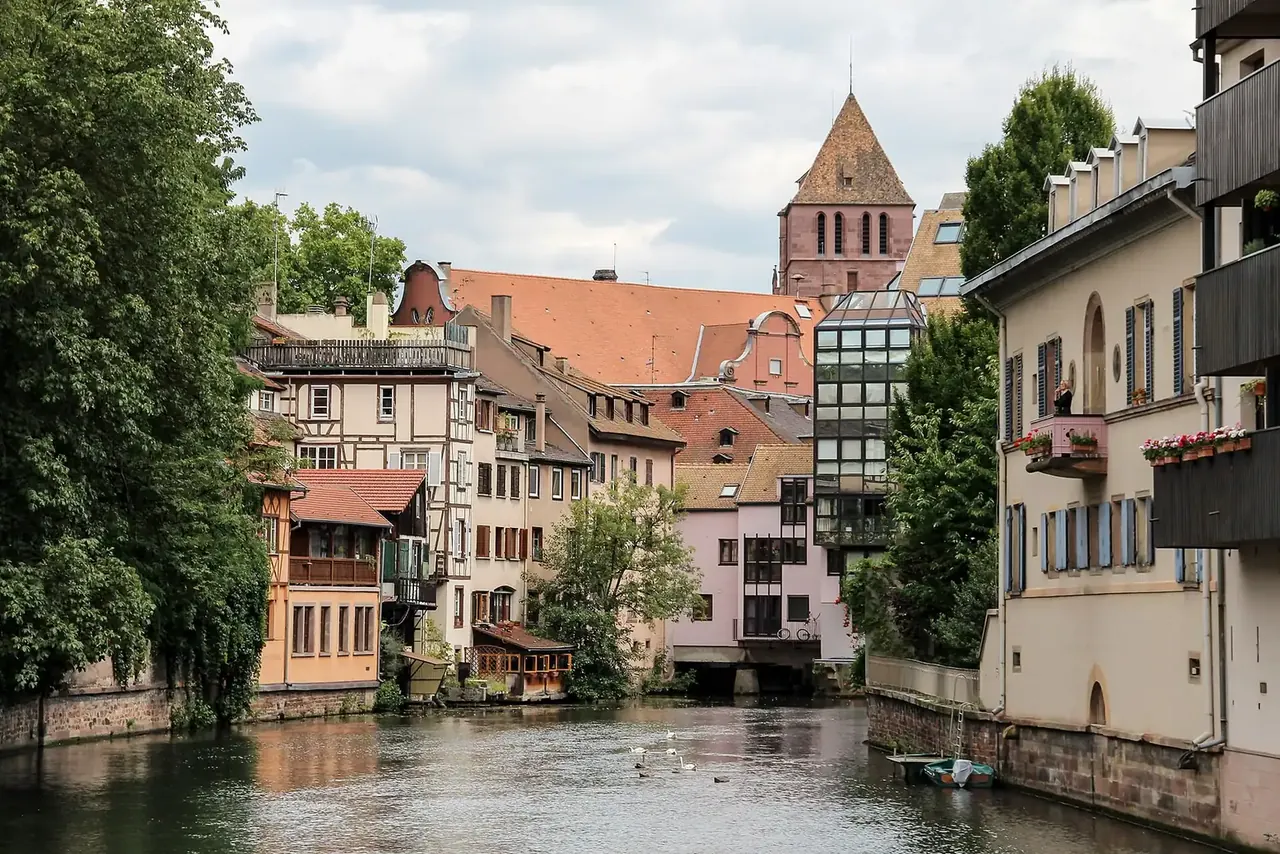
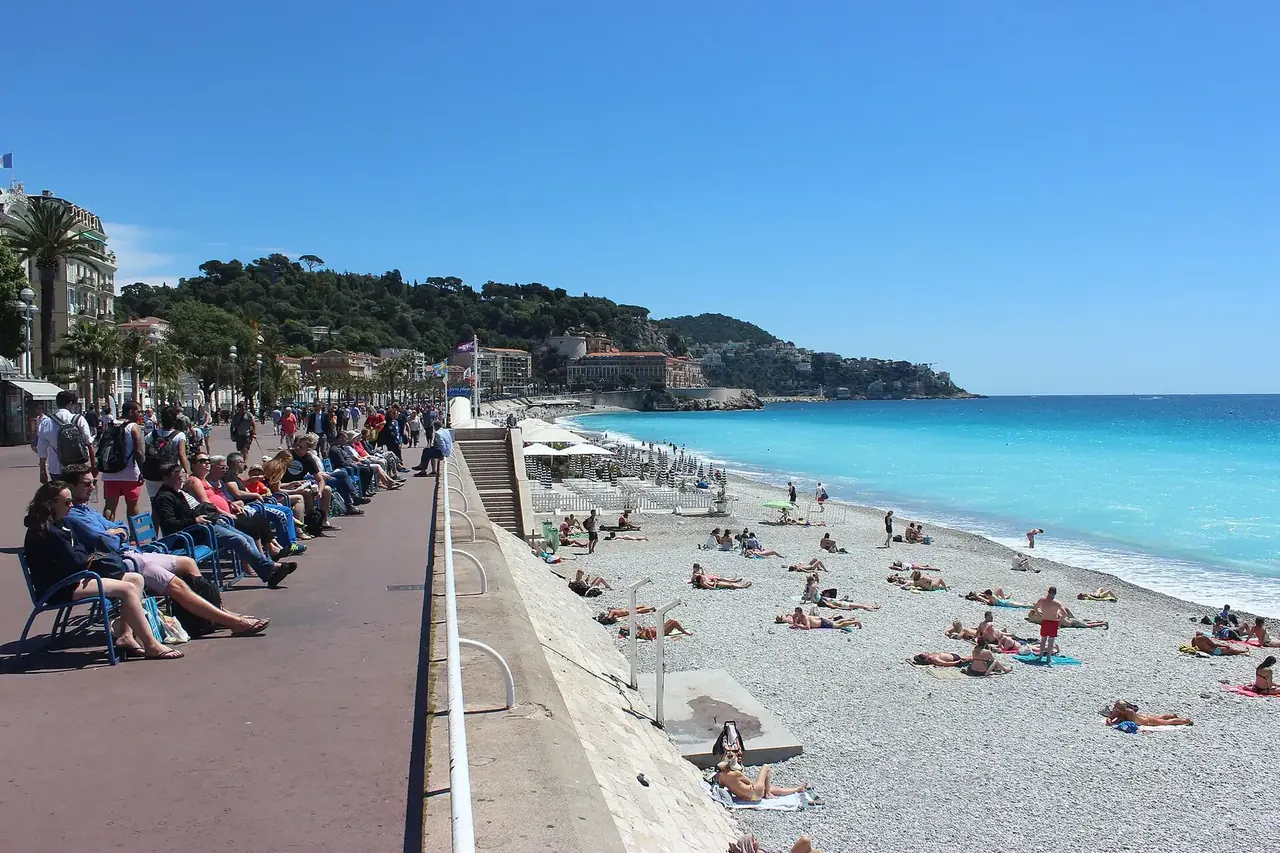
The first decision of your Working Holiday (PVT) in France is not the visa: it is where you land. And France, although much smaller than Australia, does not work the same everywhere. It is not the same to land in Paris (huge, expensive, with more offers but more competition) as in Lyon, Bordeaux or straight into an Alpine ski resort for the season. Each city has its own job market, cost of living and climate, and choosing well saves you money and headaches.
Before looking city by city, one thing sorts everything out: French. In France, unlike Australia or Ireland, English is NOT enough for most jobs. With English and zero French you can get work as a plongeur (dishwasher), in kitchens, cleaning, harvesting or in a very touristy hostel, and not much else. As soon as you can manage some French, everything opens up: waiter, barista, retail, reception, customer service. So when you read 'typical work' in each profile, always think of it in terms of your language level: it is the factor that weighs most, more than the city.
In this guide we tell you, city by city, what really matters for a PVT: how much you will spend (room rent in a colocation, in euros per month, which is what almost everyone pays, because your own studio is very expensive and requires a French guarantor), what work you can get depending on your French, what the climate is like in each season (northern hemisphere: summer Jun-Aug, winter Dec-Feb), which neighbourhoods young people gather in, how you get around and how big the Latin community is. We close with a special profile on seasonal work in the Alps and grape harvesting, the most classic way to save and live in France without depending on a big city. Amounts are reference values: the market moves, so always confirm at the time.
The full guide to cities in France →
Abroad, getting sick is not just a bad day. In many destinations public health depends on appointments, queues and availability, and private care is paid upfront. An emergency can cost thousands of USD just when you are far from home and on a tight budget. That is why I recommend not leaving without traveler assistance.
I recommend GO! Assistance because it covers what matters: medical care, emergencies, medication and hospitalization according to the plan. It gives 24-hour protection worldwide, with real-time solutions on site. GO! 365 ECO and GO! 365 have USD 45,000 of global coverage: the first with a USD 100 deductible and the second with no deductible.
We answer it with the official source and publish it here.
Your email is not published; we only use it to notify you. How we protect your data.
When you work in another country, sooner or later you will want to send money home: to help your family, cover an expense or save what you put aside. I use Remitly myself for that, which is why I recommend it. It is very fast: it connects to any local account in your country and the money arrives in minutes.
You can choose between different transfer options depending on what suits you, and fees are low. Also, with my ambassador code AMB6M8 you get USD 20 off your first transfer. It applies to transfers from the countries where Remitly operates. Code AMB6M8 does not apply in Australia, the United Arab Emirates or France. Check in the app whether the code applies in your country before sending.