Our guide's data · Verified: 24 November 2026
By Gus · Viaja con Gus
7 cities, each with its weather, cost of living and the work available there.
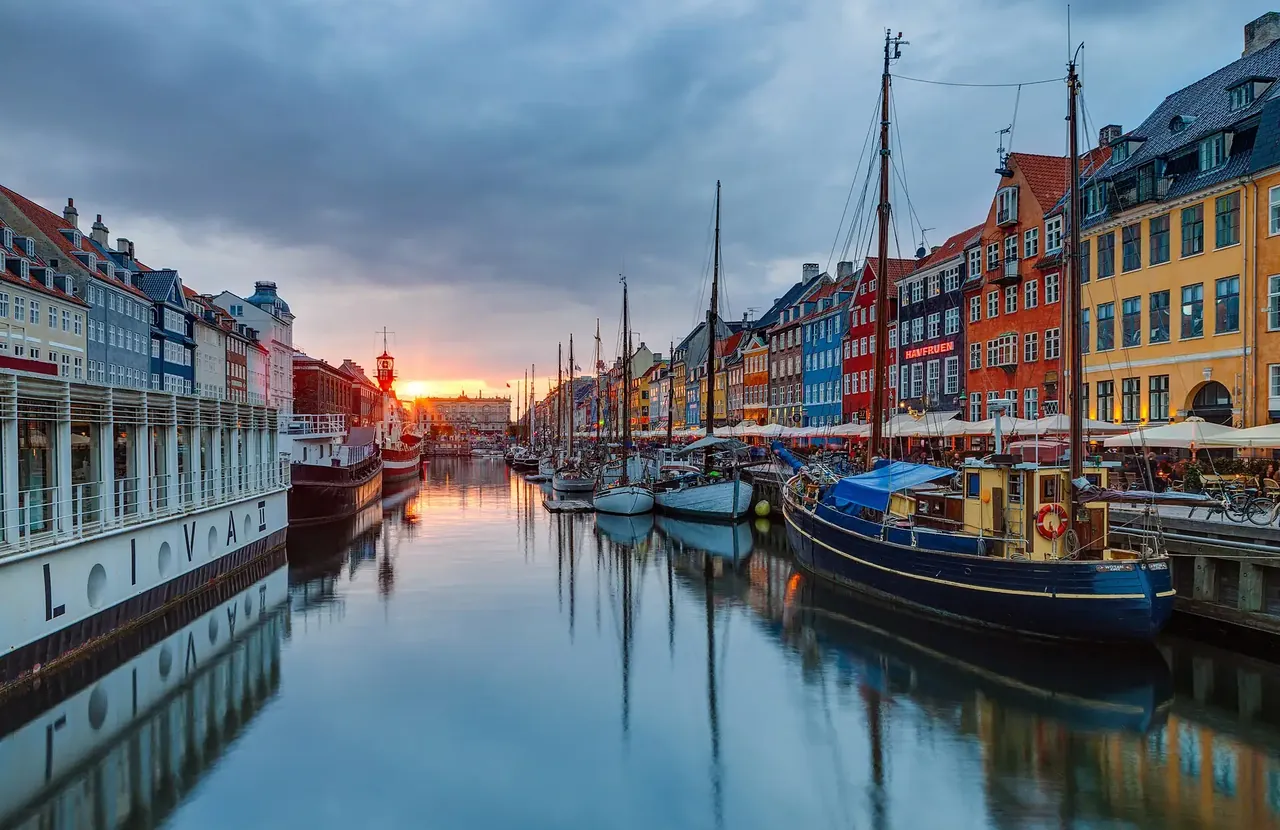
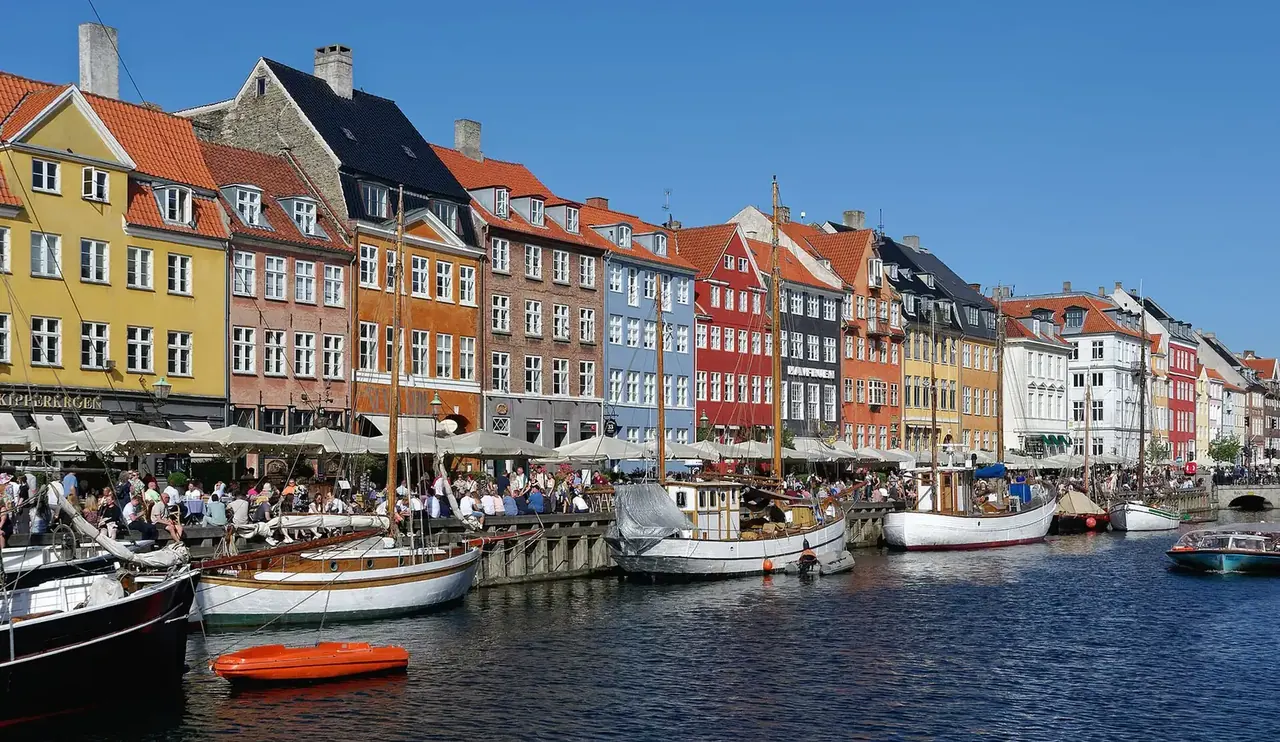
Denmark is a small, very well-connected country, so the choice of where to arrive matters less than in Australia or Canada: by train you can cross the country in a few hours. It still matters, though. Copenhagen has almost everything (work, nightlife, Latin American community) but it is very expensive. The other three — Aarhus, Odense and Aalborg — are much cheaper, easier to manage, and have large universities that give them a young feel. Here is what really matters city by city for a WH.
Before the city pages, three things that apply to the whole country. First, money: Denmark has NO legal minimum wage. Pay is set by collective agreements (overenskomst) by sector, and for typical WH work (hospitality, cleaning, delivery, retail, harvesting) the floor is around DKK 120–140 per hour, about DKK 130/h as a reference; take-home after taxes is quite a bit less. Second, the CPR: it is your personal identity number (personnummer), and without it you cannot open a bank account, you have no health coverage and getting paid is complicated. Get it as soon as you arrive and have an address. Third, language: Danes speak excellent English (among the best in the world), so English gets you through the start and daily life. Learning some Danish helps for certain customer-facing jobs, but it is not a barrier to starting.
One more very Danish point: the bike. In Copenhagen and the university cities the bicycle is not a hobby, it IS the transport. Buy a second-hand one as soon as you arrive (there are groups and second-hand bike fairs) and you will save a fortune on transport; it is the fastest way to get around. The rent prices below are per room in a shared flat and per MONTH (that is how it is quoted and paid in Denmark), which is the real situation for almost every WH. Add food, transport and the initial deposit separately (usually 1–3 months' rent). The amounts are reference values; the market moves, so always confirm at the time.
The full guide to Danish cities →
Abroad, getting sick is not just a bad day. In many destinations public health depends on appointments, queues and availability, and private care is paid up front. An emergency can cost thousands of USD just when you are far from home and on a measured budget. That is why I recommend not leaving without traveler assistance.
I recommend GO! Assistance because it covers what matters: medical care, emergencies, medicines and hospitalization according to the plan. It gives protection 24 hours a day, worldwide, with real-time solutions and on-site support. GO! 365 ECO and GO! 365 have USD 45,000 of global coverage: the first with a USD 100 deductible and the second with no deductible.
We answer it with the official source and publish it here.
Your email is not published; we only use it to let you know. How we take care of your data.
When you work in another country, sooner or later you'll want to send money home: to help your family, cover an expense or save what you've put aside. I use Remitly myself for that, which is why I recommend it. It's very fast: it connects to any local account in your country and the money arrives in minutes.
You can choose between different transfer options depending on what suits you, and fees are low. Plus, with my ambassador code AMB6M8 you get USD 20 off your first transfer. It applies to transfers from the countries where Remitly operates. The code AMB6M8 does not apply in Australia, the United Arab Emirates or France. Check in the app whether the code applies to yours before sending.