Viajá con Gus
Home › São Tomé and Príncipe › Roça São João dos Angolares
Roça São João dos Angolares
🇸🇹 São Tomé and Príncipe · The jungle south of São Tomé

Roça São João dos Angolares

🪪 What do I need to enter São Tomé and Príncipe?Pick your citizenship and we tell you the visa, the days and the paperwork, with the official source.

By leaving your email and citizenship you agree to receive the documents you asked for and weekly travel news. You can unsubscribe whenever you want. How we handle your data.
Jump to what you need
📍Region
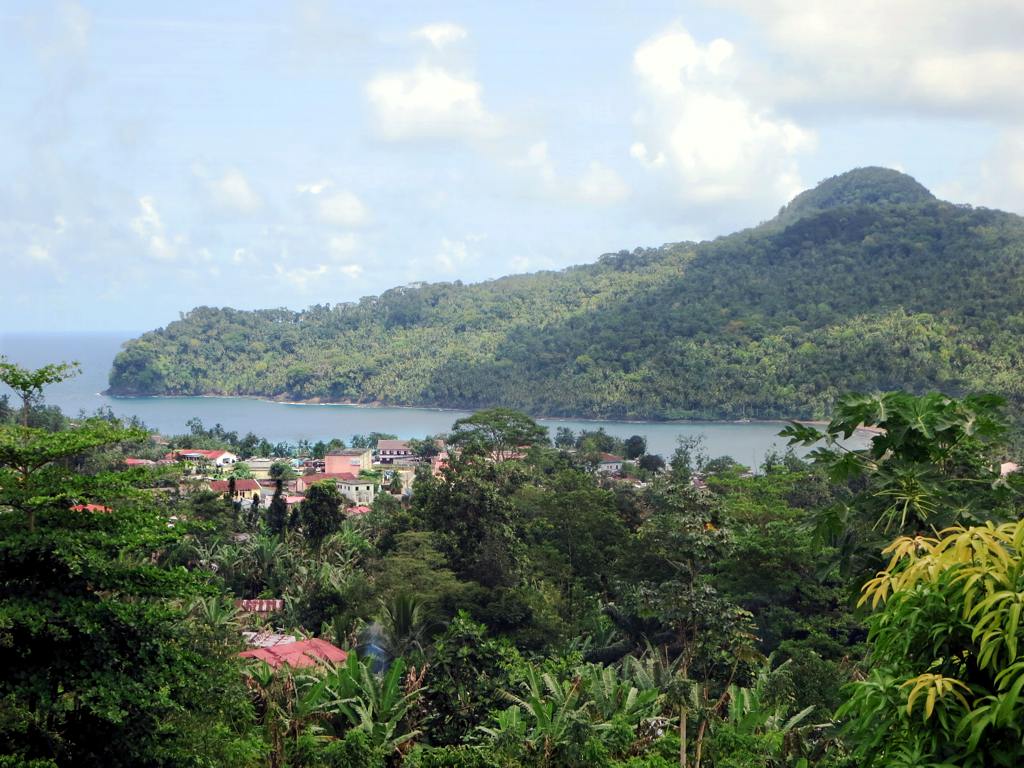
Roça São João dos Angolares is in the south of São Tomé island, on a hill overlooking the sea, next to the village of São João dos Angolares (Caué district), about 45-50 km from the capital (1 to 1.5 hours along the southern road). It is a former cocoa plantation turned by the celebrated chef and artist João Carlos Silva into a hotel-restaurant and art space, famous across the country for its tasting menu of creative Creole cuisine. It lies in the land of the Angolares, a fishing people with a remarkable history.
📌Best time to go
You can visit all year round. The dry season (June to September) makes it easier to explore the south and enjoy the sea views. In the rainy season the landscape is greener and the forest more lush, though the road can get tricky. The restaurant mainly serves at lunchtime, with its legendary tasting menu, so it's best to book and arrive early enough to enjoy it without rushing.
📌Suggested days
A visit to the restaurant and the roça takes half a day, mostly because of the tasting lunch, which is a long, ritual-like experience. Many travellers stay one or two nights at the roça's pousada to soak up the atmosphere and the views and use it as a base in the south, combining it with Pico Cão Grande, the turtle beaches and the trails of Obô Park.
📌Getting there
From São Tomé city, take the southern coastal road; São João dos Angolares is about 45-50 km away, 1-1.5 hours. The most practical option is a car with driver or a tour; there are also shared minibuses along the southern route. The roça sits on a well-signposted hill next to the village. Book lunch in advance, as the menu is prepared according to the number of guests expected.
📌Getting around
The roça is explored on foot: the converted manor house, the gallery-dining room decorated with artworks, the gardens and the sea views. To get around the south (the peak, the beaches, the forest) you need a car with driver or a tour, as the distances and road conditions make other options impractical. The pousada can help arrange trips around the area.
📌Language and currency
Portuguese and local Creoles are spoken (Forro and Angolar, the language of this area); at the restaurant and hotel you may find some English or French. The currency is the dobra (STN), pegged to the euro at 24.5 STN per euro. The restaurant and pousada usually accept euros; check in advance and carry cash, as card payment is unreliable outside the capital.
💱 STN exchange rate
Loading rate…
🌤️ Weather in Roça São João dos Angolares
Loading weather…

Roça São João dos Angolares is one of the most delicious and unusual experiences in São Tomé: a former cocoa plantation in the south, perched on a hill overlooking the sea, which the celebrated chef, artist and TV presenter João Carlos Silva transformed into a hotel-restaurant and art space renowned throughout the Portuguese-speaking world. People come here, above all, to eat: to enjoy the legendary tasting menu of creative Creole cuisine.

The restaurant is a feast for the senses: a long menu of many courses, made with fresh island produce —fish, fruit, spices, cocoa— and served on a large covered veranda decorated with artworks, with the sea as a backdrop. Before it begins, a 'mouth spa' ritual with cocoa, pepper, ginger and a sip of wine gets the palate ready. It's cooking, art and show all at once.

This guide tells you how to visit São João dos Angolares: how to get there, how to book the tasting menu, what to expect from the roça-hotel and the surrounding south, and who the Angolares are, the fishing people of this land. A must-stop for anyone who wants to discover the culinary and creative soul of São Tomé.

📖 History of Roça São João dos Angolares

São João dos Angolares is a cocoa roça in the south of São Tomé, in the land of the Angolares, a fishing people whose tradition links their origin to a shipwreck of Angolan slaves in the 16th century and to the island's maroon communities. The plantation was converted by chef and artist João Carlos Silva into a hotel-restaurant and art centre that made São Tomé's Creole cuisine famous, with its multi-course tasting menu. More about the Angolares and the history of the place on our history page.

Read the full history ↓

🏛️ Roça São João dos Angolares is in the rainforest south of São Tomé

Equatorial rainforest, a needle of lava piercing the sky and the land of the Angolares, the descendants of rebel slaves who gave the country its first hero: Rei Amador.

Read the history of The rainforest south of São Tomé →

🗺️ What to see

1
João Carlos Silva's tasting menu
The legendary multi-course lunch of creative Creole cuisine, the main reason to come.
Leer más ↓
The heart of São João dos Angolares is its restaurant and tasting menu, the work of chef, artist and media personality João Carlos Silva, one of the great ambassadors of São Tomé cuisine. It's a long, ritual-like experience: a menu of many courses that reinvents Creole cooking with fresh island produce, starting with several starters, followed by a main course and finishing with desserts based on tropical fruit and cocoa. Before starting, diners go through a curious 'mouth spa': sucking on a segment of cocoa pulp, chewing a peppercorn with a little chocolate, taking a ginger paste and a sip of wine, to awaken the palate. Everything is served on a spacious covered veranda, beautifully decorated with artworks, overlooking the greenery and the sea. It's cooking, art and theatre all at once, one of the most memorable experiences in the country. Getting there: at the roça, on the hill of São João dos Angolares. Best time to go: all year; mainly at lunchtime. Tips: book in advance (the menu is prepared according to the expected number of diners); arrive early and hungry; confirm the price and payment method.
ℹ️ Distance: At the roça, next to the village of São João dos Angolares · Best time to go: All year; at lunchtime (book ahead) · Admission: Tasting menu from about €25-40 per person (verify 2024) · Duration: 2 to 3 hours (ritual lunch)
2
The roça-hotel and its architecture
The plantation's old manor house, converted into a charming pousada with sea views.
Leer más ↓
The roça building itself is part of the appeal: an old cocoa plantation manor house, perched on a hill with panoramic views of the sea and the forest, which João Carlos Silva tastefully converted into a charming pousada (inn). It keeps the feel of the old roça —verandas, woodwork, high ceilings— but with an artistic, bohemian décor that makes it unique. Staying here is an experience in itself: simple, authentic rooms, the sound of the forest and the sea, and the privilege of waking up in a historic roça in the south of São Tomé. It's an ideal base for exploring the region at a relaxed pace, far from the bustle (scarce anyway) of the capital. Getting there: on the roça's hill, next to the village. Best time to go: all year. Tips: book in advance, it's small and in high demand; ideal for 1-2 nights as a base in the south.
ℹ️ Distance: On the hill of São João dos Angolares · Best time to go: All year · Admission: Accommodation from about €50-120 per night (verify 2024) · Duration: 1 to 2 night stay
3
The art space
The roça as a gallery and creative centre, reflecting João Carlos Silva's artistic side.
Leer más ↓
As well as being a chef, João Carlos Silva is a visual artist and cultural promoter, and he has turned the roça into an art space where food and creativity mix. The walls of the veranda and the house are decorated with works —paintings, sculptures, objects— that create a bohemian, stimulating atmosphere, very different from a conventional restaurant. The roça thus works as a small cultural centre in the south of the island, which over the years has welcomed artists, cooks, writers and travellers from across the Portuguese-speaking world. Exploring its spaces means discovering São Tomé's creative side and understanding why São João dos Angolares has become a cultural icon of the country, beyond its cooking.
ℹ️ Distance: At the roça itself · Best time to go: All year · Admission: Seen as part of the visit/lunch, 2024 · Duration: Included in the visit
4
The Angolares village and its coast
The fishing community of São João dos Angolares, with its unique history and seafaring life.
Leer más ↓
The roça sits in the land of the Angolares, a fishing people of southern São Tomé with their own history and identity, who even keep their own Creole (Angolar). According to tradition, they descend from Africans who survived a slave shipwreck in the 16th century and from maroon communities who took refuge in the south of the island, forming a separate group tied to the sea and fishing. Visiting the village of São João dos Angolares and its coast offers a glimpse of that seafaring life: the fishing boats, the day's catch, the slow pace of the community. It's a perfect complement to the visit to the roça, adding human and historical context and showing another side of São Tomé's south, beyond the chef's restaurant. Getting there: next to the roça, in the village and on the coast. Best time to go: morning, to see the fishing activity. Tips: ask permission before taking photos; a local guide enriches the visit with the history of the Angolares.
ℹ️ Distance: Next to the roça, in the village of Angolares · Best time to go: Morning (fishing activity) · Admission: Free, 2024 · Duration: 30 min to 1 h
5
Nearby beaches and rivers in the south
The beaches and river mouths around Angolares, such as Praia das Sete Ondas, to add some sea to your visit.
Leer más ↓
The surroundings of São João dos Angolares offer beaches and coastal scenery that complement the visit to the roça. Nearby is Praia das Sete Ondas ('beach of the seven waves'), known for its surf, and other coves and river mouths where the forest meets the sea, typical of São Tomé's south. They are quiet, uncrowded places, ideal for a walk, a swim (with care depending on sea conditions) or simply enjoying the southern seascape. The Angolares' fishing activity gives this coast an authentic, lively character. It's a good way to balance lunch at the roça with some time by the sea and in nature. Getting there: on the coast near São João dos Angolares. Best time to go: dry season. Tips: check sea conditions before swimming; combine with the visit to the roça and the fishing village.
ℹ️ Distance: Coast near São João dos Angolares · Best time to go: Dry season (June-September) · Admission: Free (beaches), 2024 · Duration: 1 to 2 hours
6
A base for the south: peak, beaches and forest
São João dos Angolares as a starting point for Pico Cão Grande, the turtle beaches and Obô Park.
Leer más ↓
Thanks to its location in the south, São João dos Angolares is an excellent base for exploring the region's main sights. A short distance along the southern road are the viewpoints of Pico Cão Grande, the spectacular volcanic spire, and further south the unspoilt beaches at the tip of the island, such as Praia Jalé, an important nesting site for sea turtles. From here you can also reach the trails of Obô Natural Park, the great equatorial forest, with its waterfalls and unique biodiversity. Staying one or two nights at the roça lets you explore the south at a relaxed pace: eat wonderfully, see the peak, walk in the forest and enjoy the beaches, in the wildest and most fascinating part of São Tomé.
ℹ️ Distance: Centre of the island's south · Best time to go: Dry season; for turtles, Sept-March · Admission: Depends on each excursion (peak, beaches, park) · Duration: Half-day to full-day excursions
📶I have never landed without internet. I arrive and my phone connects to the strongest network in the country I am visiting: I can say I landed, sort out transport, book tours and keep posting, at a seriously good price. I always use the Maya eSIM — check their plans by clicking the banner.See plans →Maya Mobile eSIM — connect before you land
What nobody tells you

💵 Prices

Tickets

TypePrice
Menú degustación (almuerzo)no rate published in an official source: the roça has no website of its own with a menu or prices; you have to book and ask by phone (+239 2261140). Travellers' reports mention about €25-40 per person
Visita a la roça y al espacio de arte (Hospital da Criação)no rate published in an official source: the visit is done as part of lunch or a stay; the Hospital da Criação operates as an artists' residence and a school of arts, theatre and cooking for local young people
Alojamiento en la pousadano rate published in an official source: the pousada has six rooms and does not publish its own rate list; the price appears when searching dates on booking platforms
🔄 updated monthlyOfficial / reference values · double-check when buying

Activities and tours

ActivityPriceDurationOperator
Tasting lunch of creative Creole cuisineFrom about €25-40 per person (verify 2024)2 to 3 hoursRoça São João / chef João Carlos Silva
Stay at the roça's pousadaFrom about €50-120 per night (verify 2024)1 to 2 nightsPousada Roça São João
Day trip around the south (peak, beaches, forest) from the roçaFrom about €50-100 per person with car and guide (verify 2024)Full dayLocal operators / the pousada
🔄 updated monthlyOfficial / reference values · double-check when buying

🚌 How to get there and distances

Getting around

ModePriceDurationNotes
Car with driver from São ToméTrip to the south from about €50-100 per day (verify 2024)1-1.5 hThe most comfortable option; lets you combine the roça with the peak and the southern beaches
Shared minibus along the southern roadFrom about STN 30-70 (verify 2024)1.5-2 hVery cheap but slow and with no fixed schedule; for travellers with time
Transfers arranged by the pousadaDepends on route (verify 2024)VariableThe pousada can help coordinate transfers and trips around the south
🔄 updated monthlyOfficial / reference values · double-check when buying

How to get there

RouteAirlines / operatorsAvg. priceDuration
São Tomé city → São João dos Angolares (south)Car with driver, taxi, shared minibusTour from €50-100; minibus from STN 30-70 (verify 2024)1 to 1.5 h (about 45-50 km)
São João dos Angolares → Pico Cão Grande / Porto Alegre / Praia JaléCar with driver / tourDepends on route (verify 2024)Short stretches to the south
🔄 updated monthlyOfficial / reference values · double-check when buying

🏨 Where to stay

No exact prices: a scale from $ (budget) to $$$$$ (luxury), with 2-3 options per category.

Pousada Roça São João (on site)
Price$$$$$
Recommended options
From around €50-120 a night; the roça-hotel itself, with authentic, charming rooms, ideal as a base for the south
Ecolodges in the far south
Price$$$$$
Recommended options
From around €35-90 a night; seafront ecolodges towards Porto Alegre and the south, to combine with beaches and turtles
Base in the capital
Price$$$$$
Recommended options
From around €50-150 a night in São Tomé city; many people visit the roça as a day trip for lunch

🍴 Where to eat

Roça São João dos Angolares (menú degustación)
Price$$$$$
Options / signature dish
From around €25-40 per person; the famous multi-course menu of signature Creole cuisine, the main reason to come
Comida local en el pueblo
Price$$$$$
Options / signature dish
From around €3-10 per person; fresh fish and home-style São Toméan food in the small eateries of Angolares village
Restaurantes de ecolodges del sur
Price$$$$$
Options / signature dish
Around €10-25 per person; local cuisine and fish at the ecolodges in the south

📖 History of Roça São João dos Angolares

Origins, formation and what the sources say.

The Angolares: the people of the sea

The roça and the village of São João dos Angolares take their name from the Angolares, one of the most distinctive communities on São Tomé. They are a fishing people from the south of the island, with their own cultural identity and even their own creole, Angolar, which is different from the Forro spoken in the rest of the country. Their history is wrapped in tradition and legend.

According to the most widely told story, the Angolares descend from enslaved Africans who survived the wreck of a slave ship from Angola in the 16th century and took refuge in the wild, mountainous south of the island. Other historians argue that they formed from slaves who escaped the plantations, known as maroons, and gathered in the south, far from colonial control, living off the sea and the forest. Most likely, both processes played a part.

Whatever their exact origin, the Angolares became a separate community, resilient and bound to the sea, and for centuries they kept a degree of independence from the roças and the Portuguese administration. Their most famous historical figure is King Amador, leader of the great slave revolt of 1595. Even today, the Angolares keep their language, their fishing traditions and a strong sense of identity in the south of São Tomé.

en.wikipedia.org · Angolar peopleen.wikipedia.org · São Tomé and Príncipe

A cocoa roça in the south

In the 19th century, when cocoa became the great economic engine of São Tomé, the south of the island, home of the Angolares, was also covered with plantations. This is when Roça São João dos Angolares was founded. It was a cocoa plantation like many others, with its manor house, outbuildings and workers, making use of the fertile, humid land of the south.

Like the other roças of São Tomé, São João was part of the system of large plantations that made the archipelago the world's biggest cocoa exporter in the early 20th century. They were worked by 'serviçais' in conditions close to slavery. The south, with its extremely rainy climate and rugged terrain, was one of the hardest and most isolated areas to farm.

After independence in 1975 and the decline of cocoa that followed, many roças in the south were abandoned or barely used. São João dos Angolares would have gone the same way if not for an unexpected turn: decades later it was converted into a culinary and artistic project that gave it a second life and a fame it never had as an ordinary plantation.

saotomeexpert.pt · Sao tome history rocas and monoculturereefandrainforest.co.uk · Roca sao joao

João Carlos Silva and the reinvention of the roça

The transformation of São João dos Angolares is the work of a remarkable figure: João Carlos Silva, a chef, visual artist, cultural promoter and television presenter, and one of the great ambassadors of São Tomé's culture and food in the Portuguese-speaking world. In the old abandoned roça, Silva saw the potential for a project that would bring together cooking, art and the island's own produce.

He turned the plantation's manor house into a hotel-restaurant and art space, decorated with his own work and that of other artists. There he created a groundbreaking culinary concept: a multi-course tasting menu that reinvents São Tomé's creole cooking with fresh local ingredients such as fish, tropical fruit, spices and cocoa. It raises that cooking to the level of fine signature cuisine without losing its popular roots.

His television programme and his charisma gave the project international reach. São João dos Angolares became a cultural icon of São Tomé and a must-stop for travellers, cooks and the curious from across the Portuguese-speaking world. The roça, once just another plantation in the south, became a beacon of the country's culinary and creative identity.

cantinadossabores.blogspot.com · Roca sao joao dos angolarestripadvisor.com · Attraction Review g1898566 d3906270 Reviews…

São Tomé's creole cooking as heritage

The São João dos Angolares project is part of a wider movement to give new value to São Tomé's creole cooking. This mixed cuisine grew out of the meeting of African and Portuguese traditions and those of the different communities that settled the islands. Its foundations include dishes such as calulu (a fish or meat stew with leafy greens and palm oil), molho de peixe, the local feijoada, and desserts made with breadfruit and cocoa.

João Carlos Silva takes the island's produce and ingredients and reinterprets them in a creative, ritual-like menu where each course tells a story. That means fresh fish from the south, tropical fruit, spices and, above all, cocoa, since São Tomé grows some of the finest in the world. The famous opening 'spa de boca', with cocoa, pepper, ginger and wine, is a piece of staging that turns a meal into an experience.

This approach has helped bring local produce to the fore and has given the country's cooking pride and visibility, at a time when São Tomé is looking to quality tourism and its fine cocoa as new sources of development. The roça has become a symbol of how heritage, whether an old plantation or a culinary tradition, can be reinvented and create value.

cantinadossabores.blogspot.com · Roca sao joao dos angolaressilva-cacao.com · Sao tome the chocolate island with untapped…

São João dos Angolares today: eat, sleep and create

Today Roça São João dos Angolares is one of the essential stops on a trip to São Tomé, especially if you are touring the south of the island. Travellers come for the legendary tasting menu, for the roça's artistic, bohemian atmosphere and for the chance to stay in its pousada, a plantation manor house with views of the sea and the forest.

Its location also makes it an ideal base for exploring the wild south. Nearby are Pico Cão Grande and its volcanic landscape, the unspoilt beaches of the far south such as Praia Jalé with its turtles, and the trails of Parque Natural Obô. Eating superbly, sleeping in a historic roça and having the south's great natural sights close at hand is a combination that is hard to beat.

São João dos Angolares brings together, in a single place, several layers of São Tomé's history and culture: the memory of the Angolares and their bond with the sea, the legacy of the cocoa roças, the richness of creole cooking and the creative energy of the island today. It is a plantation that stopped producing chocolate and started producing experiences, and it has earned its place among the country's great destinations.

reefandrainforest.co.uk · Roca sao joaobooking.com · Roca sao joao dos angolares

📚 Bibliography

  • Wikipedia (EN) — «Angolar people»: https://en.wikipedia.org/wiki/Angolar_people
  • Wikipedia (EN) — «São Tomé and Príncipe»: https://en.wikipedia.org/wiki/S%C3%A3o_Tom%C3%A9_and_Pr%C3%ADncipe
  • Tripadvisor — «Roca S. Joao dos Angolares»: https://www.tripadvisor.com/Attraction_Review-g1898566-d3906270-Reviews-Roca_S_Joao_dos_Angolares-Sao_Joao_dos_Angolares_Sao_Tome_Island.html
  • Reef and Rainforest Tours — «Roça São João»: https://reefandrainforest.co.uk/accommodation/roca-sao-joao
  • Booking — «Roça São João dos Angolares»: https://www.booking.com/hotel/st/roca-sao-joao-dos-angolares.html
  • Cantina dos Sabores — «Roça São João dos Angolares»: https://cantinadossabores.blogspot.com/2019/03/roca-sao-joao-dos-angolares.html
  • SaoTomeExpert — «The Rise and Fall of the Plantations»: https://www.saotomeexpert.pt/en/sao-tome-history-rocas-and-monoculture/
  • Silva Cacao — «São Tomé: the chocolate island»: https://silva-cacao.com/articles/sao-tome-the-chocolate-island-with-untapped-potential/

❓ Frequently asked questions

Why is Roça São João dos Angolares so famous?+
Mostly for its restaurant: chef, artist and TV personality João Carlos Silva turned this former cocoa plantation into a hotel-restaurant and arts space, renowned across the Portuguese-speaking world for its tasting menu of signature Creole cuisine. It's a one-of-a-kind food and cultural experience in São Tomé, set in a historic roça with sea views. A must in the south of the island.
Do I need to book to eat there?+
Yes, booking lunch in advance is highly recommended, because the tasting menu is prepared according to the number of guests expected. It runs mainly at midday, and it's worth arriving with time to spare, as it's a long, ritual-like experience lasting several hours. Also confirm the price and payment method (they usually accept euros; bring cash).
What is the tasting menu, and what is the 'mouth spa'?+
It's a multi-course menu that reinvents São Toméan Creole cuisine with fresh produce from the island: several starters, a main course and desserts made with tropical fruit and cocoa. Before starting, guests go through a ritual called the 'mouth spa': sucking on a cocoa segment, chewing pepper with chocolate, taking some ginger and a sip of wine, to wake up the palate. It's cooking, art and theatre all at once.
Is it worth staying overnight at the roça?+
If you want to explore the south at an easy pace, yes: the roça's guesthouse, with its authentic rooms and sea views, is an ideal base for Pico Cão Grande, the turtle beaches of the far south and the trails of Parque Obô. It's small and in high demand, so book ahead. Even just for the atmosphere and the food, many travellers consider it one of the island's great places.
Who are the Angolares?+
The Angolares are a fishing people from the south of São Tomé with their own identity and their own Creole language (Angolar). Tradition links their origins to Africans who survived a slave-ship wreck in the 16th century and to maroon communities who took refuge in the south of the island. The roça and the village of São João dos Angolares are named after them, and learning their history adds a great deal to the visit.

More places in São Tomé and Príncipe

Roça SundySanto AntónioSão Tomé (ciudad)Bom BomIlhéu das RolasLagoa Azul
See every place in São Tomé and Príncipe →The history of São Tomé and Príncipe →
Sources consulted (6)
Still planning?
Explore more destinations in São Tomé and Príncipe
See all destinations →
Image credits
Photos from Wikimedia Commons, each under its own licence (CC BY, CC BY-SA or public domain). Open each file to see its author and licence.
Angolares (20998698446)