Viajá con Gus
HomeEcuadorSalinas
Salinas
🇪🇨 Ecuador · Coast

Salinas

Jump to what you need
📌Province
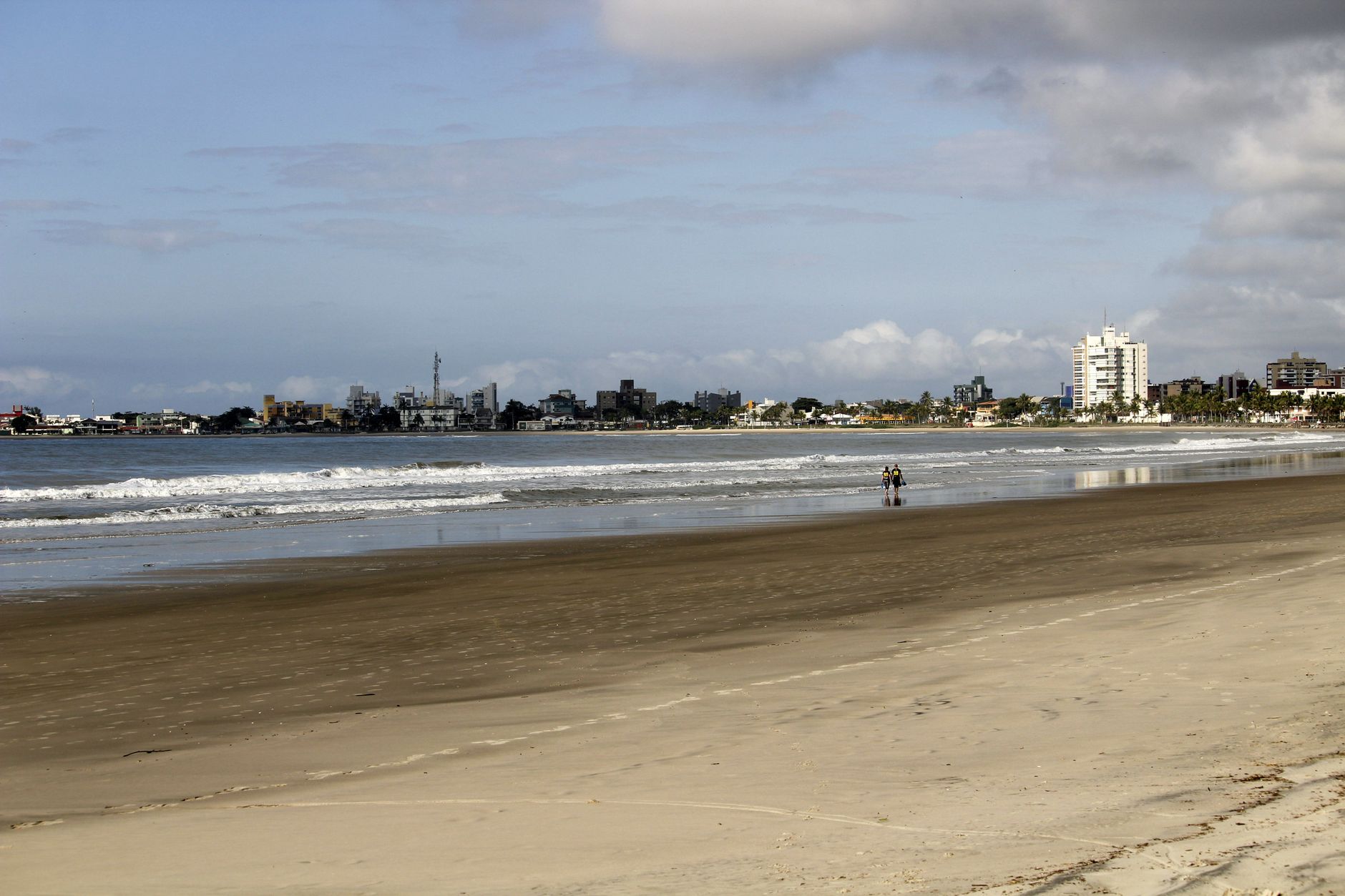
Santa Elena (Ecuador). Salinas is the country's most famous beach resort and the westernmost point of mainland Ecuador's coast, on the tip of the Santa Elena peninsula, some 130-140 km west of Guayaquil. It is part of the La Libertad–Santa Elena–Salinas conurbation, known together as the 'peninsula beaches' area. It is a holiday city built for resting, with a long malecón facing the Pacific, apartment blocks, a marina and an intense summer life.
📌Service city
Guayaquil is the main gateway: its José Joaquín de Olmedo airport (GYE) takes domestic and international flights, and frequent buses to the peninsula leave from its bus terminal. Salinas itself, along with La Libertad and Santa Elena, has hotels, hospitals, banks, ATMs, supermarkets and tour operators. La Libertad works as the peninsula's commercial and transport hub, where many buses arrive and connect.
📌Best time to go
There are two clear seasons. The beach season proper runs from December/January to April (coastal summer), with steady sun, heat and warmer water, but also with crowds and high prices, above all at Carnival and Holy Week. From June to September the sky tends to be cloudier and cooler (the 'garúa' drizzle), but it is the best time for humpback whale watching, as the whales pass in front of the peninsula. National holidays fill Salinas up, so it is worth booking ahead.
📌Suggested days
One or two days are enough to enjoy the malecón, the Chipipe and San Lorenzo beaches, a sunset and the nightlife. With three or four days you can add a whale-watching trip (in season), a visit to La Chocolatera and the Reserva de Producción de Fauna Marino Costera Puntilla de Santa Elena, the whale museum, a fishing trip or a boat ride around the marina, and side trips to nearby towns such as Ballenita or Anconcito.
📌Currency
US dollar (USD), Ecuador's official currency since 2000. There are ATMs and banks in Salinas and La Libertad. It is worth carrying cash in small bills for taxis, beach stands and cheap eateries; not every place takes cards.
💱 USD exchange rate
Loading rate…
🌤️ Weather in Salinas
Loading weather…

Salinas is Ecuador's best-known beach resort and, for many people from Guayaquil and the highlands, the beach destination of a lifetime. Set on the tip of the Santa Elena peninsula, at the westernmost end of mainland Ecuador's coast, it is a city that lives facing the Pacific: a long malecón lined with palm trees, apartment blocks, hotels, seafood restaurants and a marina where yachts and fishing boats tie up.

Its fame was built around sun, sand and social life. The Chipipe and San Lorenzo beaches —separated by the marina and the Yacht Club— offer relatively calm water and every service going, while the malecón concentrates the daytime and nighttime scene of the Ecuadorian summer. But Salinas is more than partying: humpback whales pass off its shores between June and September, and the tip of the peninsula hides corners as singular as La Chocolatera, the point where the South American continent reaches furthest west, with its wild sea and its sea lions.

This guide covers Salinas with a practical, warm eye: which beaches to choose, how to get there from Guayaquil, where to see whales, what to do beyond the malecón and how to make the most of the Santa Elena peninsula, one of the most developed tourist areas on the Ecuadorian coast.

📖 History of Salinas

The Santa Elena peninsula holds one of the oldest human histories in Ecuador and in all of South America. Nearby is the Las Vegas site, home some 10,000 years ago to the country's oldest culture, famous for the 'Amantes de Sumpa', a pair of skeletons found in an embrace. Later came the Valdivia and Guangala cultures. The name 'Salinas' comes from the area's old natural salt pans, where sea water was evaporated to obtain salt, an activity that gave the place its identity from colonial times onward. During the 20th century, Salinas became the fashionable resort of the Guayaquil elite, who built their summer houses there, and over time it opened up until it became the country's main beach destination. The peninsula also has a military chapter: it is home to an Ecuadorian Air Force base, and during the Second World War the United States set up an air base there to watch over the Pacific. The full story is on our history page.

Read the full history ↓

🏛️ Salinas is in Santa Elena

The southwestern peninsula, one of the country's youngest provinces (2007): cradle of the Las Vegas and Valdivia cultures —the origin of civilization in Ecuador—, land of Ancón oil and Salinas salt, of the «Lovers of Sumpa», La Chocolatera and the surfing mecca of Montañita on the Spondylus Route.

Read the history of Santa Elena →

🗺️ What to see

1
Malecón de Salinas
The peninsula's seafront promenade par excellence, with palm trees, restaurants, hotels and the marina.
The Malecón de Salinas is the heart of the city and the place where the resort's life beats. It is a long coastal avenue lined with palm trees, apartment blocks, hotels, bars and seafood restaurants looking straight out at the Pacific. By day it is the meeting point for swimmers, families and people out exercising; by night, above all in summer and on public holidays, it fills with people who come out to eat, have a drink and enjoy the breeze. Salinas' main tourist services are spread along the malecón, and from it you reach the two big city beaches: Chipipe and San Lorenzo. In the middle, opposite the Yacht Club, is the marina, where yachts, sailboats and the boats that go out fishing or whale watching tie up. Walking the malecón end to end, stopping for a ceviche or an encebollado facing the sea and watching the sunset is the classic plan on any visit. It is also the starting point for many activities: boat rides, whale-watching trips in season, banana boat and jet ski rental, and the run out to the attractions on the tip of the peninsula.
ℹ️ Distance: The central axis of Salinas, on the shore (reachable on foot) · Best time to go: Sunset and night in summer; any time out of season · Admission: Free (public promenade) · Duration: 1 to 2 hours (or a whole night out)
2
Playa de Chipipe
The quietest, most family-friendly beach in Salinas, with calm water, good for swimming and for kids.
Chipipe is the beach families prefer in Salinas. It is sheltered by the shape of the bay and by the nearby Yacht Club, which makes its water calmer and safer for swimming than the open sea. Its pale sand, gentle surf and the sheer number of services around it make it the ideal choice for going with children or simply for a quiet swim. Along Chipipe there are hotels, restaurants, umbrella and chair rental, and vendors selling food and drinks. It is a very busy beach in high season, when it fills with tents and families, but it keeps a more relaxed feel than the party end of the malecón. Because of the way it faces, it is usually well protected from strong wind. It is a good place to spend a full beach day, mixing swimming with a walk along the malecón and a seafood lunch.
ℹ️ Distance: Yacht Club area, next to the malecón (on foot) · Best time to go: Beach season (December to April); sunny days · Admission: Free (public beach); umbrella and chair rental approx. US$ 5–10 per day (verified July 2026) · Duration: Half a day or more
3
Playa de San Lorenzo
The widest and liveliest beach in Salinas, the stage for the nightlife and the water sports.
San Lorenzo is the other big beach in Salinas and, along with the malecón, the epicenter of the resort's scene. It is wider and more open to the sea than Chipipe, with somewhat bigger surf, and it concentrates much of the nightlife, the beach bars and the water sports. In high season it is where the Ecuadorian summer is lived most intensely. Along San Lorenzo you can rent banana boats, jet skis, kayaks and paddleboards, and there are beach services of every kind. At night, the bars and clubs in the area fill up, especially at Carnival, Holy Week and long weekends. It is the beach most associated with the reputation of Salinas as a party and youth destination. Despite the lively atmosphere, it is also pleasant and quiet by day out of season. For swimming with children, Chipipe is preferable; at San Lorenzo, watch the surf and swim near the lifeguard posts.
ℹ️ Distance: Next to the malecón, adjoining Chipipe (on foot) · Best time to go: Summer and public holidays for the atmosphere; out of season for more quiet · Admission: Free (public beach) · Duration: Half a day or more
4
La Chocolatera and the Puntilla de Santa Elena
The westernmost point of mainland Ecuador, with wild sea, cliffs and sea lions.
La Chocolatera is one of the most singular places on the peninsula and the westernmost point of Ecuador's whole mainland coast (and one of the westernmost in South America). Its name comes from the frothy brown color the sea takes on as it smashes against the rocks, forming whirlpools that recall whipped chocolate. It is a spectacular lookout over a wild Pacific, very different from the calm beaches of the city. La Chocolatera lies inside the Reserva de Producción de Fauna Marino Costera Puntilla de Santa Elena, and access runs through a Navy/Air Force base, so you have to go in with photo ID and respect the opening times and military rules. From the base gatehouse it is about 3.5 km to the lookout. In the area you can see sea lions resting on the rocks, seabirds and, in season, whales in the distance. Nearby is La Lobería beach, where the sea lions come close to shore. It is an unmissable outing for anyone who wants to see the wild side of the peninsula. Bring photo ID (compulsory to get in), a light jacket (there is usually wind and sea mist), comfortable shoes, and follow the instructions of the military staff and keep your distance from the sea lions.
ℹ️ Distance: Tip of the peninsula, a few km from Salinas (taxi or tour, crossing a military base) · Best time to go: Clear days; morning for better light · Admission: Free access (you go in with photo ID because it is inside the military base; verified July 2026) · Duration: Half a day (can be combined with La Lobería)
5
Humpback whale watching
Boat trips to see up close the whales that pass off the peninsula between June and September.
Between June and September/October (roughly), humpback whales migrate from Antarctica to the warm waters of the Ecuadorian Pacific to mate and give birth, and the Santa Elena peninsula is one of the points from which you can watch them. Boat trips from the Salinas marina —marketed as the 'gira del amor', the love tour— let you see these enormous mammals up close as they breach, slap the water with their fins and sometimes swim with their calves. The trips usually last about 2 to 3 hours and include the run out to the areas where the whales gather. It is a thrilling natural spectacle: humpbacks reach up to 15 meters and their leaps out of the water are one of the great draws of the season. Some tours combine the whale watching with coastal boat rides. Although Puerto López, further north, is the country's most famous center for this activity, trips are also offered from Salinas in season. Choose responsible operators who respect the distances from the animals, bring sunscreen, a cap, a light jacket and, if you get seasick, a pill; the sea can be rough.
ℹ️ Distance: Departures from the Salinas marina and nearby ports · Best time to go: June to September (humpback whale season) · Admission: Basic 2 h trip approx. US$ 21–35 per person; full tours US$ 25–70 (verified July 2026) · Duration: 2 to 3 hours
6
Museo de Ballenas (Salinas)
A small museum with skeletons and remains of whales and marine wildlife from the peninsula.
The Museo de Ballenas is a cultural and educational attraction on the peninsula, devoted to the marine wildlife of the Ecuadorian Pacific. It displays skeletons and bone remains of whales and dolphins, plus information on the species that pass by or live off the Santa Elena coast. It is an ideal visit to round out the watching season and better understand what you see out at sea. The museum, privately run and tied to marine research and conservation (Museo de Ballenas de Salinas, founded by the biologist Ben Haase), usually includes pieces such as skulls, vertebrae and models that help you grasp the real size of these animals. It is a good plan for a morning, especially with children or on cloudy days, and it adds the scientific context to the natural spectacle of the whales. Confirm opening times and the address before you go, since it is a small museum and hours can vary; ask whether you need to book.
ℹ️ Distance: In Salinas, near the malecón (taxi or on foot depending where you are) · Best time to go: Any time of year; ideal in whale season or on cloudy days · Admission: Voluntary contribution/donation approx. US$ 2–5 per person (non-profit museum; verified July 2026) · Duration: 1 to 2 hours
7
Anconcito and the peninsula coast
Nearby fishing towns and lookouts such as Anconcito, Ancón and Ballenita, away from the resort bustle.
Beyond the malecón and the central beaches, the Santa Elena peninsula holds towns and corners that show its other, more genuine face, tied to the sea. Anconcito is a picturesque fishing port perched on cliffs, with a lookout and a harbor where the boats come in loaded with fish; it is a good place to watch the fishing work and eat extremely fresh seafood. Nearby is Ancón, an old oil town with an English air, with wooden houses that recall the era when British companies extracted Ecuador's first oil in this area at the start of the 20th century. And to the north, Ballenita offers quieter beaches and lookouts, plus private museums on the maritime history of the peninsula. Touring these towns lets you escape the resort bustle and see the real life of the peninsular coast. Combine them into a half-day outing; bring small cash for eating at the fish stalls and a camera for the clifftop lookouts.
ℹ️ Distance: Peninsula towns, near Salinas (taxi, tour or local transport) · Best time to go: Any day; morning for the fishing activity in Anconcito · Admission: Touring the towns is free; private museums approx. US$ 1–3 (verified July 2026) · Duration: Half a day
Advertisements
What nobody tells you

💵 Prices

Tickets

TypePrice
Beaches (Chipipe, San Lorenzo) and the malecónFree (public beaches and open promenade)
La Chocolatera / Reserva Puntilla de Santa ElenaFree access; entry with photo ID because it is inside a military base (verified July 2026)
Whale watching (boat tour, 2 h)US$ 21–35 per person (basic trip); full tours US$ 25–70 (verified July 2026)
Museo de Ballenas de SalinasVoluntary contribution approx. US$ 2–5 per person (non-profit museum; verified July 2026)
Umbrella and chair rental on the beachApprox. US$ 5–10 per day (verified July 2026)
🔄 updated monthlyOfficial / reference values · double-check when buying

Activities and tours

ActivityPriceDurationOperator
Humpback whale watching by boat (in season)US$ 21–35 per person (2 h trip, verified July 2026)2-3 hOperators at the Salinas marina (e.g. boats at the pier, local agencies)
Boat or yacht ride around the bay and the marinaUS$ 15–30 per person depending on route and group (verified July 2026)1-2 hLocal boat operators
Trip to La Chocolatera and La LoberíaUS$ 25–50 per small group by taxi/half-day tour (verified July 2026)Half a dayTaxis and agencies in Salinas
Sport fishing (marlin, mahi-mahi, tuna)US$ 350–700 per charter (half day to full day, up to 4 people, verified July 2026)Half day to full dayFishing charters at the marina
Jet skis, banana boat and water sports at San LorenzoJet ski US$ 20–40 for ~15 min; banana boat US$ 5–10 per person (verified July 2026)VariableBeach operators
Kitesurfing and windsurfing (the area has good wind)Intro lesson approx. US$ 50–90; equipment rental US$ 30–60 (verified July 2026)VariableWind sports schools on the peninsula
🔄 updated monthlyOfficial / reference values · double-check when buying
Advertisements

🚌 How to get there and distances

Getting around

ModePriceDurationNotes
Taxi within Salinas and the peninsulaShort city rides US$ 1.50–3; to La Libertad or La Chocolatera US$ 5–10 (source: local operators, verified July 2026)VariableThe most convenient way to get to La Chocolatera, La Libertad or the nearby towns. You pay IN CASH and many taxis do not use a meter, so agree the price before getting in (more in high season, when fares go up). Apps such as InDrive (and sometimes Uber) work on the peninsula, let you pay through the app and are usually cheaper than hailing a taxi
City and inter-parish buses (Salinas–La Libertad–Santa Elena)US$ 0.30–0.50 per city leg (source: local cooperatives, verified July 2026)VariableThey connect the peninsula conurbation cheaply; La Libertad is the hub where many routes meet. You pay IN CASH to the conductor (there is no rechargeable card, no QR and no Argentine SUBE card, which does not exist in Ecuador). There is no municipal transport app like Quito's 'Quito Nos Mueve'; for the routes and timetables of these buses, Moovit gives some coverage of the Salinas–La Libertad area, but it is best to check at the stop
Mototaxis and tricimotos (in neighborhoods and towns)US$ 1–3 for a short ride (source: traveler reports, verified July 2026)VariableUseful for short trips within the towns and neighborhoods (Anconcito, José Luis Tamayo, etc.); you pay in cash and it is best to agree the price beforehand
On foot along the malecón and the beachesFreeVariableAlmost all the city attractions (malecón, Chipipe, San Lorenzo, marina) are within walking distance
🔄 updated monthlyOfficial / reference values · double-check when buying

How to get there

RouteAirlines / operatorsAvg. priceDuration
Guayaquil → Salinas (direct bus)CLP and Liberpesa cooperatives (Terminal Terrestre de Guayaquil)Approx. US$ 5–6 per person (verified July 2026; the leg to Santa Elena from about US$ 4.15)About 2.5 to 3 h (some 130-140 km)
Guayaquil → La Libertad/Santa Elena → Salinas (with a transfer)Interprovincial buses + local transport on the peninsulaApprox. US$ 5–7 in total (verified July 2026)About 3 h with the transfer
Guayaquil airport (GYE) → Salinas (taxi/private transfer)Taxis and transfer servicesApprox. US$ 80–120 per trip (verified July 2026)About 2.5 to 3 h
Quito → Guayaquil/Salinas (flight + bus, or direct bus)Domestic airlines to GYE (Avianca, LATAM, Equair) + bus; or a direct long-distance busQuito–GYE flight approx. US$ 50–110 + bus US$ 5–6; direct bus US$ 12–18 (verified July 2026)Depends on the combination (flight to GYE ~1 h + bus to Salinas)
🔄 updated monthlyOfficial / reference values · double-check when buying

🏨 Where to stay

No exact prices: a scale from $ (budget) to $$$$$ (luxury), with 2-3 options per category.

CategoryPriceRecommended options
Budget / hostels$$$$$US$ 15–35 a night; hostels and cheap guesthouses in Salinas and in La Libertad/Santa Elena (e.g. Riveri Salinas, guesthouses a few blocks from the malecón). It is worth choosing safe, well-connected areas
Mid-range hotels near the beach$$$$$US$ 35–70 a night; a wide choice of mid-range hotels a few blocks from the malecón and the beaches (e.g. Hotel Sun Beach Salinas), with a good balance of location and comfort
Apartments and rental houses facing the sea$$$$$US$ 50–120 a night depending on size and season; apartments in seafront towers rented by the night or by the season, a popular option for families and groups
Resorts and 4–5 star hotels on the malecón$$$$$US$ 90–200 a night; higher-category hotels on the malecón facing Chipipe and San Lorenzo, with a pool and sea views (e.g. Hotel Colón Salinas / Barceló Colón Miramar). For public holidays and summer, book ahead

🍴 Where to eat

TypePriceOptions / signature dish
Encebollado and typical coastal food$$$$$US$ 2.50–5 a dish; encebollado (albacore broth with cassava and pickled onion) is the classic restorative breakfast of the coast, alongside bolones de verde, corviches and empanadas. Stalls and cheap 'huecas'
Cevicherías and seafood places$$$$$US$ 6–15 a dish; ceviche of shrimp, fish, conch or mixed is the star of the peninsula, along with arroz marinero and fried fish. Places facing the malecón and in the local markets
Restaurants on the malecón and at the marina$$$$$US$ 12–30 a dish; restaurants with views of the sea and the marina, with menus of seafood, grilled meat and international cooking, ideal for dinner at sunset
Beach stands and fast food$$$$$US$ 2–8; crab, chuzos, oysters, fried snacks and drinks at the stands along the shore and the carts on the malecón, above all in season
Advertisements

📖 History of Salinas

Origins, formation and what the sources say.

The Amantes de Sumpa: the oldest human presence in Ecuador

The history of the Santa Elena peninsula starts long before any beach resort: it starts with one of the oldest human settlements in all of Ecuador and the continent. Nearby, close to the present-day city of Santa Elena, the so-called Las Vegas culture developed some 10,000 years ago, a people of pre-ceramic hunter-gatherers and fishers who lived on this coastal strip when the landscape and the climate were very different from today's.

The most celebrated find of this culture is the 'Amantes de Sumpa' (the Lovers of Sumpa): the skeletons of a man and a woman buried together, in a position that suggests an embrace, about 8,000 years old. The discovery, made by the archaeologist Karen Stothert, became one of the symbols of Ecuador's pre-Columbian past and gave its name to the Museo Los Amantes de Sumpa, in Santa Elena, where the burial site is preserved. It is one of the oldest pieces of evidence of complex burial practices in South America.

Later, the same peninsula and coastal strip saw other cultures flourish that are fundamental to understanding ancient Ecuador, such as Valdivia (one of the oldest ceramic-making cultures in the Americas) and Guangala. So, long before the salt pans, the summer crowds and the yachts, these lands were already a crossroads of peoples of the sea, which makes the Santa Elena peninsula a key territory for the country's archaeology.

The age of the Amantes de Sumpa
The sources place the Las Vegas culture within a broad range (roughly between 8,000 and 10,000 years before the present, with datings that vary from study to study). The 'Amantes de Sumpa' are usually given an age of close to 8,000 years. The exact figures depend on radiocarbon datings and can vary between publications, so they are best taken as approximations.
Source: https://es.wikipedia.org/wiki/Cultura_Las_Vegas

Where the name comes from: the salt of the peninsula

The name Salinas is no whim: it comes, literally, from salt. The tip of the Santa Elena peninsula has a geography and a climate —dry, sunny and beaten by the sea— that favor the natural formation of salt pans: low-lying areas where sea water gets trapped and, as the sun evaporates it, leaves behind salt deposits that could be collected. That extractive activity, simple but valuable, gave the place its identity and its name from ancient times.

During the colonial era and the first republican years, salt was an essential product: it was used to preserve food, especially fish and meat, in an age without refrigeration. The peninsula's salt pans supplied the region and tied this coastal corner into the trade of the seaboard. The place name stuck and, in time, ended up naming the resort city that would grow along these shores.

The province that today holds Salinas —Santa Elena— owes its own name to the feast of Saint Helen, on whose day Spanish navigators are said to have sighted or named the area in the 16th century. So the names of the peninsula mix the practical mark of its economy (salt) with Hispanic religious tradition (the saint), layers that piled up over a territory inhabited for millennia.

Salt as the origin of the place name
The most widely accepted explanation for the name Salinas is the existence of natural salt pans in the area, where salt was obtained by evaporating sea water, a traditional economic activity of the peninsula. It is a common case in Spanish-speaking coastal place names, where numerous places called 'Salinas' owe their name to this same activity.
Source: https://es.wikipedia.org/wiki/Salinas_(Ecuador)

Ancón and Ecuador's first oil (early 20th century)

The Santa Elena peninsula has an industrial chapter that is little known but decisive for the country's economic history: the Ecuadorian oil industry was born here. At the start of the 20th century, foreign companies —mainly British— began exploring for and extracting oil in the Ancón area, a field that for decades was Ecuador's main deposit, long before Amazonian oil changed the national economy in the 1970s.

The British presence left a peculiar mark on the peninsular landscape. The town of Ancón still keeps the air of an English company town today: wooden houses, old installations, a historic golf course and street layouts designed by the companies for their workers and engineers. That architectural and industrial legacy makes Ancón a singular place, a witness to an era when the peninsula meant oil rather than tourism.

Oil extraction shaped life in the region for much of the 20th century, drawing workers and giving the peninsula a profile different from other coastal areas. In time, the relative exhaustion of the fields and the rise of eastern oil shifted the industry's center of gravity, but the legacy of Ancón is still a point of historical interest for anyone visiting Salinas and its surroundings.

Ancón as the cradle of Ecuadorian oil
The sources agree that oil extraction on the Santa Elena peninsula, especially at Ancón, was a pioneering activity in Ecuador and was in the hands of British companies for much of the 20th century. The exact starting dates and the names of the companies vary from source to source, so they are best verified in specific studies of economic history.
Source: https://es.wikipedia.org/wiki/Anc%C3%B3n_(Ecuador)

The birth of the Guayaquil elite's beach resort

The transformation of Salinas into a beach resort is, above all, a 20th-century story. As Guayaquil grew as Ecuador's great port and economic center, its well-off families looked for a nearby place to escape the heat and enjoy the sea. The tip of the peninsula, with its relatively calm beaches and sunny climate, became the destination of choice for the Guayaquil elite, who began building summer houses, clubs and hotels there.

The creation of the Salinas Yacht Club and the development of a marina cemented the city as a place of prestige, associated with yachts, sport fishing and the social life of summer. For much of the 20th century, summering in Salinas was almost a status symbol for coastal families, and the city filled with seafront apartment towers that still define its skyline today.

As the decades passed, and especially with the improvement of the roads connecting it to Guayaquil, Salinas opened up: it stopped being a refuge for a few and became Ecuador's main popular beach resort, taking in visitors of every background and from every region of the country, above all on public holidays and in the summer season. That mix of elegant tradition and mass tourism is part of its character today.

From elite refuge to mass beach resort
Local historiography and travel guides describe how Salinas evolved from a resort of the Guayaquil elite in the early and mid-20th century into a mass tourism destination in the decades that followed, driven by road improvements and the growth of domestic tourism. The precise dates of each stage can vary from source to source.
Source: https://es.wikipedia.org/wiki/Salinas_(Ecuador)

The strategic headland: air bases and the Second World War

The location of Salinas, at the westernmost point of mainland Ecuador's coast, also gave it a strategic and military value that marked its 20th-century history. The tip of the peninsula is a natural lookout over the Pacific, ideal for monitoring shipping and airspace, and that is why an Ecuadorian Air Force base was established there and is still active today.

During the Second World War, that strategic value became clear on an international scale. The United States, concerned with defending the Panama Canal and the American Pacific against a possible threat, set up installations and a military presence on Ecuadorian territory, and the Santa Elena peninsula was one of the points tied to that defensive cooperation. The bases in the region served to watch the ocean at a time when control of the Pacific was crucial.

That military legacy explains why, even today, access to places like La Chocolatera runs through an armed forces base and requires showing photo ID. The coexistence of the resort's tourist activity and the military presence on the tip of the peninsula is one of the peculiarities of Salinas: a place where summer leisure and ocean surveillance share the same headland.

The United States military presence in the Second World War
Various sources mention the setting up of a United States military presence and installations in Ecuador during the Second World War, as part of the defense of the Pacific and the Panama Canal, with the Santa Elena peninsula among the points involved. The concrete details (exact locations, dates and scope) are best verified in specialized historical sources.
Source: https://es.wikipedia.org/wiki/Salinas_(Ecuador)

The province of Santa Elena and the Salinas of today

For most of its republican history, Salinas and the whole peninsula were part of the province of Guayas, administratively dependent on Guayaquil. That changed in 2007, when the province of Santa Elena was created, split off from Guayas. The new province brought together the cantons of Santa Elena, La Libertad and Salinas, giving the peninsula an administrative identity of its own and recognizing its demographic, economic and tourist weight.

Today Salinas is the seat of the canton of the same name and forms, together with La Libertad and Santa Elena, a conurbation that holds most of the province's population and services. The area's economy combines tourism —its main engine, above all in the summer season and on public holidays—, fishing (with ports such as Anconcito and Santa Rosa), the fishing and tuna industry, and a long tradition of boating and water sports.

Today's Salinas is a destination looking to the future without forgetting its roots: the resort of seafront towers and the marina sits alongside fishing towns, millennia-old archaeological sites, marine wildlife reserves and the natural spectacle of the whales. That diversity —beach, deep history, nature and coastal life— is what keeps it one of Ecuador's great tourist destinations, the first one many people associate with the word 'beach'.

The creation of the province of Santa Elena (2007)
The sources agree that the province of Santa Elena was created in 2007, separating from the province of Guayas, and that it takes in the cantons of Santa Elena, La Libertad and Salinas. It is one of the youngest provinces in Ecuador.
Source: https://es.wikipedia.org/wiki/Provincia_de_Santa_Elena

📚 Bibliography

  • Wikipedia (ES) — «Salinas (Ecuador)»: https://es.wikipedia.org/wiki/Salinas_(Ecuador)
  • Wikipedia (ES) — «Provincia de Santa Elena»: https://es.wikipedia.org/wiki/Provincia_de_Santa_Elena
  • Wikipedia (ES) — «Cantón Salinas»: https://es.wikipedia.org/wiki/Cant%C3%B3n_Salinas
  • Wikipedia (ES) — «Cultura Las Vegas»: https://es.wikipedia.org/wiki/Cultura_Las_Vegas
  • Wikipedia (ES) — «Los amantes de Sumpa»: https://es.wikipedia.org/wiki/Los_amantes_de_Sumpa
  • Wikipedia (ES) — «Ancón (Ecuador)»: https://es.wikipedia.org/wiki/Anc%C3%B3n_(Ecuador)
  • Wikipedia (ES) — «La Chocolatera»: https://es.wikipedia.org/wiki/La_Chocolatera
  • Ministerio de Turismo del Ecuador (Ecuador Travel): https://ecuador.travel/
  • GoRaymi — «Salinas»: https://www.goraymi.com/es-ec/santa-elena/salinas

❓ Frequently asked questions

How much does whale watching cost in Salinas?+
Basic trips of about 2 hours from the Salinas marina cost around US$ 21–35 per person (verified July 2026); fuller tours, which may include more sailing time or be combined with other attractions, run from US$ 25 to US$ 70. The season is June to September/October. Choose responsible operators who respect the distances from the animals, and check the price when you book.
How do I get to Salinas from Guayaquil and what does it cost?+
By direct bus from the Terminal Terrestre de Guayaquil with cooperatives such as CLP and Liberpesa, for about US$ 5–6 per person and in some 2.5 to 3 hours (around 130-140 km). You can also go by taxi or private transfer (about US$ 80–120), or combine a bus to La Libertad/Santa Elena with local transport.
Which beach should I choose in Salinas?+
Chipipe is the quietest and most family-friendly, with calm water ideal for swimming and for kids. San Lorenzo is wider and livelier, with nightlife and water sports. Ideally, see both: they are next to each other, separated by the marina. For a safe swim, Chipipe is better; for atmosphere, San Lorenzo. Both are free; umbrella and chair rental costs about US$ 5–10 per day.
How much does it cost to get into La Chocolatera?+
Access to La Chocolatera is free, but it is inside the Reserva Puntilla de Santa Elena and you get in by crossing a military base, so you need to bring photo ID and respect the opening times and rules. From the gatehouse it is about 3.5 km to the lookout. You get there by taxi or tour from Salinas (half a day, US$ 25–50 per group by taxi).
How many days is it worth staying?+
One or two days are enough for the malecón, the beaches and a sunset. With three or four days you can add whale watching (in season), La Chocolatera, the whale museum, a boat ride and side trips to towns such as Anconcito, Ancón or Ballenita.
When is the best time to go to Salinas?+
For beach and sun, the season runs from December/January to April, with warm weather but also crowds and high prices at Carnival and Holy Week. From June to September the sky tends to be cloudier and cooler (the garúa drizzle), but it is the best time to see humpback whales. National holidays fill the city up, so it is worth booking ahead.
Sources consulted (14)
Still planning?
Explore more destinations in Ecuador
See all destinations →
Advertisements