📌Department
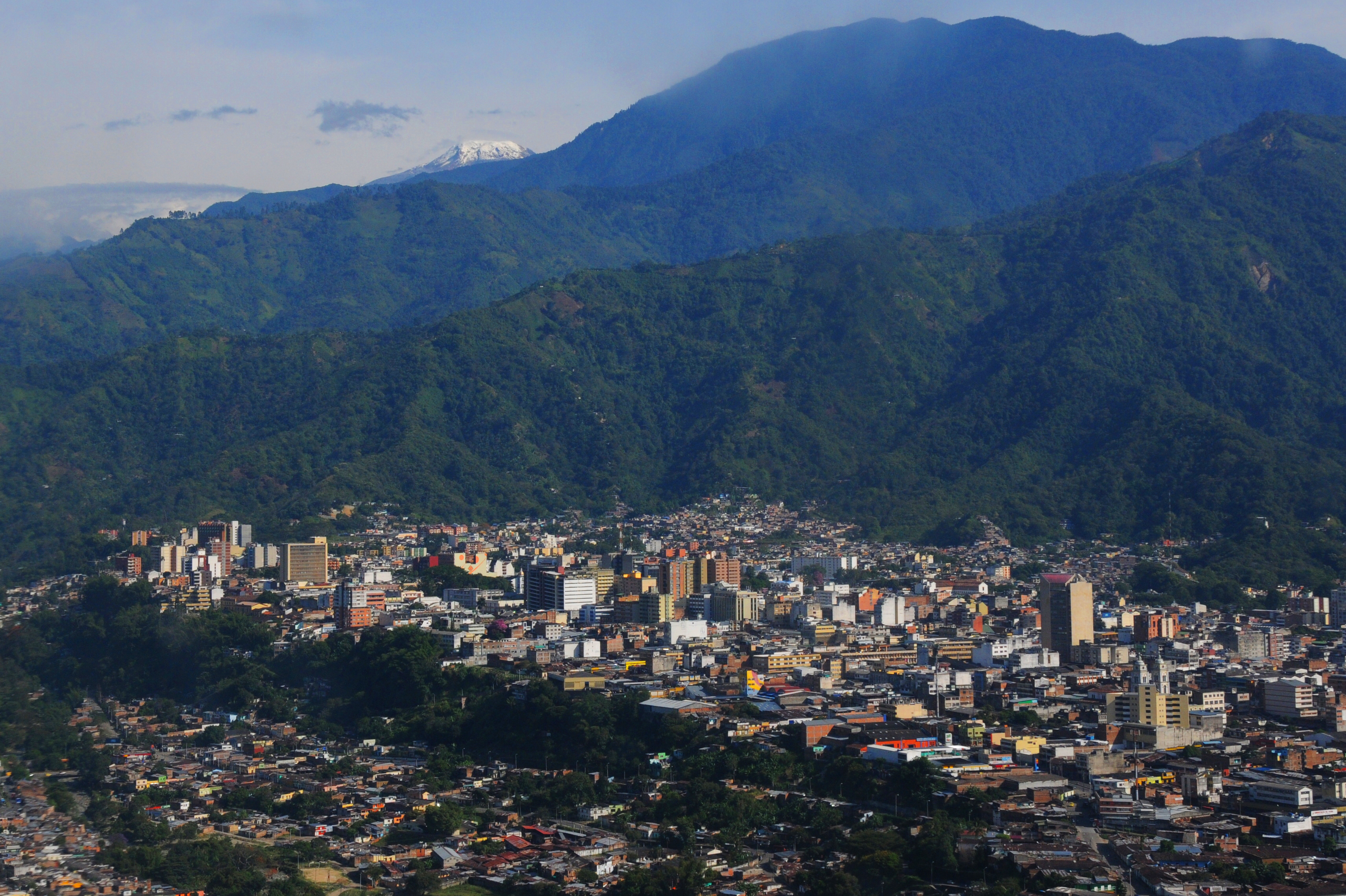
Ibagué (Tolima, Colombia). It is the capital of the Tolima department and sits on the eastern slope of the Cordillera Central, in the valley formed by the Combeima and Chipalo rivers, at 1,285 metres above sea level with an average temperature of 24 °C. DANE's 2018 census counted 529,635 inhabitants, and the 2025 projection is around 546,000. From Bogotá it takes about 4 to 5 hours by bus, or a short flight. It is known as the 'Musical Capital of Colombia': the nickname is credited to the French Count of Gabriac, who visited in 1886 and was struck by how fond the locals were of music. That reputation rests on the Conservatorio del Tolima, founded as an academy in 1906 by Alberto Castilla, on its Salón Alberto Castilla (a national monument) and on the Festival Folclórico Colombiano, held every June since 1959. For travellers, Ibagué is a working city without big tourist crowds, with good museums that are free or cheap, its own cuisine (lechona and tamal tolimense) and direct access to the mountains: the Cañón del Combeima climbs from the northern neighbourhoods towards the Nevado del Tolima, one of the snow-capped volcanoes of the Parque Nacional Natural Los Nevados.
📌Currency
Colombian peso (COP). Prices are written with a $ sign and a full stop for thousands: a city minibus (buseta) fare costs $3.300 and a tamal at the market is around $9.000. There are ATMs in the centre and in shopping malls, and cards are accepted in hotels, supermarkets and mid-range restaurants. At market halls, lechona shops, busetas and rural transport you pay in cash, so it is worth carrying small notes. Taxis charge by meter according to the official table set by the Alcaldía.
📌Best time to go
Ibagué is warm all year round, but mountain trips change a lot depending on the rain. For the Cañón del Combeima and the hot springs, go early, because clouds usually hide the view of the snow-capped peak by mid-morning. If you are interested in the festivities, the date is the last week of June: in 2026 the 52nd Festival Folclórico Colombiano ran from 22 to 29 June, with Tamal Day and Lechona Day. Hotels fill up that week, so book ahead. On 13 November the Armero tragedy is remembered with ceremonies at the ruins.
📌Visa
Argentines, Uruguayans, Chileans, Peruvians, Mexicans, Brazilians, Bolivians, Ecuadorians and Paraguayans do not need a tourist visa for Colombia, according to the Foreign Ministry's list updated in May 2026. Citizens of Mercosur and Andean Community countries can enter with a valid national identity document (in Argentina, the most recent version of the DNI); it is still a good idea to bring your passport. Migración Colombia recommends completing the free Check-MIG form between 72 hours and 1 hour before your flight. Colombians, of course, travel with their cédula.
💱 COP exchange rate
Loading rate…
🌤️ Weather in Ibagué
Loading weather…
Ibagué is not a postcard city and does not pretend to be. It is a hard-working, hot and noisy provincial capital that takes two things very seriously: music and food. The Conservatorio del Tolima has been running here for more than a century, every June the streets fill with bands, parades and hats for the Festival Folclórico, and at any market hall they will serve you a tamal tolimense or a plate of lechona that many Colombians cross the country to try.
What surprises you is how close the mountains are. In about 45 minutes you go from the centre to the Cañón del Combeima, a narrow green valley with waterfalls, coffee farms and viewpoints where, if the sky is clear, the white cone of the Nevado del Tolima appears. Beyond Juntas, the last hamlet, the hikes to the El Rancho hot springs and the trek to the snow-capped peak begin; the latter is done with a guide and a booking with Parques Nacionales.
Ibagué is kind to your wallet. The Museo Panóptico, a former prison turned museum, is free; the Museo de Arte del Tolima charges $5.500; a city buseta costs $3.300, and you can sleep well for under $130.000 a night. It also works as a base for trips to Honda, the old colonial port on the Magdalena, and to the ruins of Armero, the town that vanished under the mud of the Nevado del Ruiz in 1985.
📖 History of Ibagué
The city was founded on 14 October 1550 by Captain Andrés López de Galarza under the name Villa de San Bonifacio de Ibagué del Valle de las Lanzas, on the Ana-Ima plateau (now Anaime). On 7 February 1551 it moved to the banks of the Combeima river, where it stands today. In 1854 the National Congress met in Ibagué and the city was capital of the Republic. In 1886 the French Count of Gabriac dubbed it the 'Musical City', and the following year it was declared capital of Greater Tolima; since 1905 it has been capital of the present-day Tolima department. In 1906 Alberto Castilla created the music academy that in 1920 became the Conservatorio de Música del Tolima, and in 1932 the Salón Alberto Castilla opened; it was declared a national monument in 1994. In 1959 the Festival Folclórico Colombiano was born. On 13 November 1985 the eruption of the Nevado del Ruiz triggered mudflows that wiped out Armero, in northern Tolima, and killed some 25,000 people. In 2022 the old panopticon prison, which operated as a jail for 98 years, reopened as the Museo Panóptico. Today it is a city of more than half a million people, with a cultural life closely tied to its music festivals, such as the Festival Nacional de la Música Colombiana, created in 1987 as a tribute to the duo Garzón y Collazos.
🗺️ What to see
Tours you can book
A local guide tells you in half an hour what no sign at the site will ever explain. We look ours up on Civitatis: guided in Spanish and booked online with no fuss. They have 13 activities in Ibague. Three are below so you get the idea: tap any of them and they all open.
If you book from here we earn a commission and you pay no more. Prices and availability come from Civitatis.
1
Cañón del Combeima and Juntas
The Combeima river valley climbs from Ibagué towards the Nevado del Tolima past farms, waterfalls, viewpoints and the hamlet of Juntas.
Leer más ↓
The Cañón del Combeima is Ibagué's natural gateway to the mountains. The river rises on the slopes of the Nevado del Tolima and flows down to the city, forming a narrow, very green valley with Andean forest, waterfalls and small farms. The road climbs about 28 km uphill through rural districts such as Villa Restrepo, where hikes to the La Plata waterfall start, up to Juntas, the last inhabited hamlet and the starting point for high-mountain hikes.
Along the way there are viewpoints, such as Los Sauces, where you can see the snow-capped peak if there are no clouds, and plenty of country restaurants serving trout, grilled meats and sancocho. Beyond Juntas, the trail continues to the El Rancho hot springs and the trek that crosses the Parque Nacional Natural Los Nevados towards the Valle de Cocora.
It is best to set off early: after mid-morning the clouds usually cover the peak. Bring a light jacket, because the temperature drops as you climb, and cash for the restaurants. If you would rather not organise it yourself, there are full-day tours leaving from Ibagué. In the rainy season the river rises quickly and the road can have landslides: check before you go.
ℹ️ Distance: Starts in northern Ibagué; the canyon stretches about 28 km uphill to Juntas (source: Semana) · Best time to go: Early morning, in the drier months · Admission: Free (public road). Viewpoints and private farms may charge separately; guided tours start from US$ 43 (source: Civitatis, verified October 2026) · Duration: Half a day to a full day
2
Conservatorio del Tolima and Salón Alberto Castilla
The institution that gave Ibagué its title of musical capital, with a 1932 concert hall declared a national monument.
Leer más ↓
The Conservatorio del Tolima is the main reason Ibagué calls itself the 'Musical Capital of Colombia'. It began in 1906 as a music academy created by maestro Alberto Castilla, who ran it until his death in 1937; it was made official by decree in 1909 and in 1920 was renamed the Conservatorio de Música del Tolima. Today it is a public higher-education institution with a faculty of education and arts and a school of music.
The jewel of the building is the Salón Alberto Castilla, opened in 1932 and declared a national monument in 1994. It is a Republican-style concert hall, built with traditional techniques, which hosts recitals, premieres and festivals such as the Blanca Uribe piano competition. The building has also housed a teacher-training school and a convent of the Marist Brothers.
The best way to see it is to attend a concert: check the schedule on the Conservatorio's website and social media, as the programme changes often. Combine it with a stroll around the centre, the Plaza de Bolívar and the Cathedral, which are nearby.
ℹ️ Distance: Central Ibagué, a few blocks from the Plaza de Bolívar · Best time to go: All year round; the concert schedule is busiest during the academic semester · Admission: The façade and surroundings can be seen for free; concert prices depend on the event and there is no general rate published (source: conservatoriodeltolima.edu.co, verified October 2026) · Duration: 1 to 2 hours (with a concert)
3
Museo Panóptico de Ibagué
A former cross-shaped prison that operated for 98 years, turned into a free museum about the memory and art of Tolima.
Leer más ↓
The Panóptico is the city's most striking museum. It is a cruciform prison building, built on the panopticon model: all the cell blocks could be watched from a single central point. It operated as a prison for 98 years and, after a long restoration, opened as a cultural complex in 2022. According to the national press, it is the second panopticon in the country turned into a museum, after the one now occupied by the Museo Nacional in Bogotá.
The old cells were turned into galleries: there are dozens of permanent exhibitions on Tolima's identity, with spaces devoted to the department's 47 municipalities, as well as temporary shows and an auditorium. In 2026 it showed 'Provincia Viva', with works by 35 women artists in tribute to maestra Beatriz González.
It is open to the general public Tuesday to Sunday from 2 to 5 pm; in the mornings it receives groups by appointment. There is a daily guided tour at 3:15 pm with museum mediators, which is worth not missing because they explain the building's history as a prison. On public holidays and special seasons the hours change: check the museum's official account before you go.
ℹ️ Distance: Ibagué, urban area; reach it by taxi or buseta from the centre · Best time to go: All year round, Tuesday to Sunday afternoons · Admission: Free. Tuesday to Sunday 14:00 to 17:00; daily guided tour at 15:15 (source: El Nuevo Día, January 2026, and El Cronista, May 2026, verified October 2026) · Duration: 1.5 to 2 hours
4
Nevado del Tolima (Parque Nacional Natural Los Nevados)
A 5,250-metre snow-capped volcano, the most technical summit in Los Nevados, climbed only with an approved guide, a booking and insurance.
Leer más ↓
The Nevado del Tolima is the white-topped volcano you can see from Ibagué on clear days. It is part of the Parque Nacional Natural Los Nevados, together with the Nevado del Ruiz and Santa Isabel, and its summit is around 5,250 metres. Operators run four-day expeditions: from the Valle de Cocora (Salento) or from the Tolima side, with nights in a refuge and base camp and a pre-dawn summit push.
The rules are strict. According to the park's booking protocol for the southern zone (Tolima and Quindío), places are only assigned to operators, agencies and guides approved by Parques Nacionales; bookings must be requested at least five working days in advance, with assistance and rescue insurance. Each trail has a daily visitor cap: the Juntas–Termales del Cañón–Valle de Cocora trek allows 82 people per day and the Arenales trail to the summit, 76. You cannot climb on your own.
You do not need to be a climber, but you do need to be very fit and to acclimatise. The park may close temporarily due to weather or volcanic activity in the area: confirm its status with Parques Nacionales before paying.
ℹ️ Distance: The southern trek starts in Juntas (Cañón del Combeima) or in the Valle de Cocora, Salento · Best time to go: Dry seasons; operators recommend booking one or two months in advance · Admission: 4-day expedition from Salento: COP 2.100.000 per person, including park entry, guides and insurance (source: Aventureros Colombia, verified October 2026) · Duration: 4 days (summit expedition)
5
Jardín Botánico San Jorge
Sixty hectares of sub-Andean forest in the hills of Ibagué, with collections of palms, orchids, birds and three viewpoints.
Leer más ↓
The Jardín Botánico San Jorge covers some 60 hectares of forest in the north-western hills of Ibagué, on the former Granja San Jorge of the Salesian community, which in 1999 lent the land to the Corporación San Jorge. It is a few minutes from the centre, on Calle 19, along the road to Calambeo.
The route combines trails through native forest with living plant collections organised by family and use. There are about 200 species of palms, including the wax palm, Colombia's national tree, and orchids such as Cattleya trianae and Epidendrum ibaguense, the garden's emblem plant. More than 224 bird species have been recorded, so bring binoculars. The trails lead to three viewpoints, Sindamanoy, Arrayanes and Fiques, overlooking the city.
There are ups and downs, so wear comfortable shoes and bring water and insect repellent. It is far from the buseta stops, so the most practical option is a taxi. The garden also runs night walks and astronomy evenings at a separate rate. Confirm price and hours on WhatsApp before you go, as rates change every year.
ℹ️ Distance: Calle 19, road to Calambeo, north-western hills of Ibagué, about 5 minutes by car from the centre · Best time to go: Early morning, to see birds and avoid the heat · Admission: COP 20.000 Colombian visitors; COP 30.000 foreigners; children under 5 in a family group free (source: the garden's official account, February 2025, verified October 2026). One user reports COP 25.000 adults and COP 35.000 foreigners for 2026: confirm before going · Duration: 2 to 3 hours
6
Festival Folclórico Colombiano (June)
Ibagué's big party since 1959: San Juan and San Pedro parades, pageants, concerts, Tamal Day and Lechona Day.
Leer más ↓
The Festival Folclórico Colombiano was born in 1959 to celebrate the feasts of San Juan and San Pedro and the traditions of Tolima, and today it is the event that brings the most visitors to Ibagué. For a week the city fills with horseback parades, street stages, parades with floats and dance troupes from all over the country, duet and bambuco contests, and a national folklore gathering with ambassadors from different regions.
The 52nd edition, in 2026, ran from 22 to 29 June. The highlights were the Gran Desfile de San Juan (Wednesday 24, 10 am) and the Gran Desfile Nacional de San Pedro (Sunday 28, 10 am), plus concerts by popular music and vallenato artists. Food gets its own days: Tamal Day, with an official price agreed with producers and sales in the Parque Murillo Toro, and Tolima Lechona Day, also in the Murillo Toro.
If you go that week, book accommodation well ahead and get around on foot or by taxi, because streets are closed. Street parades are free; some concerts and shows in arenas may charge admission.
ℹ️ Distance: The whole city; Parque Murillo Toro, Plazoleta Darío Echandía and the avenues of the centre · Best time to go: Last week of June (exact dates change every year) · Admission: Parades free. Tamal Day 2026: tamal $12.000 without a drink, $13.000 with a drink (source: Alcaldía de Ibagué, June 2026, verified October 2026) · Duration: 2 to 7 days
7
Museo de Arte del Tolima (MAT)
A museum of Colombian and Latin American art opened in 2003 in the Belén neighbourhood, with some 600 works and temporary exhibitions.
Leer más ↓
The Museo de Arte del Tolima opened in December 2003 and is the region's main art museum. Its collection brings together some 600 works of Colombian and Latin American art, with a strong presence of Tolima artists, and is complemented by temporary exhibitions, a specialised library and a small theatre. The shows often engage with local history: in 2024 it devoted an exhibition to the history of the Festival Folclórico and in 2025 it marked 40 years since the Armero tragedy.
It is a small, well-kept museum that you can see in an hour or a little more. Tuesday to Saturday it offers guided visits for groups and schools, and every so often it joins the Noches de Museos, with free entry in the evening.
It is open Tuesday to Sunday and on public holidays, from 10:00 to 12:30 and from 14:00 to 18:00, with last entry to the galleries at 12:00 and 17:30. If Monday is a public holiday, it closes on Tuesday. It is at Carrera 7 No. 5-93, in the Belén neighbourhood, a few blocks from the centre.
ℹ️ Distance: Carrera 7 No. 5-93, Belén neighbourhood, near the centre · Best time to go: All year round, Tuesday to Sunday · Admission: $5.500 general admission (source: El Cronista, February 2026, verified October 2026) · Duration: 1 to 1.5 hours
8
Termales El Rancho (Cañón del Combeima)
Hot spring pools at 2,600 metres high up in the Cañón del Combeima, reached on foot in about two hours.
Leer más ↓
The El Rancho hot springs are the reward for the most popular hike in the Cañón del Combeima. They sit at about 2,600 metres above sea level, surrounded by mountain forest, and their hot pools are a good place to rest your legs after the climb.
According to the local press, you can drive as far as the El Palmar checkpoint; from there you may only continue on foot or by bicycle. Some cycle up to El Silencio and others start walking from Juntas. The hike takes about two hours on a mountain path that can be muddy depending on the season. The fee is charged at El Silencio, before you reach the pools.
Bring a swimsuit, a towel, warm clothes for the way down, water and something to eat. Set off early so you are back before late afternoon, because the weather changes fast up there. This stretch is part of the trek to the Nevado del Tolima, so you will cross paths with groups of mountaineers. In the rainy season check the state of the path and the river before you go.
ℹ️ Distance: Above Juntas, at the upper end of the Cañón del Combeima; about a 2-hour hike from El Palmar or Juntas · Best time to go: Dry seasons, setting off early · Admission: $5.000 to $10.000 per person, paid at El Silencio (source: El Nuevo Día, April 2026, verified October 2026) · Duration: Full day from Ibagué
9
Parque Centenario and Concha Acústica Garzón y Collazos
The centre's best-loved park, with a lake, big trees and the band shell where duets and folk groups perform.
Leer más ↓
The Parque Centenario is the big green space in central Ibagué, which Colombia's official tourism guide calls 'the lungs of the city'. It has huge trees, a stream with ducks and paths where locals go running in the morning; in the late afternoon it is a good spot to watch the sunset.
Inside is the Concha Acústica Garzón y Collazos, opened in June 1983 and named after the Tolima duo of Darío Garzón and Eduardo Collazos, one of the best-remembered voices of Colombian Andean music. It is a stage for performances during the Festival Folclórico and the Festival Nacional de la Música Colombiana, created in 1987 as a tribute to the duo. After years of decline and a flood in August 2021, the band shell reopened in 2026 following restoration work.
It is a short, free outing. Combine it with the Conservatorio and the Panóptico on the same day. If you want to see a show at the band shell, check the Alcaldía's and the Festival's schedules, especially in June.
ℹ️ Distance: Central Ibagué · Best time to go: Early morning or at sunset; June to see shows · Admission: Free (public park) · Duration: 1 hour
10
Parque Museo La Martinica and Mirador de las Tres Cruces
A 50-hectare hill on the edge of the city, with trails, streams and a viewpoint that takes in almost all of Ibagué.
Leer más ↓
La Martinica is the hill rising at the edge of Ibagué, and Colombia's official tourism guide suggests it as the best place to start your visit: from the top you can see how the city sits in the Combeima valley, with the mountains behind it. Parque Museo La Martinica covers some 50 hectares with walking trails, streams, a bathing area and activities such as abseiling.
At the summit is the Mirador del Cerro de las Tres Cruces, with panoramic views of the city and the mountains, plus food and drink stalls. At weekends it's a classic for cyclists and walkers: the climb is tough, and visitors warn that the road isn't suitable for low cars. Sometimes there's a mass at the top, bicycle blessing included.
Bring water, a cap and sunscreen, because the sun beats down on the way up, and go early in the morning if you can. For safety, go up in a group or at times when there are people around, and don't stay until it gets dark. We didn't find a published admission fee: ask on site whether any activities are charged.
ℹ️ Distance: Edge of the city, on the way out of Ibagué; you go up on foot, by bike or in a high-clearance vehicle · Best time: Early morning, clear days · Admission: No published rate; the stalls at the top charge for what you order (source: colombia.travel and visitor reviews, verified October 2026) · Duration: 2 to 4 hours
11
Market squares and lechonerías (La 28, El Salado, La 21)
Where you eat Tolima-style lechona without rice and the one-pound tamal, at shared tables and from early in the morning.
Leer más ↓
The food is one of the reasons to go to Ibagué, and the best place to try it is the market squares. Lechona tolimense is a whole pig stuffed with its own meat, dried yellow peas and spices, then roasted in an oven for about twelve hours; local producers insist the authentic version has no rice. It's served with its crispy crackling, arepa and insulso, a traditional sweet. The tamal tolimense is a big one, a full pound, wrapped in banana leaf, and is eaten mostly for breakfast.
La Mona Sixta, in the Plaza de Mercado de la 28, is one of the oldest lechonerías in the city. In the Pueblito Tolimense at the El Salado market square you'll find La Tradicional, La Sabrosita and Martín Chello, and on avenida Ambalá, Lechonería Eduvina. The La 21, La 14 and El Jardín market squares add tamales, sancocho, amasijos (traditional baked goods), homemade oat drink and masato.
Go early, especially at the weekend: the tamales and lechona sell out before midday. Bring cash.
ℹ️ Distance: Plaza de la 28, Plaza de El Salado (comuna 7), Plaza de la 21 and avenida Ambalá · Best time: Mornings, especially Saturdays and Sundays · Admission: Tamal at market squares and lechonerías ~ $9.000; with lechona ~ $12.000 (source: Pulzo/El Nuevo Día, February 2026, verified October 2026) · Duration: 1 hour
12
Former colonial port on the Magdalena River, with cobbled streets, the Puente Navarro and the Museo del Río Magdalena.
Leer más ↓
For centuries Honda was the key river port of Colombia's interior: the boats coming up the Magdalena River stopped here, and from here goods and travellers carried on by mule towards Bogotá. That era left it a historic centre of cobbled streets and colonial houses, and so many bridges that it earned the nickname city of bridges.
The most visited sights are the Calle de las Trampas, one of the best-preserved streets; the Puente Navarro, which crosses the river into Cundinamarca and which official promotion presents as the oldest cantilever steel bridge in Latin America; and the Museo del Río Magdalena, in an old warehouse by the riverside promenade, which tells the story of the river. There's also the Casa Museo Alfonso López Pumarejo and the market square. The town is famous for its river fish.
It's very hot, so walk around early or towards sunset. From Ibagué there are direct buses from the terminal; there are also full-day tours that include a boat ride on the Magdalena.
ℹ️ Distance: North of Tolima; about 2,5 hours by bus from the Ibagué Terminal (source: Rome2Rio, aggregator) · Best time: Year-round; early or towards sunset because of the heat · Admission: Walking around the centre is free. Private 2-hour tour in Honda from US$ 46,67 per group (source: Civitatis, verified October 2026) · Duration: Full day from Ibagué
13
Armero ruins (day trip)
The remains of the town buried by mud from the Nevado del Ruiz in 1985, now a place of remembrance with streets, crosses and Omayra's site.
Leer más ↓
Armero was a prosperous town in northern Tolima until the night of 13 November 1985. The eruption of the Nevado del Ruiz melted part of its glacier, and mudflows rushed down the rivers and buried the town: some 25,000 people died. In the preceding months the authorities had received warnings from volcanologists about the volcano's activity. The image of Omayra Sánchez, a 13-year-old girl trapped in the rubble for about 60 hours, went around the world and is today the symbol of the tragedy.
The visit is to what remains: ruins of houses and streets among the vegetation, the old Los Fundadores park, monuments, crosses and the spot where Omayra died, which people visit and fill with offerings. It isn't a theme park, it's a site of remembrance, and it's best to visit with respect. Since 2013, 13 November has been the National Day of Remembrance and Solidarity, with masses and ceremonies at the cemetery.
Bring water, a cap and sunscreen: the area is very hot. The easiest way is to go by car or on a tour, or to combine it with Honda using public transport.
ℹ️ Distance: North of Tolima, about 94 km from Ibagué (source: EcuRed) · Best time: Early morning; on 13 November there are commemorative events · Admission: Free (open site, no published rate; verified October 2026) · Duration: Half day (full day including travel)
💵 Prices
Tickets
| Type | Price |
|---|
| Museo Panóptico de Ibagué | Free for everyone, Tuesday to Sunday from 14 to 17 h; daily guided tour at 15:15 (source: El Nuevo Día, January 2026, verified October 2026). In the mornings, groups only, booking via info@panopticodeibague.gov.co |
| Museo de Arte del Tolima (MAT) | $5.500 general admission (source: El Cronista, February 2026, verified October 2026). The last published reduced rate was $3.500 for children and students with ID (El Cronista, June 2024): check it at the ticket office. Pay at the museum, Carrera 7 No. 5-93 |
| Jardín Botánico San Jorge | COP 20.000 for Colombians; COP 30.000 for foreigners; children under 5 in a family group free; school and university groups COP 15.000 each (source: the garden's official account, February 2025, verified October 2026). A TripAdvisor user reports 2026 prices of COP 25.000 per adult and COP 35.000 for foreigners. Pay at the entrance; ask via WhatsApp +57 313 378 3055 |
| Termales El Rancho (Cañón del Combeima) | $5.000 to $10.000 per person, charged at El Silencio before the pools (source: El Nuevo Día, April 2026, verified October 2026) |
| Nevado del Tolima – senderos zona sur del PNN Los Nevados | The park's protocol (August 2023) recommends not charging an entry fee in the southern sector as a temporary measure; entry only with an approved operator or guide, booking 5 working days in advance and assistance insurance (source: parquesnacionales.gov.co, verified October 2026). 4-day guided expedition: COP 2.100.000 (source: Aventureros Colombia, 2026-2027 rate) |
| PNN Los Nevados – sector Brisas (Nevado del Ruiz, desde Manizales) | Colombians, residents and CAN citizens aged 5 to 25 COP 12.500; aged 25 to 65 COP 24.500; non-resident foreigners COP 68.000; plus COP 22.000 for ecotourism services and COP 5.000 for insurance (source: La Patria, February 2026, verified October 2026) |
| Día del Tamal (Festival Folclórico) | Official 2026 price: tamal $12.000 without a drink, $13.000 with a drink, at Parque Murillo Toro and 132 authorised outlets (source: Alcaldía de Ibagué, June 2026, verified October 2026) |
| Día de la Lechona Tolimense (Festival Folclórico) | Official 2026 dish: $20.000 (it was $18.000 in 2025), at Parque Murillo Toro (source: Q'hubo Ibagué, June 2026, verified October 2026) |
| Parque Centenario, Concha Acústica, Plaza de Bolívar, Catedral y ruinas de Armero | Free (public spaces; verified October 2026) |
🔄 updated monthlyOfficial / reference values · double-check when buying
Activities and tours
Hiking in the Cañón del Combeima, Los Sauces viewpoint and Guamal waterfall, with lunch
PriceFrom US$ 43 per person, price published in dollars (source: Civitatis, verified October 2026)
OperatorLocal operator sold by Civitatis; includes hotel pick-up, Spanish-speaking guide and lunch
4x4 tour of Ibagué and the Cañón del Combeima
OperatorLocal operator sold by Civitatis; includes 4x4, guide, entry to the Los Sauces viewpoint and a traditional lunch at a farm
Hike to La Plata waterfall (Villa Restrepo)
Trip to Cerro Machín volcano and Termales La Florida
Trip to the Toche wax palm sanctuary
Trip to Honda with a boat ride on the Magdalena
Climb of the Nevado del Tolima (5.250 m) from Salento
PriceCOP 2.100.000 without discount; COP 1.890.000 booking 60 days ahead (source: aventureroscolombia.co, 2026-2027 rate, verified October 2026)
OperatorAventureros Colombia; includes WFR-certified guides, park entry, mules, high-mountain gear and insurance
🔄 updated monthlyOfficial / reference values · double-check when buying
🚌 How to get there and distances
Getting around
Price$3.300 Monday to Saturday; $3.400 Sundays and public holidays (from 1 January 2026; source: Alcaldía de Ibagué via Infobae and El Cronista, verified October 2026)
NotesThis is the city's public transport: minibuses on fixed routes, paid in cash to the driver. They're useful for getting between the centre, the shopping centres and the bus terminal. Ask the driver to tell you where to get off and carry coins.
PriceMinimum fare $6.600; flag fall $4.500; night surcharge (20 to 5 h) $1.000; Sunday and public holiday surcharge $850; booked via app or radio $800 (Decreto 0749, from 16 December 2025; source: El Tiempo and El Cronista, verified October 2026)
NotesIt's the most practical way to get to the Botanical Garden, the Panóptico or the bus terminal. Insist that the meter is up to date: taxis that haven't updated it can't charge the new fare.
Taxi to/from Perales Airport
PriceMeter fare plus an airport surcharge of $6.500 (Decreto 0749, from December 2025; source: El Cronista, verified October 2026)
NotesNo fixed total price is published: you pay what the meter shows plus the surcharge. Add the night surcharge if you arrive after 20 h.
Rural transport to the Cañón del Combeima (Villa Restrepo, Juntas)
PriceThe Alcaldía agreed not to raise the rural fare in 2026 (source: Infobae, January 2026, verified October 2026); the fare for the trip to Juntas is not published
NotesAsk at your accommodation where it leaves from and when the last vehicle comes back, because services are infrequent higher up. The alternative is a tour or a taxi hired by the hour.
Intercity bus to Honda and northern Tolima
PriceUS$ 10–14 estimated (source: Rome2Rio, aggregator, verified October 2026)
NotesLeaves from the Terminal de Transportes de Ibagué; Rome2Rio lists Coomotor with departures every 4 hours. Check times and prices at the terminal, because the aggregator isn't official.
🔄 updated monthlyOfficial / reference values · double-check when buying
How to get there
Bogotá (Terminal Salitre or Terminal Sur) → Ibagué Terminal by bus
Avg. priceBolivariano from $43.000; Velotax from $45.000; Expreso Palmira from $47.000 (source: Pinbus, aggregator, weekly prices, verified October 2026)
Bogotá (El Dorado) → Perales Airport (IBE) by plane
Avg. priceFare varies by date, no fixed price published; from the last week of October 2026 the afternoon flight leaves Bogotá at 17:15 and Ibagué at 18:55 (source: Pulzo/El Nuevo Día, September 2026, verified October 2026)
Medellín → Ibagué by plane or bus
Avg. priceBus: Coomotor from $113.900, Rápido Tolima from $100.000 (source: Pinbus, verified October 2026). Plane: fare varies, see the Clic website
Armenia / Coffee Region → Ibagué via La Línea
Duration1 h 50 min to 3 h 20 min; can take longer because of restricted traffic at La Línea (July-August 2026)
🔄 updated monthlyOfficial / reference values · double-check when buying
🏨 Where to stay
No exact prices: a scale from $ (budget) to $$$$$ (luxury), with 2-3 options per category.
Recommended optionsAyenda Danilo from COP 50.275, Hotel Bolivariano COP 85.000 and Ayenda Gold Plaza COP 86.948 per night (source: hospedaje.com.co, aggregator, verified October 2026). For backpackers, Aima Ibagué is a hostel with shared dorms opposite the Cathedral and the Plaza de Bolívar; the price appears once you choose dates and doesn't include the 19% tax (source: Hostelworld, verified October 2026). During Festival Folclórico week, at the end of June, book well ahead
Mid-range in the centre and shopping areas
Recommended optionsHotel Escorial Ibagué COP 121.000, Ayenda Ambeima COP 121.149 and the City Star aparthotel COP 137.500 per night (source: hospedaje.com.co, aggregator, verified October 2026). They're simple, well-located options for getting around by taxi or minibus. Check whether the price is for a double room and whether breakfast is included
Recommended optionsHotel F25 COP 272.269 (score 9,2) and Hotel Estelar Altamira COP 293.040 (score 8,6 with 492 reviews) per night (source: hospedaje.com.co, aggregator, verified October 2026). For something in the countryside, Club Campestre El Despertar de las Aves comes in at COP 270.000. It's worth comparing with each hotel's own website, which sometimes has direct rates
High end and country houses
Recommended optionsSonesta Hotel Ibagué COP 350.000 per night (score 9 with 334 reviews); its restaurant Senda serves signature cuisine. For groups or families there are country houses and villas with pools between COP 643.500 and COP 1.275.000 per night, such as Casa Quinta Torena or El Guadual Casa Campestre (source: hospedaje.com.co, aggregator, verified October 2026)
🍴 Where to eat
Tamal tolimense (desayuno de plaza)
Options / signature dishA one-pound tamal wrapped in plantain leaf, the classic weekend breakfast. At lechonerías and market halls (La 21, La 28, El Jardín, El Salado) it goes for around $9.000; with lechona, about $12.000 (source: Pulzo/El Nuevo Día, February 2026, verified October 2026). On Día del Tamal 2026 the official price was $12.000, or $13.000 with a drink (source: Alcaldía de Ibagué, June 2026)
Lechona tolimense (sin arroz)
Options / signature dishPork stuffed with its own meat and yellow peas, roasted for about twelve hours, served with crackling, arepa and insulso. La Mona Sixta (Plaza de la 28), La Tradicional, La Sabrosita and Martín Chello (Pueblito Tolimense, El Salado market hall) and Lechonería Eduvina (avenida Ambalá) (source: El Nuevo Día, February 2026, verified October 2026). The official dish for Día de la Lechona 2026 cost $20.000 (source: Q'hubo Ibagué, June 2026)
Almuerzo corriente (corrientazo) y menú ejecutivo
Options / signature dishSoup, a main plate with rice, meat and a side, juice and dessert. In 2023 it cost between $10.000 and $15.000 in Ibagué (source: El Nuevo Día via Pulzo, August 2023, verified October 2026); the crowd-sourced site Expatistan puts a lunch menu with a drink in the business district at COL$ 22.658 (aggregator, limited data, verified October 2026). Look for places packed with office workers at lunchtime
Restaurantes de la Milla de Oro y campestres del Combeima
Options / signature dishCalle 60, between avenida Ambalá and carrera Quinta, is home to Salvador y Milagros, Don Pedro, Paz Restaurante and DeRegio Casual Food, with grilled meats and Peruvian, Italian and Mexican food. In the Cañón del Combeima, 9K Cocina Gourmet, KÁLA, El Barril Steak and El Peñón serve trout and grills in a farmhouse setting (source: El Nuevo Día via Pulzo, July 2026, verified October 2026). None of them publishes a menu with prices: check their social media before you go
❓ Frequently asked questions
Do I need a visa to travel to Ibagué if I'm Latin American?+
No, if you're Argentine, Uruguayan, Chilean, Peruvian, Mexican, Brazilian, Bolivian, Ecuadorian or Paraguayan: according to the list from the Cancillería de Colombia (Foreign Ministry) updated in May 2026, Colombia doesn't require a tourist visa from them. Citizens of Mercosur and the Andean Community can enter with their valid national ID card; Argentines need the latest version of the DNI, and it's a good idea to bring your passport as backup. On arrival you get a permit for up to 90 days. Migración Colombia recommends filling in the Check-MIG form, which is free, between 72 hours and 1 hour before your flight: do it only on the official .gov.co site, because some pages charge for it. If you have another nationality, check the Cancillería list.
Is Ibagué safe?+
Ibagué is a mid-sized city without the problems of the big capitals, but you should take the same precautions as in any Colombian city. According to the Police, between January and March 2025 thefts from people fell 37% compared with 2024, although they remain the most common crime. Don't walk around downtown with your phone in your hand, use metered taxis or ones booked through an app, and avoid walking through empty areas at night. For La Martinica and the Combeima hikes, go in a group and in daylight. In the mountains the real risk is different: sudden river surges, landslides and changes in the weather. The emergency number is 123.
How many days should I stay?+
With two full days you'll see the essentials: one for the city (the Panóptico in the afternoon, Museo de Arte del Tolima, the Conservatorio, Parque Centenario and a market hall for a tamal breakfast) and another for the Cañón del Combeima, with a hike to a waterfall or to the El Rancho hot springs. With a third day you can add Jardín Botánico San Jorge and La Martinica, or head out to Honda and Armero. Climbing the Nevado del Tolima is a different story: it's a four-day expedition with an operator. If your trip coincides with the Festival Folclórico, in late June, add one more day for the parades.
How do I get there from Bogotá and how much does it cost?+
The cheapest way is by bus. Companies such as Expreso Bolivariano, Velotax and Expreso Palmira leave from Bogotá's terminals (Salitre and Sur), with tickets from $43.000 to $47.000 according to Pinbus, and the trip takes between 4 and 5 and a half hours. By plane, Avianca flies from El Dorado to Perales airport; from late October 2026 the afternoon flight leaves Bogotá at 17:15. The airport is about 9 km from the centre and taxis charge the meter plus a $6.500 surcharge. Buy your bus ticket in advance for long weekends and Festival week.
Is it worth renting a car?+
You don't need one in the city: busetas (minibuses) cost $3.300 and taxis start at $6.600. A car is useful if you want to explore northern Tolima (Honda, Armero) at your own pace or drive up the Combeima without relying on rural transport, although higher up the road is narrow and there are landslides in the rainy season. Ibagué has pico y placa (licence-plate driving restrictions), and the rotation changes every week: check it before you set off. Watch out on the Ibagué–Cajamarca–La Línea road towards Armenia: in 2026 it was restricted to one lane because of a landslide at Calle Larga, causing delays. Check its status with Invías.
Can I climb the Nevado del Tolima on my own?+
No. According to the Parques Nacionales booking protocol for the southern sector of PNN Los Nevados, places are only allocated to operators, agencies and guides approved by the park, who must request the booking at least five business days in advance and present an assistance and rescue insurance policy. Each trail has a daily cap: 82 people on the Juntas–Cocora traverse and 76 on the trail from Arenales to the summit. Expeditions last four days and cost around COP 2.100.000 with an operator such as Aventureros Colombia. No technical experience is required, but you do need to be in very good physical shape.
Can I pay by card or do I need cash?+
Both. Hotels, supermarkets, shopping centres and most restaurants on the Milla de Oro take cards, and there are ATMs downtown. But at the market halls, lechonerías, on busetas and rural transport, at the El Rancho hot springs and at the stalls in the Cañón del Combeima you pay in cash. Carry small notes and coins: a buseta fare is $3.300 and a tamal is around $9.000. If you withdraw money, choose ATMs inside banks or shopping centres.
Sources consulted (44)
- Wikipedia (ES) — «Ibagué»: https://es.wikipedia.org/wiki/Ibagu%C3%A9
- Wikipedia (EN) — «Conservatory of Tolima»: https://en.wikipedia.org/wiki/Conservatory_of_Tolima
- EcuRed — «Conservatorio del Tolima»: https://www.ecured.cu/Conservatorio_del_Tolima
- Infobae — «From prison to museum: the Panopticon of Ibagué opened its doors as a cultural complex»: https://www.infobae.com/en/2022/04/06/from-prison-to-museum-the-panopticon-of-ibague-opened-its-doors-as-a-cultural-complex
- EcuRed — «Armero (Colombia)»: https://www.ecured.cu/Armero
- Colombia Travel (ProColombia) — «La Capital Musical de Colombia»: https://colombia.travel/es/ibague
- Corporación San Jorge — «Jardín Botánico de Ibagué»: https://corporacionsanjorge.com/jardin-botanico-ibague/
- Museo de Arte del Tolima — «Official site»: https://museodeartedeltolima.com.co/
- El Nuevo Día — «Así puede visitar el Museo Panóptico de Ibagué durante 2026»: https://www.elnuevodia.com.co/ibague/asi-puede-visitar-el-museo-panoptico-de-ibague-durante-2026-534312
- El Cronista — «Panóptico de Ibagué: un viaje por la historia y el arte del Tolima»: https://elcronista.co/actualidad/panoptico-de-ibague-un-viaje-por-la-historia-y-el-arte-del-tolima
- El Nuevo Día — «Termales El Rancho, en Ibagué»: https://www.elnuevodia.com.co/especiales/termales-el-rancho-un-paraiso-natural-en-ibague-525375
- El Espectador — «Fiestas en Ibagué en junio de 2026: programación, conciertos e invitados»: https://www.elespectador.com/turismo/fiestas-en-ibague-en-junio-de-2026-programacion-conciertos-e-invitados/
- El Espectador — «Festival Folclórico Colombiano: el renacer de la Concha Acústica de Ibagué»: https://www.elespectador.com/colombia/mas-regiones/festival-folclorico-colombiano-el-renacer-de-la-concha-acustica-de-ibague/
- Parques Nacionales Naturales — «Protocolo de reservas Nevado del Tolima»: https://www.parquesnacionales.gov.co/wp-content/uploads/2024/02/Protocolo-de-reservas-nevado-del-Tolima.pdf
- Aventureros Colombia — «Cumbre Nevado del Tolima»: https://aventureroscolombia.co/nevado-del-tolima
- Pinbus — «Pasajes de bus de Bogotá a Ibagué»: https://pinbus.com/pasajes-de-bus/bogota-ibague
- Pinbus — «Pasajes de bus de Armenia a Ibagué»: https://pinbus.com/pasajes-de-bus/armenia-ibague
- Pinbus — «Pasajes de bus de Medellín a Ibagué»: https://pinbus.com/pasajes-de-bus/medellin-ibague
- Pulzo — «Avianca modificará horarios de vuelos vespertinos entre Bogotá e Ibagué a partir de octubre de 2026»: https://www.pulzo.com/vivir-bien/avianca-cambia-horarios-de-vuelos-bogota-ibague-desde-octubre-2026-nuevos-itinerarios-clave-PP5308913A
- Wikipedia (EN) — «Perales Airport»: https://en.wikipedia.org/wiki/Perales_Airport
- Infobae — «Pasaje de buseta en Ibagué sube $400 en 2026»: https://www.infobae.com/colombia/2026/01/04/pasaje-de-buseta-en-ibague-sube-400-en-2026-nuevas-tarifas-urbanas-y-sin-aumento-para-transporte-rural/
- El Tiempo — «Suben las tarifas de taxi en Colombia para 2026: Cali, Ibagué y Tunja»: https://www.eltiempo.com/colombia/otras-ciudades/actualizacion-de-las-tarifas-de-taxi-en-las-principales-ciudades-de-colombia-para-el-periodo-2026-3520450
- El Cronista — «Las nuevas tarifas para taxis entran en vigencia en Ibagué a partir del 16 de diciembre»: https://elcronista.co/destacadas/las-nuevas-tarifas-para-taxis-entran-en-vigencia-en-ibague-a-partir-del-16-de-diciembre
- Rome2Rio — «Bogotá → Ibagué: precios y horarios»: https://www.rome2rio.com/s/Bogot%C3%A1/Ibagu%C3%A9
- Q'hubo Ibagué — «Tres meses de paso restringido en la vía Cajamarca-La Línea»: https://www.qhuboibague.com/tres-meses-de-paso-restringido-en-la-via-cajamarca-la-linea/200260/
- Cancillería de Colombia — «Lista de países que exigen visa de turismo a colombianos y nacionalidades a las que Colombia les exige visa (mayo 2026)»: https://www.cancilleria.gov.co/sites/default/files/atencion-ciudadano/2026-09/lista-paises-exigen-visa-mayo-2026.pdf
- Cancillería de Colombia — «Países que exigen o eximen»: https://www.cancilleria.gov.co/atencion-y-servicio-al-ciudadano/tramites-y-servicios/visa/paises-que-exigen-o-eximen
- Migración Colombia — «Respuesta a petición sobre Check-MIG (abril 2026)»: https://portal.migracioncolombia.gov.co/fileadmin/user_upload/informes-garc/2026/Abril/172669.pdf
- Assist Card — «Requisitos para viajar a Colombia desde Argentina»: https://www.assistcard.com/ar/requisitos-viajar-colombia-argentina
- Alcaldía de Ibagué — «Conozca el precio establecido para el Día del Tamal en Ibagué»: https://ibague.gov.co/portal/noticias/22504-conozca-el-precio-establecido-para-el-dia-del-tamal-en-ibague
- Q'hubo Ibagué — «Día de la Lechona 2026 en Ibagué: precio y fecha confirmada»: https://www.qhuboibague.com/dia-de-la-lechona-2026-en-ibague-precio-y-fecha-confirmada/197854/
- Pulzo — «¿Cuál es el precio promedio de un tamal en Ibagué 2026?»: https://www.pulzo.com/economia/cual-es-precio-promedio-tamal-ibague-2026-PP5046867
- El Cronista — «El Museo de Arte del Tolima conmemora 40 años de la tragedia de Armero»: https://elcronista.co/actualidad/el-museo-de-arte-del-tolima-conmemora-40-anos-de-la-tragedia-de-armero
- La Patria — «Parque Nacional Natural Los Nevados: estas son las tarifas 2026»: https://www.lapatria.com/medioambiente/parque-nacional-natural-los-nevados-estas-son-las-tarifas-2026-para-ingresar-al
- Civitatis — «Excursiones y tours en Ibagué»: https://www.civitatis.com/ar/ibague/
- Jardín Botánico San Jorge — «Official account on X»: https://x.com/jardinsanjorge
- Hospedaje.com.co — «Hospedaje y hoteles en Ibagué»: https://www.hospedaje.com.co/ibague-region-colombia
- Hostelworld — «Aima Ibagué»: https://www.hostelworld.com/hostels/p/311230/aima-ibague/
- Pulzo / El Nuevo Día — «Ibagué: mejores zonas gastronómicas, restaurantes y comida típica»: https://www.pulzo.com/vivir-bien/ibague-mejores-zonas-gastronomicas-restaurantes-y-comida-tipica-para-visitar-PP5262459A
- Pulzo / El Nuevo Día — «Ibagué: almuerzo corrientazo con sopa, seco y jugo»: https://www.pulzo.com/economia/ibague-almuerzo-corrientazo-con-sopa-seco-jugo-menos-10000-PP2968248A
- Expatistan — «Precio del menú del mediodía en Ibagué»: https://expatistan.com/price/daily-menu/ibague/EUR
- La FM — «¿Por qué la verdadera lechona no debe llevar arroz?»: https://www.lafm.com.co/colombia/por-que-la-verdadera-lechona-no-debe-llevar-arroz
- Radio Nacional de Colombia — «Disminución de la criminalidad en Ibagué»: https://radionacional.co/noticias-colombia/disminucion-de-la-criminalidad-en-ibague
- Pulzo — «Derrumbe en vía Cajamarca-La Línea»: https://www.pulzo.com/nacion/derrumbe-via-cajamarca-linea-alerta-por-economia-caso-gualanday-PP5260666