Viajá con Gus
HomeArgentinaVilla La Angostura
Villa La Angostura
🇦🇷 Argentina · Patagonia

Villa La Angostura

Jump to what you need
📌Province
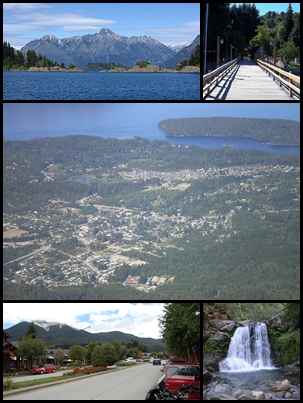
Neuquén. Villa La Angostura sits in the southwest of the province, in the heart of Andean Patagonia, on the northern shore of Lake Nahuel Huapi and within the area of influence of Parque Nacional Nahuel Huapi. It's one of the most beautiful towns in the lake district, known as the 'Garden of Patagonia', and it's the gateway to the Ruta de los Siete Lagos
📌Service town
Villa La Angostura itself has all the services along Avenida Arrayanes and in the center: hotels, cabins, restaurants, tour agencies, banks, ATMs and a tourist office. The airport and terminal you'd use to arrive from further afield are usually those in Bariloche, some 80-90 km away. It's the base for visiting the Bosque de Arrayanes, Cerro Bayo, the lakes and the Ruta de los Siete Lagos
📌Best time to go
It's a year-round destination. Summer (December to March) is ideal for trekking, the lakes, kayaking, the Ruta de los Siete Lagos and the Bosque de Arrayanes, with long days and pleasant weather. Winter (June to August) draws people for the snow and skiing on Cerro Bayo. Autumn turns the woods red and yellow, and spring brings flowers and snowmelt. Every season has its charm
📌Suggested days
2 to 3 days cover the essentials: the Bosque de Arrayanes (on foot, by bike or by boat), the center and the nearby lookouts (Belvedere, Inacayal waterfall), Cerro Bayo and a stretch of the Ruta de los Siete Lagos. With 4 days or more you can add the full Siete Lagos drive to San Martín de los Andes, plus more outings, lakes and unhurried walks
💱 ARS exchange rate
Loading rate…
🌤️ Weather in Villa La Angostura
Loading weather…

In the heart of Andean Patagonia, on the northern shore of Lake Nahuel Huapi, Villa La Angostura is one of those mountain towns that look lifted from a storybook: stone and timber houses, flowering gardens, forests of coihue and arrayán, transparent lakes and snowy peaks in the background. They call it the 'Garden of Patagonia', and it's both a quiet refuge and the gateway to some of the most celebrated landscapes in the Argentine south.

Its great jewel is Parque Nacional Los Arrayanes, on the Quetrihué peninsula, a forest unique in the world of century-old arrayán trees with cinnamon-colored bark, cold and smooth to the touch. You reach it on foot, by bike or by boat across the Nahuel Huapi, and around it is woven one of the best-known local legends: the one linking this forest to Walt Disney's Bambi. Add Cerro Bayo —a ski resort in winter and a panoramic lookout all year—, the Inacayal waterfall and the Mirador del Belvedere.

Villa La Angostura is also the starting point of the legendary Ruta de los Siete Lagos, the scenic road that winds between woods and sheets of water to San Martín de los Andes. And it's a short hop from Bariloche, which makes it a perfect base for combining the best of the lake district. Nature, mountains, lakes and Alpine architecture, in one of the most charming corners of Patagonia.

📖 History of Villa La Angostura

Villa La Angostura's history as a town is relatively recent, but the area was inhabited long before by indigenous peoples. In the 18th and 19th centuries, as part of the process of araucanización, Mapuche communities —originally from the other side of the Andes— settled in this territory around Lake Nahuel Huapi, joining the region's earlier inhabitants. The name comes from the geography: 'La Angostura' refers to the narrow isthmus —the angostura— joining the Quetrihué peninsula to the mainland, a slim neck of land on the lake. At the start of the 20th century the first criollo families, Mapuche settlers and European immigrants arrived and set up farms and sawmills. Federico Baratta is remembered as one of the first settlers at the Correntoso spot, today part of the villa. A turning point was the creation of Parque Nacional Nahuel Huapi in 1934, which under the direction of Exequiel Bustillo drove an ambitious development plan and gave the whole region a tourist boost; figures such as the Italian Primo Capraro were engines of local development. Villa La Angostura's official founding is set at 15 May 1932, when the founding deed was signed at the opening of the post and telegraph office, the community's first public service. In 1971, the Quetrihué peninsula, with its exceptional arrayán forest, was separated from Parque Nahuel Huapi and constituted as Parque Nacional Los Arrayanes. Since then, Villa La Angostura has grown into one of the most coveted destinations in Patagonia. The full story is on our history page.

Read the full history ↓

🏛️ Villa La Angostura is in Neuquén

The province of volcanoes, lakes and the araucaria: Pehuenche and Mapuche land in northern Patagonia, world capital of the giant dinosaurs, heart of the Vaca Muerta shale and gateway to the Route of the Seven Lakes.

Read the history of Neuquén →

🗺️ What to see

1
Parque Nacional Los Arrayanes and the Bosque de Arrayanes
Villa La Angostura's great icon, on the Quetrihué peninsula, on the Nahuel Huapi. A unique forest of century-old arrayán trees —some over 600 years old— with cinnamon-colored bark, cold and smooth to the touch. You get there on a boardwalk and trails, on foot or by bike (about 12 km from town) or by boat. A magical place, protected as a National Park since 1971.
The trail starts at the access control on the Quetrihué isthmus, beside Bahía Mansa, and runs 12 km of ups and downs among coihues, cypresses and radales to the tip of the peninsula, where a wooden boardwalk enters the arrayán forest proper. On foot it's about 3 to 4 hours each way; by bike, between 1 hour and a half and 2 hours, with some technical stretches. The classic alternative is the catamaran from Bahía Mansa (about 40 minutes across the Nahuel Huapi), which leaves you around an hour and a half to walk the boardwalk with park rangers. Many travelers combine the two: out on foot or by bike and back by boat, or the other way round. In the forest stands the famous wooden 'tea house', tied to the Bambi legend. It's worth starting early: entry to the trail for the full walk closes at midday in winter.
ℹ️ Entry: $35.000 foreigners, $15.000 Argentines, $8.000 Neuquén/Río Negro residents (APN, verified July 2026). Catamaran round trip $60.000 extra. Trail: 12 km each way, signposted. Register at the ranger control on the isthmus.
2
Cerro Bayo
A ski resort in winter, with dozens of runs, lifts and spectacular views of the lakes and mountains. The rest of the year it works as a panoramic lookout: you can ride the chairlift up to near 1,500 meters to see the Nahuel Huapi, the woods and the peaks, and go trekking or mountain biking. Unmissable in any season.
It's just 9 km from the center, along the road climbing up from Ruta 40, and describes itself as 'ski boutique': a smaller, more intimate ski resort than Catedral, with around 24 runs between 1,050 and 1,782 meters, gondolas and chairlifts, ideal for families and for anyone escaping the crowds. In winter (June to September) it runs at full tilt with a ski school, equipment rental and mountain restaurants; in summer the gondolas go up to the lookouts for trekking, downhill mountain biking and photography, with the whole Nahuel Huapi at your feet. From the summit, on clear days, you can see Tronador, the Osorno volcano (Chile) and much of the lake district. At the base there are cafés with terraces facing the woods.
ℹ️ 9 km from the center. Adult day pass, winter 2026: $111.400–136.500 depending on the season; foot-passenger pass $64.900–75.600 (Cerro Bayo, verified July 2026). In summer, the panoramic chairlift is US$ 20–35.
3
Mirador del Belvedere
One of the villa's classic lookouts, reached by a winding, steep road. It offers panoramic views of Lake Nahuel Huapi, Lake Correntoso, the woods and the Andes. From nearby you can also reach the Inacayal waterfall and Cerro Belvedere, in a setting of native forest.
It's the short outing with the best return in Villa La Angostura: a few kilometers from the center (you can drive up the gravel road, cycle or walk) and you reach a natural balcony with a simultaneous view of two lakes, the Correntoso and the Nahuel Huapi, separated by the mountain ridge. A woodland trail leaves from the lookout and connects with the Inacayal waterfall, so the two outings naturally go together in half a day. Keener walkers can carry on to the summit of Cerro Belvedere (about 4-5 hours there and back from the base), with even wider views. At sunset the light over the Correntoso is postcard material, and it's far less busy than the Bariloche classics.
ℹ️ Free and open access all year. About 3 km from the center along a gravel road (fine for an ordinary car, with care). Combine it with the Inacayal waterfall on the same outing.
4
Inacayal waterfall
A few kilometers from the center, a waterfall of some 50 meters hidden in native forest, reached after a walk among coihues and arrayanes. It forms a pool at its base, ideal for cooling off in summer, and pairs very well with a visit to the Mirador del Belvedere.
The falls carry the name of the chief Inacayal, one of the historic figures of Patagonia, and it's one of the loveliest and most accessible walks in the villa: a damp woodland trail, with ferns, colihue cane and moss-covered trees, that opens onto a rock amphitheater where the water drops some 50 meters. There are two viewpoints: an upper one, looking down into the gorge, and a lower one, reached by steps, to see the waterfall head-on. The flow is most impressive in spring, with the snowmelt. It's an ideal outing with kids, and in summer the cool air of the forest is welcome. Bring shoes with good grip: the trail can be slippery.
ℹ️ Free access along a public trail from the Belvedere neighborhood. A 30-45 minute walk each way. Best flow: spring (October-December).
5
Ruta de los Siete Lagos
The celebrated scenic road, along National Route 40, linking Villa La Angostura with San Martín de los Andes (about 110 km) through woods and seven Andean lakes, inside Parques Nacionales Nahuel Huapi and Lanín. It's driven by car, motorbike, bike or transport, with stops at lookouts, beaches and trails. One of Patagonia's great outings.
The seven lakes that give the route its name are Correntoso, Espejo, Escondido, Villarino, Falkner, Machónico and Lácar, though small detours add others such as the Traful or the Hermoso. The road is fully paved and has signposted lookouts at each lake, beaches where you can dip your feet, nearby waterfalls (such as Vulignanco) and rough campsites for anyone in no hurry. By car the direct drive takes about 2 hours, but the point is to treat it as a full-day outing, stopping at every lookout; doing it from Villa La Angostura lets you start with the closest lakes early and with few people around. In autumn (April-May) the woods turn red and it is, for many, the best time to drive it.
ℹ️ 110 km along paved RN 40, Villa La Angostura–San Martín de los Andes. Free (public road). Organized tour US$ 50–95 (verified July 2026). Fill up before you leave: there are no service stations on the stretch.
6
Lake Nahuel Huapi and its beaches
The great glacial lake that laps Villa La Angostura, ideal for kayaking, boating, windsurfing, sport fishing (rainbow and brown trout) and for enjoying its volcanic sand beaches. Boats to the Bosque de Arrayanes also leave from its ports —at Bahía Mansa, Bahía Brava and El Manzano.
The Nahuel Huapi is one of the largest and deepest lakes in Patagonia (over 400 meters deep in places) and at Villa La Angostura it shows its friendliest face: bays sheltered from the wind, incredibly transparent water and beaches of sand and pebbles such as Bahía Mansa, Bahía Brava and Puerto Manzano. In summer the water sits around 14-16 °C —a short, bracing dip— and on January afternoons the beaches fill with families. Boat operators offer kayaking, stand-up paddleboarding and catch-and-release fishing trips (the area is famous for its big trout, with a season from November to May). Sunset from the lakefront, with the sun dropping behind the Andes, is one of the villa's rituals.
ℹ️ Beaches with free access. Kayak/SUP US$ 25–45 (2-3 hrs); boat fishing US$ 100–210 (verified July 2026). Fishing season: November to May, with the mandatory Patagonian fishing permit.
7
The center and Avenida Arrayanes (mountain architecture)
The commercial and tourist heart of the villa, with its characteristic mountain architecture in stone and timber, gardens and shops. This is the place to walk, buy crafts and regional products (chocolates, smoked meats, beers), eat and stock up before heading out.
Municipal rules require building in stone, timber and gabled roofs, and the result is a center with an architectural coherence few Argentine destinations have: even the service stations and the banks look like mountain lodges. Avenida Arrayanes packs into about ten blocks artisan chocolate shops, breweries, Welsh and Alpine tea rooms, shops selling smoked products (venison, wild boar, trout) and mountain clothing stores. The well-tended gardens —the villa earned the nickname 'Garden of Patagonia'— burst with lupins and roses in December and January. It's worth turning off two blocks towards the lake to see the Capilla Nuestra Señora de la Asunción, the work of architect Alejandro Bustillo and a National Historic Monument.
ℹ️ A free walk on foot. Tourist office: Avenida Arrayanes 9 (opposite the bus terminal). Craft market in high season.
8
Cerro Falso Bayo and the lookouts around it
Around Cerro Bayo, Cerro Falso Bayo and various lookouts offer panoramas of the villa, the lakes and the Andes, with trekking and mountain biking options. An ideal complement for anyone after walks and views beyond the classics.
The Falso Bayo is the most accessible 'serious' trek in the villa: a sustained climb through woodland and then over open high ground, rewarded with a 360-degree view over the Nahuel Huapi, the Correntoso, the Quetrihué peninsula and the peaks on the Chilean border. It's about 5-6 hours there and back from the Cerro Bayo road, with no technical difficulty but a decent climb, so bring water and warm layers and start early. For shorter walks, the trail network around the villa includes lookouts over Lake Espejo and the descents to the Correntoso beaches. In winter these trails can be under snow: check conditions at the tourist office or with local guides before setting out.
ℹ️ Free access. A 5-6 hr trek there and back, climb of approx. 900 m. With a mountain guide: US$ 25–45 per person (verified July 2026). Register before setting out on long trails.
9
Lake Correntoso and the Correntoso river
Very close to the villa, Lake Correntoso and the extremely short Correntoso river —one of the shortest in the world, connecting it to the Nahuel Huapi— form a picturesque corner famous among anglers. A good spot for photos, for resting and for appreciating the area's wealth of lakes.
The Correntoso river measures barely 200-300 meters —it ranks among the shortest rivers in the world— and in that minimal stretch it connects Lake Correntoso with the Nahuel Huapi. That natural funnel turned it into a legendary fly fishing site: big trout run up from the Nahuel Huapi and by the start of the 20th century it was already drawing anglers from all over the world, staying at the historic Hotel Correntoso, still running above the river mouth with its postcard pier. The old road bridge offers the classic photo: the river below, the immense lake behind and the Andes as a frame. The Lake Correntoso beach, on Ruta 40 on the way to the Siete Lagos, is one of the loveliest and most accessible in the area for an afternoon.
ℹ️ About 5 km from the center along RN 40. Free access. Fishing: season November-May with a mandatory permit; the Correntoso river has special fly fishing and catch-and-release rules.
Advertisements
What nobody tells you

💵 Prices

Tickets

TypePrice
Parque Nacional Los Arrayanes / Nahuel Huapi (entry, general rate)$35.000 (pesos) general rate for foreigners; $15.000 national residents; $8.000 Neuquén/Río Negro residents; $12.000 students; pensioners, under-6s and people with a disability free; 50% discount on a second day used within 72 hrs (source: APN Resolution 132/2026, in force since 1 June 2026, verified July 2026). It's charged on entering the Quetrihué peninsula or on taking the lake excursion
Boat trip to the Bosque de Arrayanes (catamaran, round trip)$60.000 adult and $50.000 under-12s; one way $50.000 (source: Catamarán Futaleufú / Bosque Los Arrayanes, verified July 2026). Park entry is paid separately
Cerro Bayo — daily ski pass (winter, 2026 season)$111.400 (low season) to $136.500 (high season) for an adult day pass; children $87.100–106.800; foot-passenger pass $64.900–75.600 (source: Cerro Bayo Ski Boutique, official 2026 season rates, verified July 2026)
Cerro Bayo — panoramic chairlift (summer)About US$ 20–35 for the chairlift ticket up to the lookout (range according to local agencies and travel blogs, verified July 2026)
Mirador del Belvedere and Inacayal waterfallFree and open access along public trails; no entry fee (verified July 2026)
Ruta de los Siete Lagos and the Nahuel Huapi beachesA public road and beaches with free access; only fuel and any tours extra (verified July 2026)
🔄 updated monthlyOfficial / reference values · double-check when buying

Activities and tours

ActivityPriceDurationOperator
Visit the Bosque de Arrayanes on foot or by bikePark entry (APN rate, see above) + optional bike rental US$ 25–45 a day (range according to local bike shops, verified July 2026)Half a day to a full day (about 12 km each way)Parque Nacional Los Arrayanes / local bike shops
Boat trip to the Bosque de Arrayanes$60.000 adult / $50.000 child (source: Catamarán Futaleufú, verified July 2026), plus park entry3 hrs (including 1 h 30 in the forest)Catamarans from Bahía Mansa (Futaleufú, Patagonia Argentina, Angostura Lacustre)
Skiing or the chairlift on Cerro BayoSki pass $111.400–136.500 adult day pass (source: Cerro Bayo Ski Boutique, 2026 season, verified July 2026); summer chairlift US$ 20–35 (range according to agencies, verified July 2026)Half a day to a full dayCerro Bayo
Driving the Ruta de los Siete LagosSelf-guided, fuel only; organized tour US$ 50–95 per person (range according to agencies in Villa La Angostura and Bariloche, verified July 2026)Full day (there and back to San Martín de los Andes)Self-guided or tour agencies
Trek to the Inacayal waterfall and the Mirador del BelvedereFree (public trails); with a guide US$ 25–45 per person (range according to local mountain guides, verified July 2026)Half a daySelf-guided / local mountain guides
Kayaking, boating or fishing on the Nahuel HuapiKayak/SUP US$ 25–45 (2–3 hrs); boat fishing trip US$ 100–210 (range according to local boat operators, verified July 2026)2 to 4 hrsBoat and sport fishing operators
Mountain biking and forest trailsBike rental US$ 25–45 a day; e-bike US$ 45–70 (range according to local bike shops, verified July 2026)VariesLocal bike shops and agencies
🔄 updated monthlyOfficial / reference values · double-check when buying
Advertisements

🚌 How to get there and distances

Getting around

ModePriceDurationNotes
On foot (center and Avenida Arrayanes)FreeThe center of the villa is comfortable to walk, with shops, restaurants and agencies packed into a few blocks. For the excursions and lookouts you'll need a vehicle or transport.
BicycleRental US$ 25–45 a day; e-bike US$ 45–70 (range according to local bike shops, verified July 2026)Very popular for reaching the Bosque de Arrayanes (about 12 km by trail) and getting around the area. Bike shops and agencies rent regular and electric bikes. Check the state of the trail and the weather.
Private or rental carUS$ 45–90 a day + fuel (range according to Kayak/local agencies, verified July 2026)Depends on the tripThe most comfortable way to get around the surroundings, Cerro Bayo, the lakes and, above all, the Ruta de los Siete Lagos. Fill up and check road conditions, especially in winter.
Transfers and organized toursBariloche–Villa La Angostura transfer US$ 8–15 per person (bus); tours from US$ 40 (range according to Busbud/local agencies, verified July 2026)Depends on the tourLocal agencies offer transfers and tours to the Siete Lagos, the Bosque de Arrayanes, Cerro Bayo and other spots, useful if you don't drive.
Taxis, remises and the city busRemís within the villa US$ 4–10 per trip; city bus US$ 1–2 (range according to a local survey, verified July 2026)Depends on the tripAvailable for trips within the villa and to nearby points; in high season it's worth booking ahead. The bus connects some parts of town and the port area.
🔄 updated monthlyOfficial / reference values · double-check when buying

How to get there

RouteAirlines / operatorsAvg. priceDuration
Buenos Aires → Villa La Angostura (flight + transfer via Bariloche)Aerolíneas Argentinas, Flybondi, JetSmart to Bariloche + transfer/bus/carAir fare US$ 90–260 each way depending on how far ahead you book (range according to flight search engines, verified July 2026) + transfer US$ 8–15Flight ~2 hrs + ~1 h 30 transfer
Bariloche → Villa La Angostura (bus)Vía Bariloche, Albus, AeroAngostura, Crucero del NorteUS$ 8–15 each way (source: Busbud/Checkmybus, verified July 2026)~1 h 15 to 1 h 30
Bariloche → Villa La Angostura (car)Private or rental car along National Route 40, skirting Lake Nahuel HuapiFuel only, about US$ 12–20 there and back (range estimated from 2026 petrol prices, verified July 2026)~1 h 15 to 1 h 30 (about 80-90 km)
San Martín de los Andes → Villa La Angostura (Ruta de los Siete Lagos)Car, bus (Albus/Vía Bariloche) or a tour along RN 40Bus US$ 10–18; by car, fuel only (range according to local agencies, verified July 2026)~2 hrs (about 110 km, depending on stops)
Buenos Aires → Villa La Angostura (long-distance bus)Vía Bariloche, Andesmar, Crucero del Norte (direct or via Bariloche)US$ 70–140 each way in cama/semicama (range according to Plataforma10/Vía Bariloche, verified July 2026)Approx. 20 to 22 hrs
🔄 updated monthlyOfficial / reference values · double-check when buying

🏨 Where to stay

No exact prices: a scale from $ (budget) to $$$$$ (luxury), with 2-3 options per category.

CategoryPriceRecommended options
Hostels, apartments and camping$$$$$Budget options for backpackers and tight budgets: a hostel bed US$ 18–35 per person (from US$ 18 according to Hostelworld); camping US$ 10–18 per person; apartments from US$ 45 (range according to Hostelworld/Kayak, verified July 2026). Ideal for exploring the region and the Ruta de los Siete Lagos
Cabins, inns and mid-range hotels$$$$$A wide choice of mountain cabins, inns and family hotels in the center and around it: US$ 50–140 a night for a double, cabin average US$ 110-125/night (range according to Kayak/Alquiler Argentina, verified July 2026). The most popular option for families and groups; book ahead in summer and winter
4-star and boutique hotels$$$$$Upmarket hotels with breakfast, a spa or lake views: US$ 65–150 a night for a double, 4-star average US$ 88/night according to Kayak (range according to Kayak/Booking, verified July 2026). A good balance between comfort and price
Luxury lakefront lodges and resorts$$$$$Boutique hotels, lodges and high-end resorts, several facing the lakes (the Correntoso area) or deep in the mountains, with a spa, a pool and chef-driven food: US$ 200–600+ a night, up to US$ 379 average per person in the luxury category (range according to Kayak/Tripadvisor, verified July 2026). Book very far ahead in high season

🍴 Where to eat

TypePriceOptions / signature dish
Breweries, cafés and tea rooms$$$$$Craft breweries with sharing boards and burgers, cafés and tea rooms with Patagonian chocolate: US$ 8–18 per person (a pint plus a platter, or afternoon tea) (range according to Tripadvisor and local blogs, verified July 2026)
Grills, smoked meats and trout$$$$$Grills with Patagonian lamb and other meats, artisan smoked products and lake fish: US$ 14–28 for a main course (range according to Restaurant Guru/Tripadvisor, verified July 2026). Classic southern flavors
Patagonian and chef-driven restaurants$$$$$Regional and contemporary cooking with lamb, venison, wild boar, trout and forest mushrooms, at highly rated restaurants such as Tinto Bistró (dishes US$ 25–30): US$ 25–50 a dish; a multi-course tasting menu from US$ 65-90 (e.g. Las Balsas, 3-course menu ~US$ 68, 5-course with pairings ~US$ 88) (range according to published menus and Tripadvisor, verified July 2026). Worth booking
Advertisements

📖 History of Villa La Angostura

Origins, formation and what the sources say.

The indigenous peoples and the araucanización

Villa La Angostura came close to being called 'Agustín P. Justo', it could have ended up as no more than a sawmill lost among lakes, and instead it became the 'Garden of Patagonia'. But long before the names, the settlers and the hotels, the Lake Nahuel Huapi region was already home to indigenous peoples who lived from hunting, fishing and gathering in this territory of forests, lakes and mountains. The great lake was a route of communication and an axis of life for these communities, in an area of passage between Patagonia and the Andes.

Between the 18th and 19th centuries came the process known as araucanización: Mapuche communities —originally from the other side of the Andes, in what is now Chile— crossed over and settled in these territories, mixing with the peoples already there and spreading their language and culture across the region. The Mapuche left a deep mark on local place names, still visible today in names such as Quetrihué, Nahuel Huapi and Inacayal.

That indigenous presence is a fundamental part of the area's identity. Place names of Mapuche origin christen lakes, hills and hamlets, and remind us that these landscapes, before they were a tourist destination, were for centuries home to peoples who knew every corner of the forest and the lake.

villalaangostura.com.ar · Historiawelcomeargentina.com · Historyvillalaangosturaturismo.gob.ar · History

The origin of the name 'La Angostura'

The name Villa La Angostura comes straight from the geography of the place. 'La Angostura' refers to the narrow isthmus —the angostura— joining the Quetrihué peninsula to the mainland: a very slim neck of land reaching out into Lake Nahuel Huapi. That distinctive geographical feature ended up giving the whole town its name.

The central part of the town grew around the lake port, in the area known as 'La Angostura' after the Quetrihué isthmus. As the settlement grew around that point, the name imposed itself naturally, until it was fixed for good for the villa.

A curious anecdote surrounds the town's christening: at the time there was talk of calling it 'Agustín P. Justo', in tribute to the country's president. But the president himself, grateful for the gesture, refused to have a town carry his name while he was still alive. So the town kept the name the land itself had given it: La Angostura, after that narrow isthmus that is still one of its most characteristic features.

The Quetrihué isthmus: the geographical 'angostura'
The most widely accepted explanation ties the name to the geographical feature: 'La Angostura' refers to the narrow isthmus connecting the Quetrihué peninsula to the mainland, on Lake Nahuel Huapi. The town grew around the port in that area, and the name stuck because of that feature of the terrain.
Source: https://www.diarioandino.com.ar/noticias/2022/05/09/222189-el-origen-nace-el-nombre-villa-la-angostura
The name that was almost 'Agustín P. Justo'
A historical anecdote tells that the town came close to being called 'Agustín P. Justo', after the president of the day. The president thanked them for the recognition but refused to have the town carry his name while he was alive, so the geographical name, La Angostura, prevailed.
Source: https://www.diarioandino.com.ar/noticias/2026/05/15/234957-como-fue-el-origen-del-nombre-villa-la-angostura
diarioandino.com.ar · 222189 el origen nace el nombre villa la…diarioandino.com.ar · 234957 como fue el origen del nombre villa…barilocheopina.com · 87411 villa la angostura celebra su 94…

Pioneers, settlement and the founding of 1932

At the start of the 20th century, the area began to fill with new inhabitants. Criollo families, Mapuche settlers and European immigrants moved in, setting up farms and sawmills that made use of the timber from the forests. Life was hard and isolated, in a region of harsh winters and difficult communications, but the beauty of the setting and the richness of its resources drew the pioneers.

Among the first settlers, Federico Baratta is remembered for putting down roots at the Correntoso spot —today part of the villa—, along with driven figures such as the Italian Primo Capraro, considered one of the leading promoters of development across the whole Nahuel Huapi region. These pioneers laid the foundations of the local economy and society, first tied to the land and timber, and later to tourism.

Villa La Angostura's official founding is set at 15 May 1932, when the founding deed was signed at the opening of the post and telegraph office, the community's first public service. That milestone marked the town's institutional birth and the beginning of its slow transformation from an isolated rural hamlet into one of the best-loved towns in Patagonia.

diarioandino.com.ar · 234954 el 15 de mayo de 1932 el dia que se…villalaangostura.com.ar · Historiawelcomeargentina.com · History

The National Parks and the Bosque de Arrayanes

The great turning point for Villa La Angostura came with the creation of Parque Nacional Nahuel Huapi in 1934. Under the direction of Exequiel Bustillo, the institution drove an ambitious development plan that gave the region infrastructure, roads and services, and projected it as a tourist destination. The area, remote until then, began little by little to turn into a magnet for visitors.

The villa's natural treasure, though, had been there for centuries: the arrayán forest on the Quetrihué peninsula. The arrayán is a native Andean-Patagonian tree with cinnamon-colored bark, cold and smooth to the touch, which grows very slowly beside rivers and lakes and can top 15 meters; at Quetrihué there are specimens more than 600 years old. That concentration of century-old arrayanes is exceptional and almost unique in the world.

Because of its singular value, on 11 October 1971, under Law 19.292, the Quetrihué peninsula was separated from Parque Nacional Nahuel Huapi and constituted as Parque Nacional Los Arrayanes, dedicated to protecting that irreplaceable forest. Around it also grew one of the best-known local legends: the claim that Walt Disney drew inspiration from this forest for the film Bambi. Various investigations refute it —Disney is said never to have been there— but the story, along with the forest's 'Walt Disney house', lives on as a tourist attraction. With the National Park as its badge of identity, Villa La Angostura went on to establish itself as one of the most coveted destinations in Argentine Patagonia.

The Bambi legend and the Bosque de Arrayanes
A widespread legend holds that Walt Disney drew inspiration from the Bosque de Arrayanes at Quetrihué (and even from a 'Walt Disney house' preserved there) for the setting of the film Bambi, released in 1942. However, several investigations point out that Disney was never in this forest and that the film's visual inspiration came from other sources, so the story is regarded as a myth or a tourism promotion device, charming but unproven.
Source: https://www.cadena3.com/noticia/operativo-verano-2019/bosque-de-arrayanes-y-la-verdad-sobre-la-leyenda-de-bambi_236171
es.wikipedia.org · Parque nacional Los Arrayanesvillalaangostura.com.ar · Historiacadena3.com · Bosque de arrayanes y la verdad sobre la…turismo.perfil.com · 68505 7 maravillas los arrayanes el…

Primo Capraro and the first hotel: tourism is born

Before Villa La Angostura was a tourist destination, it was settlers' country. In 1902, once the border question between Argentina and Chile had been resolved, the national government created the Colonia Pastoril Nahuel Huapi and began handing out land to settlers under certain conditions, with the twin aim of encouraging settlement and shoring up sovereignty in a region that was remote until then, inhabited by Mapuche communities who lived from grazing and from trade with Chile through the Andean passes.

Among those settlers came the Italian Primo Capraro, one of the most decisive figures in the early history of the Nahuel Huapi region. Capraro first worked the land and set up a sawmill, making use of the area's forest wealth. Twenty years after his arrival, at the mouth of the Correntoso river, he built the area's first tourism venture: a pioneering hotel that anticipated what, decades later, would become Villa La Angostura's main economic activity.

The first tourists began arriving in the area almost a century ago, drawn by the lakes, the forests and the promise of an Alpine landscape at the southern end of the continent. That fledgling tourism, together with the creation of Parque Nacional Nahuel Huapi in 1934 and the works driven by Exequiel Bustillo, gradually transformed a hamlet of settlers and sawmills into one of the most established and elegant mountain destinations in Patagonia, recognizable today by its Alpine-style stone and timber architecture and by the roads linking it to Bariloche and San Martín de los Andes.

📚 Bibliography

  • Diario Andino — «El origen: nace el nombre Villa La Angostura»: https://www.diarioandino.com.ar/noticias/2022/05/09/222189-el-origen-nace-el-nombre-villa-la-angostura
  • Diario Andino — «El 15 de mayo de 1932: el día que se fundó Villa La Angostura»: https://www.diarioandino.com.ar/noticias/2026/05/15/234954-el-15-de-mayo-de-1932-el-dia-que-se-fundo-villa-la-angostura
  • Villa La Angostura (villalaangostura.com.ar) — «Historia»: https://villalaangostura.com.ar/informacion-general/historia/
  • Villa La Angostura Turismo — «Historia / History»: https://www.villalaangosturaturismo.gob.ar/en/history/
  • Welcome Argentina — «Historia de Villa La Angostura»: https://www.welcomeargentina.com/villalaangostura/history.html
  • Wikipedia — «Parque nacional Los Arrayanes»: https://es.wikipedia.org/wiki/Parque_nacional_Los_Arrayanes
  • Cadena 3 — «Bosque de Arrayanes y la verdad sobre la leyenda de Bambi»: https://www.cadena3.com/noticia/operativo-verano-2019/bosque-de-arrayanes-y-la-verdad-sobre-la-leyenda-de-bambi_236171
  • Perfil Turismo — «Los Arrayanes, el maravilloso bosque sin Bambi»: https://turismo.perfil.com/68505-7-maravillas-los-arrayanes-el-maravilloso-bosque-sin-bambi/
  • BarilocheOpina — «Villa La Angostura celebra su 94° aniversario»: https://www.barilocheopina.com/noticias/2026/05/15/87411-villa-la-angostura-celebra-su-94-aniversario-historia-origen-del-nombre-y-una-jornada-llena-de-actividades
  • La Angostura Digital — «Los primeros turistas a Villa la Angostura»: https://www.laangosturadigital.com.ar/2023/11/18/y-un-dia-hace-casi-100-anos-comenzaban-a-llegar-los-primeros-turistas-a-villa-la-angostura/

❓ Frequently asked questions

Why is it called Villa La Angostura?+
The name comes from the geography: 'La Angostura' refers to the narrow isthmus —the angostura— joining the Quetrihué peninsula to the mainland, a very slim neck of land on Lake Nahuel Huapi. The town center grew up around the port in that area, and the name stuck. Curiously, the place came close to being called 'Agustín P. Justo', after the president of the day, but he refused to have a town named after him while he was alive.
What is the Bosque de Arrayanes and why is it so special?+
It's a forest unique in the world, on the Quetrihué peninsula, protected as Parque Nacional Los Arrayanes since 1971. The arrayán is a native Andean-Patagonian tree with cinnamon-colored bark, cold and smooth to the touch, which grows very slowly beside rivers and lakes and can top 15 meters; some specimens are more than 600 years old. You get there on foot or by bike (about 12 km by trail from town) or by boat across the Nahuel Huapi.
Is it true that the Bosque de Arrayanes inspired Disney's Bambi?+
It's a nice legend, but it isn't proven. For decades the story has circulated that Walt Disney drew inspiration from this forest (and even from a 'Walt Disney house' still standing there) for the 1942 film Bambi. However, several investigations point out that Disney was never in this forest and that the film's visual inspiration came from other sources. The 'house' and the story survive as an attraction and a charming tourist legend, but it's best taken as exactly that.
How much does entry to the Bosque de Arrayanes cost?+
Since 1 June 2026, entry to Parque Nacional Los Arrayanes costs $35.000 (Argentine pesos) for foreigners, $15.000 for national residents, $8.000 for residents of Neuquén and Río Negro and $12.000 for students; under-6s, Argentine pensioners and people with a disability don't pay, and there's a 50% discount for a second day within 72 hours (APN Resolution 132/2026, verified July 2026). The catamaran crossing from Bahía Mansa is paid separately: $60.000 round trip per adult.
How many days do you need for Villa La Angostura?+
With 2 or 3 full days you cover the essentials: a day for the Bosque de Arrayanes (on foot, by bike or by catamaran), another for Cerro Bayo and the nearby lookouts (Belvedere and the Inacayal waterfall), and half a day for the center and the Nahuel Huapi beaches. With 4 days or more you can add the full Ruta de los Siete Lagos to San Martín de los Andes and walks such as Cerro Falso Bayo. Many travelers combine it with 2-3 extra days in Bariloche.
How do I get to Villa La Angostura?+
The usual route is to fly to Bariloche (Teniente Luis Candelaria airport) and from there take a transfer, a bus (Vía Bariloche, Albus, AeroAngostura) or a rental car: it's about 80-90 km along Ruta 40, around 1 hour and a half. You can also arrive by long-distance bus from Buenos Aires (close to 20 hours) or along the Ruta de los Siete Lagos from San Martín de los Andes.
When is the best time to visit?+
It depends what you're after. Summer (December to March) is ideal for trekking, the lakes, kayaking, the Bosque de Arrayanes and the Ruta de los Siete Lagos, with long days. Winter (June to August) draws people for the snow and skiing on Cerro Bayo. Autumn turns the woods red and yellow and tends to be quieter. It's a year-round destination.
Is it worth combining the visit with Bariloche and San Martín de los Andes?+
Yes, it's very common and recommended. Villa La Angostura is just 80-90 km from Bariloche and it's the starting point of the Ruta de los Siete Lagos towards San Martín de los Andes (about 110 km). Many travelers use the villa as a quiet base for exploring the whole lake district, combining all three destinations on one trip.
What should you bear in mind about the excursions and the weather?+
Mountain weather changes fast: bring warm layers, waterproofs and comfortable shoes at any time of year, even in summer. For the Bosque de Arrayanes and the trails you have to respect the National Park's hours and rules, and bring water and sun protection. In winter you need to check road conditions and the snow situation, especially for Cerro Bayo and the Ruta de los Siete Lagos.
Sources consulted (31)
Still planning?
Explore more destinations in Argentina
See all destinations →
Advertisements
Image credits
Photos from Wikimedia Commons, each under its own licence (CC BY, CC BY-SA or public domain). Open each file to see its author and licence.
Villa La Angostura Montaje