Viajá con Gus
HomeArgentinaChascomús
Chascomús
🇦🇷 Argentina · Buenos Aires

Chascomús

Jump to what you need
📌Province/State
Buenos Aires (east-central part of the province, about 120 km from the City of Buenos Aires, on the shore of Chascomús Lagoon)
📌Best time to go
Spring and autumn for the pleasant weather; autumn and winter for pejerrey fishing; summer for water sports and the waterfront
📌Suggested days
1 to 3 days
📌Currency
Argentine peso (ARS). Cards are accepted in most shops; it's worth carrying some cash
📌Getting there
From Buenos Aires on RN 2/Autovía 2 (about 120 km, 1.5-2 h) by car or long-distance bus; there is also a train (Roca line). From La Plata, 1 to 1.5 h
💱 ARS exchange rate
Loading rate…
🌤️ Weather in Chascomús
Loading weather…

Chascomús is a historic town in the east-central part of Buenos Aires province, on the shore of its famous lagoon, deep in the humid pampas, a little over a hundred kilometers from the City of Buenos Aires. It's one of the classic weekend destinations near the capital, combining the calm of a pampas lagoon with a rich historical heritage tied to gaucho tradition, the May Revolution and the events of the Libres del Sur.

Chascomús Lagoon, part of the region's chain of linked lagoons, is the town's recreational heart: the setting for pejerrey fishing, water sports, boat trips and pampas sunsets, ringed by a waterfront promenade and sailing clubs. The old town, for its part, holds the Capilla de los Negros, churches, old houses and museums evoking the colonial past and the strong criollo and gaucho stamp of an area that is a cradle of country traditions.

This guide covers the essentials of Chascomús with a practical eye: the lagoon and what you can do on it, the old town and the Capilla de los Negros, the museums and the gaucho tradition, where to eat and stay, and how to get there. It's an ideal destination for a break from Buenos Aires in search of pampas nature, history and country air.

📖 History of Chascomús

Chascomús grew up around a fort built in 1779 on the frontier with Indigenous peoples, in the region of the pampas lagoons. It was the scene of the Battle of Chascomús in 1839, during the Libres del Sur revolt against Rosas. Its Capilla de los Negros, tied to the Afro-descendant community, and its old town bear witness to its colonial, criollo and gaucho past. The full story is on our history page.

Read the full history ↓

🏛️ Chascomús is in Buenos Aires Province

The agro-export heart of Argentina: the endless pampa that was the land of the Querandí and the Pampa peoples, the domain of governor Rosas, the engine of cattle and wheat with La Plata as its purpose-built capital, cradle of the gaucho and of the Atlantic Coast where the whole country spends its summer.

Read the history of Buenos Aires Province →

🗺️ What to see

1
Chascomús Lagoon
A large pampas lagoon, the centre of pejerrey fishing, water sports and boat trips.
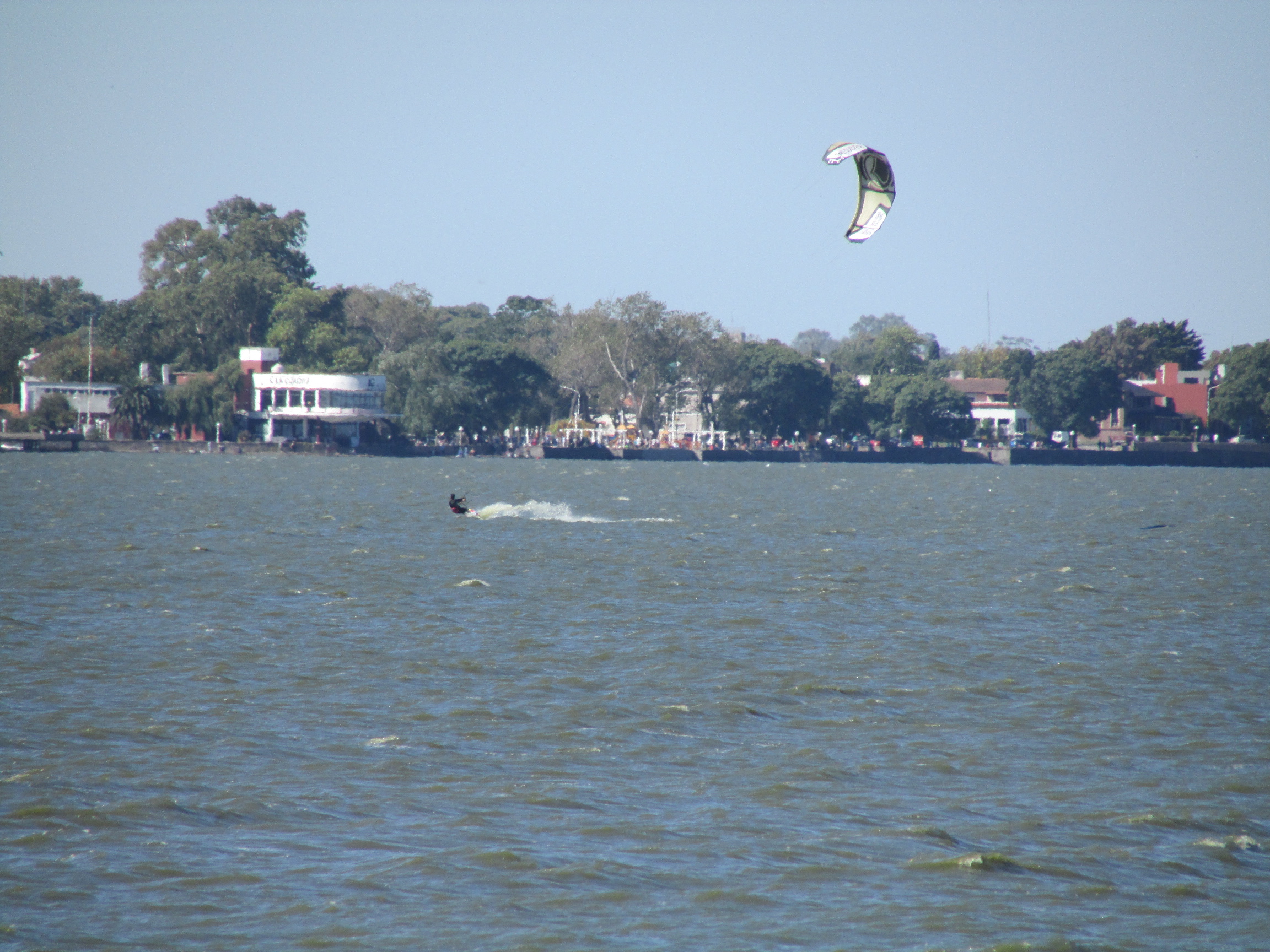
Chascomús Lagoon is the soul of the town: a broad sheet of water in the humid pampas, part of the region's chain of linked lagoons, ringed by a waterfront promenade, sailing clubs and green space. It's famous for pejerrey fishing, a deep-rooted tradition that draws anglers from across the province, especially in the cooler months. Besides fishing, the lagoon is the setting for water sports —sailing, kayaking, windsurfing, rowing—, boat and catamaran trips, and an open pampas landscape ideal for watching the sunset. The waterfront is a classic spot to walk, cycle, picnic and be outdoors. Getting there: the waterfront runs along the edge of town; reachable on foot or by car. Best time: autumn and winter for pejerrey; summer for boating. Tips: check the fishing seasons and rules; boat trips are booked with local operators.
ℹ️ Free access to the waterfront. Kayak US$ 6–12 an hour, boat trips US$ 8–20 per person with local operators and clubs (ranges according to sailing clubs and Tripadvisor, verified July 2026).
2
Capilla de los Negros (Hermandad de los Morenos)
Historic adobe chapel from 1862 tied to the Afro-descendant community, a National Historic Monument.
The Capilla de los Negros is one of the most singular and moving places in Chascomús. It's a simple adobe chapel, built in 1862 by the town's Afro-descendant community —the Hermandad de los Morenos, or Brotherhood of San Benito, made up of freed slaves—, who used it as a place of worship, of candombe and of gathering. It's an exceptional testimony to the Afro-Argentine presence and culture, so often written out of the province's history. It was declared a National Historic Monument and, since 2010, has been part of Unesco's 'The Slave Route' programme as a site of memory. The place keeps its austere, devotional atmosphere, with images and offerings, and many visitors come to ask for or give thanks for favours. Walking through the chapel opens a little-known page of Argentine history. Getting there: in town; on foot from the centre. Best time: all year. Tips: respect the devotional character of the place; check the visiting hours.
ℹ️ Free entry (a voluntary contribution is customary). A historic and devotional site; check the hours.
3
Pampeano Museum and Libres del Sur Park
A museum of pampas and gaucho life, beside the park commemorating the 1839 battle.
The Pampeano Museum, created in 1939 alongside Libres del Sur Park to mark the centenary of the Battle of Chascomús, is the town's main museum. Laid out in seven rooms in chronological order, it runs through the history of Chascomús and the region: the frontier, Indigenous peoples, life on the pampas, the gaucho tradition and the events of the Libres del Sur. The park around it, on the waterfront, is a pleasant green space to round off the visit.
ℹ️ Free entry (source: Municipality of Chascomús, verified July 2026). Open Tuesday to Friday from 9:00 to 15:00 and Saturdays, Sundays and public holidays from 10:00 to 16:00; closed Mondays.
4
Old town and Cathedral
The colonial street grid, the old houses and the Cathedral in the traditional centre.
The old town of Chascomús keeps the layout and architecture of a pampas town with colonial roots: the main square (Independencia), the imposing Nuestra Señora de la Merced Cathedral, old houses and historic buildings from the 19th and early 20th centuries. Walking it lets you take in the heritage and the traditional feel of the town, with its shops, cafés and tree-lined pavements. It's the ideal place to start.
ℹ️ Free access. The old town and the Cathedral are seen on foot.
5
Waterfront and Libres del Sur Park
The lakeside promenade, ideal for walking, cycling and watching sunsets.
Chascomús's long waterfront, running along the lagoon, is one of the best-loved walks for locals and visitors alike. With green space, benches, playgrounds, jetties and the sailing clubs, it invites you to walk, run, cycle, picnic or simply watch the famous pampas sunsets over the water. In season it fills with anglers, families and runners, and it's the setting for events and popular festivals.
ℹ️ Free access. Bike rental US$ 4–10 a day and kayaks US$ 6–12 an hour in the area (ranges according to local shops and clubs, verified July 2026).
6
Estancias and rural tourism on the pampas
Country days, horse rides and gaucho tradition at the estancias around town.
Around Chascomús, several pampas estancias offer rural tourism: country days with an asado, horse rides, sulky rides, displays of gaucho skills and, in some cases, lodging in historic main houses. It's the best way to get close to the gaucho and country culture that is an essential part of the region's identity, in a setting of open fields, cattle and pampas horizon.
ℹ️ Country day with lunch US$ 25–50 per person (range according to tourist estancias in the area, verified July 2026); book in advance.
Advertisements
What nobody tells you

💵 Prices

Tickets

TypePrice
Access to the waterfront and old townFree, open access (source: Municipality of Chascomús, verified July 2026)
Pampeano MuseumFree, open access; Tuesday to Friday from 9:00 to 15:00 and Saturdays, Sundays and public holidays from 10:00 to 16:00, closed Mondays (source: Municipality of Chascomús, verified July 2026)
Capilla de los NegrosFree, a voluntary contribution is customary (source: Municipality of Chascomús, verified July 2026)
Boat/catamaran trip on the lagoonUS$ 8–20 per person depending on the operator (range according to Guía Chascomús and traveler blogs, verified July 2026)
Pejerrey fishing (annual non-federated provincial permit)$5,005 ARS (source: Ministry of Agrarian Development of the Province of Buenos Aires, verified July 2026); 20-day tourist licence $1,815 ARS; boat fishing charged separately
🔄 updated monthlyOfficial / reference values · double-check when buying

Activities and tours

ActivityPriceDurationOperator
Pejerrey fishing (from shore and from a boat)Annual non-federated permit $5,005 ARS or 20-day tourist licence $1,815 ARS (source: Ministry of Agrarian Development of the Province of Buenos Aires, verified July 2026); guided boat outing US$ 35–75 per group (range according to fishing blogs, verified July 2026)VariesLocal fishing guides and boat operators
Water sports (sailing, kayaking, windsurfing)Kayak rental US$ 6–12 an hour; lessons vary by club (range according to local sailing clubs and traveler forums, verified July 2026)VariesSailing clubs on the lagoon
Boat or catamaran tripUS$ 8–20 per person (range according to Guía Chascomús and Tripadvisor, verified July 2026)1-2 hOperators on the lagoon
Country day and horse rides at estanciasUS$ 25–50 per person with lunch (range according to tourist estancias in the area and traveler blogs, verified July 2026)Full dayTourist estancias around town
Historic and museum circuit (on foot)Free on your own; with a guide US$ 12–25 (range according to local guides, verified July 2026)Half dayOn your own or with local guides
🔄 updated monthlyOfficial / reference values · double-check when buying
Advertisements

🚌 How to get there and distances

Getting around

ModePriceDurationNotes
On foot / by bikeFree; bike rental US$ 4–10 a day (range according to local shops, verified July 2026)VariesThe old town and the waterfront are covered on foot or by bike
CarFuel; regular petrol about $1,450–1,550 ARS/liter (source: YPF/Shell price survey, verified July 2026)VariesConvenient for the lagoon, the estancias and the surrounding area
Taxi / remísUS$ 3–8 per trip within town (range according to local car services, verified July 2026)VariesAvailable in town and at the bus terminal
🔄 updated monthlyOfficial / reference values · double-check when buying

How to get there

RouteAirlines / operatorsAvg. priceDuration
Buenos Aires (Retiro) → Chascomús (RN 2 / Autovía 2)Long-distance buses (El Rápido Argentino and others, around 11 departures a day), car, trainBus from about $880 ARS (source: Plataforma10/Central de Pasajes, verified July 2026); the train is cheaperAbout 1 h 40 min to 2 h (some 120 km), direct with no changes
La Plata → ChascomúsCar; long-distance busesBus about US$ 5–10 (range according to Plataforma10, verified July 2026)About 1 to 1.5 h
Train (Roca line, southern branch)Trenes ArgentinosUS$ 2–5 depending on the service (range according to Trenes Argentinos and traveler forums, verified July 2026); check the timetableAbout 2.5 to 3 h
🔄 updated monthlyOfficial / reference values · double-check when buying

🏨 Where to stay

No exact prices: a scale from $ (budget) to $$$$$ (luxury), with 2-3 options per category.

CategoryPriceRecommended options
Hotels and inns in the centre$$$$$US$ 40–85 per night (range according to Booking.com and Despegar for Chascomús, verified July 2026); hotels and inns in the centre and near the lagoon
Cabins and complexes by the lagoon$$$$$US$ 30–65 per night (range according to Booking.com and Airbnb, verified July 2026); cabins and complexes with grounds, ideal for families and groups
Tourist estancias on the pampas$$$$$US$ 90–220 per night (range according to Booking.com and blogs on rural tourism in Buenos Aires province, verified July 2026); estancias with historic main houses, country days and horse rides around town
Budget guesthouses and campsites$$$$$US$ 6–18 per tent or simple room (range according to Booking.com and campsite listings in Buenos Aires province, verified July 2026); budget guesthouses and campsites by the lagoon

🍴 Where to eat

TypePriceOptions / signature dish
Grill houses and country cooking$$$$$US$ 8–20 per dish (range according to Tripadvisor and traveler forums, verified July 2026); grill houses with asado, offal and meat, pampas classics
Lagoon fish (pejerrey)$$$$$US$ 10–22 per dish (range according to Tripadvisor and Buenos Aires province food blogs, verified July 2026); restaurants serving pejerrey and freshwater fish, the local specialty
Cantinas, pizzerias and home cooking$$$$$US$ 6–14 per dish (range according to Tripadvisor and local reviews, verified July 2026); cantinas, pizzerias and home cooking in the centre
Cafés and pastry shops$$$$$US$ 3–8 for afternoon tea (range according to local reviews and traveler blogs, verified July 2026); cafés and pastry shops in the centre and on the waterfront, ideal for a break
Advertisements

📖 History of Chascomús

Origins, formation and what the sources say.

The frontier fort and the origins

Where children play today in Plaza Independencia, almost 250 years ago there stood a palisade barely 60 meters to a side, with cannons pointing at the open pampas: it was the very edge of the colonial world. On 30 May 1779, the Blandengues captain Pedro Nicolás Escribano founded the Fortín de San Juan Bautista on the shore of the lagoon, an outpost on the frontier line meant to hold back raids and shore up the Hispanic-criollo presence against the lands still controlled by Indigenous peoples. That modest fort was the seed of Chascomús.

The site was no accident: the lagoon provided water and resources, and the region of linked lagoons was strategic ground in the humid pampas. Around the fort a settlement of soldiers, settlers and families grew, living off cattle and frontier life, in a setting marked by contact and conflict with Indigenous peoples and by the criollo and gaucho culture flourishing in the Buenos Aires countryside.

The name 'Chascomús' is Indigenous in origin, like many place names in the region: according to the most widespread reading, it comes from the language of the Pampa peoples and would refer to the very salty water of the lagoon, though as usually happens with these etymologies there are other versions. From those origins of fort and lagoon comes the town's double identity: that of water and pampas nature, and that of frontier, criollo and gaucho history, which still defines it.

The Battle of Chascomús and the Libres del Sur

Chascomús holds a prominent place in 19th-century Argentine political history. In 1839, during Juan Manuel de Rosas's second government and in the middle of the crisis caused by the French blockade of the Río de la Plata, an uprising of landowners and townspeople broke out in the south of Buenos Aires province, known as the Libres del Sur revolt. Its leaders were Pedro Castelli —son of Juan José Castelli, the orator of the May Revolution—, the French colonel Ambrosio Crámer, a veteran of Napoleon's armies settled in the area, and colonel Manuel Leoncio Rico. The movement expressed the discontent of the Buenos Aires countryside with Rosas's policies and the economic hardship of the blockade, and it was coordinated with general Juan Lavalle's campaign against Rosas; months earlier, in June 1839, the associated urban conspiracy had ended with the execution of young Ramón Maza and the murder of his father, the president of the Legislature Manuel Vicente Maza.

The uprising was launched in Dolores on 29 October 1839 and came to gather close to 2,000 men between volunteers and estancia hands. The reaction was immediate: forces loyal to Rosas, commanded by his brother Prudencio Rosas, marched out to meet the rebels, and on 7 November 1839, on the shore of Chascomús lagoon, the decisive battle was fought. In little over three hours of combat, which left some 250 dead, the Libres del Sur were defeated: Crámer fell in the fighting, and Pedro Castelli, captured as he fled, was executed — his head stayed spiked on a pike in the square of Dolores for years, as a warning. The uprising was crushed within weeks.

That chapter of history, along with its origins as a frontier fort, made Chascomús a place loaded with patriotic and criollo past. The town keeps the memory of these events in its museums, monuments and stories —Libres del Sur Park, created in 1939 on the centenary of the battle, is the most visible testimony—, folding them into its identity as a historic town of the Buenos Aires pampas and as one of the key settings of Argentina's 19th-century civil wars.

The Capilla de los Negros and the Afro-Argentine legacy

One of the most singular chapters in the history of Chascomús is that of its Afro-descendant community and its Capilla de los Negros. Through the colonial era and the 19th century, the population of African origin —brought in slavery, above all from what is now Angola and Mozambique through the port of Buenos Aires, and later freed under the successive free-womb and abolition laws— was an important part of Buenos Aires society, in the countryside and in towns like Chascomús too, although its presence was long written out of the traditional historical account, which for decades built an image of Argentina as a country of exclusively European immigration.

In the 19th century the town's Afro-descendant community, organized in the Hermandad de los Morenos (or of San Benito de Palermo, a patron traditionally associated with Afro-American religiosity), built around 1862 a simple adobe chapel that served them as a place of worship, devotion, candombe and community gathering, at a time when Afro-descendant social life tended to be organized around these brotherhoods or 'nations' that reproduced ethnic and cultural ties of African origin. That humble building, the Capilla de los Negros, has survived to this day as an exceptional testimony to Afro-Argentine culture and religiosity, a type of building of which very few examples survive anywhere in the country.

The site keeps its austere, devotional atmosphere, with images and offerings, and is venerated by many visitors who come to ask for or give thanks for favours. It was declared a National Historic Monument, and since 2010 it has been part of Unesco's 'The Slave Route' programme as a site of memory of the transatlantic slave trade and its consequences. Beyond its spiritual value, the Capilla de los Negros is a living document of the history of Afro-descendants in Argentina, and one of the great heritage symbols of Chascomús, a reminder of a often-forgotten dimension of pampas society: colonial and 19th-century Buenos Aires came to have an Afro-descendant population that, according to some censuses, made up more than a quarter of its inhabitants.

The railway, the lagoon and the birth of the tourist destination

Through the 19th century and into the early 20th, Chascomús grew into a prosperous town of the humid pampas, built on cattle and farming. A decisive milestone in its development was the arrival of the railway in 1865: Chascomús station was one of the first in the south of the province, and the train connected the town with Buenos Aires, driving its economy, its commerce and its urban growth, and sowing the seed of its future as a short-break destination.

Chascomús Lagoon, part of the chain of linked lagoons of the Salado river, was from early on the town's great natural and recreational draw. Pejerrey fishing became a tradition and a magnet for visitors from across the province, and the waterfront, the sailing clubs and water sports gradually gave Chascomús the profile of a nature and leisure destination that it keeps to this day.

Through the 20th century, the closeness to Buenos Aires and the combination of lagoon, history and country air turned Chascomús into one of the most classic weekend breaks for people from the capital. Today the town brings together its rich historical heritage —the fort, the Libres del Sur, the Capilla de los Negros, the museums— with its lagoon and its gaucho tradition, offering a destination that joins nature, culture and pampas identity.

📚 Bibliography

  • Wikipedia (ES) — «Chascomús»: https://es.wikipedia.org/wiki/Chascom%C3%BAs
  • Wikipedia (ES) — «Batalla de Chascomús»: https://es.wikipedia.org/wiki/Batalla_de_Chascom%C3%BAs
  • Guía Chascomús — Historia de Chascomús (fundación y batalla): https://guiachascomus.com.ar/historia-chascomus/
  • Infobae — La macabra historia de la cabeza de Pedro Castelli: https://www.infobae.com/sociedad/2022/11/07/la-macabra-historia-de-la-cabeza-de-pedro-castelli-exhibida-en-una-plaza-y-el-misterio-de-su-desaparicion/
  • Wikipedia (ES) — «Laguna de Chascomús»: https://es.wikipedia.org/wiki/Laguna_de_Chascom%C3%BAs
  • Wikipedia (ES) — «Capilla de los Negros»: https://es.wikipedia.org/wiki/Capilla_de_los_Negros
  • Wikipedia (ES) — «Libres del Sur»: https://es.wikipedia.org/wiki/Libres_del_Sur
  • Wikipedia (ES) — «Afroargentinos»: https://es.wikipedia.org/wiki/Afroargentino
  • Sitio oficial de turismo de Chascomús: https://www.chascomus.gob.ar/
  • Destino Chascomús — Atractivos: https://destinochascomus.com/atractivos/
  • Welcome Argentina — Chascomús: https://www.welcomeargentina.com/chascomus/

❓ Frequently asked questions

How much does it cost to visit the museums and attractions of Chascomús?+
Much of what there is to see is free: the waterfront, the old town, the Pampeano Museum (Tuesday to Friday from 9:00 to 15:00 and weekends/public holidays from 10:00 to 16:00) and the Capilla de los Negros (voluntary contribution). You pay for activities on the lagoon (boat trips about US$ 8–20 per person), the provincial fishing licence ($5,005 ARS a year non-federated, or $1,815 ARS for the 20-day tourist licence) and country days at the estancias (source: Municipality of Chascomús and Ministry of Agrarian Development of the Province of Buenos Aires, verified July 2026).
Why visit Chascomús?+
For its combination of pampas lagoon and history: it's one of the most classic short breaks near Buenos Aires, with a large lagoon for fishing and boating, a waterfront to stroll, and an old town with the singular Capilla de los Negros and museums evoking the colonial, criollo and gaucho past.
What can you do on Chascomús Lagoon?+
Fish for pejerrey (the great classic, above all in the cooler months), take up water sports such as sailing, kayaking and windsurfing, go out on a boat or catamaran, and enjoy the waterfront for walking, cycling and watching pampas sunsets.
What is the Capilla de los Negros?+
It's a simple adobe chapel from 1862, built by the Afro-descendant community of Chascomús (the Hermandad de los Morenos, or Brotherhood of San Benito, made up of freed slaves). It's a National Historic Monument and, since 2010, a site of memory in Unesco's 'The Slave Route' programme. An exceptional testimony to the Afro-Argentine presence.
What historical importance does Chascomús have?+
It grew up around a fort built in 1779 on the Buenos Aires frontier, and was the scene of the Battle of Chascomús in 1839, during the Libres del Sur revolt against Rosas. It's a cradle of gaucho traditions and keeps a rich historical heritage.
How do you get to Chascomús from Buenos Aires?+
Very easily: on RN 2/Autovía 2, some 120 km (1.5-2 hours by car or bus, with around 11 bus departures a day from Retiro). There is also a Roca line train service from Plaza Constitución, cheaper though slower (about 2.5-3 hours). From La Plata, around 1-1.5 hours.
Sources consulted (12)
Still planning?
Explore more destinations in Argentina
See all destinations →
Advertisements
Image credits
Photos from Wikimedia Commons, each under its own licence (CC BY, CC BY-SA or public domain). Open each file to see its author and licence.
Laguna de Chascomús