Viajá con Gus
Home › Gambia › Bakau and Kachikally
Bakau and Kachikally
🇬🇲 Gambia · Banjul and the metropolitan area

Bakau and Kachikally

🪪 What do I need to enter Gambia?Pick your citizenship and we tell you the visa, the days and the paperwork, with the official source.

By leaving your email and citizenship you agree to receive the documents you asked for and weekly travel news. You can unsubscribe whenever you want. How we handle your data.
Jump to what you need
📍Region
Bakau is a coastal town in The Gambia's metropolitan area, at the tip of Cape Point, where the Serekunda-Kombo urban strip meets the Atlantic. Unlike neighbouring Kololi, which is busier and noisier, Bakau keeps the feel of a town with a life of its own: a fishing harbour, botanical gardens, a craft market and, above all, its great treasure, the Kachikally sacred crocodile pool, an ancestral place of worship in the heart of town. Together with adjoining Fajara, it is one of the most pleasant and authentic areas on the Gambian coast.
📌Best time to visit
The best time is the dry season, from November to mid-June, with sunshine, mild heat and low humidity; November to February are the coolest months. The rainy season (July-October) brings humid heat and downpours, but also migratory birds and green landscapes. For Kachikally and the gardens, go in the morning or late afternoon, when the sun is less fierce.
📌What Kachikally is
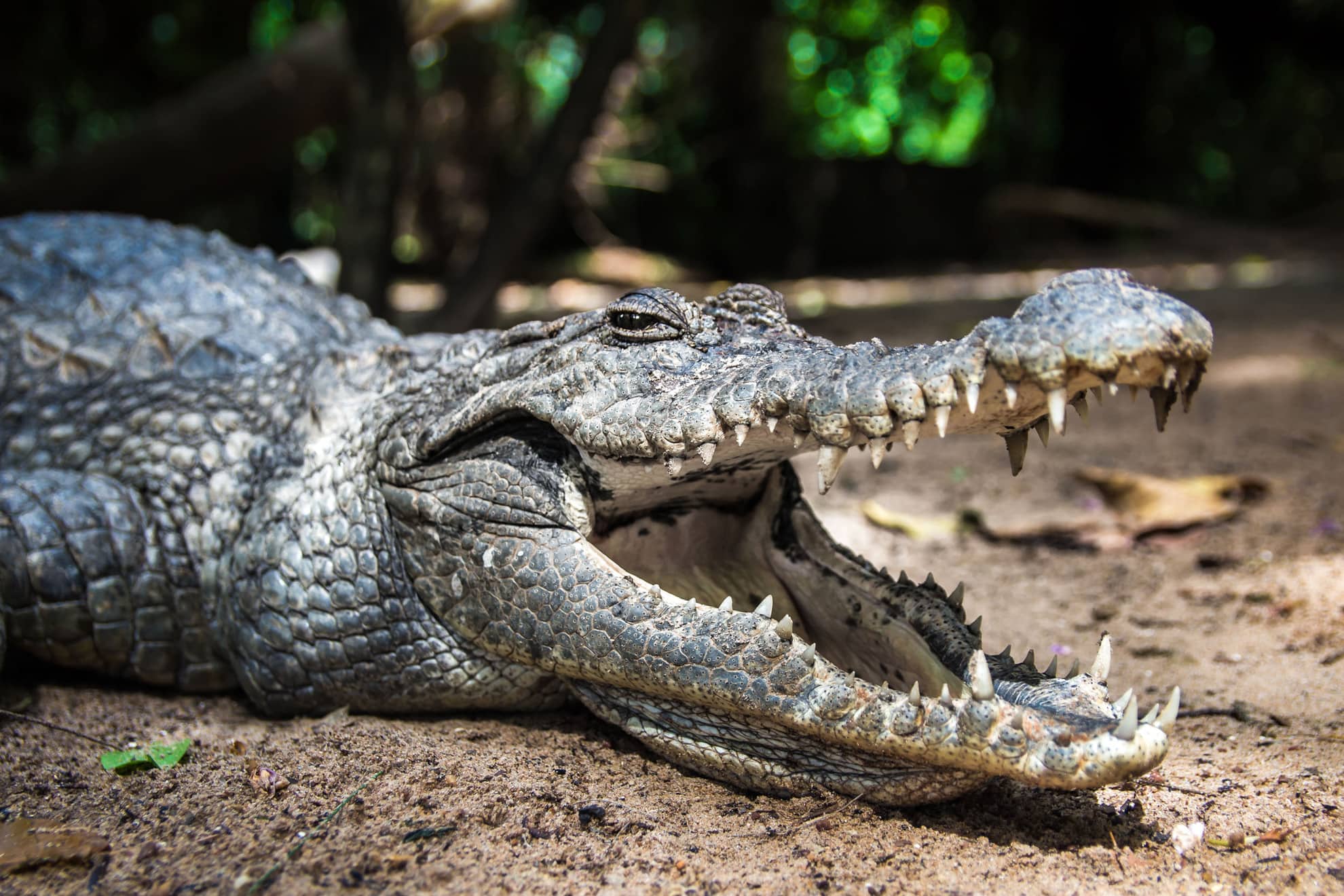
Kachikally (or Katchikally) is a sacred pool in the middle of Bakau, home to semi-tame Nile crocodiles and looked after for more than five centuries by the Mandinka Bojang family. It is a fertility shrine: tradition credits its waters with the power to cure infertility and protect against evil. Visitors can get close to, and even touch, some of the gentlest crocodiles, which are used to people.
📌Language and currency
The official language is English; on the street people speak Mandinka, Wolof and Fula. The currency is the Gambian dalasi (GMD); as of July 2026 the rate is around 72-73 dalasis to the dollar. Everything is paid in cash: bring small notes for admission fees, taxis and the craft market.
📌Suggested days
Half a day is enough for Bakau: Kachikally, the botanical gardens, the craft market and a walk around Cape Point and the fishing harbour. Many travellers stay in Bakau itself or in Fajara, or come on a day trip from Kololi or Kotu, 10-20 minutes away. With a full day you can add some beach time and a meal by the sea.
📌Getting there
Banjul International Airport (BJL/Yundum) is about 20 km to the south; by taxi it takes 30-40 minutes. From the coastal hotels (Kololi, Kotu) or from Serekunda, a taxi takes 10-20 minutes; there are also shared taxis and minibuses. Kachikally is signposted in the centre of Bakau, a short distance from the market and the gardens.
💱 GMD exchange rate
Loading rate…
🌤️ Weather in Bakau and Kachikally
Loading weather…

Bakau is one of the most charming corners of the Gambian coast: a town with its own soul looking out over the Atlantic at the tip of Cape Point, with century-old botanical gardens, a lively fishing harbour, a craft market and, right at its heart, one of the most unusual places in West Africa: the Kachikally sacred crocodile pool. Less touristy than neighbouring Kololi, it keeps the unhurried pace of a community of fishermen and farmers who live alongside travellers without losing their identity.

The highlight is undoubtedly Kachikally: a green-water pool surrounded by forest, looked after for more than five hundred years by the Bojang family, where semi-tame Nile crocodiles live. It is not a zoo but a fertility shrine where Gambians have come for generations to pray for children, health and protection. The gentlest crocodiles, used to people, let you touch them under the watchful eye of the guardians; it is an intense experience, somewhere between tourist attraction and sacred site, that sums up the magical bond between this town and its reptiles.

This guide explores Bakau with a practical eye: how to visit Kachikally and what it costs, what to see in the botanical gardens and the market, where to enjoy the beach and the fishing harbour, how to get there from the tourist coast and where to eat good fish. It is the perfect outing to combine nature, culture and a touch of mystery just minutes from the big hotels.

📖 History of Bakau and Kachikally

Bakau is an old coastal town in the Kombo, inhabited for centuries by Mandinka, Wolof and fishing communities, and its most famous landmark is the Kachikally sacred pool. According to tradition, a female spirit —Katchikally— blessed the well after bringing back a child who had fallen into its waters, and entrusted it to the Bojang family, who have looked after it for more than five centuries as a fertility shrine. In colonial times, Bakau became home to the botanical gardens (1924) and grew as a residential town next to Fajara; today it combines that heritage with fishing life and tourism. Its history is told in detail on our history page.

Read the full history ↓

🏛️ Bakau and Kachikally is in Banjul and the metropolitan area

The urban heart of Gambia: a tiny capital born as an anti-slavery fort on a river island, and the bustle of Serekunda and Bakau around it.

Read the history of Banjul and the metropolitan area →

🗺️ What to see

Tours nearby, in Banjul

They depart from Banjul, 11 km away. If you book from this link we earn a commission and you pay no more.

1
Kachikally sacred crocodile pool
The heart of Bakau and one of the most fascinating places in The Gambia: a sacred green-water pool surrounded by forest, with around eighty semi-tame Nile crocodiles, looked after for more than five centuries by the Bojang family. It is a fertility shrine where Gambians come to pray for children and protection. The gentlest crocodiles —the most famous was called 'Charlie'— let you touch them under the guardians' supervision. Admission 100 GMD, with an ethnographic museum, nature trail and shop.
2
Kachikally Museum
Within the same sacred grounds, a small ethnographic museum displays masks, instruments, amulets, ritual objects and explanations of traditional Gambian beliefs, magic, initiation and the role of crocodiles as protective spirits. It is a good complement for understanding why the pool is sacred and what it means to local communities.
3
Bakau Botanical Gardens
Founded in 1924, during British colonial rule, these are quiet, shady gardens near the coast, with tropical trees, palms, ornamental plants and plenty of birds, ideal for a gentle stroll and for birdwatchers. A green haven in the middle of town, little visited and very pleasant.
4
Cape Point and its beaches
The tip of Cape Point, where Bakau meets the Atlantic, has quieter, less crowded beaches than Kololi's, with golden sand and the odd beach bar. It is a good spot for a swim, a walk along the shore and a look at local life by the sea, with laid-back hotels and restaurants.
5
Bakau craft market
Bakau's craft market is one of the best on the coast for souvenirs: wood carvings, masks, batik, fabrics, beads, instruments and jewellery, with the artisans working in plain view. As everywhere in the country, you are expected to haggle, good-naturedly. Less overwhelming than other markets, it is a must-stop for taking home Gambian crafts.
6
Bakau fishing harbour
On the shore, colourful pirogues come in with the catch while fishermen unload and mend their nets in a very photogenic, authentic scene. Watching the harbour at work, with the gulls, the bustle of fresh fish and the boats coming and going, is a glimpse into the seafaring life that supports much of the town.
7
Fajara and its coast
Right next to Bakau, the residential area of Fajara is home to embassies, grand houses, the Fajara Golf Club (one of the most unusual in Africa, with sand greens) and stretches of coast with low cliffs and hidden beaches. It is a green, quiet area, pleasant for walking and with good restaurants.
📶I have never landed without internet. I arrive and my phone connects to the strongest network in the country I am visiting: I can say I landed, sort out transport, book tours and keep posting, at a seriously good price. I always use the Maya eSIM — check their plans by clicking the banner.See plans →Maya Mobile eSIM — skip roaming fees, unlimited data
What nobody tells you

💵 Prices

Tickets

TypePrice
Kachikally (estanque sagrado + museo + sendero)100 GMD per adult (approx. USD 1,40), 2025-2026 rate; check when visiting
Jardines botánicos de BakauFree admission or a token donation; check when visiting (2026)
Mercado de artesanía y puertoFree admission (you only pay for what you buy)
Guía local en KachikallyIncluded/voluntary tip; the guardians accompany you and explain (2026)
🔄 updated monthlyOfficial / reference values · double-check when buying

Activities and tours

ActivityPriceDurationOperator
Visit to Kachikally with the guardians' explanation and a chance to touch a crocodileIncluded in admission (100 GMD) + voluntary tip (2026)30-45 minBojang family (custodians of the shrine)
Birdwatching walk through the botanical gardensFree, or a tip for the guide if you hire one (2026)1 hLocal bird guides
Craft shopping at the Bakau craft marketCarvings, masks and batik from about USD 3-25 depending on the piece, with haggling (2026)1 hLocal artisans
Afternoon on the beach at Cape Point with a fish mealMeals from about USD 6-15 per person (2026)Half dayBeach bars and restaurants on the coast
🔄 updated monthlyOfficial / reference values · double-check when buying

🚌 How to get there and distances

Getting around

ModePriceDurationNotes
Tourist taxi (green) with an agreed fareShort trips from about 200-400 GMD; half day negotiable (2026)VariableThe most convenient option for travellers; agree on the fare before getting in
Shared taxi / gelly-gellyFrom about 15-30 GMD per leg (2026)VariableVery cheap; they run fixed routes between Bakau, Fajara, Serekunda and the coast
On foot around BakauFreeThe town is compactKachikally, the market, the gardens and the harbour are all within a short distance of each other
Cycling or strolling through FajaraBike hire from about USD 5-10 a day at some hotels (2026)VariableThe Fajara and Cape Point area is pleasant and flat for cycling
🔄 updated monthlyOfficial / reference values · double-check when buying

How to get there

RouteAirlines / operatorsAvg. priceDuration
Banjul International Airport (BJL/Yundum) → BakauTaxis, hotel transfersTaxi about USD 20-30 (2026)30-40 min (20 km)
Kololi / Kotu (tourist coast) → BakauTourist taxi, shared taxiPrivate taxi from about 300-500 GMD; shared much less (2026)10-20 min
Serekunda → BakauShared taxi, gelly-gellyFrom about 15-30 GMD on shared transport (2026)10-15 min
Banjul → BakauTaxi, shared taxiPrivate taxi from about 400-600 GMD (2026)20-30 min
🔄 updated monthlyOfficial / reference values · double-check when buying

🏨 Where to stay

No exact prices: a scale from $ (budget) to $$$$$ (luxury), with 2-3 options per category.

Mid-range / boutique by the sea (Cape Point, Fajara)
Price$$$$$
Recommended options
From about USD 50-120 a night; charming hotels with Atlantic views such as Cape Point Hotel, Ngala Lodge (elegant, in Fajara) or Bakadaji, quieter than the big resorts in Kololi
Mid-range / family
Price$$$$$
Recommended options
Approx. USD 40-80 a night; comfortable hotels and apartments in Bakau and Fajara, a good base for exploring the coast at a relaxed pace
Budget (guesthouses and lodges)
Price$$$$$
Recommended options
From about USD 20-45 a night; simple guesthouses and lodges such as those around Leybato, by the beach, popular with independent travellers

🍴 Where to eat

Pescado y marisco fresco frente al mar
Price$$$$$
Options / signature dish
About USD 8-20 per person; barracuda, ladyfish, prawns and oysters at restaurants in Cape Point and Fajara, many with terraces over the beach
Cocina gambiana tradicional
Price$$$$$
Options / signature dish
From about USD 3-8 per person; benachin, domoda, yassa and superkanja at local eateries in town
Internacional y de autor (Fajara)
Price$$$$$
Options / signature dish
From about USD 15-30 per person; quality European and international cuisine at places such as Ngala Lodge, a culinary benchmark on the coast
Chiringuitos y snacks de playa
Price$$$$$
Options / signature dish
From about USD 3-10; grilled fish, skewers and cold drinks right by the sand

📖 History of Bakau and Kachikally

Origins, formation and what the sources say.

Bakau: a coastal town in Kombo

Bakau is one of the oldest settlements on the Kombo coast, the region in south-west Gambia that looks out over the Atlantic. Long before the resorts and the 'Senegambia Strip' existed, Mandinka, Wolof and other farming and fishing communities lived here, making their living from the sea, their crops and trade along the coast. Cape Point, where the town juts out into the ocean, was a natural landmark for navigation and fishing.

The origin of Bakau's name and its founding are lost in oral tradition, but by colonial times the town already appears as a well-established community, with its alkalo (traditional chief), its neighbourhoods and its sacred sites. Unlike Bathurst (Banjul), which the British built from scratch in 1816, Bakau was an existing African community that the colonial administration gradually drew into its orbit as the coastal region developed.

During the British period, Bakau and neighbouring Fajara became sought-after residential areas, valued for their sea climate and their closeness to the capital. In 1924 botanical gardens were laid out here, a green, orderly space meant for acclimatising plants and for leisure, and they still survive as one of the quietest corners of the town. Little by little, Bakau was absorbed into the large urban area of Kombo, but without entirely losing its character as a town with its own identity.

The legend of the sacred pool

The soul of Bakau is Kachikally, its sacred crocodile pool, and its story is above all one of belief and oral tradition. According to the account handed down through the generations by the Bojang family, the site's custodians, it all began more than five centuries ago, when two Bojang brothers were tapping palm wine near the well. A female spirit arrived carrying a child on her back and, as she bent down to draw water, the child fell into the pool.

The brothers dived straight into the water and found the child safe and sound, sitting on a large stone at the bottom. In gratitude, the spirit, named Katchikally, declared the pool sacred, blessed its waters with the power to grant fertility and protection, and entrusted the Bojang family with its care forever. According to the same tradition, it was Katchikally who ordered crocodiles to be brought to the well, making them sacred, protected animals.

Since then, the Bojang family, who are Mandinka and also hold the office of alkalo of Bakau, have guarded the shrine, passing the responsibility from father to son. Kachikally became one of the three great sacred crocodile pools of Gambia, alongside Folonko in Kartong and the pool at Berending. All of them are, first and foremost, fertility shrines: for generations, women unable to have children have come to bathe or wash in the blessed water of the well, seeking the blessing of motherhood.

The sacred crocodiles and their guardians

Around eighty Nile crocodiles, Africa's largest species, live at Kachikally, in a green-watered pool surrounded by nine acres of tropical forest that, according to tradition, has not been cut for more than four hundred years: silk cotton trees, baobabs and ficus form a canopy over the water. Unlike their wild relatives, these crocodiles have been used to people since they were young and are fed by the guardians, which makes them unusually docile.

Some of the calmest ones have become famous with visitors; for years the best known was a large crocodile nicknamed 'Charlie', who would happily let people touch and photograph him. The guardians, who know each animal's temperament, pick out the calmest ones and keep a close eye on any contact, always on the back or the tail. For Gambians, though, touching the crocodiles is not a tourist game but a meaningful gesture: they are sacred animals, the embodiment of the well's protective power.

The site also has a small ethnographic museum, a nature trail and a community of birds and monkeys living in the forest. Visitor admission, now one of the sources of income that keep the place running, sits alongside its religious role: it is not unusual to come across Gambians who have come to pray, to ask for a child or to take home a little blessed water, a reminder that Kachikally is still, above all, a living shrine and not just an attraction.

From colonial Bakau to the tourist coast

Throughout the 20th century, Bakau and its surroundings changed as the metropolitan area grew. Its closeness to Banjul, the sea climate and the beauty of Cape Point attracted well-off residents, civil servants and, after independence in 1965, the first infrastructure for the tourism that was beginning to take off on the Gambian coast. Fajara, right next to Bakau, filled up with embassies, residences and even an unusual golf club with sand fairways.

When, from the 1970s and 1980s, Gambia took off as a sun-and-beach destination for Europeans, especially British, Scandinavian and Dutch visitors escaping the winter, the Kombo coast filled up with hotels. The centre of that tourism shifted to Kololi and the 'Senegambia Strip', further south, while Bakau kept a quieter, more residential profile, with its Cape Point beaches, its gardens and its craft market.

That relative calm is now one of its biggest draws. Compared with the bustle of Kololi, Bakau offers a slower, more authentic side of the coast: a town where fishing life, the local market, the colonial gardens and the Kachikally shrine sit alongside charming hotels and good restaurants. It is a place where visitors can feel the real pulse of the community without giving up comfort.

Kachikally and Bakau today

Today Kachikally is one of the most visited sites in Gambia and, at the same time, a shrine that is still very much alive. The Bojang family remain its custodians after more than five centuries, combining their religious role with running the site for tourism: visitor admission helps pay for the care of the crocodiles, the forest and the museum, while Gambians keep coming to ask for fertility and protection. That dual nature, tourist attraction and place of worship, is exactly what makes the experience unique.

Gambia's National Centre for Arts and Culture recognises Kachikally, along with Folonko and Berending, as one of the country's sacred sites, evidence of a traditional spirituality that has survived Islamisation and modernity. The coexistence of ancestral beliefs, fertility practices and respect for sacred animals reflects the richness of Gambia's cultural roots, beyond its main religions.

Bakau, for its part, remains one of the most pleasant towns on the coast: a fishing town, a residential area, a green gateway with its 1924 gardens and home to the crocodile pool. Exploring it means discovering a Gambia that balances tradition and tourism, sea and forest, the sacred and the everyday. And at its heart, among baobabs and green waters, the crocodiles of Katchikally are a reminder that here nature and myth have been intertwined for centuries.

📚 Bibliography

  • Wikipedia (EN) — «Kachikally Museum and Crocodile Pool»: https://en.wikipedia.org/wiki/Kachikally_Museum_and_Crocodile_Pool
  • Wikipedia (EN) — «Bakau»: https://en.wikipedia.org/wiki/Bakau
  • Access Gambia — «Kachikally Crocodile Pool, Bakau»: https://www.accessgambia.com/information/bakau-kachikally.html
  • National Centre for Arts and Culture (NCAC) Gambia — «Sacred Sites»: https://ncac.gm/sacred-sites/
  • Gambia Daily (Dept. of Information Services) — «The veil behind Kachikally Crocodile Pool»: https://www.gambiadaily.gov.gm/veil-behind-kachikally-crocodile-pool
  • Travelbinger — «The Ancient Relationship Between West African Villagers and Their Sacred Crocodile Pools»: https://travelbinger.com/the-ancient-relationship-between-west-african-villagers-and-their-sacred-crocodile-pools
  • Little Gambia — «Kachikally Crocodile Pool» (the site is no longer online)
  • My Gambia — «Kachikally Crocodile Pool»: https://www.my-gambia.com/mymagazine/kachikally-crocodile-pool/
  • Britannica — «The Gambia»: https://www.britannica.com/place/The-Gambia
  • Wikipedia (EN) — «Fajara»: https://en.wikipedia.org/wiki/Fajara

❓ Frequently asked questions

Is it dangerous to touch the crocodiles at Kachikally?+
The crocodiles you can touch at Kachikally have been used to people since they were young and are chosen by the guardians for their gentleness; you always touch them under supervision and on the back or tail, never the head. That said, they are large wild animals: follow the custodians' instructions strictly, don't approach the ones in the water and avoid sudden movements. With these precautions, the visit is safe and an unforgettable experience.
How much does it cost to enter Kachikally and what does it include?+
Admission costs about 100 dalasis per adult (approx. USD 1,40 as of July 2026), in cash. It includes access to the sacred pool, the small ethnographic museum and a nature trail through the forest; guardians from the Bojang family accompany you, explain the history and help with the gentle crocodiles. Leaving a tip is customary. Allow 30-45 minutes for the visit.
Why is the Kachikally pool sacred?+
According to tradition, a female spirit called Katchikally blessed the well after bringing back a child who had fallen into its waters, and entrusted its care to the Bojang family, who have looked after it for more than five centuries. It is considered a fertility shrine: Gambians come to pray for children, health and protection, and the water is believed to cure infertility. It is one of the country's three sacred crocodile pools, along with Folonko (Kartong) and Berending.
Is it worth staying in Bakau rather than Kololi?+
If you're after a quieter, more authentic atmosphere, yes. Bakau and neighbouring Fajara are less touristy and noisy than Kololi's 'Senegambia Strip', with calmer beaches, good restaurants, gardens and Kachikally itself right there. Kololi has more nightlife and big hotels. Many travellers combine the two: they stay in Bakau/Fajara for the peace and quiet and head to Kololi when they want some action.
What else can I see in Bakau besides the crocodiles?+
Plenty for half a day or a full day: the 1924 botanical gardens, the craft market (one of the best for souvenirs), the fishing harbour with its colourful pirogues, the beaches of Cape Point and the green area of Fajara with its curious sand golf course. It is one of the most rewarding stops on the coast for combining nature, culture, shopping and beach.

More places in Gambia

BanjulBijilo Forest ParkCírculos de Piedra de WassuIsla de Kunta KintehJanjanbureh (Georgetown)Juffureh y Albreda
See every place in Gambia →The history of Gambia →
Sources consulted (6)
Still planning?
Explore more destinations in Gambia
See all destinations →