Viajá con Gus
HomeCubaMatanzas
Matanzas
🇨🇺 Cuba · Western Cuba

Matanzas

📌Province
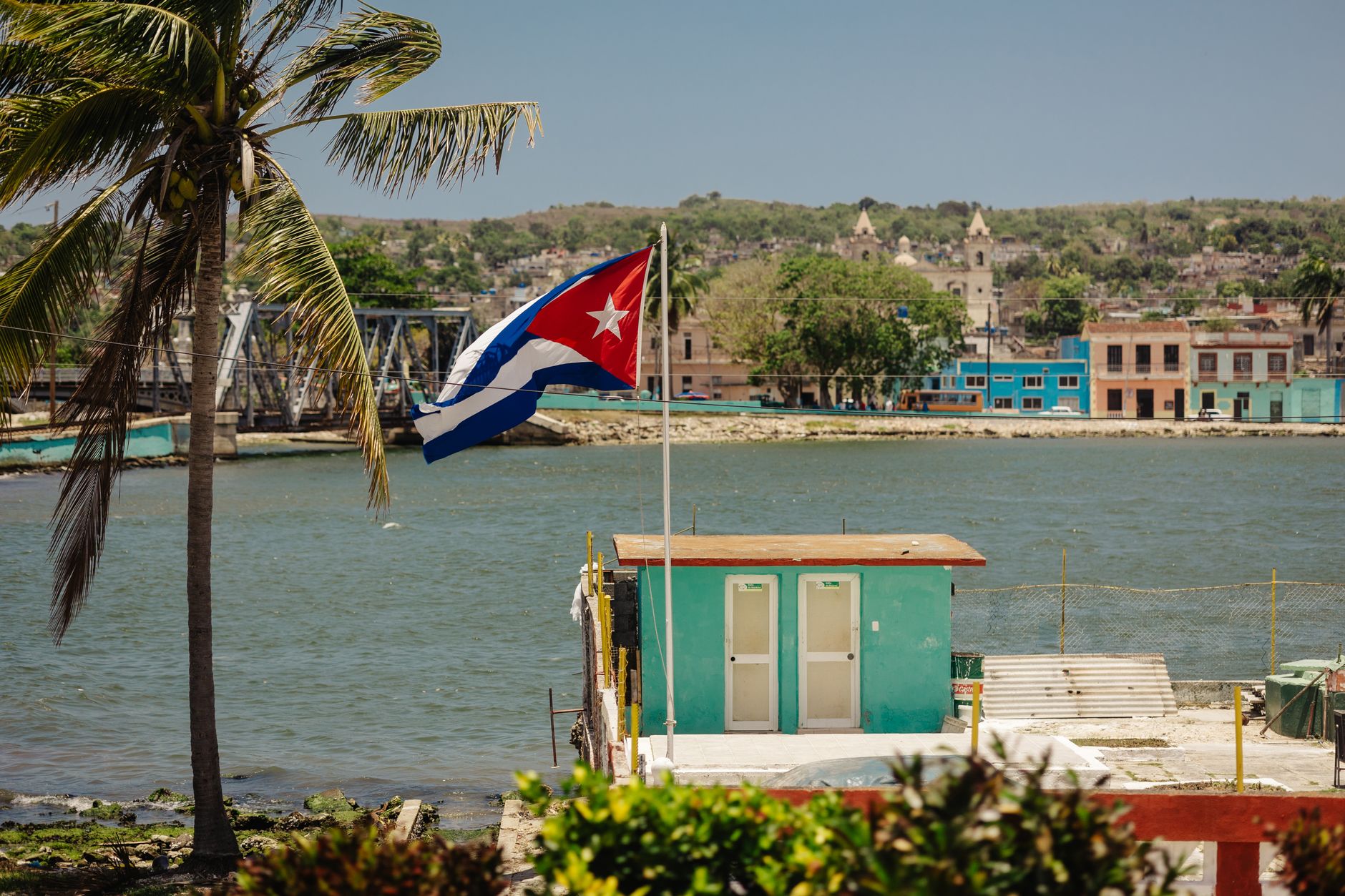
Matanzas is the capital of the province of the same name, in western Cuba, about 100 km east of Havana and about 35 km from Varadero. The city sits around the Bay of Matanzas, where three rivers flow into it —the Yumurí, the San Juan and the Canímar—, which earned it the nickname 'the City of Bridges'. For its intense 19th-century cultural life, with theaters, printing presses, newspapers and poets, it's also known as 'the Athens of Cuba'. It is, moreover, one of the cradles of rumba and Afro-Cuban Santería, with more than 130,000 inhabitants.
📌Service town
Matanzas itself is a service town for the center of the province and the land gateway to Varadero. It doesn't have a relevant international airport of its own: most travelers arrive via Varadero's Juan Gualberto Gómez International Airport (VRA), about 35 km away, or Havana's José Martí (HAV), about 100 km away. The city preserves the station of the historic Hershey Railway (the electric train that linked it with Havana, today with the service suspended and under rehabilitation), a Víazul and Viajero bus terminal, hotels, casas particulares, hospitals, banks and ATMs. It's a natural base for combining with Varadero and the Bellamar caves.
📌Best time to go
The best season to visit Matanzas is the dry season, from November to April, with sunny days, less humidity and pleasant temperatures: it's also the high tourist season in nearby Varadero. Summer (May to October) is hotter and more humid, and coincides with the rainy and hurricane season in the Caribbean (with greater risk between August and October). A special time is October, when the Rumba Dancers' Festival is held, filling the city with drums and dance, since Matanzas is one of the world capitals of rumba.
📌Suggested days
One or two days are enough to see the essentials of Matanzas: the historic center around the Plaza de la Vigía and the Parque Libertad, the imposing Sauto theater, the bridges over the rivers, the pharmacy museum and a walk along the bay. Adding the Bellamar caves and a boat or kayak excursion through the Canímar river canyon rounds out two full days. Many travelers visit it as a day trip from Varadero. Those who want to delve into rumba and Afro-Cuban culture, or add the Yumurí valley, can dedicate another day or so.
💱 Cambio de USD
Loading rate…
🌤️ Clima en Matanzas
Loading weather…

Matanzas is one of those Cuban cities that live in the shadow of their famous neighbor —in this case Varadero, barely half an hour away— and which, nevertheless, hide an enormous cultural treasure for anyone who dares to stop and explore it. It's called 'the Athens of Cuba' for the intellectual effervescence it experienced in the 19th century, when it was the cradle of poets, newspapers, printing presses and theaters, and 'the City of Bridges' because it stretches between the Yumurí, San Juan and Canímar rivers, which cross its urban fabric on their way to the great Bay of Matanzas.

But Matanzas is not only history and architecture: it's one of the living capitals of Afro-Cuban culture. Here rumba was born and remains alive, with its drums, its dance and its neighborhood energy, to the point of having its own festival; and here Santería beats strongly, the religiosity of African root that permeates daily life. The city's architectural jewel is the Sauto theater, a 19th-century neoclassical gem considered one of the most beautiful theaters in Cuba.

This guide covers the essentials of Matanzas with a practical, warm eye: how to get around its historic center, what to see in its squares and bridges, how to reach the spectacular Bellamar caves, what to do in the Canímar river canyon and how to make the most of it as a getaway from Varadero. It's an ideal destination for anyone who wants to see the authentic, deep Cuba, beyond the beach resorts, a few kilometers from the turquoise sand.

📖 History of Matanzas

Matanzas was officially founded on October 12, 1693, under the name San Carlos y San Severino de Matanzas, by decree of King Charles II of Spain, to protect the bay from the attacks of corsairs and pirates and to populate a strategic area of western Cuba. The place name 'Matanzas' predates the city and its origin is debated: the most widespread tradition associates it with the death of a group of Spaniards at the hands of indigenous people in the area during the 16th century. During the 18th and 19th centuries, the region became one of the great sugar and coffee hearts of Cuba, with dozens of mills worked by enslaved people brought from Africa, whose culture left a deep mark on the local music and religiosity. The boom of the plantation economy made the city prosper, and by the mid-19th century it experienced a true cultural 'golden age': newspapers, printing presses, libraries and theaters were founded, and an intense literary life flourished that earned it the nickname 'the Athens of Cuba'. From that era are jewels like the Sauto theater (1863). From its Afro-descendant population rumba was born, an essential genre of Cuban music. After independence and throughout the 20th century, Matanzas preserved its architectural and intellectual heritage, much of which has gradually been restored (the Sauto theater reopened in 2019 and the Bellamar Caves, in 2026). The full history is on our history page.

Read the full history →

🗺️ What to see

1
Sauto Theater
The 19th-century neoclassical jewel, considered one of the most beautiful and best-preserved theaters in Cuba.
The Sauto Theater is Matanzas's great architectural pride and one of the most important historic theaters in Cuba and all of Latin America. Opened in 1863 under the name Teatro Esteban, it was designed by the Italian architect and engineer Daniele Dall'Aglio in an elegant neoclassical style. It later took the name of Ambrosio de la Concepción Sauto, the local pharmacist who drove its construction. It stands facing the Plaza de la Vigía, in the very heart of the historic city. Its horseshoe-shaped hall has three levels of boxes and stalls with seats, decorated with marble, ceiling frescoes depicting the muses and a main curtain painted with a view of the bridge over the San Juan river. The acoustics are excellent and the stalls floor can be raised to stage level to turn the theater into a ballroom, an ingenious solution of the era. Great figures of world art passed across its stage throughout its history. The Sauto was declared a National Monument of Cuba and is the emblem of the 'Athens of Cuba'. After a long major restoration, it reopened in 2019 and today again shows its splendor, with a regular program of theater, dance, music and ballet; there is even an application underway to nominate it as a World Heritage Site. It can be toured on guided visits that show the hall, the boxes and the backstage, and you can attend performances. The box office usually operates from 10 to 1 and from 2 to 5. Getting there: it's on the Plaza de la Vigía, in the historic center, accessible on foot from any point in the center. Best time to go: during the day for the guided visits; at night if there's a performance. Tips: check the program and buy the ticket at the box office (or up to an hour before the performance if seats remain).
ℹ️ Distance: Plaza de la Vigía, historic center (on foot from the center) · Best time to go: By day for guided visits; at night if there's a performance (reopened since 2019, operating) · Entry: Guided visit approx. US$ 2–5 / 100–200 CUP; performances depending on the program (source: local Matanzas guides, verified July 2026) · Duration: 1 hour the visit; an evening a performance
2
Bellamar Caves
The oldest tourist cave system in Cuba, with galleries of stalactites, stalagmites and crystalline formations.
The Bellamar Caves are one of the great natural attractions of Matanzas province and one of the oldest tourist caverns in Cuba: they've been open to the public since the late 19th century. They are a few kilometers southeast of the city and were discovered, according to tradition, around 1850, when a worker looking for stone in a quarry fell into a crack and found the galleries. The tourist route crosses halls and passages full of limestone formations: stalactites hanging from the ceiling, stalagmites growing from the floor, columns, mantles and delicate formations of calcite crystals that shine with the lighting. Some formations have picturesque names, like the 'Columbus Mantle' or the 'Fountain of Love'. The visit is done with a guide, along arranged paths and stairs, and lasts approximately an hour; the interior temperature is warm and humid. The caves are also an important site of geological and speleological interest, with more than 23 km of explored galleries (and about 300,000 years old) that go far beyond the tourist stretch. Outside there is a small park, a service area and sometimes complementary activities on offer. After a long period of closure due to lack of power, the Bellamar Caves reopened to the public in April 2026; they open from 9 to 5, with guided visits of about 45 minutes from 9:30. Even so, it's best to confirm operations before going. Getting there: about 5 km from the center of Matanzas; reached by taxi, organized excursion or as a stop on tours from Varadero. Best time to go: any day of the year (the caves maintain stable conditions). Tips: bring comfortable, non-slip footwear because of the humidity, and some water. It's one of the classic excursions combined with a visit to the city.
ℹ️ Distance: About 5 km southeast of the center (taxi or excursion) · Horario: 9–5; guided visits of ~45 min from 9:30 (reopened in April 2026; verify operations) · Entry: Approx. US$ 9–10 per person for the guided tour (+ US$ 5 per camera) (source: Cuban press and aggregators, verified July 2026; confirm when you visit) · Duration: Approx. 45 min to 1 hour the tour
3
Plaza de la Vigía and historic center
The city's founding core, with historical buildings, the Sauto theater and the 19th-century printing press.
The Plaza de la Vigía is the point where Matanzas was born and the heart of its historic center. Its name recalls the lookout post that watched over the bay in colonial times, when the city had to protect itself from corsairs and pirates. Around the square are concentrated several of the city's most emblematic buildings, which makes it the best starting point for exploring it on foot. On the square and its surroundings stand the Sauto Theater, the Palace of Justice, the historic fire station and Ediciones Vigía, a singular artisanal publisher where books are made by hand, copy by copy, with recycled materials, and which has become famous among bibliophiles. Very close is also the Provincial Museum Palacio de Junco, housed in an elegant 19th-century mansion, which reviews the history of the region and of slavery in the sugar area. From the Vigía, walking, you reach the Calixto García bridge over the San Juan river and the old town, with its streets of colonial houses, the river crossing the city and the bridges that give it its nickname. The tour lets you feel the pulse of a real city, of Cubans in their daily life, far from the purely tourist circuit. Getting there: right in the center, accessible on foot from any point in the city. Best time to go: in the morning or at dusk, when the heat eases. Tips: combine the Plaza de la Vigía with the Parque Libertad, the Palacio de Junco museum and the bridges on a single walking tour. Bring water and sunscreen, and take the chance to enter Ediciones Vigía if it's open.
ℹ️ Distance: Historic center (on foot) · Best time to go: Morning or dusk (because of the heat) · Entry: Square free; museums (Palacio de Junco, etc.) approx. 25–100 CUP per person (verified July 2026) · Duration: Half a day with the surroundings
4
Parque Libertad and Pharmacy Museum
The city's main square, with its statue of Martí and the best pharmacy-museum on the continent.
The Parque Libertad is the main square of Matanzas, a wide, tree-lined space around which the city's civic life is organized. In its center rises a statue of José Martí and around it are distributed stately buildings, historic hotels, the provincial government and the cathedral of San Carlos Borromeo, in an ensemble that evokes the 19th-century splendor of the 'Athens of Cuba'. The park's great jewel is the Pharmacy Museum, housed in the former French Pharmacy of the Triolet-Figueroa family, founded in 1882. It's one of the best-preserved 19th-century pharmacies in the world: it remains practically intact, with its carved wooden shelves full of French porcelain jars, hand-labeled bottles, laboratory instruments, prescription books and original formula books. Touring it is like entering a time capsule of the medicine and bourgeois life of the era. The museum also preserves the furniture, the back room with the laboratory, the mortars and scales, and a collection of jars and containers that amazes for its beauty and state of conservation. It's a short but highly recommended visit, one of the most original in Cuba. Getting there: the Parque Libertad is right in the center, a few blocks from the Plaza de la Vigía; reached on foot. Best time to go: during the day to visit the museum. Tips: combine the park with the rest of the historic center. Confirm the hours of the Pharmacy Museum, which usually opens during the day, and take the chance to rest in the shade of the park during the hottest hours.
ℹ️ Distance: Center of the city, a few blocks from the Plaza de la Vigía (on foot) · Best time to go: By day for the museum · Entry: Park free; Pharmacy Museum approx. US$ 3–5 / 100–150 CUP per person (verified July 2026) · Duration: 1 to 2 hours
5
Canímar river and canyon
A wide river surrounded by vegetation east of the city, ideal for boat rides, kayaking and swimming.
The Canímar river, which flows into the Bay of Matanzas somewhat east of the city, forms one of the prettiest river landscapes in western Cuba. In its final stretch the river widens and is hemmed in between slopes covered with tropical vegetation, creating a small green, peaceful canyon that contrasts with the aridity of other coastal areas. It's a place much loved by Cubans for spending the day outdoors. The classic activity is the boat ride upriver, which ventures among the cliffs and the jungle, with stops to swim in the fresh water, kayak or ride a horse, and have lunch at a hut on the bank. The setting preserves wildlife and birds, and at some points there are archaeological remains and caves. It's a relaxed, cool and very photogenic plan, perfect for combining nature with a bit of gentle adventure. Very close, over the river, is the Bacunayagua bridge (on the border with Havana province), the highest bridge in Cuba, with a famous lookout that offers a spectacular view of the Yumurí valley and the river; it's an obligatory stop on the road between Havana, Matanzas and Varadero. Getting there: the Canímar dock is a few kilometers east of Matanzas, on the road toward Varadero; reached by taxi or as an organized excursion. Best time to go: sunny days, especially in the dry season. Tips: many excursions from Varadero include the Canímar ride. Bring a swimsuit, sunscreen and insect repellent, and check what the tour includes (lunch, kayak, horses).
ℹ️ Distance: A few km east of Matanzas, on the way to Varadero (taxi or excursion) · Best time to go: Sunny days, dry season (November to April) · Entry: Boat ride approx. US$ 25–40 per person (with swimming and sometimes lunch; verified July 2026) · Duration: Half a day
6
The bridges and the rivers (Yumurí, San Juan, Canímar)
The identity of the 'City of Bridges', crossed by three rivers and connected by historic bridges.
Few Cuban cities have such a close relationship with water as Matanzas. Three rivers —the Yumurí to the north, the San Juan to the south and the Canímar to the east— flow down toward the great Bay of Matanzas crossing or bordering the city, and to connect the different neighborhoods numerous bridges were built over time. Hence its most affectionate nickname: 'the City of Bridges'. The most emblematic in the urban core is the Calixto García bridge, over the San Juan river, next to the Plaza de la Vigía, a historic metal bridge that is almost a symbol of the city. Walking along the bank of the San Juan, seeing the moored boats and crossing from one neighborhood to another over the different bridges is a very local way to get to know Matanzas and understand its urban form, split and united by water. The Yumurí river, for its part, gives its name to the beautiful Yumurí valley, a fertile valley of palm trees and green hills north of the city, considered one of the most beautiful landscapes in Cuba and viewable from several high points. The combination of rivers, bridges, bay and valley makes Matanzas a destination with a particularly attractive geography. Getting there: the bridges of the urban core are explored on foot; for the Yumurí valley it's best to take a taxi or an excursion. Best time to go: at dusk, with good light over the water. Tips: include the bridges in your walking tour of the center and, if you have time, look out over the Yumurí valley from a lookout. It's a free and very photogenic walk.
ℹ️ Distance: Urban core (on foot); Yumurí valley to the north (taxi/excursion) · Best time to go: Dusk for the light over the rivers · Entry: Free (open tour) · Duration: 1 to 2 hours (more with the Yumurí valley)
What nobody tells you

💵 Prices

Tickets

TypePrice
Sauto Theater (guided visit / performance)Guided visit approx. US$ 2–5 / 100–200 CUP; performances depending on the program (reopened and operating since 2019) (verified July 2026)
Bellamar Caves (guided tour)Approx. US$ 9–10 per person (+ US$ 5 per camera); reopened in April 2026 (source: Cuban press and aggregators, verified July 2026; confirm when you visit)
Pharmacy Museum (French Pharmacy)Approx. US$ 3–5 / 100–150 CUP per person (verified July 2026; confirm when you visit)
Provincial Museum Palacio de JuncoApprox. 25–100 CUP per person (verified July 2026; confirm when you visit)
Plaza de la Vigía and Parque LibertadFree (public spaces)
Bridges and riverbanksFree (open access)
Boat ride on the Canímar riverApprox. US$ 25–40 per person (usually includes swimming and sometimes lunch; verified July 2026)
Bacunayagua bridge lookout (Yumurí valley)Free access; a purchase at the lookout separate (cocktail/coffee from US$ 2–5)
🔄 updated monthlyOfficial / reference values · double-check when buying

Activities and tours

ActivityPriceDurationOperator
Day trip to Matanzas from Varadero (city + Bellamar)Approx. US$ 40–70 per personFull dayCubatur, Havanatur and local guides
Boat ride on the Canímar river (with swimming and lunch)Approx. US$ 25–40 per personHalf a dayCanímar operators
Guided tour of the Bellamar CavesApprox. US$ 5–10 per person1-2 hBellamar Caves
Walking city tour of the historic center (Vigía, Sauto, Libertad)Approx. US$ 10–25 per personHalf a dayLocal guides
Rumba and Afro-Cuban culture experienceApprox. US$ 5–15 per person (peñas and culture houses); sometimes tip-basedAn eveningCulture houses and local rumba groups
Excursion to the Yumurí valley and Bacunayagua bridgeApprox. US$ 25–50 per personHalf a dayAgencies and taxi drivers
🔄 updated monthlyOfficial / reference values · double-check when buying

🚌 How to get there and distances

Getting around

ModePriceDurationNotes
Taxi and private carsTrips in the city US$ 3–8; to Bellamar or the Canímar US$ 10–25VariableThe most comfortable way to get around the city and to reach Bellamar, the Canímar and the Yumurí valley. Agree the price before getting in
Horse-drawn carriages and bicitaxisApprox. 25–100 CUP per short trip (cash in CUP)VariableA traditional means for short trips within the city. Picturesque and cheap; the price is agreed beforehand and paid in cash in Cuban pesos
Hershey train (electric railway Havana–Matanzas)Main service SUSPENDED (July 2026)-NOTE: the historic Hershey electric train (Casablanca–Matanzas) has been out of service on its full route since 2017 due to the deterioration of tracks and stations; only an inner stretch operated (Hershey–Jaruco). In 2025 an official project to rehabilitate the line and station began (with diesel traction in a first stage), but as of July 2026 it is NOT a real transport option for the traveler. Don't count on it to reach Matanzas; it's best to check before traveling in case it's reactivated (source: Cubadebate / Granma / Reportur, verified July 2026)
On footFreeVariableThe historic center (Vigía, Libertad, bridges, museums) is perfectly explored on foot. Comfortable footwear and water because of the heat
Urban buses / guaguasApprox. 5 CUP per ride (cash in CUP)VariableA cheap local service but crowded and unpredictable for the tourist. The fare is paid in cash in Cuban pesos. For short distances a taxi or walking is best
Transport app / payment methodFree app-Matanzas doesn't have its own urban bus-tracking app (the Cuban app 'La Guagua' covers, for now, Las Tunas, Holguín and Guantánamo, not Matanzas). What is useful is the official 'Viajando' app to book and pay in advance for the Viajero interprovincial buses (payment via the Transfermóvil gateway). Urban transport is paid in cash in Cuban pesos; the digital QR payment (Transfermóvil/EnZona) is for residents with a Cuban card. If you stay in Varadero, the Varadero Beach Tour (hop-on/hop-off double-decker tourist bus) costs about US$ 5 per day and accepts cash or card (source: Transtur/Cubatur and Viajero agency, verified July 2026)
🔄 updated monthlyOfficial / reference values · double-check when buying

How to get there

RouteAirlines / operatorsAvg. priceDuration
Varadero (VRA airport or resorts) → MatanzasTaxis, organized excursions and VíazulTaxi approx. US$ 25–40; Víazul approx. €6–10 (paid in euros/USD/card) (source: official Víazul, verified July 2026)30 to 45 min (about 35 km)
Havana → Matanzas (bus or car via the Vía Blanca)Víazul, collective taxis, rental carsVíazul approx. €10 (Varadero route, fare in effect since June 2026); collective taxi from US$ 15 (source: official Víazul, verified July 2026)Approx. 1.5 to 2 h (about 100 km)
Havana → Matanzas (Hershey train)Hershey Railway (electric)Not available: service suspendedOut of service (July 2026)
National Ferrocarriles de Cuba train (Havana–Santiago) with a stop in MatanzasFerrocarriles de CubaApprox. US$ 5–15 depending on class and legDepending on the service (irregular, check)
From the center of the province (Cárdenas, Colón)Provincial buses and taxisApprox. US$ 3–15 depending on originDepending on origin
🔄 updated monthlyOfficial / reference values · double-check when buying

🏨 Where to stay

No exact prices: a scale from $ (budget) to $$$$$ (luxury), with 2-3 options per category.

CategoryPriceRecommended options
Historic hotels in the center$$$$$US$ 40–80 per night: Matanzas has hotels in historic buildings of the urban core (like the Hotel Velasco, on the Parque Libertad), convenient for staying steps from the squares, the museums and the bridges
Casas particulares (lodging in Cuban homes)$$$$$US$ 20–40 per night: the most recommendable and authentic option, rooms in family homes with homemade breakfast (US$ 3–5) and a personal touch. The best way to get to know Matanzas life
Varadero resorts (35 km away)$$$$$US$ 90–250 per person per night all-inclusive: many travelers visit Matanzas as a day trip from the big Varadero hotels. A comfortable option for combining beach and culture
Budget options and simple houses$$$$$US$ 15–25 per night: casas particulares and basic lodgings for budget travelers, in central areas. It's best to book in good time in high season (November to April)

🍴 Where to eat

TypePriceOptions / signature dish
Paladares (Cuban private restaurants)$$$$$US$ 6–15 per dish: restaurants in family homes with homemade creole cuisine (ropa vieja, roast pork, congrí, cassava, fresh fish from the bay), good value for money and a personal touch
Fish and seafood from the bay$$$$$US$ 10–25 per dish: because of its location next to the bay and the rivers, Matanzas offers fresh fish and seafood at several restaurants and paladares. Ideal for trying Cuban coastal cuisine
Cheap creole food and cafeterias$$$$$Approx. 100–400 CUP per dish (US$ 1–4): cafeterias, eateries and stalls in the center with simple dishes, sandwiches, Cuban-style pizzas, juices and milkshakes at very accessible prices
Huts on the bank of the Canímar river$$$$$US$ 8–18 per dish (sometimes included in the excursion): on the Canímar river rides you have lunch at huts by the water, with creole cuisine, fish and an outdoor atmosphere

❓ Frequently asked questions

Is it worth visiting Matanzas with Varadero right next door?+
Yes, especially if you want to see the authentic Cuba beyond the resorts. Matanzas is a real city, with a historic center, the Sauto theater, museums, bridges and a strong Afro-Cuban and rumba culture. It's barely 30-45 minutes from Varadero, so it's the perfect day trip to complement the beach with culture and history.
How do I get to Matanzas?+
Most people arrive from Varadero (about 35 km, by taxi, excursion or Víazul) or from Havana (about 100 km via the Vía Blanca, by Víazul bus, collective taxi or car). The historic Hershey electric train from Havana, which was the most picturesque route, has been suspended since 2017 and under rehabilitation works since 2025: as of July 2026 it isn't running, so don't count on it (it's best to check in case it's reactivated).
How do you get around Matanzas and how is transport paid?+
The historic center (Plaza de la Vigía, Sauto theater, Parque Libertad, the bridges) is explored on foot. For Bellamar, the Canímar or the Yumurí valley it's best to take a taxi (US$ 10–25, the price is agreed beforehand). For short trips there are horse-drawn carriages and bicitaxis (25–100 CUP) and urban guaguas (about 5 CUP). All local transport is paid in cash in Cuban pesos: there's no card or QR for the passing tourist. Matanzas doesn't have its own urban bus app; for the interprovincial bus the official 'Viajando' app is used. Note: the Hershey train is out of service. If you stay in Varadero, the Varadero Beach Tour (double-decker tourist bus) costs about US$ 5 per day and accepts cash or card.
How much time do I need to see it?+
One or two days are enough. In one day you can tour the historic center (Plaza de la Vigía, Sauto theater, Parque Libertad, Pharmacy Museum and the bridges). Adding the Bellamar caves and the Canímar river ride rounds out two full days. Many people visit it as a day trip from Varadero.
What are the Bellamar caves?+
They are one of the oldest tourist cave systems in Cuba, about 5 km from the city, with galleries full of stalactites, stalagmites and calcite crystals. They're visited with a guide on a tour of approximately an hour. It's best to confirm hours and availability before going, since they've had periods of closure for maintenance.
Why is Matanzas called the 'Athens of Cuba'?+
For the intense intellectual and cultural life it experienced in the 19th century, when it was the cradle of poets, newspapers, printing presses, libraries and theaters, like the beautiful Sauto theater. That literary and artistic flourishing earned it the nickname 'Athens of Cuba'. It's also 'the City of Bridges', for the three rivers that cross it.
Is Matanzas safe for the tourist?+
Cuba is, in general, a safe destination, and Matanzas is no exception. It's best to take the basic precautions of any city: watch your belongings, don't display valuables and agree the price of taxis before getting in. The historic center is walked calmly on foot by day. Bring cash in a suitable currency, since card use is limited.
Where can you see and hear rumba in Matanzas?+
Matanzas is one of the cradles of Cuban rumba, with groups and culture houses that keep the tradition alive. The best way to experience it is to attend a peña or performance by the local rumba groups, or to coincide with the Rumba Dancers' Festival, which is usually held in October and fills the city with drums and dance.
Sources consulted (18)
Still planning?
Explore more destinations in Cuba
See all destinations →