Viajá con Gus
HomeNicaraguaLittle Corn Island
Little Corn Island
🇳🇮 Nicaragua · Caribbean and the San Juan River

Little Corn Island

📍Region
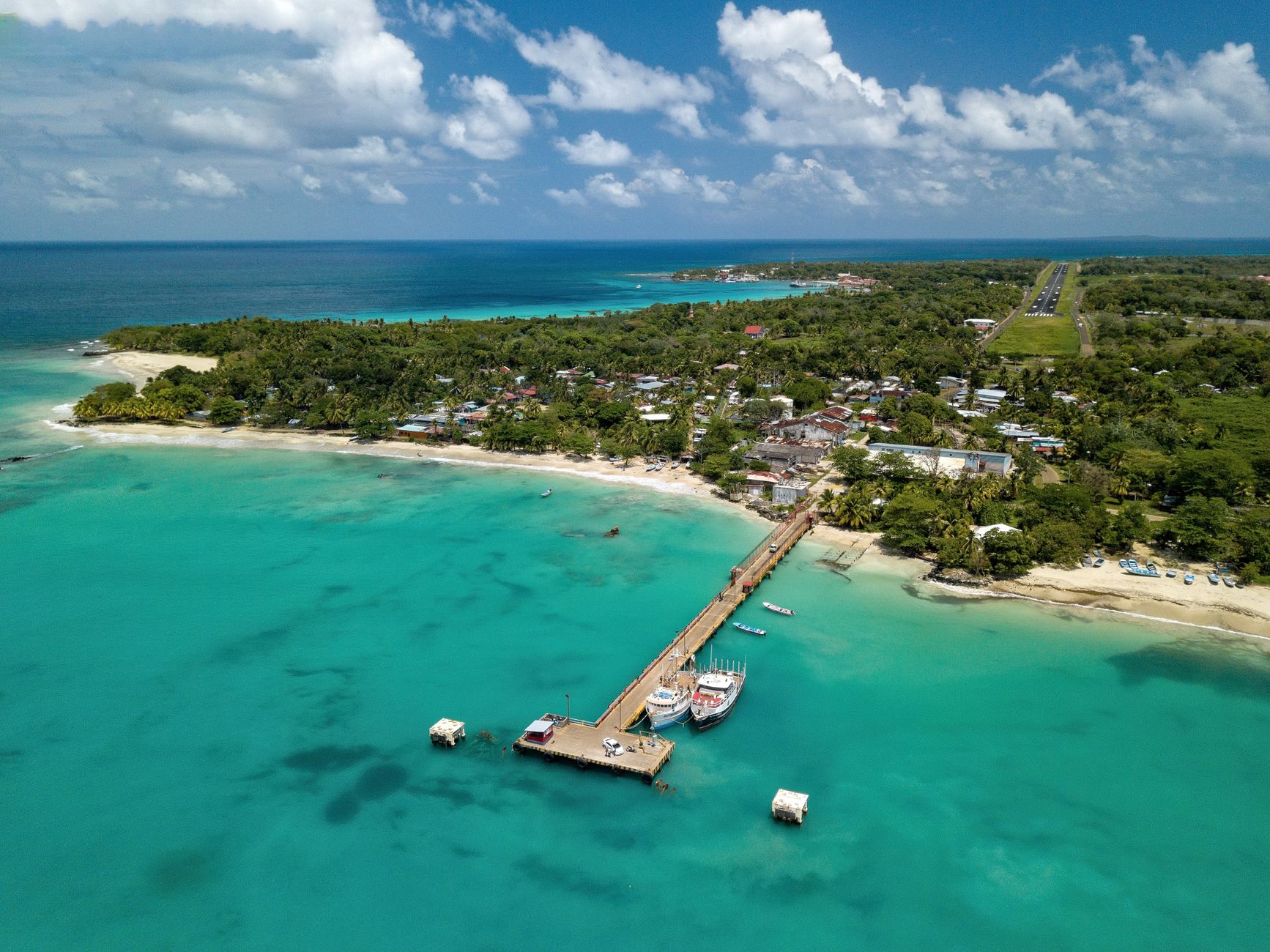
Little Corn Island (Isla del Maíz Pequeña), in the South Caribbean Coast Autonomous Region (RACCS), in the Nicaraguan Caribbean Sea. It's the smaller of the two Corn Islands: a small car-free island of pristine white-sand beaches, turquoise waters and coral reefs, considered one of the most idyllic and disconnected corners of Nicaragua. You reach it by panga (boat) from neighboring Corn Island, and it's a paradise for diving, snorkeling and total disconnection
📌Service town
The island has no cars or major services: everything is done on foot along trails. The base and gateway is neighboring Corn Island (the big one), with an airport, banks and more services; the panga to Little Corn leaves from its dock. On Little Corn there are lodgings, restaurants, dive centers and basic shops concentrated in the little town on the west side (where the panga arrives), but it's wise to bring cash and expect that the offer is more limited
📌Best time to go
A warm tropical Caribbean climate. The driest, sunniest season usually runs roughly from February to April/May, ideal for beach and diving, with the best underwater visibility. The Caribbean has a long and intense rainy season the rest of the year. The panga crossing from Corn Island depends a lot on the state of the sea: with strong swell it can be rough or be suspended, so it's wise to check the conditions and allow flexibility in the transfers
📌Suggested days
Little Corn invites you to stay and disconnect: with 2 to 3 days you enjoy its beaches, snorkeling and diving, and the island rhythm without cars. Many travelers, once there, extend their stay. The ideal is to combine it with Corn Island (the big one), adding a total of 4 to 6 days between the two islands, counting the transfers, to fully experience the Nicaraguan Caribbean in its most pristine and relaxed version
💱 Cambio de USD
Loading rate…
🌤️ Clima en Little Corn Island
Loading weather…

Little Corn Island is Nicaragua's most disconnected Caribbean paradise: a tiny, car-free island of pristine white-sand beaches, turquoise waters and coral reefs, where time is measured in tides and sunsets. It's the smaller of the two Corn Islands, and for many travelers, the most magical and relaxing corner of the country: the place you go to do nothing but swim, dive, eat seafood and disconnect from the world.

Here there are no roads or vehicles: everything is toured on foot along trails that cross the island through the vegetation, from the little town on the west —where the panga arrives and the services are concentrated— to the most solitary beaches on the east side. The sea surrounding it, with its reefs, made it one of the great diving and snorkeling destinations in Central America, with warm, clear water full of marine life. And its Afro-Caribbean Creole culture, its slow pace and its warm people round off the charm.

This guide covers Little Corn Island with a practical, warm eye: how to get there (by panga from Corn Island), how to get around on foot, where the best beaches are, why it's a diving paradise, what to bring (including cash) and how to combine it with the big island. For anyone seeking the most authentic, pristine and quiet Caribbean, Little Corn is one of those places that stay in your memory forever.

📖 History of Little Corn Island

Little Corn Island (Isla del Maíz Pequeña) shares the history of Nicaragua's Caribbean coast and, in particular, that of the Corn Islands, so different from that of the Hispanic Pacific. The Mosquito Coast (Mosquitia), on the Caribbean, was for centuries under British influence, with an alliance with the Indigenous Miskito people, and received an Afro-descendant population that shaped the Afro-Caribbean 'creole' culture: Creole English-speaking, largely Protestant, with Caribbean music, traditions and cuisine. The two Corn Islands traditionally lived from fishing —lobster among the most important—, coconut and Caribbean trade. Little Corn, the smaller one, always remained more isolated and pristine than its bigger sister, without the development of roads or vehicles. Over time, Nicaragua asserted its sovereignty over the Caribbean coast, which was integrated into the country and today enjoys a regime of autonomy: the islands are part of the South Caribbean Coast Autonomous Region (RACCS), which recognizes the identity and rights of the Indigenous and Afro-descendant peoples. In recent decades, the extraordinary beauty of Little Corn —its pristine beaches, its turquoise sea, its reefs— made it a destination much prized by diving and disconnection tourism, keeping its car-free, Creole and deeply relaxed character. The full story is on our history page.

Read the full history →

🗺️ What to see

1
Little Corn's pristine beaches
White-sand beaches and turquoise waters, many almost deserted, spread across the small car-free island.
The beaches are the great jewel of Little Corn Island, and some of the most beautiful and pristine in the Nicaraguan Caribbean. Spread around the outline of this small island, they offer white sand, warm turquoise waters, palm trees and, in many cases, a solitude and stillness hard to find at busier destinations. The east side of the island, in particular, concentrates some of the most beautiful and quiet beaches. Since there are no cars, reaching the beaches is part of the experience: you walk along trails that cross the island through the vegetation, from the little town on the west (where the panga arrives) toward the rest of the outline. That small, pedestrian scale makes everything feel close and at the same time wild. Many beaches are ideal for swimming in calm, clear waters, sunbathing, walking along the shore and enjoying the Caribbean silence. The atmosphere is one of total disconnection: few comforts, lots of nature and a very slow pace. Some beaches have nearby lodgings or small restaurants where you can eat seafood by the sea, while others are practically deserted. The sunsets (best from the west side) and the starry sky, with no light pollution, are part of the charm. Getting there: on foot along the island's trails, from the little town on the west. Best time and hours: the driest season (about February to April/May) for more sun; the daytime for the beach, sunset (west side) for the light. Tips: bring comfortable shoes for the trails, water, sunscreen, cash and little of value; respect the nature and the calm of the place, and enjoy the starry sky at night.
ℹ️ Distance: Spread around the island; reached on foot along trails from the little town on the west · Best time to go: Driest season (about February to April/May); daytime for the beach, sunset for the light · Entry: Free (public beaches; consumption separate) · Duration: Half a day to a day (or more, in relaxation mode)
2
Diving and snorkeling (one of the best in Nicaragua)
Coral reefs with rich marine life, which make Little Corn a famous destination for diving and snorkeling.
Little Corn Island is one of the most famous diving and snorkeling destinations in Nicaragua and Central America. The warm, clear waters surrounding it hold highly valued coral reefs, with abundant marine life: colorful fish, sponges, corals, lobsters, rays, turtles and, depending on the area and season, the chance to spot nurse sharks and other species. It's an underwater world that captivates divers and snorkelers. The island has several PADI dive centers (like Dolphin Dive, Las Palmeras Dive Center and Oliver's Dive) that offer outings to the various dive sites, as well as courses to get started or certified, taking advantage of the good water conditions. Diving on Little Corn is one of the great reasons many travelers come here, and the quality of its reefs has put it on the international diving map. For those who don't dive, snorkeling lets you glimpse this world in more accessible areas. The visibility and conditions are best in the driest season. As always, it's wise to dive and snorkel with serious operators, respect the corals (don't touch them or stand on them) and care for the marine life, to preserve this fragile and wonderful ecosystem. Getting there: the outings leave from the dive centers in the little town; some snorkeling spots are reached from the shore. Best time and hours: the driest season (better visibility); in the morning, with the calmest sea. Tips: dive/snorkel with serious operators, respect the corals and the wildlife, use reef-safe sunscreen and check the sea conditions.
ℹ️ Distance: Reefs around the island (outings from the dive centers in the little town) · Best time to go: Driest season (better visibility); in the morning (calmer sea) · Entry: Open Water course US$ 270–330; 1 dive US$ 35, 2 dives US$ 70 (2025, market prices) · Duration: Half a day (diving/snorkeling outing)
3
Touring the island on foot (car-free)
Walking along the trails that cross the island, from town to beaches, in a pedestrian, natural setting.
One of the most charming features of Little Corn Island is that it has no cars or roads: everything is toured on foot along trails that cross the island through the tropical vegetation. That pedestrian scale and the absence of engines give it an exceptional peace and authenticity, and walking the island is an experience in itself, an essential part of the visit. From the little town on the west side —where the panga arrives and the lodgings, restaurants, dive centers and shops are concentrated— the paths lead to the rest of the island: toward the east beaches, toward the most solitary corners, toward some high point with a view. The trails cross vegetation, pass by lodgings and end at beaches, on a route that's done calmly in little time, given the small size of the island. Touring Little Corn on foot lets you discover its nature, its people and its rhythm: greeting the locals, finding a beach to yourself, eating seafood at a hidden eatery, listening to the reggae and feeling the Creole culture. It's a plan that combines a gentle walk, exploration and disconnection, ideal for unhurried island days. Getting there: on foot, from the little town on the west along the island's trails. Best time and hours: any day; the morning or afternoon to avoid the midday heat. Tips: bring comfortable shoes (the trails can be muddy with rain), water, sunscreen and repellent; a flashlight or your phone for returning at night (there's no lighting on the trails), and enjoy the calm without cars.
ℹ️ Distance: Trails all over the island, from the little town on the west (on foot; no cars) · Best time to go: Any day; morning or afternoon because of the heat · Entry: Free (public trails) · Duration: Variable (the island is crossed on foot in little time)
4
Creole culture and island life
The island's Afro-Caribbean atmosphere: Creole English, reggae, coconut seafood and a very slow pace.
Like its bigger sister, Little Corn Island beats to the rhythm of the Afro-Caribbean Creole culture that defines the Corn Islands and the whole Caribbean coast of Nicaragua. On the island they speak Creole English besides Spanish, reggae and calypso play, and the cuisine revolves around coconut, fish and seafood, with a warm, relaxed and deeply Caribbean atmosphere, very different from the country's Hispanic Pacific. This identity is born of the singular history of the region: the British influence, the alliance with the Miskito people and, above all, the Afro-descendant population that shaped the Creole culture. The result is a community with its own language, music, religiosity (largely Protestant) and traditions, which the traveler perceives in every conversation, meal and sunset. The small scale of the island and its isolation helped preserve that authentic character. Island life on Little Corn is among the slowest and quietest imaginable: no cars, few services, marked by fishing, the sea and the rhythm of the Caribbean. For the traveler, joining that rhythm —eating seafood by the sea, chatting with the people, listening to music, watching the starry sky— is as much part of the experience as the beaches and the diving. It's the soul of the island. Getting there: the culture is lived in the little town and all over the island. Best time and hours: any time; the local celebrations are especially vibrant (check the dates). Tips: approach with respect and curiosity, try the coconut Creole food, listen to the music, let yourself be carried by the slow pace and enjoy the warmth of the people.
ℹ️ Distance: In the little town and all over the island · Best time to go: Any time; special during local celebrations (check the dates) · Entry: Free (everyday life; consumption separate) · Duration: Throughout the stay
5
Boat ride and artisanal fishing
Outings by boat around the island and to the nearby Islas del Maíz Adentro, with fishing and calm sailing.
Besides diving and snorkeling, many local fishermen and operators offer boat rides around Little Corn and toward the nearby cays and islets, like the Farallones Islets or the area known as Blowing Rock. They're calmer outings, ideal for those who prefer to see the sea from the surface, fish artisanally with a hand line or simply sail contemplating the turquoise color of the water. Artisanal fishing remains a central activity in the island's economy, with lobster as the most valued resource historically. Going out with a local fisherman to try your luck, or simply joining the work, is a genuine way to get to know another face of island life, beyond the beaches and the diving. These rides are usually arranged directly with the fishermen or through the lodgings, without the formal structure of an agency, which gives the activity a spontaneous, very local character. Getting there: arranged in the little town, with local fishermen or through the lodgings. Best time and hours: calm sea, preferably in the driest season. Tips: bring sunscreen, a cap and a warm layer for the sea wind; negotiate the price and the duration before setting off.
ℹ️ Distance: Around Little Corn and nearby cays, leaving from the little town · Best time to go: Calm sea; driest season (Feb-Apr/May) · Entry: US$ 20–40 per person for the ride (2025; check when you visit) · Duration: 2 to 4 hours
6
Sunsets and starry sky with no light pollution
One of the clearest skies in Nicaragua, thanks to the lack of constant electricity and large artificial lights.
The absence of cars, of large generators and of a power grid as dense as the mainland's makes Little Corn Island one of the best places in Nicaragua to see the night sky. On clear nights, far from any urban glow, the Milky Way and an enormous number of stars become visible to the naked eye, a spectacle that surprises even experienced travelers. The sunsets, especially from the west side of the island —where the little town and the panga dock are—, are another of the great daily rituals: the sun setting over the Caribbean Sea, with the silhouettes of the palm trees and fishing boats in the foreground, gathers locals and visitors each afternoon at the shore or at the seafront restaurants. This combination of clear skies and sunsets is, for many, the postcard they take away from Little Corn: a reminder of how little disturbed this corner of the Nicaraguan Caribbean still is. Getting there: from any beach on the west side for the sunset; any dark point of the island for the stars. Best time and hours: sunset daily; clear nights, best in the driest season. Tips: bring a light blanket or beach chair; a red flashlight doesn't dazzle as much and helps keep your eyes adapted to the dark.
ℹ️ Distance: All over the island; best from the west side (little town) for the sunset · Best time to go: Sunset daily; clear nights of the driest season · Entry: Free · Duration: 1 to 2 hours
What nobody tells you

💵 Prices

Tickets

TypePrice
Little Corn beachesFree (public beaches)
Diving (1 dive / 2 dives)US$ 35 (1 tank) / US$ 70 (2 tanks), 2025
PADI Open Water courseUS$ 270–330 (2025, includes gear and certification)
Snorkeling (guided outing or gear rental)US$ 10–20 per person (2025; check when you visit)
Panga Corn Island ↔ Little Corn IslandUS$ 10 (about C$ 360) one way, 2025
Trails and island tourFree
🔄 updated monthlyOfficial / reference values · double-check when buying

Activities and tours

ActivityPriceDurationOperator
Diving on the reefs (1 or 2 dives)US$ 35–70 (2025)Half a dayDolphin Dive, Las Palmeras Dive Center, Oliver's Dive
PADI Open Water / Advanced courseUS$ 270 (Open Water) / US$ 230 (Advanced), 20253 to 4 daysPADI dive centers on the island
Snorkeling on the reefsUS$ 10–20 per person (2025)Half a dayLocal operators and centers
Beach and swimming day at pristine beachesFree; consumption separate (2025)Half a day to a dayPublic beaches and restaurants
Walk along the island's trailsFreeVariableOn your own
Artisanal fishing or boat rideUS$ 20–40 per person (2025)Half a dayLocal fishermen and operators
🔄 updated monthlyOfficial / reference values · double-check when buying

🚌 How to get there and distances

Getting around

ModePriceDurationNotes
On footFreeVariableThe island has no cars, roads or formal public transport: everything is toured on foot along trails, and there's no transport app because it's not needed. Bring comfortable shoes and, at night, a flashlight or your phone (there's no lighting on the trails)
Panga (boat) to/from Corn IslandUS$ 10 one way (about C$ 360), in cash (source: littlecornisland.net / Along Dusty Roads, verified July 2026)About 30 to 45 minThe only means to arrive and leave the island; paid in cash (córdobas or dollars). The crossing depends on the state of the sea and can be rough or be suspended with strong swell. Public departures: Little Corn to Big Corn 6:30 and 13:30; Big Corn to Little Corn 10:00 and 16:30 (source: littlecornisland.net, verified July 2026; confirm on arrival, the schedules can be adjusted)
Ferry from Bluefields to Corn Island (for those arriving by sea)About C$ 280 (US$ 8) per person; the Río Escondido / Hilario Sánchez ferries leave Wednesdays and Saturdays at 9:00, a 5-6 h trip (source: Along Dusty Roads / littlecornisland.net, verified July 2026)5 to 6 hours to Corn Island + panga to Little CornA cheaper alternative than the flight but long and subject to the sea; paid in cash. From Corn Island you take the panga to Little Corn
Luggage carrying and transportInformal tip, about US$ 1–2 (2025)VariableSince there are no cars, luggage is transported by hand or with wheelbarrows; travel light to make the walk to the lodging easier
🔄 updated monthlyOfficial / reference values · double-check when buying

How to get there

RouteAirlines / operatorsAvg. priceDuration
Corn Island → Little Corn Island (panga)Public panga (boat) serviceUS$ 10 one way (2025)About 30 to 45 min (depending on the sea)
Managua → Corn Island (flight) + panga to Little CornLa Costeña (domestic airline) + panga serviceRound-trip flight about US$ 180–190 (2025) + US$ 10 the panga (each way)Flight about 1 to 1.25 h + panga 30-45 min
By sea via Bluefields → Corn Island → pangaPassenger vessels + pangaBoat fare variable (cheaper than the flight, check schedules); panga US$ 10Long crossing; check schedules and sea conditions
Connection with the panga schedulesCoordinate the flight/arrival at Corn Island with the panga departureNo extra cost; requires planningDepending on the schedules (allow flexibility)
🔄 updated monthlyOfficial / reference values · double-check when buying

🏨 Where to stay

No exact prices: a scale from $ (budget) to $$$$$ (luxury), with 2-3 options per category.

CategoryPriceRecommended options
Charming seafront lodges and lodgings$$$$$US$ 70–150 a night; charming lodges and lodgings facing the beaches, like Derek's Place or Casa Iguana, some on the more pristine east side, with cabins, restaurant and a disconnected-paradise vibe. The high-end offer is limited and exclusive (2025)
Mid-range lodgings and cabins$$$$$US$ 30–65 a night; cabins and mid-range lodgings spread around the island, with beach access and good value within the island offer (2025)
Hostels and budget$$$$$US$ 11–25 a night; budget hostels and lodgings in the little town and near the beaches, for backpackers and travelers on a tight budget, with a relaxed atmosphere (2025)
Base in Corn Island (the big one)$$$$$US$ 25–50 a night; some travelers stay in Corn Island (with more services) and visit Little Corn on a day trip, though to truly enjoy it it's wise to spend the night on the small island (2025)

🍴 Where to eat

TypePriceOptions / signature dish
Seafood and coconut fish$$$$$US$ 10–25 per dish; the island's star: lobster, fish, shrimp and fresh seafood, often coconut-cooked (like 'rondón'/run down), at seafront restaurants and cabins (2025)
Caribbean Creole cuisine$$$$$US$ 6–15 per dish; dishes of Afro-Caribbean Creole cooking, with coconut, plantain and spices, at eateries and restaurants in the little town (2025)
Local and budget eateries$$$$$US$ 4–8 per dish; simple eateries where you can eat fish and daily specials at affordable prices, part of the island charm (2025)
Seafront cafés and bars$$$$$US$ 3–8 per drink; cafés and bars for breakfast, a drink, listening to reggae and enjoying the Caribbean sunset; a limited offer, part of the island's slow pace (2025)

❓ Frequently asked questions

How do you get to Little Corn Island?+
You reach it by panga (boat) from neighboring Corn Island (the big one), on a trip of about 30 to 45 minutes depending on the state of the sea, for US$ 10 the fare (2025). To reach Corn Island, the fastest way is to fly from Managua with La Costeña (1 to 1.25 hours, about US$ 180-190 round trip); you can also go by sea via Bluefields. It's wise to coordinate the arrival at Corn Island with the panga schedules and allow flexibility, because the crossing depends on the sea and can be rough or be suspended with strong swell.
Is it true there are no cars?+
That's right: Little Corn Island has no cars or roads. Everything is toured on foot along trails that cross the island through the vegetation, from the little town on the west (where the panga arrives) toward the beaches and the rest of the outline. That absence of engines is part of its charm and gives it an exceptional peace. Travel light, because luggage is transported by hand or with wheelbarrows to the lodging.
Why is it so famous for diving and how much does it cost?+
Because the warm, clear waters surrounding it have highly valued coral reefs, with abundant marine life: colorful fish, corals, lobsters, rays, turtles and, depending on the area and season, nurse sharks. The island has PADI dive centers that offer outings from US$ 35 (1 tank) and Open Water certification courses from US$ 270 (2025). For those who don't dive, snorkeling also lets you enjoy the underwater world from about US$ 10-20.
Do I need to bring cash?+
Yes, it's very important. Little Corn has limited services and card acceptance and ATM availability can be very scarce or nonexistent, so it's wise to bring enough cash (in córdobas and, depending on the case, dollars) from Corn Island or the mainland. Plan your spending ahead. Check the situation at the time, since it can vary.
How many days should I give it?+
Little Corn invites you to stay and disconnect: with 2 to 3 days you enjoy its beaches, the diving/snorkeling and the car-free rhythm, though many travelers end up extending their stay. The ideal is to combine it with Corn Island (the big one), adding a total of 4 to 6 days between the two islands, counting the transfers. Since getting there takes time and effort, it's worth dedicating several days to truly enjoy it.
What's the best time to go?+
The driest, sunniest season usually runs roughly from February to April/May, ideal for beach and diving, with the best underwater visibility and calmer panga crossings. The Caribbean has a long and intense rainy season the rest of the year. Check the forecast and the sea conditions, which affect both the diving and the panga. If you get seasick, avoid traveling with a very rough sea.
How different is it from Corn Island?+
Corn Island (the big one) is the base, with an airport, more services, a perimeter road and vehicles. Little Corn (the small one) is smaller, car-free, more pristine and quiet, considered the most idyllic and disconnected corner of the islands, with more solitary beaches and very famous diving. The ideal is to combine both: Corn Island for services and comfort, Little Corn for total disconnection and nature.
How do I get around Little Corn and how do I pay for the panga?+
On Little Corn there are no cars, roads or public transport: everything is toured on foot along trails, so you don't need any transport app. The only means of connection with the outside is the panga (boat) from Corn Island: it costs about US$ 10 one way and is paid in cash. The public departures are Little Corn→Big Corn at 6:30 and 13:30, and Big Corn→Little Corn at 10:00 and 16:30. Bring enough cash (córdobas and dollars) from the mainland, because on the island ATMs and card payment are very limited (source: littlecornisland.net / Along Dusty Roads, verified July 2026).
Sources consulted (16)
Still planning?
Explore more destinations in Nicaragua
See all destinations →