Viajá con Gus
HomeNicaraguaJiquilillo
🇳🇮 Nicaragua · Pacific

Jiquilillo

📌Department
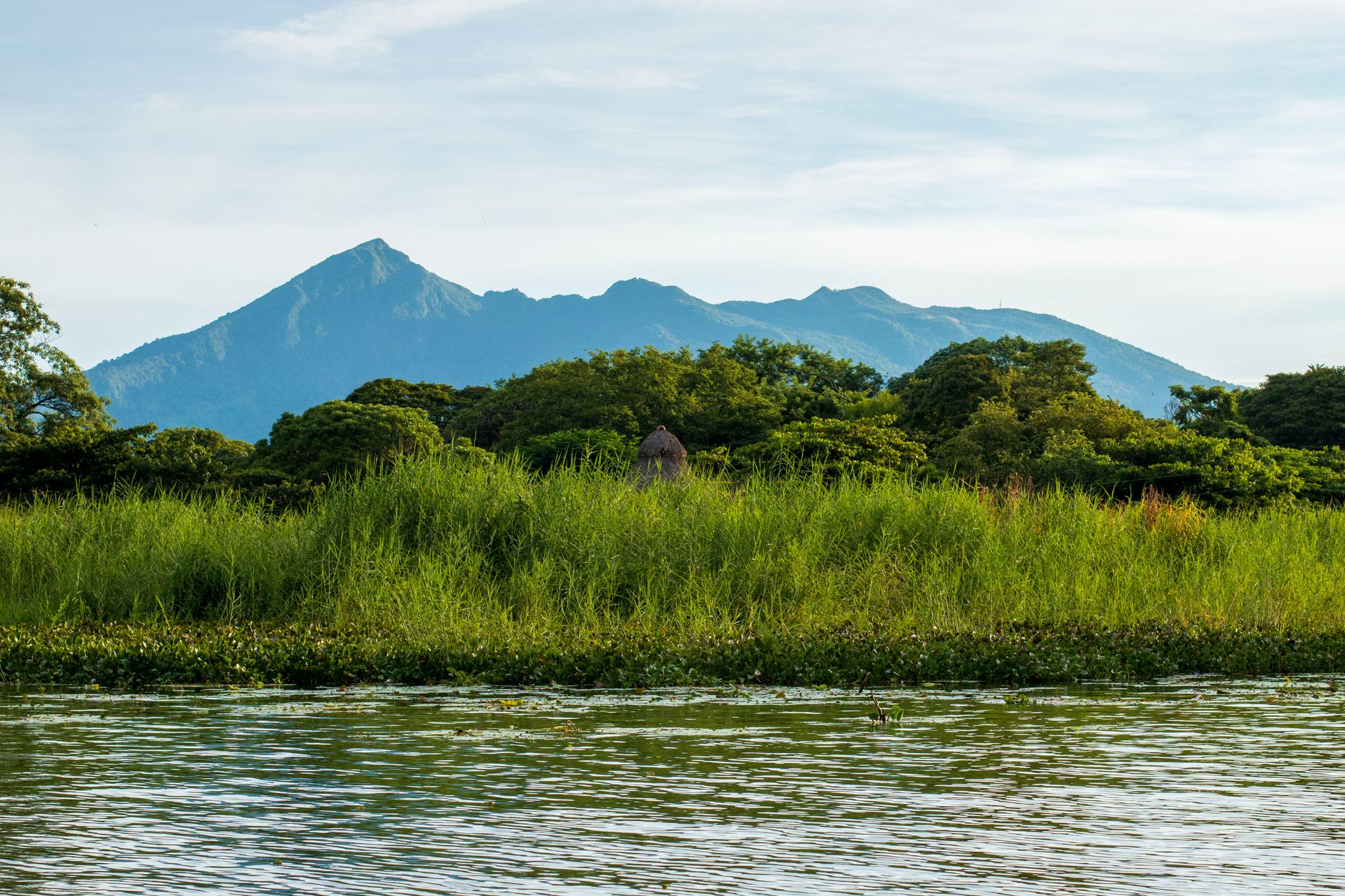
Jiquilillo is a long unspoiled beach in northwestern Nicaragua, in the municipality of El Viejo, department of Chinandega, near the border with Honduras. It's one of the most remote and quiet corners of the Nicaraguan Pacific: a strip of nearly deserted sand, with an ecological, community atmosphere, far removed from mass tourism. Its great draw is the combination of a solitary beach with the closeness of the Estero Padre Ramos Nature Reserve, a vast mangrove ideal for kayaking, birdwatching and turtle conservation. It's a destination to truly disconnect
📌Service town
The service town is Chinandega, one of the main cities of the northwest, with banks, ATMs, hospital, market and bus connections, about one to one and a half hours from Jiquilillo. The town of El Viejo, the municipal seat, is closer. In Jiquilillo itself the offer of services is very basic: a few eco-lodges, simple lodgings and eateries, but it's wise to arrive with cash and provisions from Chinandega, since there are almost no ATMs or large shops. Managua's international airport is about three to three and a half hours' travel away
📌Best time to go
The dry season (November to April or May) is the most comfortable to visit, with sunny days and roads in better condition. The rainy season (May to October) brings lots of green and humid heat, and the dirt roads can get tricky. For watching turtles at the Estero Padre Ramos, it's wise to check the nesting season. The Jiquilillo sea is open and usually has swell, so you should swim with caution. The northwest's climate is one of the hottest in the country, so it's wise to protect yourself from the sun and dehydration
📌Suggested days
With 2 or 3 days you enjoy the essence of Jiquilillo: solitary beach, kayaking on the Estero Padre Ramos, sunsets and total disconnection. With 3 to 5 days you can add more nature, mangrove trips, birdwatching, community visits and, in season, turtles, plus deep rest. It's a destination meant for staying several days in slow mode; those who seek action and services won't find it here, and that's precisely what makes it beloved by those who value the calm
💱 Cambio de USD
Loading rate…
🌤️ Clima en Jiquilillo
Loading weather…

Jiquilillo is one of those places where Nicaragua feels truly far from the world. In the far northwest of the country, in the municipality of El Viejo, department of Chinandega, this long unspoiled beach stretches nearly deserted facing the Pacific, near the border with Honduras. There are no resorts or crowds: what there is is sand, sea, mangroves and an atmosphere of community and ecological tourism that draws travelers seeking real disconnection.

The area's great treasure is the combination of a solitary beach with the closeness of the Estero Padre Ramos Nature Reserve, a vast mangrove system that is one of the best preserved in Central America. Touring the estuary by kayak among the mangrove tunnels, watching birds, discovering crabs and, in season, taking part in sea-turtle conservation, are the experiences that define Jiquilillo. All of it at a slow pace, at eco-lodges and community projects that bet on an environmentally respectful tourism.

This guide covers Jiquilillo with a practical eye: how to get there from Chinandega along its partly dirt roads, what to expect from its unspoiled beach, how to explore the Estero Padre Ramos, where to sleep and eat in an area with very basic services and what to keep in mind to enjoy this remote corner. Jiquilillo is not for everyone: it's for those who seek nature, silence and authenticity, and are willing to trade comfort for the magic of an almost virgin Pacific.

📖 History of Jiquilillo

Jiquilillo is a beach in the municipality of El Viejo, department of Chinandega, in the far northwest of Nicaragua, a Pacific region inhabited in pre-Columbian times by Indigenous peoples of western Nicaragua, tied to the Chorotega cultures and the traditions of the area. The northwest, dominated by the Maribios volcanic chain (with San Cristóbal, the highest volcano in the country) and by extensive coastal mangroves, was historically a region of agriculture, cattle raising and fishing. The municipal seat, El Viejo, is one of the oldest towns in the area and holds the venerated basilica of the Virgen del Trono (El Viejo). The Jiquilillo coast and neighboring Estero Padre Ramos were for centuries the territory of fishing communities, far from the great centers. The recognition of the mangrove's natural value led to the creation of the Estero Padre Ramos Nature Reserve, one of the best-preserved mangrove systems in Central America. In recent decades, Jiquilillo gradually became known as a destination for ecological and community tourism, with eco-lodges and conservation projects, remaining one of the most pristine and quiet corners of the Nicaraguan Pacific. The broader history of the region is on our history page.

Read the full history →

🗺️ What to see

1
Jiquilillo Beach
A long, nearly deserted unspoiled beach in the northwest, ideal for walking, disconnecting and watching sunsets.
Jiquilillo Beach is a long strip of sand that stretches nearly deserted facing the Pacific, in one of the most remote and quiet corners of Nicaragua. Its greatest charm is precisely the solitude: kilometers of beach where you can walk for hours without crossing paths with almost anyone, far from mass tourism and any bustle. It's the ideal place to truly disconnect, to hear only the sound of the waves and let time pass. The beach is perfect for walks, sunbathing and enjoying the sunsets, which on this west-facing coast are spectacular. Swimming should be done with caution, because it's an open Pacific beach with swell and possible currents, without lifeguard services. The general atmosphere is ecological and community-oriented, with a few eco-lodges and simple lodgings spread along the coast. Jiquilillo doesn't offer sophisticated tourist services: the charm is in the natural and the authentic. It's wise to arrive with cash and provisions, since there are almost no ATMs or large shops, and to settle into a slow pace. It's a destination for those who value nature and calm over comfort. Getting there: in the northwest, in the municipality of El Viejo, Chinandega; reached from Chinandega along a partly dirt road. Best time to go: dry season for the climate and the roads. Tips: bring water, food, cash and plenty of sunscreen (the northwest is very hot); watch out for currents when swimming.
ℹ️ Distance: Municipality of El Viejo, Chinandega; about 1 to 1.5 h from Chinandega (partly dirt road) · Best time to go: Dry season for climate and roads · Entry: Free (public beach) · Duration: Half a day or more
2
Estero Padre Ramos Nature Reserve
One of the best-preserved mangroves in Central America, ideal for kayaking, birdwatching and turtles.
The Estero Padre Ramos Nature Reserve is the area's great natural treasure and the main reason to visit Jiquilillo. It's a vast system of mangroves and estuaries considered one of the best preserved in Central America, protecting a very rich ecosystem: mangrove forests, a great diversity of water and migratory birds, crabs, mollusks, fish and, in season, sea-turtle nesting areas. The best way to get to know the estuary is by kayak or boat, generally with local guides, navigating the channels and mangrove tunnels. It's a serene, magical experience: the silence, the reflections on the water, the birdsong and the vegetation create a unique atmosphere. The tours let you observe wildlife, understand how the mangrove works and, depending on the time of day and season, enjoy beautiful sunsets over the water. Mangroves are key ecosystems, nurseries for marine life and natural barriers against erosion. In the area there are conservation projects, particularly for sea turtles, in which visitors can sometimes take part or learn about up close, contributing to the protection of the species. Ecological and community tourism is the model that defines Padre Ramos. Operators like Ibis Kayaking (based in Jiquilillo-Los Zorros) offer day outings and multi-day camping tours. Getting there: the estuary is next to Jiquilillo; the trips leave with local guides and operators. Best time to go: dry season; for turtles, check the nesting season. Tips: arrange the trips with local guides, bring sunscreen, repellent, a hat and water, and check the tides for the kayak trip.
ℹ️ Distance: Next to Jiquilillo, in the northwest of Chinandega · Best time to go: Dry season; nesting season for turtles (check) · Entry: US$ 20–30 per person (2-to-4-hour guided kayak tour, source: local operators, verified July 2026) · Duration: Half a day
3
Community tourism and eco-lodges
Community projects, eco-lodges and local experiences that bet on a respectful, authentic tourism.
A central part of the Jiquilillo experience is its model of ecological and community tourism. Along the coast and around the Estero Padre Ramos there are eco-lodges, simple lodgings and community projects that seek to have tourism directly benefit the local communities and contribute to environmental conservation. It's a small-scale, low-impact tourism with a strong human component. Staying at these places lets you experience the daily life of a remote corner of Nicaragua: sharing with the local families, learning about artisanal fishing, taking part in conservation activities (like turtle protection), learning about the mangroves and, simply, enjoying a slow pace of life connected with nature. Some projects also offer classes, volunteering and educational experiences. The cuisine follows the same logic: simple food, often based on the area's fish and seafood, prepared by the families themselves or by the eco-lodges. It's a way of traveling that favors authenticity and human contact over luxury and services. Getting there: the eco-lodges and projects are spread across Jiquilillo and the Padre Ramos area. Best time to go: year-round; more comfortable in the dry season. Tips: book in advance, bring cash, find out about the available conservation activities and arrive ready for the slow pace and community life.
ℹ️ Distance: Spread across Jiquilillo and the Estero Padre Ramos area · Best time to go: Year-round; more comfortable in the dry season · Entry: Depending on lodging and activities; US$ 10–25 per single activity (source: local eco-lodges, verified July 2026) · Duration: Variable
4
Sunsets and total disconnection
Spectacular sunsets over the Pacific and a level of calm and silence hard to find.
If Jiquilillo gives anything in abundance, it's peace. Its remote, little-visited character makes it one of the ideal places of the Nicaraguan Pacific for total disconnection. The days pass to the rhythm of the sea and the sun: walks along the deserted beach, kayaking on the estuary, reading in the shade, chats with the local people and long hours with nothing to do but enjoy the surroundings. The sunsets are one of the great spectacles of the place. Because of its west-facing orientation, each afternoon the sun sinks into the Pacific and sets the sky ablaze, a moment experienced almost in solitude that many consider unforgettable. And at night, far from light pollution, the sky fills with stars, adding another reason for wonder. This deep calm is, for many travelers, Jiquilillo's greatest draw. It's not a destination of frenetic activities or nightlife, but of nature, silence and reconnection with oneself. Those who come seeking precisely that usually leave enchanted and eager to return. Getting there: on Jiquilillo beach itself. Best time to go: year-round; clearer sunsets and nights in the dry season. Tips: bring a flashlight, a light warm layer for the evening breeze and a readiness for the slow pace; don't expect signal or constant services.
ℹ️ Distance: On Jiquilillo beach itself · Best time to go: Year-round; clearer skies in the dry season · Entry: Free · Duration: As long as you like
5
Los Zorros Beach and Padre Ramos (village)
The northern extension of the beach strip, with fishing communities and alternative access to the estuary.
Toward the north of Jiquilillo, the coast extends into the area known as Los Zorros and the small village of Padre Ramos, beside the mouth of the estuary. It's a natural continuation of the same unspoiled coastline, with fishing communities, some scattered eco-lodges and an atmosphere even more isolated than Jiquilillo itself. This area is the usual base for kayak operators and multi-day estuary tours, and offers a different vantage point on the mangrove, closer to the mouth where the estuary meets the open sea. It's common to combine a long beach walk from Jiquilillo to Los Zorros with a stop at a family eatery. The life of these communities revolves around artisanal fishing and, increasingly, small-scale nature tourism. Visiting the area with respect and spending at the local businesses is a direct way to support the region's economy. Getting there: along the beach from Jiquilillo (walk) or by dirt road in a vehicle. Best time to go: dry season for the state of the road. Tips: arrange in advance if you want a multi-day estuary tour; bring water and sunscreen for the walk over the sand.
ℹ️ Distance: North of Jiquilillo, toward the mouth of the Estero Padre Ramos · Best time to go: Dry season for the state of the road · Entry: Free (access to the area); tours at a separate cost · Duration: Half a day to a day
6
Birdwatching in the mangrove
Birdwatching tours through the estuary's channels, with herons, pelicans and migratory birds.
The Estero Padre Ramos and its mangroves are one of the best spots in the Nicaraguan Pacific for birdwatching. Herons of several species, pelicans, kingfishers, ibises and numerous migratory birds that spend the boreal winter in the area live together in this ecosystem, which also works as a nursery for fish and crustaceans. The birdwatching tours are usually done by kayak or in small boats, in the early morning hours or at sunset, when the birds' activity is greatest and the light is more favorable for photography. Local guides with knowledge of the species and their habits make the experience much richer. This activity combines naturally with the general estuary trip, and is a different way to appreciate the reserve's biodiversity beyond the turtles and the landscape. Getting there: together with the kayak/boat trips on the estuary, from Jiquilillo or Los Zorros. Best time to go: early morning or sunset; boreal bird migration roughly October to March. Tips: bring binoculars if you have them, neutral-colored clothing and stay quiet so as not to frighten the birds.
ℹ️ Distance: In the channels of the Estero Padre Ramos · Best time to go: Early morning or sunset; boreal migration (Oct-Mar) · Entry: Included in the kayak/boat estuary tour (US$ 20–30, verified July 2026) · Duration: 2 to 3 hours
What nobody tells you

💵 Prices

Tickets

TypePrice
Jiquilillo BeachFree (public beach)
Kayak trip on the Estero Padre Ramos (with guide, 2-4 h)US$ 20–30 per person (source: Ibis Kayaking and local operators, verified July 2026; larger groups lower the per-person price)
Multi-day kayak/camping tour on the estuary (Ibis Kayaking and similar)US$ 60–150 per person depending on duration and nights (source: local operators, verified July 2026)
Turtle conservation activities (in season)Free or a voluntary donation of US$ 5–10 (source: local operators, verified July 2026)
Use of trails and beachFree (open access)
🔄 updated monthlyOfficial / reference values · double-check when buying

Activities and tours

ActivityPriceDurationOperator
Kayaking on the Estero Padre RamosUS$ 20–30 per person (2-4 hours, verified July 2026)Half a dayIbis Kayaking, Rancho Esperanza and local eco-lodges
Boat ride and birdwatchingUS$ 20–35 per person (verified July 2026)Half a dayCommunity operators of Jiquilillo/Los Zorros
Multi-day kayak tour with camping on the estuaryUS$ 60–150 per person (2 to 5 days, verified July 2026)Variable (multi-day)Ibis Kayaking
Taking part in turtle conservation (in season)Free or a US$ 5–10 donation (verified July 2026)VariableLocal conservation projects
Walks and rest on the beachFreeVariable
🔄 updated monthlyOfficial / reference values · double-check when buying

🚌 How to get there and distances

Getting around

ModePriceDurationNotes
On foot along the beachFreeVariableJiquilillo is toured on foot along its long beach; the eco-lodges are spread along the coast
Kayak / boat (estuary)US$ 20–30 per person per outing (verified July 2026)VariableTo tour the Estero Padre Ramos; arranged with local guides and eco-lodges
Bus from ChinandegaAbout US$ 1 (25–40 córdobas, verified July 2026)About 1.5 to 2 hThere are buses from the Chinandega market toward the area, cheap but with limited schedules and part of the route on a dirt road
Taxi / transfer from ChinandegaUS$ 20–35 for the whole trip (agree beforehand; source: Chinandega taxis, verified July 2026)About 45 min to 1 hMore comfortable and flexible; it's wise to agree on the price beforehand. Part of the road is dirt
Own or rented vehicleCar rental from US$ 35–50/day (verified July 2026)VariableGives autonomy; a high vehicle is advisable, especially in the rainy season, because of the dirt roads
🔄 updated monthlyOfficial / reference values · double-check when buying

How to get there

RouteAirlines / operatorsAvg. priceDuration
Managua → Chinandega → JiquililloInterlocal buses to Chinandega and then bus/taxi to JiquililloUS$ 2–3 by bus + US$ 1 local leg (verified July 2026)About 3 to 3.5 h in total
Chinandega → Jiquilillo (bus)Local buses toward the El Viejo/Jiquilillo areaAbout US$ 1 (verified July 2026)About 1.5 to 2 h
Chinandega → Jiquilillo (taxi or transfer)Chinandega taxis and transfersUS$ 20–35 (agree beforehand; source: Chinandega taxis, verified July 2026)About 45 min to 1 h
Private transfer from Managua airport (MGA)Tourist shuttles and transfersUS$ 90–140 for the vehicle (source: local operators, verified July 2026)About 3 to 3.5 h
🔄 updated monthlyOfficial / reference values · double-check when buying

🏨 Where to stay

No exact prices: a scale from $ (budget) to $$$$$ (luxury), with 2-3 options per category.

CategoryPriceRecommended options
Eco-lodges and ecological lodgings$$$$$US$ 25–60 a night; e.g. Rancho Esperanza and similar lodges facing the sea or near the estuary, with a sustainable approach, home cooking and nature and conservation activities. The most characteristic lodging in Jiquilillo (verified July 2026)
Simple guesthouses and hostels$$$$$US$ 10–20 a night (dorm or simple room); basic guesthouses and hostels, much chosen by backpackers and travelers seeking calm and moderate prices (verified July 2026)
Community tourism projects$$$$$US$ 15–30 a night; lodgings tied to community projects that offer an experience closer to local life, often with an educational or volunteering component (verified July 2026)
Base in Chinandega (more services)$$$$$US$ 20–45 a night; those who prefer more comfort and services can stay in Chinandega and visit Jiquilillo and the estuary on a day trip, though the charm is in staying in the area (verified July 2026)

🍴 Where to eat

TypePriceOptions / signature dish
Local fish and seafood$$$$$US$ 6–15 per dish; eateries and eco-lodges serving fresh fish, shrimp and seafood from the coast and the estuary, often prepared by local families (verified July 2026)
Typical Nicaraguan food$$$$$US$ 4–8 per dish; gallo pinto, fried plantains, daily specials and simple cooking at local eateries and lodgings (verified July 2026)
Eco-lodge restaurants$$$$$US$ 8–18 per dish; some eco-lodges offer more varied menus, even with international or vegetarian options, depending on the place (verified July 2026)

❓ Frequently asked questions

How do I get to Jiquilillo?+
The most common thing is to reach Chinandega (by bus from Managua, about 2 h, or by vehicle) and from there take a local bus (about US$ 1, 1.5-2 h) or a taxi/transfer to Jiquilillo (US$ 20-35, 45 min to 1 h). Part of the route is on a dirt road, so in the rainy season a high vehicle is advisable. You can also arrive with private transfers from Managua airport (about 3 to 3.5 h, US$ 90-140 for the vehicle).
Are there services and ATMs in Jiquilillo?+
Very basic ones. There are eco-lodges, simple lodgings and eateries, but almost no ATMs or large shops. It's best to arrive with cash and provisions from Chinandega, which is the area's service town. It's a remote destination, so it's wise to come prepared.
What can you do in Jiquilillo?+
Above all enjoy the unspoiled beach, kayak on the Estero Padre Ramos Nature Reserve (US$ 20-30 for the 2-4 hour tour), watch birds, take part (in season) in turtle conservation, have community-tourism experiences and, in general, disconnect. It's a destination of nature and calm, not of frenetic activities or nightlife.
Is it safe to swim at the beach?+
It's an open Pacific beach, with swell and possible currents, and no lifeguards, so it's wise to swim with caution, not to go far from the shore and not to do it alone. Its greatest draw is the solitude and the nature rather than the swimming itself.
When is the best time to go?+
The dry season (November to April/May) is the most comfortable, with sunny days and roads in better condition. The rainy season brings lots of green, but the dirt roads can get tricky. To see turtles at the Estero Padre Ramos, it's wise to check the nesting season. The northwest is very hot, so you should protect yourself from the sun.
What is the Estero Padre Ramos Nature Reserve and how much does the tour cost?+
It's a vast system of mangroves and estuaries, considered one of the best preserved in Central America, protecting mangrove forests, birds, crabs, fish and turtle nesting areas. You tour it by kayak or boat with local guides for about US$ 20-30 per person (2-4 hours, verified July 2026); there are also multi-day camping tours from US$ 60. It's the area's great natural draw, along with the beach.
How much does it cost to stay in Jiquilillo?+
The simple guesthouses and hostels run about US$ 10-20 a night, while the eco-lodges with more amenities and meals included range from US$ 25 to 60 a night (verified July 2026). It's a cheap area compared to other beach destinations in Nicaragua, but it's wise to book in advance because the offer is limited.
How do you pay for transport and is there an app in Jiquilillo?+
Everything is paid in cash, in córdobas: there's no card, no payment app and no real-time transport app. The local bus from the Chinandega market costs around C$ 25–40 and is paid by hand to the co-driver; the taxi or transfer costs US$ 20–35 agreed beforehand. In Jiquilillo there are almost no ATMs, so bring enough cash from Chinandega. Within the beach you get around on foot, and the estuary by kayak or boat with a local guide (verified July 2026).
Sources consulted (14)
Still planning?
Explore more destinations in Nicaragua
See all destinations →