📌Department
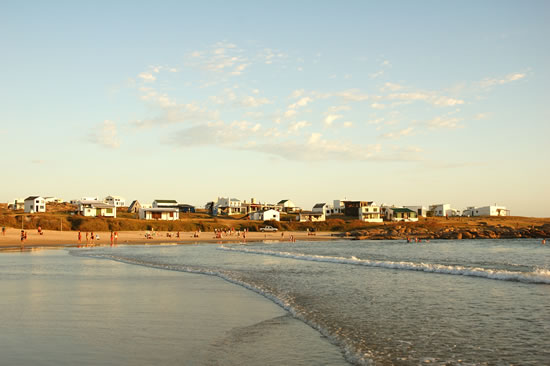
Rocha (Uruguay), on the Atlantic coast, between La Paloma and La Pedrera. Laguna de Rocha is a protected area that is part of the National System of Protected Areas (SNAP) and a Ramsar Site of international importance for birds. It's a brackish coastal lagoon separated from the sea by a sandbar that, depending on the season, opens and connects with the ocean. It's about 220 km from Montevideo and very close to the area's resorts
📌Service town
La Paloma, a few kilometers away, is the main service center: hotels, restaurants, supermarkets, ATMs and the bus terminal with connections to Montevideo and the coast. La Pedrera also works as a nearby base. The protected area itself has limited infrastructure (access portal, trails and park rangers), so it pays to stay and stock up in the nearby resorts before visiting it
📌Best time to visit
For birdwatching, spring and summer are excellent, with a large number of resident and migratory species, though autumn and winter also offer sightings and a lot of calm. Summer (December to March) adds the appeal of the nearby beaches and the opening of the bar, a spectacular phenomenon. To enjoy the lagoon calmly and without crowds, spring and autumn are ideal, with a mild climate
📌Suggested days
A visit to the protected area —trails, birdwatching, the bar and the lagoon beach— is well enjoyed in half a day or a day. Combining it with La Paloma and La Pedrera, it pays to dedicate 2 or 3 days to the area to add beaches, sunsets and the quiet life of the Rocha resorts, using the lagoon as a great nature outing
💱 Cambio de USD
Loading rate…
🌤️ Clima en Laguna de Rocha
Loading weather…
Laguna de Rocha is one of those places where Uruguay shows its wildest and most silent side. It's a great brackish coastal lagoon, tucked between the resorts of La Paloma and La Pedrera, separated from the ocean by a thin sandbar that, depending on the season and the floods, opens and lets the sea water in and out. That back-and-forth between the lagoon and the Atlantic creates a very rich ecosystem, a refuge for an astonishing number of birds.
Protected within the National System of Protected Areas and recognized as a Ramsar Site of international importance, the lagoon is a paradise for those who love nature and birdwatching: flamingos, black-necked swans, herons, storks, gulls and dozens more species find food and rest here, many of them migratory ones that travel thousands of kilometers. Its shores of reed beds, dunes and meadows, and the bar where the lagoon meets the sea, offer wide landscapes and memorable sunsets.
This guide explores Laguna de Rocha with a practical and respectful eye: how to get there and tour the protected area, what birds and landscapes to expect, what to do at the bar and on the beach, and how to combine the visit with the nearby resorts of La Paloma and La Pedrera, to experience one of the most valuable and serene natural corners on the whole Uruguayan Atlantic coast.
📖 History of Laguna de Rocha
Laguna de Rocha is part of a chain of coastal lagoons on the Uruguayan Atlantic litoral, formed by geological processes that, over thousands of years, gradually formed sandbars that separated old water inlets from the sea. Inhabited and traveled since pre-Hispanic times by indigenous peoples who made use of its wealth of fish and birds, the area was later tied to cattle-raising and the rural life of Rocha, with estancias around its shores. Artisanal fishing at the bar —where species that come and go with the opening to the sea are caught— became a traditional activity of the local families. From the second half of the 20th century, the ecological value of the lagoon began to be formally recognized: it was declared a Ramsar Site (a wetland of international importance) and, later, incorporated into Uruguay's National System of Protected Areas, with a management plan that seeks to reconcile conservation, artisanal fishing and nature tourism. Today Laguna de Rocha is one of the great icons of the country's ecological tourism. The full story is on our history page.
Read the full history →
🗺️ What to see
1
The lagoon bar (where it meets the sea)
The thin ridge of sand that separates the lagoon from the ocean and that, when it opens, connects both worlds in a natural spectacle.
The bar is the heart and the most fascinating feature of Laguna de Rocha: a ridge of sand that separates the brackish water of the lagoon from the Atlantic Ocean. Depending on the time of year, the water level and the floods, this bar opens —naturally or assisted— and allows the exchange of water between the lagoon and the sea. That moment, when the lagoon 'breaks' and connects with the ocean, transforms the landscape and triggers the activity of fish and birds.
The opening of the bar has enormous ecological value: it regulates the salinity of the lagoon, renews its waters and allows fish species to come and go, which sustains both the biodiversity and the traditional artisanal fishing. Walking along the bar, with the lagoon on one side and the sea on the other, is one of the most striking experiences of the place, especially at sunset.
It's a place to explore with respect: it's a fragile and protected environment, where it pays to follow the marked trails, not disturb the birds and not leave waste. The bar area is also a meeting point for the artisanal fishermen who work its waters.
How to get there: via the accesses to the protected area from the La Paloma/La Pedrera area; it pays to check the state of the roads. Best time: the sunset gives the best light; summer usually coincides with openings of the bar. Tips: bring water, sunscreen, footwear for the sand and binoculars; respect the protected area's signage and check with the park rangers.
ℹ️ Distance: Accesses from the La Paloma / La Pedrera area (car; check roads) · Best time: Sunset for the light; summer usually coincides with openings of the bar · Admission: Free (protected area with free access via the trails) · Duration: 1 to 2 hours
2
Birdwatching (flamingos, swans, herons)
One of the best spots in Uruguay to see birds: flamingos, black-necked swans and dozens of resident and migratory species.
Laguna de Rocha is an internationally famous bird sanctuary, and wildlife watching is its number-one attraction. Its brackish waters, reed beds and shores bring together an enormous diversity: southern flamingos, black-necked swans, coscoroba swans, herons, storks, roseate spoonbills, gulls, terns and many more species. Much of it are migratory birds that travel thousands of kilometers and use the lagoon as a feeding and resting site, which earned it its status as a Ramsar Site.
The best moments for watching are the early hours of the morning and the sunset, when the birds are most active. From the trails and lookouts of the protected area you can observe great concentrations, especially of flamingos, which tinge the shores pink, and of swans. Bringing binoculars or a spotting scope makes the difference, and a local guide or the park rangers help identify species and interpret the ecosystem.
It's an ideal plan for nature lovers, photographers and curious families. The key is calm and respect: keeping your distance, speaking quietly and not disturbing the birds guarantees better sightings and protects the environment.
How to get there: via the portal and the trails of the protected area, near La Paloma. Best time: spring and summer for the greatest number of species; morning and sunset for the activity. Tips: binoculars, neutral-colored clothing, repellent and patience; check at the protected area about guided tours and hours.
ℹ️ Distance: Trails of the protected area, near La Paloma (car and on foot) · Best time: Spring and summer; morning and sunset for bird activity · Admission: Free (access via trails); guided tours US$ 25–40 per person (verified July 2026; check when you visit) · Duration: Half a day
3
Trails and lookouts of the protected area
Marked paths among dunes, reed beds and meadows, with lookouts to contemplate the lagoon and its wildlife.
The Laguna de Rocha protected area has trails and observation points that let you tour its different environments on foot: dunes, woodland, meadows and the shores of the lagoon. These paths, designed to minimize the impact on the ecosystem, lead to lookouts from which you can appreciate the great expanses of water, the birds and the meeting with the sea at the bar.
Walking the trails is the best way to understand the richness of the place: the vegetation of each environment, the associated fauna (not only birds, but also small mammals and reptiles), and the geography of the coastal lagoon. The signage and, when available, the presence of park rangers help interpret what you see and move around without damaging the surroundings.
The area is part of the National System of Protected Areas, which implies clear rules: travel only on the designated trails, no fire, no waste, no disturbing the wildlife and respecting the guidelines. It's a quiet walk, of low physical effort, suitable for all ages.
How to get there: via the access portal of the protected area, in the zone between La Paloma and La Pedrera. Best time: year-round; spring and autumn with very pleasant weather. Tips: water, sunscreen, repellent and comfortable shoes; check hours, the state of the trails and guided activities at the entrance or with the park rangers.
ℹ️ Distance: Access portal between La Paloma and La Pedrera (car and on foot) · Best time: Year-round; spring and autumn very pleasant · Admission: Free (access via designated trails) · Duration: 1 to 3 hours
4
Artisanal fishing and the life of the fishermen
The traditional fishing in the lagoon, where the fishing families keep alive a trade tied to the opening of the bar.
Artisanal fishing is an essential part of the identity of Laguna de Rocha. Fishing families have worked its waters for generations, catching species that come and go with the opening of the bar to the sea, such as croaker, sole, shrimp and others. This activity, integrated into the protected area's management plan, coexists with conservation and is an example of sustainable use of resources.
Visiting the bar area lets you see the fishermen at work, their vessels and, depending on the season and the local offer, buy or taste fresh fish. It's a way to connect with the local culture and to understand how nature —the cycle of opening and closing of the bar— sets the rhythm of human work in this corner of Rocha.
Respectful tourism can be an ally of this community: chatting with the fishermen, learning about their trade and valuing the local product helps sustain a traditional activity that is part of the cultural landscape of the lagoon.
How to get there: in the bar area and the shores, within the protected area. Best time: it depends on the opening of the bar and the fishing season; check locally. Tips: respect the fishermen's work, ask before photographing and check in La Paloma or at the protected area about the possibility of tasting local fish.
ℹ️ Distance: Bar area and shores of the lagoon (car and on foot) · Best time: Depending on the opening of the bar and the fishing season (check) · Admission: Free (observation); fresh fish from US$ 8–15 per kilo depending on the species and season (verified July 2026; check when you visit) · Duration: 1 to 2 hours
5
La Paloma and its lighthouse (Cabo Santa María)
The nearest resort, with its historic 1874 lighthouse, beaches and an active service life.
La Paloma is the main service center of the area and the most common base for visiting Laguna de Rocha. Its symbol is the Cabo Santa María Lighthouse, in operation since 1874, which can be visited (depending on the hours) by climbing its 143 steps to the balcony, from where the whole coast is dominated. It's one of the resort's must-do outings.
Besides the lighthouse, La Paloma offers beaches for all tastes —some with good waves for surfing, like La Aguada or La Balconada—, an active fishing port and a wide offer of hotels, restaurants and shops that make it very convenient as a base of operations for exploring both the lagoon and the rest of the Rocha coast.
It's a traditional, relaxed and family resort, with activity for much of the year (unlike other more seasonal resorts). It combines a day of beach and lighthouse well with the visit to the lagoon.
How to get there: urban center of La Paloma, a few minutes by car from the lagoon access. Best time: the lighthouse is visited on Saturdays and Sundays (hours subject to weather); the resort, year-round. Tips: bring cash in Uruguayan pesos for the lighthouse admission; children under 8 can't go up.
ℹ️ Distance: Center of La Paloma, a few km from the lagoon access · Best time: Lighthouse: Saturdays and Sundays 10 a.m.-12 p.m. and 3 p.m.-5 p.m. (subject to weather); resort year-round · Admission: Lighthouse: UYU 35 per person, cash only (verified July 2026; check when you visit). Children under 8 not allowed · Duration: 1 to 2 hours (lighthouse and stroll through the town)
6
La Pedrera (bluff, surf and sunsets)
The bohemian resort on a bluff facing the sea, famous for its sunsets and its relaxed atmosphere.
La Pedrera sits on a bluff with panoramic views of the Atlantic Ocean and has a more bohemian and quiet profile than La Paloma, very popular with surfers, backpackers and those seeking a serene atmosphere. Its sunsets, seen from the bluff facing the sea, are among the most photographed on the whole Rocha coast.
The town keeps a small scale, with houses of simple architecture, charming inns, cafés and a gentle but active nightlife in high season. Surfing is one of its great attractions, with waves suitable for beginners and advanced surfers depending on the beach.
Together with La Paloma and Laguna de Rocha, it forms a perfect triangle for combining nature, beach and resort life in a single trip along the east coast of Uruguay.
How to get there: a few kilometers east of La Paloma and the lagoon access, via the coastal road. Best time: summer for the beach life and surf; spring and autumn for total calm. Tips: go up to the main bluff for the sunset; there are surf lessons and board rentals in season.
ℹ️ Distance: A few km east of La Paloma and the lagoon (car) · Best time: Summer for beach and surf; spring and autumn for calm · Admission: Free (public beaches); surf lessons from US$ 30–45 per lesson (verified July 2026; check when you visit) · Duration: Half a day to several days
What nobody tells you💵 Prices
Tickets
| Type | Price |
|---|
| Laguna de Rocha protected area (trails and lookouts) | Free (free access via designated trails) |
| Birdwatching (on your own) | Free |
| Guided nature / bird tours (half day, with a local guide) | US$ 25–40 per person (verified July 2026; check when you visit) |
| Lagoon bar and beach | Free (free access) |
| Beaches of La Paloma and La Pedrera | Free (public beaches) |
| Cabo Santa María Lighthouse (La Paloma) | UYU 35 per person (cash only; verified July 2026); children under 8 not allowed. Check when you visit |
🔄 updated monthlyOfficial / reference values · double-check when buying
Activities and tours
| Activity | Price | Duration | Operator |
|---|
| Guided birdwatching (flamingos, swans, herons) | US$ 25–40 per person (verified July 2026; check when you visit) | Half a day | Local nature guides and park rangers (check availability at the access portal) |
| Walk along the protected area's trails | Free (on your own) | 1-3 h | Free access; SNAP park ranger supervision |
| Visit to the bar and the lagoon beach | Free | 1-2 h | Free access (check roads) |
| Nature and sunset photography with a guide | US$ 30–50 per person (verified July 2026; check when you visit) | Half a day | Local guides and photographers from La Paloma / La Pedrera |
| Kayaking in the lagoon (depending on the offer and season) | US$ 20–35 per person, 1-2 h (verified July 2026; check when you visit) | 1-2 h | Adventure operators from La Paloma / La Pedrera |
🔄 updated monthlyOfficial / reference values · double-check when buying
🚌 How to get there and distances
Getting around
| Mode | Price | Duration | Notes |
|---|
| Private or rental car | Rental from US$ 35–60 per day (depending on the season and company; verified July 2026) | Variable | The most practical way to reach the protected area and combine it with La Paloma and La Pedrera. It pays to check the state of the access roads to the bar, which are dirt |
| On foot along the protected area's trails | Free | Variable | Once at the access portal, the tour of the lagoon, the lookouts and the bar is done on foot along the designated trails |
| Short-distance bus (COT, Rutas del Sol, Cynsa) to La Paloma | Rocha–La Paloma approx. UYU 130-160; the protected area has no line of its own (verified July 2026) | Variable | There's no bus that enters the protected area: you travel by bus to La Paloma or La Pedrera and from there by car, taxi or bike. IMPORTANT: in Rocha and the whole interior the ticket is paid IN CASH on board or at the ticket office; the STM card is only for the Montevideo area and does not apply here |
| Taxi or remís from La Paloma | US$ 8–18 per trip approx. (verified July 2026) | 10 to 15 min | For those without a car, the most practical option to get from La Paloma to the protected area and back; it pays to arrange the return with the driver |
| Bicycle (rental) | US$ 10–18 per day (verified July 2026) | Variable | From the nearby resorts you can reach it by bicycle on the area's roads, enjoying the landscape (check distances and the state of the roads) |
| Schedule / how-to-get-there app | Free (the app) | — | To see schedules and connections of the Rocha buses to La Paloma, the most-used app in Uruguay is Moovit (it also covers the interior); Google Maps has the same schedules for the inter-departmental lines. No app reaches the lagoon portal: the last stretch is always by car/taxi/bike. Source: Moovit Uruguay, verified July 2026 |
🔄 updated monthlyOfficial / reference values · double-check when buying
How to get there
| Route | Airlines / operators | Avg. price | Duration |
|---|
| Montevideo (Tres Cruces Terminal) → La Paloma (bus) and then to the protected area | Rutas del Sol, COT, Cynsa (ticket in cash or bought online) | UYU 800-900 approx. per stretch (verified July 2026) | Approx. 3.5 hours to La Paloma (about 230 km), plus a short transfer to the lagoon |
| Montevideo → Laguna de Rocha by car (Ruta Interbalnearia and Route 9/10) | Own or rental vehicle | Fuel approx. US$ 25–35 one way plus tolls (verified July 2026) | Approx. 3 to 3.5 hours |
| Rocha (city) → La Paloma (bus) | COT, Rutas del Sol (ticket in cash) | UYU 130-160 approx. per stretch (verified July 2026) | Approx. 35 minutes (28 km) |
| La Pedrera / La Paloma → protected area (car, taxi or bike) | Local transport | US$ 8–15 by taxi; free by bike or on foot depending on the distance | A few minutes to half an hour depending on the point |
🔄 updated monthlyOfficial / reference values · double-check when buying
🏨 Where to stay
No exact prices: a scale from $ (budget) to $$$$$ (luxury), with 2-3 options per category.
| Category | Price | Recommended options |
|---|
| Hotels and inns in La Paloma | $$$$$ | US$ 60–110 per night; mid-range hotels and inns like Proa Sur Hotel or Portobello Suites, comfortable as a base for visiting the lagoon and enjoying the beaches. Open much of the year (verified July 2026; check when you visit) |
| Charming inns in La Pedrera | $$$$$ | US$ 80–160 per night; charming inns and lodgings in La Pedrera, such as La Posada del Barco or La Posada de la Pedrera, on the bluff, ideal for those seeking a serene atmosphere near the nature of the lagoon (verified July 2026; check when you visit) |
| Cabins and rentals in the area | $$$$$ | US$ 70–150 per night depending on capacity; rental cabins and houses in the nearby resorts, practical for families and groups who want to combine nature, beach and independence. It pays to book in advance in season (verified July 2026; check when you visit) |
| Camping and budget options | $$$$$ | US$ 9–25 per night (hostels and camping); budget options in La Paloma and surroundings, chosen by budget travelers and nature lovers. Check availability and season (verified July 2026) |
🍴 Where to eat
| Type | Price | Options / signature dish |
|---|
| Local fish and seafood | $$$$$ | US$ 15–30 per dish; restaurants in La Paloma and La Pedrera specializing in fresh fish and seafood, many tied to local fishing: croaker, hake, sole and shrimp. The most in keeping with the spirit of the lagoon (verified July 2026; check when you visit) |
| Grills and Uruguayan cuisine | $$$$$ | US$ 12–25 per dish; grills with asado, offal and milanesas in the nearby resorts, for those who prefer classic Uruguayan cuisine after a day of nature (verified July 2026; check when you visit) |
| Cafés, natural food and bohemian options | $$$$$ | US$ 6–15 per dish or set menu; in La Pedrera and La Paloma, cafés, vegetarian options and natural food in keeping with the relaxed and bohemian atmosphere of the Rocha coast, ideal for a break (verified July 2026; check when you visit) |
| Simple food and takeaway | $$$$$ | US$ 4–10 per portion; snack bars, bakeries and fast-food spots in the resorts, useful for putting together a packed lunch or grabbing a quick bite before visiting the protected area (where there are no dining services) (verified July 2026; check when you visit) |
❓ Frequently asked questions
What exactly is Laguna de Rocha?+
It's a brackish coastal lagoon located between La Paloma and La Pedrera, separated from the Atlantic Ocean by a sandbar that, depending on the season, opens and connects with the sea. It's part of Uruguay's National System of Protected Areas and a Ramsar Site of international importance, above all for its value as a bird refuge. It's one of the great icons of the country's nature tourism.
What birds can you see?+
The lagoon brings together an enormous diversity: southern flamingos, black-necked swans, coscoroba swans, herons, storks, roseate spoonbills, gulls, terns and many more species, several of them migratory. The best moments to see them are early morning and sunset. It pays to bring binoculars and, if possible, take a guided tour (about US$ 25–40) to identify them.
When does the lagoon bar open?+
The sandbar that separates the lagoon from the sea opens depending on the water level, the rains and the floods, sometimes naturally and sometimes assisted. It usually happens at different times of the year, often tied to summer and periods of a lot of water. There's no fixed date; it pays to check locally or at the protected area if you want to coincide with that phenomenon.
How do I get to Laguna de Rocha?+
The most comfortable is by car: from Montevideo, via the Ruta Interbalnearia and then toward La Paloma (about 230 km, close to 3.5 hours), and from there a short trip to the protected area. By bus you reach La Paloma (about UYU 800-900 from Montevideo) and from there you access by car, taxi (US$ 8–18) or bike, because no line enters the protected area. In Rocha the ticket is paid in cash (the STM card is only for Montevideo). For schedules, use the Moovit app or Google Maps, and check the state of the dirt roads that lead to the bar (verified July 2026).
Can you reach Laguna de Rocha without a car?+
Yes, but with a combination. There's no bus that enters the protected area: you travel by bus to La Paloma or La Pedrera (ticket in cash; the Moovit app shows the schedules) and from there you take a taxi/remís (about US$ 8–18) or go by bike to the access portal. Arrange the return with the driver, because in the lagoon area there are no services or passing transport. Booking a guided tour from La Paloma also solves the transfer (verified July 2026).
Do you have to pay admission to visit the protected area?+
Access to the trails and lookouts of the protected area is free. What does have a cost are the guided birdwatching or nature tours (about US$ 25–40 per person), kayaking (US$ 20–35) and other activities offered by area operators. It pays to check hours and activities at the access portal or with the park rangers.
What precautions should you take when visiting it?+
Being a fragile protected area, you have to travel only on the designated trails, not leave waste, not light fires and not disturb the birds or the wildlife. Keeping your distance and staying quiet improves the sightings and protects the ecosystem. Bring water, sunscreen and repellent, since within the area there are no dining services or shops.
What other places can I combine the visit with?+
The lagoon is between La Paloma and La Pedrera, so it combines perfectly with their beaches, the Cabo Santa María lighthouse (admission UYU 35, Saturdays and Sundays) and the area's sunsets. With a couple more days you can add other points of the Rocha coast, such as Cabo Polonio or Punta del Diablo, putting together a complete circuit of nature and Atlantic beaches.
Sources consulted (14)
- Wikipedia (ES) — «Laguna de Rocha (Uruguay)»: https://es.wikipedia.org/wiki/Laguna_de_Rocha_(Uruguay)
- Sistema Nacional de Áreas Protegidas (SNAP), Uruguay: https://www.gub.uy/ministerio-ambiente/snap
- Wikipedia (ES) — «Rocha (departamento)»: https://es.wikipedia.org/wiki/Rocha_(departamento)
- Sistema Nacional de Áreas Protegidas (SNAP) — Laguna de Rocha: https://www.gub.uy/ministerio-ambiente/snap
- Ramsar — Sitios Ramsar de Uruguay: https://www.ramsar.org/
- Ministerio de Turismo de Uruguay — «Rocha»: https://www.gub.uy/ministerio-turismo/
- Wikipedia (ES) — «La Paloma (Rocha)»: https://es.wikipedia.org/wiki/La_Paloma_(Rocha)
- Turismo Rocha — Faro Cabo Santa María: https://turismorocha.gub.uy/atractivos/faros/faro-cabo-santa-maria
- Terminal de ómnibus de Tres Cruces (Montevideo): https://trescruces.com.uy/
- Moovit — Planificador de transporte público Uruguay (horarios en tiempo real): https://moovitapp.com/index/es/transporte_p%C3%BAblico-Uruguay
- Ministerio de Turismo de Uruguay: https://www.gub.uy/ministerio-turismo/
- URUBUS — Precios y distancias de ómnibus en Uruguay: https://urubus.com.uy/blog/precios-y-distancias-de-omnibus-en-uruguay/
- Aves Uruguay (organización de observadores de aves): https://www.avesuruguay.org.uy/
- Sistema Nacional de Áreas Protegidas (SNAP): https://www.gub.uy/ministerio-ambiente/snap