📌Location
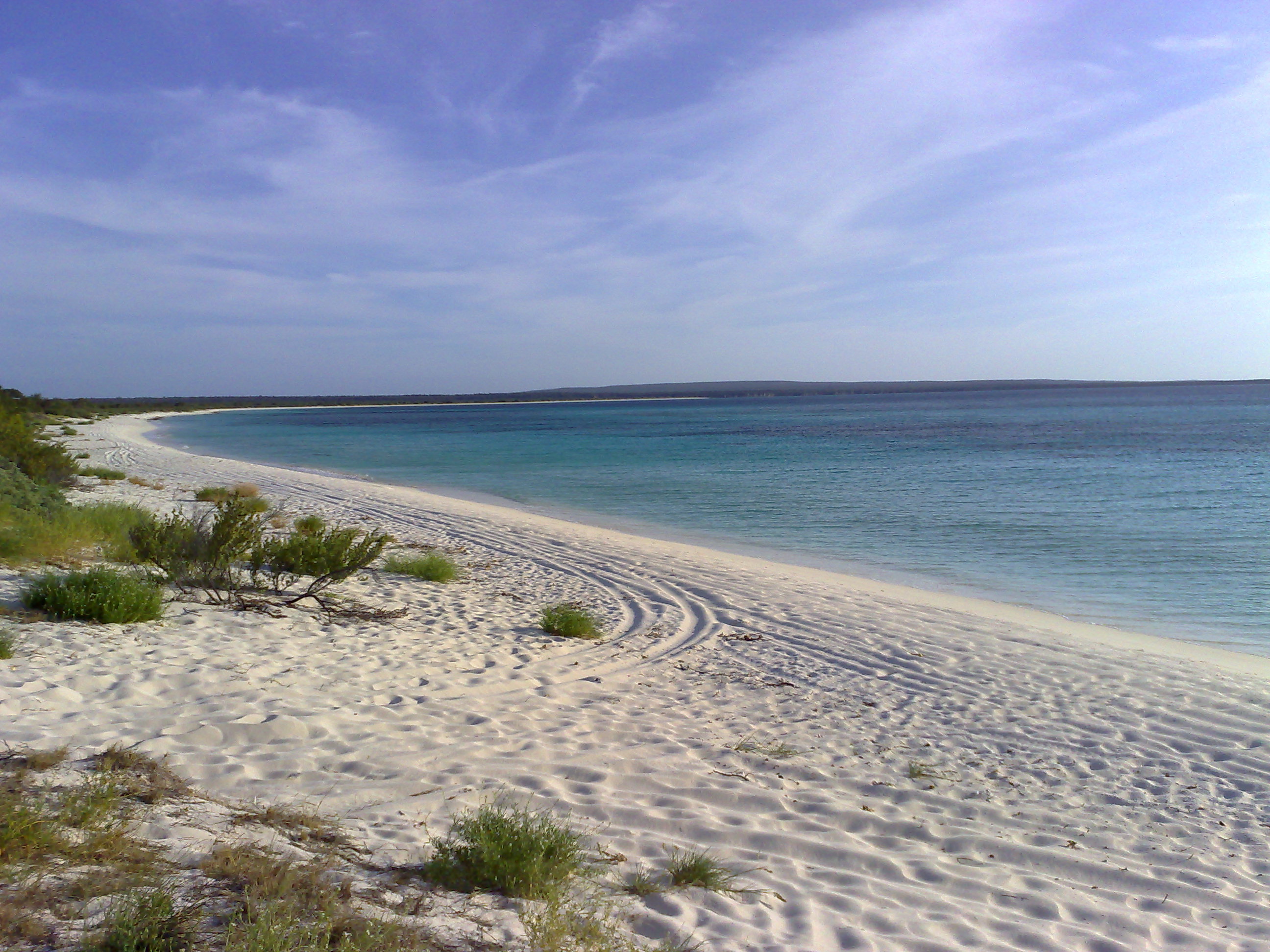
Bahía de las Águilas is an unspoiled beach at the far southwestern tip of the Dominican Republic, inside Jaragua National Park, in Pedernales province, very close to the border with Haiti. It's about 8 kilometers of white sand and clear turquoise waters, framed by arid hills and cliffs, in a protected and almost entirely uninhabited setting. Many consider it the most spectacular and best-preserved beach in the country
📌Service city
The nearest service towns are Pedernales (the border city, provincial capital) and the villages in the area such as Las Cuevas and La Cueva, the launch point for the beach. A bit farther is Santa Cruz de Barahona, the main city of the southwest, with more hotels and services. The region is remote; many visitors arrive by road from Barahona or Santo Domingo, or on organized excursions. There are no large airports nearby in mass tourist operation (check current options)
📌Best time to go
Bahía de las Águilas can be enjoyed year-round thanks to the warm, dry climate of the southwest, one of the most arid areas in the country. The dry season (roughly November to April) offers sunny, stable days, ideal for the beach and boating. The Atlantic hurricane season runs from June to November. It's best to go early: the southwestern sun is intense and there's no natural shade on the beach, so the early hours are more comfortable
📌Suggested days
A visit to Bahía de las Águilas is usually a day trip from the Pedernales or Barahona area, spending several hours enjoying the beach, swimming and snorkeling. Given the remoteness, it's ideal to devote at least 2 or 3 days to the southwest, combining the bay with other wonders of the region: Jaragua National Park, Pedernales, the area's beaches and lagoons, and attractions around Barahona such as Los Patos or the Oviedo lagoon
💱 Cambio de USD
Loading rate…
🌤️ Clima en Bahía de las Águilas (Jaragua National Park)
Loading weather…
Some say Bahía de las Águilas is the most beautiful beach in the Dominican Republic, and once you see it, it's hard to disagree. In the most remote corner of the country, in the southwest almost bordering Haiti, some 8 kilometers of fine white sand stretch before a sea of intense, crystal-clear turquoise, without a single building in sight. Just sand, sea, sky and the arid hills that frame it: a pristine, unspoiled beach, protected within Jaragua National Park.
That very remoteness and protected character are the reason for its untouched beauty. Reaching Bahía de las Águilas is part of the adventure: after a long journey through the arid southwest, you access it by sea, by boat from the small pier of La Cueva or Las Cuevas, or by a dirt track in an off-road vehicle. The effort is rewarded with a solitary beach, its transparent waters ideal for swimming and snorkeling, where nature rules.
This guide covers Bahía de las Águilas with a practical eye: how to reach this remote corner, what the access by boat or by land is like, what to expect from the unspoiled beach (no facilities), when to go and how to combine it with the other jewels of the Dominican southwest. It's a destination for those seeking paradisiacal beaches and wild nature, far from mass tourism, in one of the country's most authentic and least-visited regions.
📖 History of Bahía de las Águilas (Jaragua National Park)
The far southwest of the Dominican Republic, where Bahía de las Águilas lies, was Taíno territory before the arrival of the Europeans. Its name (Bay of the Eagles) evokes the birds of the arid zone. The region belongs to Pedernales province, the country's westernmost, next to the border with Haiti, historically fixed between the two nations that share the island of Hispaniola. For centuries, this arid, hot and secluded southwest was one of the country's least-populated and most-marginalized areas, given over to activities such as fishing, goat herding and, at some point, the exploitation of resources like salt or bauxite around Pedernales. The region's great wealth is its nature: in recognition of its unique ecosystems —dry forest, lagoons, unspoiled coast and remarkable biodiversity— Jaragua National Park was created, the country's largest national park, protecting Bahía de las Águilas and its surroundings. This whole area is also part of the Jaragua-Bahoruco-Enriquillo Biosphere Reserve, recognized by UNESCO. Thanks to that protection, Bahía de las Águilas was preserved as an unspoiled, undeveloped beach, which, with the rise of nature tourism, made it one of the great icons and attractions of the Dominican southwest. The full story is on our history page.
Read the full history →
🗺️ What to see
1
The unspoiled beach of Bahía de las Águilas
About 8 km of white sand and turquoise waters with no development at all, considered the most beautiful beach in the country.
Bahía de las Águilas is, quite simply, one of the most spectacular beaches in the Caribbean and, for many, the most beautiful in the Dominican Republic. It's about 8 kilometers of fine white sand, facing a sea of turquoise, crystal-clear and calm waters, framed by arid hills and cliffs. What makes it unique is not only its beauty, but its unspoiled state: being inside Jaragua National Park, there are no hotels, houses or buildings; only nature.
The plan is to enjoy that solitary, pristine beach: swim in its transparent waters, walk along the long strip of sand, snorkel near the rocks (the area has good marine life) and, above all, experience a paradisiacal beach almost without people and without the mark of tourist development. The sense of vastness and untouched nature is the place's great treasure.
It's essential to bear in mind that the beach has no facilities: there are no restaurants, restrooms, fixed umbrellas or shops in the bay itself. That's why you need to go prepared, bringing everything necessary, and above all respecting the protected environment: take away all your trash, don't harm the vegetation or wildlife, and leave the beach as you found it.
Getting there: by sea by boat from the pier at La Cueva/Las Cuevas, or by land in an off-road vehicle along a track. Best time: dry season; go early because of the intense sun. Tips: bring plenty of water, food, sun protection, a hat, a portable umbrella (there's no shade), snorkeling gear and bags for your trash. Respect the protected area: leave no waste and don't harm nature.
ℹ️ Distance: Jaragua National Park, southwest of Pedernales; access by sea or dirt track · Best time to go: Dry season (November to April); go early because of the sun · Entry: RD$ 150 per person (approx. US$ 3), entry to Jaragua National Park at La Cueva (source: VisitCaboRojoDR, verified July 2026); plus the boat or 4x4 transfer. Check when visiting · Duration: Half a day to a full day
2
Boat access from La Cueva
The boat crossing from the small pier to the beach, hugging the park's coast.
One of the most common and comfortable ways to reach Bahía de las Águilas is by sea, by boat, from the small pier in the La Cueva (or Las Cuevas) area, near Pedernales. The crossing hugs the coast of Jaragua National Park, with its cliffs, its transparent waters and its arid, wild landscape, until you land directly on the unspoiled beach. The boat ride lasts about 15 minutes.
The boat ride is, in itself, part of the experience: it lets you appreciate the coast from the water, see the landscape shift and, depending on the operator, make a stop for snorkeling. It's a way of getting there that avoids the dirt road and is usually faster and more scenic, though it depends on sea conditions.
The area's boatmen and operators (such as the Cabo Rojo Boatmen's Association or Rancho Cueva de las Águilas) organize these transfers; it's best to agree in advance on the price, the return time and what the service includes. As with any sea activity, it's important to choose boats in good condition, with life jackets, and to consider the state of the sea (better with calm waters).
Getting there: the pier at La Cueva/Las Cuevas is reached by road from Pedernales; you take the boat there. Best time: dry season, with calm seas. Tips: agree on the price and return time with the boatman, bring everything you need for the day (there are no facilities on the beach) and protect anything that could get wet. If you get seasick, take precautions for the crossing.
ℹ️ Distance: Pier at La Cueva/Las Cuevas, near Pedernales; crossing of about 15 minutes · Best time to go: Dry season, with calm seas · Entry: Boat RD$ 3,500–6,000 per boat (depending on the number of passengers, up to 6–8 people), or approx. US$ 75 per full boat depending on the operator (verified July 2026; agree on the price before setting off; cash only) · Duration: Short crossing per leg (plus time on the beach)
3
Jaragua National Park and its biodiversity
The country's largest national park, of dry forest, lagoons and coast, which protects the bay and its surroundings.
Bahía de las Águilas is part of Jaragua National Park, the largest in the Dominican Republic, which protects a vast territory of subtropical dry forest, coastal lagoons, unspoiled coast, islands and islets at the country's far southwestern tip. This protected status is the reason the bay has remained intact, without the development that has transformed other Dominican coasts.
The park is home to remarkable biodiversity. Its various environments host numerous bird species —it's an important spot for birdwatching, with flamingos in its lagoons and abundant birdlife—, reptiles such as iguanas, and flora adapted to the arid climate, with cacti and dry-forest vegetation. The park's coast and cays are also a nesting area for sea turtles and rich in marine life, which explains the area's good snorkeling.
Within the park there are other natural attractions, such as the Oviedo lagoon, a large saltwater lagoon with islets, flamingos and wildlife, which you can tour by boat with local guides. The whole ensemble is part of the Jaragua-Bahoruco-Enriquillo Biosphere Reserve, recognized by UNESCO for its ecological value.
Getting there: the park's various areas are accessed from the Pedernales area and the southwestern highway. Best time: dry season for touring and wildlife watching. Tips: for activities like the Oviedo lagoon, hire authorized local guides; bring water, sun protection and insect repellent, and respect the protected area's rules. It's a destination for nature lovers.
ℹ️ Distance: Far southwest of the country, Pedernales province · Best time to go: Dry season, for tours and wildlife watching · Entry: RD$ 150 per person (approx. US$ 3), park entry (verified July 2026); additional activities (boat at Oviedo) charged separately, check when visiting · Duration: From half a day to several days (with different areas)
4
Combining with the Dominican southwest
The bay as part of a tour through Pedernales, the lagoons and the Barahona area.
Because of its remoteness, Bahía de las Águilas is best enjoyed as part of a broader trip through the Dominican southwest, one of the country's most authentic, wild and least-visited regions. The area offers a total contrast with the big resort destinations of the east: here the appeal is nature, the arid and mountainous landscapes, the unspoiled beaches and local life.
Around Pedernales, besides the bay, you can visit the Oviedo lagoon (with its flamingos), beaches and corners of the coast, and the landscapes of Jaragua National Park. Inland, the Sierra de Bahoruco —another national park— offers mountain forests and biodiversity. And around Santa Cruz de Barahona, the region's main city, attractions await such as the beach and swimming spot of Los Patos, the coastal cliff road, the Magnetic Pole and, inland, Lake Enriquillo, the largest lake in the Caribbean, with its crocodiles and iguanas.
All this makes the southwest a multi-day road-trip destination, in which Bahía de las Águilas is the coastal jewel of an impressive natural ensemble. The region demands more planning and adventurous spirit than the traditional tourist areas, but it rewards you with authenticity and unique landscapes.
Getting there: by car along the southwestern highway from Barahona or Santo Domingo, or on organized excursions. Best time: dry season. Tips: plan the route and accommodations in advance (options are limited), consider renting a suitable vehicle and carry cash, since services are scarce. It's ideal for nature and adventure travelers.
ℹ️ Distance: Southwest of the country; combinable with Pedernales, Jaragua, Oviedo and Barahona · Best time to go: Dry season (November to April) · Entry: Each attraction charges its own entry (RD$ 100–150 approx. per park, market range verified July 2026); check when visiting · Duration: Several days for the southwest
5
Oviedo Lagoon
A large saltwater lagoon inside the park, with flamingos, islets and guided boat tours.
The Oviedo lagoon is one of the great natural attractions of Jaragua National Park, very close to the road that runs from Barahona to Pedernales. It's a large hypersaline lagoon of shallow waters, dotted with islets, where pink flamingos and dozens of species of aquatic and migratory birds nest and feed, along with rhinoceros iguanas, endemic to the area.
The tours are done by boat with guides from the Ministry of the Environment or authorized community guides, who take visitors to observe the wildlife among the mangroves and islets of the lagoon, explaining the unique ecosystem of this coastal wetland. It's an ideal complement to the beach, for those who enjoy birdwatching and nature.
Getting there: on the Barahona–Pedernales road, with a visitor center where you hire the guides. Best time: early in the morning, when there's more bird activity. Tips: bring binoculars if you have them, sun protection and water; the visit is arranged on site with the park rangers or local guides.
ℹ️ Distance: On the Barahona–Pedernales road, inside Jaragua National Park · Best time to go: Early in the morning, year-round (best in the dry season) · Entry: RD$ 150 per person approx. (park entry) + guided boat tour, approx. RD$ 1,000–2,000 per boat (verified July 2026) · Duration: 1 to 2 hours
6
Cabo Rojo and its viewpoints
Spectacular cliffs and viewpoints over the Caribbean Sea, near the port and the beach of the same name.
Cabo Rojo is a coastal locality south of Pedernales, famous for its impressive limestone cliffs that plunge sheer into an intensely blue sea. The area's natural viewpoints offer some of the most photographed views of the Dominican southwest, with the contrast between the arid rock, the turquoise sea and, in the area, the facilities of a former mining port linked to bauxite extraction.
Alongside the cliffs there are also small, rocky beaches of crystal-clear water, ideal for swimming and snorkeling in a setting less well known than Bahía de las Águilas but equally beautiful. Cabo Rojo is usually visited on the same circuit as the bay and the Oviedo lagoon, since it's on the way from Barahona to Pedernales.
Getting there: on the main road, a few minutes from Pedernales. Best time: year-round, better in the dry season for the access roads to the viewpoints. Tips: bring closed shoes for walking on the rock, a camera and caution near the cliff edges.
ℹ️ Distance: A few minutes from Pedernales, on the southwestern highway · Best time to go: Year-round; dry season for better access · Entry: Free (open access to the viewpoints); some beaches within private properties may charge a token access fee, RD$ 50–100 (check when visiting) · Duration: 1 to 2 hours
What nobody tells you💵 Prices
Tickets
| Type | Price |
|---|
| Entry to Jaragua National Park / Bahía de las Águilas (at La Cueva) | RD$ 150 per person (approx. US$ 3, verified July 2026); check when visiting, as the Ministry of the Environment adjusts rates |
| Boat transfer from La Cueva/Las Cuevas (round trip) | RD$ 3,500–6,000 per boat (up to 6–8 people) or approx. US$ 75 per full boat depending on the operator (verified July 2026; agree on price before setting off; cash only) |
| Off-road (4x4) transfer along the track | Approx. RD$ 1,500–2,500 per vehicle (estimated, verified July 2026; confirm with local Pedernales operators) |
| Full-day excursion from Pedernales or Barahona (all-inclusive) | US$ 79–149 per person with tour operators (includes transport, boat, sometimes lunch; market range, verified July 2026); budget local packages from RD$ 2,100 per person in large groups (17+); verified July 2026 |
| Boat tour of the Oviedo lagoon (with guide) | Approx. RD$ 1,000–2,000 per boat, plus the park entry of RD$ 150 per person (market range, verified July 2026) |
🔄 updated monthlyOfficial / reference values · double-check when buying
Activities and tours
| Activity | Price | Duration | Operator |
|---|
| Beach and snorkeling day at Bahía de las Águilas (boat + entry) | RD$ 150 entry + RD$ 3,500–6,000 boat per boat (market range, verified July 2026) | Half a day to a full day | Cabo Rojo Boatmen's Association / Rancho Cueva de las Águilas (La Cueva) |
| Combined excursion Bahía de las Águilas + Oviedo lagoon + Pedernales | US$ 79–149 per person all-inclusive (market range, verified July 2026) | Full day | Southwestern and Santo Domingo agencies (Civitatis, Colonial Tours and similar) |
| Birdwatching (flamingos, birdlife) at the Oviedo lagoon | RD$ 150 park entry + guided boat approx. RD$ 1,000–2,000 (market range, verified July 2026) | 1 to 2 hours | Ministry of the Environment guides / community guides |
| Tour of the park's coast and dry forest, incl. Cabo Rojo | Free to low cost (RD$ 0–100) for the viewpoints; combinable with a full-day excursion | Variable | On your own or included in southwestern tours |
🔄 updated monthlyOfficial / reference values · double-check when buying
🚌 How to get there and distances
Getting around
| Mode | Price | Duration | Notes |
|---|
| Boat from La Cueva/Las Cuevas | RD$ 3,500–6,000 (approx. US$ 40–60) per boat round trip (up to 6–8 people), cash only; about 15–20 minutes of crossing (source: VisitCaboRojoDR / local operators, verified July 2026) | Short crossing | The common and scenic way to reach the beach, hugging the park's coast. It's PAID IN CASH (there's no card reader or app at the pier); the price is per boat, not per person, and it's best to agree on it before setting off. Life jackets mandatory and included. Better with calm seas; agree on a return time |
| Off-road vehicle (4x4) along the dirt track | Approx. RD$ 1,500–2,500 per vehicle, in cash (estimated, verified July 2026) | Variable | Land access to the bay along a dirt road; requires a suitable vehicle. An alternative to the boat |
| Taxi to the La Cueva pier | Approx. US$ 15–25 per trip from Pedernales, in cash (verified July 2026) | Short | Local taxis take you to the pier. Note: there is NO Uber or InDrive in Pedernales/the rural southwest; those apps only work in the big cities (Santo Domingo, Santiago, Punta Cana). Here you arrange a taxi/motoconcho in cash |
| Rental car (for the region) | From US$ 35–55 per day depending on category (market range, verified July 2026) | Variable | Necessary for touring the southwest; distances are long and services scarce. You navigate with Google Maps (works offline if you download the map). Carry fuel, water and cash in pesos (RD$) in small bills |
| Organized excursion with transfer | US$ 79–149 per person (market range, verified July 2026) | Full day | A convenient option that handles transport, boat and park entry from Pedernales or Barahona. Booked via operators' websites/WhatsApp (Rancho Típico Cueva de las Águilas, Larimar EcoTour) or platforms like GetYourGuide/Civitatis |
🔄 updated monthlyOfficial / reference values · double-check when buying
How to get there
| Route | Airlines / operators | Avg. price | Duration |
|---|
| Pedernales → La Cueva → Bahía de las Águilas | Car/taxi to the pier + boat or 4x4 | Local taxi approx. RD$ 300–600 to the pier, plus boat RD$ 3,500–6,000 per boat (market range, verified July 2026) | Short trip to La Cueva + access to the beach |
| Santa Cruz de Barahona → Pedernales / Bahía de las Águilas | Car, excursion or regional transport | Own car: fuel only; public transport/guagua approx. RD$ 300–500 per leg (market range, verified July 2026) | Several hours along the southwestern highway |
| Santo Domingo → southwest (Barahona / Pedernales) | Rental car or intercity buses (Caribe Tours) | Bus Santo Domingo–Barahona approx. RD$ 400–500; rental car from US$ 35–55/day (market range, verified July 2026) | Several hours (it's a remote region) |
| Organized full-day excursion to the bay (from Santo Domingo or Barahona) | Southwestern and Barahona agencies (Civitatis, Colonial Tours) | US$ 79–149 per person (market range, verified July 2026) | Full day with transfers |
🔄 updated monthlyOfficial / reference values · double-check when buying
🏨 Where to stay
No exact prices: a scale from $ (budget) to $$$$$ (luxury), with 2-3 options per category.
| Category | Price | Recommended options |
|---|
| Eco-lodges and glamping near the bay (Cabo Rojo) | $$$$$ | US$ 60–120 per night; e.g. Rancho Típico / Glamping EcoLodge Cueva de las Águilas, in Cabo Rojo, with cabins and equipped tents, the closest lodging to the beach |
| Hotels in Pedernales | $$$$$ | US$ 35–70 per night; a limited selection of simple and mid-range hotels in the town of Pedernales, best booked in advance given the reduced capacity |
| Hotels in Santa Cruz de Barahona | $$$$$ | US$ 45–90 per night; a larger selection of hotels in Barahona, the main city of the southwest, a common base for touring the region though farther from the bay (approx. 2 hours) |
| Budget lodgings and guesthouses | $$$$$ | US$ 20–40 per night; simple options in the southwestern towns, for tight budgets and adventurous travelers touring the region |
🍴 Where to eat
| Type | Price | Options / signature dish |
|---|
| Fish and seafood in Pedernales and La Cueva | $$$$$ | RD$ 400–900 per dish (approx. US$ 7–16); simple eateries and restaurants with fresh fish and seafood near the pier, a reflection of the fishing tradition. It's best to eat before or after the beach, since there are no facilities in the bay |
| Creole Dominican cuisine of the southwest | $$$$$ | RD$ 350–700 per dish (approx. US$ 6–12); typical dishes such as 'la bandera', stewed goat (very typical of the southwest, where goat farming abounds), fried fish and home cooking in the region's eateries |
| Provisions for the beach | $$$$$ | RD$ 200–500 per person for water, snacks and drinks; since the bay has no facilities, it's best to buy everything in Pedernales or nearby villages before going, leaving no trash |
❓ Frequently asked questions
Why do they say it's the most beautiful beach in the country?+
Because of its combination of beauty and unspoiled state: about 8 kilometers of white sand and clear turquoise waters, framed by arid hills, without a single building, inside Jaragua National Park. That total absence of development, together with the water's clarity and the vastness of the beach, make it one of the most spectacular in the Caribbean.
How do you get to Bahía de las Águilas?+
In two ways, both from the Pedernales area: by sea, by boat from the La Cueva/Las Cuevas pier (about 15 minutes of crossing, the most common and scenic option), or by land, in an off-road vehicle along a dirt track. The region is remote: from Barahona or Santo Domingo it's several hours by road. Many visitors arrive on organized excursions.
How much does it cost to enter and get there by boat?+
Entry to Jaragua National Park at La Cueva costs around RD$ 150 per person (approx. US$ 3, verified July 2026). The boat transfer is usually charged per full boat, between RD$ 3,500 and 6,000 (or about US$ 75) for groups of up to 6–8 people; it's best to agree on the price with the boatman before setting off and to carry cash. Check the rates when visiting.
Are there facilities on the beach?+
No. Bahía de las Águilas is an unspoiled beach with no facilities: there are no restaurants, restrooms, shops or fixed umbrellas in the bay itself. You have to go fully prepared, bringing water, food, sun protection, a portable umbrella and everything necessary, and take all your trash back. It's a protected area that must be cared for.
When is the best time to visit?+
It can be enjoyed year-round because of the warm, dry climate of the southwest, but the dry season (November to April) offers more stable, sunny days. Hurricane season runs from June to November. It's best to go early, since the southwestern sun is very intense and the beach has no natural shade; the early hours are the most comfortable.
What should I bring to Bahía de las Águilas?+
Plenty of water, food, strong sun protection, a hat, a portable umbrella (there's no shade), snorkeling gear, water shoes, cash (for the entry and the boat) and bags for your trash. Since there are no facilities, you have to be self-sufficient. And, above all, respect for the environment: leave no waste and don't harm the park's vegetation and wildlife.
Which other southwestern attractions can I combine it with?+
The bay combines very well with the Oviedo lagoon (flamingos, with a boat tour from RD$ 1,000–2,000), the cliffs and viewpoints of Cabo Rojo, the Sierra de Bahoruco, and attractions around Barahona such as the Los Patos beach, the Magnetic Pole and Lake Enriquillo (with crocodiles and iguanas). The ideal is to devote several days to touring the southwest.
How do I get around and how do I pay for transport in the area? Is there Uber?+
There is no Uber or InDrive in Pedernales or the rural southwest: those apps only operate in the big cities of the Dominican Republic (Santo Domingo, Santiago, Punta Cana). Here you get around by rental car (the most practical, navigating with Google Maps), by local taxi or by motoconcho (motorbike taxi) for short trips, and everything is paid IN CASH, in Dominican pesos (RD$) and with small bills (they rarely have change for RD$ 1,000/2,000). The boat to the bay is also cash only, per boat. Load up on enough cash in Pedernales or Barahona before setting off, because ATMs are scarce. To reach the region from Santo Domingo, the Caribe Tours bus is the most reliable bus option.
Sources consulted (16)
- Wikipedia (ES) — «Parque nacional Jaragua»: https://es.wikipedia.org/wiki/Parque_nacional_Jaragua
- Wikipedia (ES) — «Provincia de Pedernales»: https://es.wikipedia.org/wiki/Provincia_de_Pedernales
- Wikipedia (ES) — «Reserva de la biosfera Jaragua-Bahoruco-Enriquillo»: https://es.wikipedia.org/wiki/Reserva_de_la_biosfera_Jaragua-Bahoruco-Enriquillo
- Go Dominican Republic (official) — «Bahía de las Águilas»: https://www.godominicanrepublic.com/
- Wikipedia (ES) — «Bahía de las Águilas»: https://es.wikipedia.org/wiki/Bah%C3%ADa_de_las_%C3%81guilas
- Wikipedia (ES) — «Parque nacional Jaragua»: https://es.wikipedia.org/wiki/Parque_nacional_Jaragua
- Colores Dominicanos — «Bahía de las Águilas 2025»: https://coloresdominicanos.com/articulos/pedernales/bahia-de-las-aguilas.html
- playa.do — «Bahía de las Águilas: Guía Real 2025 (Precios, Bote y Mapa)»: https://playa.do/guia-definitiva-de-bahia-de-las-aguilas-el-ultimo-paraiso-virgen-del-caribe/
- VisitCaboRojoDR — «Bahia de las Aguilas Guide 2026»: https://www.visitcaborojodr.com/bahia-de-las-aguilas-guide/
- GetYourGuide — «Bahia de las Aguilas»: https://www.getyourguide.com/bahia-de-las-aguilas-l107562/
- Go Dominican Republic (official) — Getting around: https://www.godominicanrepublic.com/travel/getting-around
- VisitCaboRojoDR — «Bahia de las Aguilas Guide 2026» (entry and boat costs): https://www.visitcaborojodr.com/bahia-de-las-aguilas-guide/
- Atlas Guide — «Dominican Republic Transport 2026» (Uber/InDrive/guaguas/motoconchos): https://www.atlas-guide.com/north-america/dominican-republic-guide/transport
- Ministry of Tourism of the Dominican Republic: https://www.mitur.gob.do/
- Go Dominican Republic (official) — Dominican cuisine: https://www.godominicanrepublic.com/
- Ministry of the Environment and Natural Resources (DR): https://ambiente.gob.do/