Viajá con Gus
HomePuerto RicoRincón
Rincón
🇵🇷 Puerto Rico · West and Central

Rincón

📌Municipality
Rincón is a municipality on the west coast of Puerto Rico, at the island's northwest tip, famous as the surf capital of the Caribbean. Its population is around 14,000-15,000. It's famous for its surf beaches (especially in winter), its spectacular sunsets over the sea (it's one of the few places on the island where the sun sets in the ocean), its historic lighthouse, humpback whale watching in season and a relaxed, bohemian atmosphere
📌Service town
Rincón has its own town and tourist services (hotels, restaurants, surf shops). The nearest big city is Mayagüez (about 30 minutes away), with its regional airport (Eugenio María de Hostos). The Aguadilla International Airport (Rafael Hernández, BQN) is about 30-40 minutes away. From San Juan, Rincón is about 2-2.5 hours by car on the highway. The way to get around is by car (own or rental)
📌Best time to go
Tropical climate year-round (24-31 °C). Winter (November to March) is the surf season par excellence, with the best waves of the Atlantic, and also the humpback whale-watching season (roughly mid-January to mid-March). Summer brings calmer sea, ideal for swimming and snorkeling, and good beach weather. The sunsets are spectacular all year. Hurricane season runs from June to November
📌Suggested days
Rincón deserves at least 2 to 3 days to enjoy its relaxed atmosphere: surfing or taking lessons, touring its beaches, watching the sunset at the lighthouse, whale watching (in season) and eating by the sea. It's a destination for slowing down, so many travelers stay longer. It's usually combined with the rest of the west (Aguadilla, Cabo Rojo) and as a relaxed counterpoint to San Juan
💱 Cambio de USD
Loading rate…
🌤️ Clima en Rincón
Loading weather…

Rincón is the surfer and bohemian soul of Puerto Rico. Perched at the island's northwest tip, where the Atlantic Ocean meets the Caribbean Sea, this municipality is famous as the surf capital of the Caribbean: in winter its beaches receive some of the best waves in the region, which have drawn surfers from all over the world since a world championship put Rincón on the map in 1968. But beyond the waves, Rincón is synonymous with relaxed living, dreamlike sunsets and a carefree charm that wins you over.

Here, the sun sets over the sea, something uncommon on an island whose most touristy coasts face north and east, giving spectacular sunsets that are watched from the historic Punta Higüero lighthouse, one of the town's great symbols. And in winter, those same waters fill with an even greater spectacle: the passage of the humpback whales, which can be spotted from the coast. Rincón thus combines surfing, nature, beaches for all tastes and the welcoming atmosphere of a coastal town.

This guide covers the essentials of Rincón with a practical and warm eye: its beaches and its surfing, its lighthouse and its sunsets, whale watching, its cuisine and its relaxed atmosphere. It's the perfect destination for anyone seeking the calmer, surfer and natural side of Puerto Rico, far from the bustle of the capital, where the plan is to follow the rhythm of the sea and the sun.

📖 History of Rincón

Rincón has roots that go back to the Taíno, who inhabited the western region of the island before Spanish colonization. During the colonial era, the area developed around agriculture (sugarcane, coffee, fruit) and fishing. The municipality of Rincón was formally founded in the early 19th century (around 1771-1772 it was constituted as a district and is recognized as an independent municipality in the first decades of the 19th century, with variations according to the sources). Its name, 'Rincón' (corner), alludes to its position in a bend or corner of the coast. In 1892 the Punta Higüero lighthouse was inaugurated, a historic milestone of the town. After 1898, Rincón passed, along with all of Puerto Rico, to the United States. The event that transformed its fate came in 1968, when Rincón hosted the World Surfing Championship, which revealed to the world the quality of its waves and made it a magnet for international surfers. Since then, Rincón consolidated itself as the surf capital of the Caribbean and as a tourist destination with a relaxed, bohemian atmosphere, without losing its character as a coastal town. The detailed history is on our history page.

🗺️ What to see

1
Punta Higüero Lighthouse (El Faro) and the sunset
Rincón's historic lighthouse, a lookout for spectacular sunsets and whales in season.
The Punta Higüero lighthouse, known to everyone simply as 'El Faro', is the great symbol of Rincón and the heart of its tourist life. Inaugurated in 1892 during the Spanish era, this elegant white lighthouse rises on a headland on the northwest coast, at the point where the Atlantic embraces the Caribbean. Around it a pleasant park has been created (the Parque Pasivo El Faro), with lookouts, green areas, benches and small stalls. It's, above all, the best place in Rincón to watch the sunset: since the coast faces west, the sun sinks directly into the sea, giving sunsets of extraordinary beauty that gather visitors and locals every evening. Watching it disappear on the horizon, with the lighthouse in the background and the sky ablaze with colors, is one of the town's can't-miss moments. The lighthouse also has a seasonal prominence: from its lookouts, in winter (especially between mid-January and mid-March), it's one of the best points on the island for spotting humpback whales from land, when these giants pass through the waters off Rincón. Getting there: by car, in the Punta Higüero area; from the town of Rincón, a few minutes. Best time and hours: at sunset for the sunset; in winter (January-March) also for the whales. Tips: arrive with time for the sunset (it fills up), bring the camera and, in whale season, binoculars; make use of the park and the nearby stalls. Free access and parking.
ℹ️ Distance: Punta Higüero, northwest coast; a few minutes from the town of Rincón (car) · Best time to go: Sunset; mid-January to mid-March for whales · Admission: Free (park and lookout, open access) · Duration: 1 to 2 hours
2
Surfing on Rincón's beaches
The surf capital of the Caribbean: world-class waves in winter and beaches for all levels.
Rincón is, above all, the surf capital of the Caribbean, and its beaches are its great attraction. In winter (roughly November to March), the North Atlantic fronts generate some of the best waves in the region, which draw surfers from all over the world. There are spots for all levels, from powerful waves for experts to gentler breaks ideal for learning. Among the most famous surf beaches are Domes (next to the lighthouse, named for the dome of a former nearby nuclear plant), María's, Tres Palmas (a legendary big-wave spot, in a marine reserve) and Indicators, among others. In summer, when the sea calms, many of these beaches become perfect for swimming and snorkeling. The offer of surf shops, board rental and lessons is wide, which makes Rincón an ideal place both for experienced surfers and for beginners who want to start out. Beyond surfing, Rincón has beaches for all tastes: calm and family-friendly ones like Steps or Sandy Beach, cozy and picturesque, or ideal for the sunset. Surf culture permeates the whole town, with its relaxed atmosphere, its shops, its beach bars and its international community of sea lovers. Getting there: the beaches are spread along Rincón's coast; access by car. Best time and hours: winter for surfing (best waves); summer for swimming and snorkeling. Safety tips: winter surfing can be dangerous for the inexperienced (currents, strong waves); take lessons if you're a beginner, respect the sea conditions and the flags, and ask the locals about each spot. Group lessons US$50-75 per person; private lessons US$75-150; board rental US$15-50 per day (2025, confirm when visiting).
ℹ️ Distance: Beaches along Rincón's coast (car) · Best time to go: Winter (Nov-Mar) for surfing; summer for swimming and snorkeling · Admission: Free (public beaches); group lesson US$50-75, private US$75-150; board US$15-50/day (2025) · Duration: Half a day or more
3
Humpback whale watching
The winter passage of the humpback whales off Rincón, visible from the lighthouse or on a sea excursion.
Every winter, the waters off Rincón become the setting for one of the most impressive spectacles of nature: the passage of the humpback whales. These enormous cetaceans migrate from the cold waters of the North Atlantic to the Caribbean to reproduce and raise their calves in warm waters, and the west coast of Puerto Rico is on their route. The season runs roughly from mid-January to mid-March. The extraordinary thing about Rincón is that the whales can be spotted even from the coast: from the lookouts of the Punta Higüero lighthouse, with a bit of patience and luck, you can see their blows, their breaches and their tails on the horizon. Watching these giants from dry land is a free and thrilling experience. For a closer experience, operators like Taino Divers and Simply Caught Charters offer whale-watching sea excursions (sunset cruises with the chance of a sighting), always respecting the distances and wildlife-protection rules. In any case, it's worth remembering that these are wild animals and that sightings aren't guaranteed, but the whale season adds a unique appeal to the Rincón winter. Getting there: for watching from land, to the Punta Higüero lighthouse; for excursions, with local operators that leave from the Rincón dock. Best time and hours: from mid-January to mid-March; the morning usually has better sea. Tips: bring binoculars to see them from the lighthouse, arm yourself with patience (they're not guaranteed), and if you do a sea excursion, choose responsible operators that respect the distance from the animals. Boat tours (often sunset cruises) about US$75-95 per person (2025, confirm when visiting).
ℹ️ Distance: From the Punta Higüero lighthouse (land) or on a sea excursion · Best time to go: Mid-January to mid-March; morning with better sea · Admission: From the lighthouse, free; boat excursions about US$75-95 per person (2025; confirm when visiting) · Duration: 1 to 3 hours
4
Snorkeling and diving (Tres Palmas Reserve, Desecheo Island)
Reefs and crystal-clear waters for snorkeling and diving, including nearby Desecheo Island.
When Rincón's sea calms, especially in summer, its waters reveal themselves as an excellent snorkeling and diving destination. The star is the Tres Palmas Marine Reserve, a protected area off the coast that houses important elkhorn coral reefs, a threatened species, along with tropical fish, sea turtles and other fauna. In calm-sea conditions, you can snorkel directly from the shore and observe this rich ecosystem. For divers, the great goal is Desecheo Island, an uninhabited islet located about 20 km offshore from Rincón, declared a nature reserve and considered one of the best diving spots in the Caribbean. Its waters, of great transparency, house reefs, walls, caves and abundant marine life. It's reached on diving and snorkeling boat excursions from Rincón or Aguadilla. The combination of protected coastal reefs and the proximity of Desecheo makes Rincón a complete destination for lovers of the underwater world, perfectly complementing its surfing side. As always, the key is to go on days with calm sea (more frequent in summer) and to respect the protected ecosystems. Getting there: the Tres Palmas reserve, from the Rincón coast; Desecheo, on a boat excursion from Rincón or Aguadilla. Best time and hours: summer and days with calm sea, in the morning, for better visibility. Tips: use reef-safe sunscreen, don't touch the corals (the elkhorn is fragile and threatened), respect the reserves, and for Desecheo choose diving operators with good references. Diving excursion to Desecheo (two tanks): about US$140 certified divers / US$115 snorkeling, plus US$20 marine-reserve fee (2025, confirm when visiting).
ℹ️ Distance: Tres Palmas reserve on the Rincón coast; Desecheo Island ~20 km away (boat excursion) · Best time to go: Summer and days with calm sea, in the morning (better visibility) · Admission: Snorkeling from the beach free; excursion to Desecheo US$115-140 per person + US$20 fee (2025) · Duration: Half a day
5
The town of Rincón and its bohemian atmosphere
The town center, its plazas, its art and the relaxed, cosmopolitan atmosphere of the surfer community.
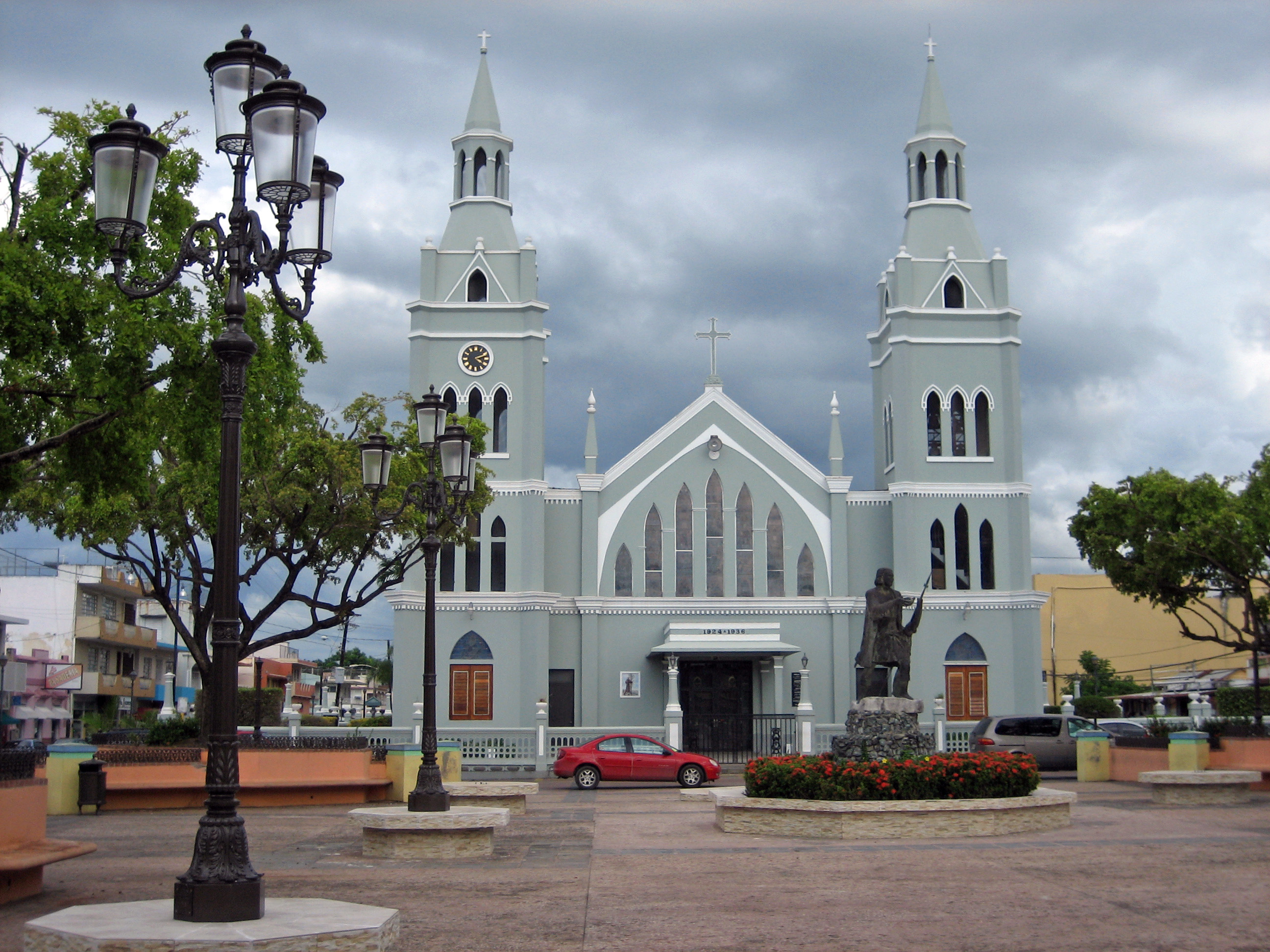
Beyond its beaches, Rincón has a particular charm that lies in its atmosphere: relaxed, bohemian and surprisingly cosmopolitan for a coastal town. The community of surfers, artists and international residents that has settled in Rincón over the decades has given it an open, creative air, which mixes with the traditional character of the Puerto Rican town. The town center, with its plaza and its church, keeps the local flavor, while along the coast and the neighborhoods near the sea surf shops, specialty cafés, beach bars, restaurants, galleries and craft stalls proliferate. Art is present in murals and in an active creative scene. The atmosphere is informal, barefoot, marked by the rhythm of surfing and the sunsets. Life in Rincón invites you to slow down: have a coffee looking at the sea, tour the beaches, chat with surfers from half the world, eat fresh fish, watch the sunset with a drink in hand and let yourself be carried by the calm. It's a destination to enjoy without rush, very different from the energy of San Juan, and that's why it's so loved by those seeking the quiet side of Puerto Rico. Getting there: the town and the coastal area of Rincón are toured by car. Best time and hours: any time; the late afternoons toward sunset concentrate the atmosphere. Tips: rent a car to move between the town, the beaches and the lighthouse; enjoy the slow rhythm, try the local cafés and bars, and leave a sunset free to experience the Rincón essence.
ℹ️ Distance: Rincón town center and coastal area (car) · Best time to go: Any time; the late afternoons toward sunset concentrate the atmosphere · Admission: Free (touring the town is free) · Duration: Half a day (can be combined with beaches)
6
Steps Beach and Domes Beach: snorkeling and good sea entry
Two of Rincón's most beloved beaches for swimming and snorkeling when the sea is calm.
Steps Beach, named for some cement steps that make it easier to descend a small rocky cliff, is one of Rincón's most popular beaches for snorkeling: its waters are usually clear and house a reef with abundant tropical fish, occasional turtles and coral formations, ideal for exploring by swimming from the shore on days with calm sea (typically in the summer months). Domes Beach, next to the Punta Higüero lighthouse, combines in winter a famous surf break with, in summer, a good area for swimming and also for snorkeling near the rocks. Both beaches are free and easily accessible by car, with informal street parking. They don't have big services (permanent restrooms or kiosks), so it's best to bring what you need. They're an ideal option for those seeking a quieter beach and snorkeling experience than Flamenco or the busier surf spots. The rocky setting of these beaches also makes them attractive for photography and for watching the sunset, since they face west, like the whole Rincón coast. Getting there: by car, along Rincón's coastal road, near the Punta Higüero lighthouse. Best time to go: summer and days with calm sea for swimming and snorkeling; bring your own gear. Tips: the entry to the sea can be rocky, water shoes recommended; there are no lifeguards, so assess the conditions before entering.
ℹ️ Distance: Rincón coast, near the Punta Higüero lighthouse (car) · Best time to go: Summer and days with calm sea for swimming and snorkeling · Admission: Free (public beaches, no formal services) · Duration: Half a day
What nobody tells you

💵 Prices

Tickets

TypePrice
Punta Higüero Lighthouse (park and lookout)Free (open access)
Surf and swimming beachesFree (public beaches)
Group / private surf lessonUS$50-75 group; US$75-150 private per person (2025; confirm when visiting)
Surfboard rentalUS$15-50 per day depending on the type of board (2025; confirm when visiting)
Whale watching from the lighthouseFree (from land)
Whale-watching sea excursionUS$75-95 per person (2025; confirm when visiting)
Snorkeling at the Tres Palmas ReserveFree (with your own gear)
Diving/snorkeling excursion to Desecheo IslandUS$115-140 per person + US$20 marine-reserve fee (2025; confirm when visiting)
🔄 updated monthlyOfficial / reference values · double-check when buying

Activities and tours

ActivityPriceDurationOperator
Surf lesson for beginnersUS$50-75 per person (group); US$75-150 (private) (2025)1.5-2 hPuntas Surf School, Rincón Surf School and other local schools
Surfboard rentalUS$15-50 per day depending on type (2025)By hour or dayLocal surf shops (Rincón Paddle Boards and others)
Whale-watching excursion (winter)US$75-95 per person (2025)2-3 hTaino Divers, Simply Caught Charters
Diving at Desecheo Island (two tanks)US$140 divers / US$115 snorkeling + US$20 fee (2025)Full dayTaino Divers, Aquatica Underwater Adventures
Snorkeling at the Tres Palmas ReserveFree on your own; guided tours from US$40-60 (2025)Half a dayOn your own or with a local guide
Kayak or paddle outing (calm sea)About US$25-40 per hour (2025; confirm when visiting)1-2 hRincón Paddle Boards and local operators
Sunset cruise (with chance of whales in season)US$75-95 per person (2025)2 hKatarina Sail Charters, Taino Divers
🔄 updated monthlyOfficial / reference values · double-check when buying

🚌 How to get there and distances

Getting around

ModePriceDurationNotes
Car (own or rental)About US$40-75 per day rental + fuel (verified July 2026, market rates on aggregators)VariableThe most practical way to get around Rincón, since the beaches, the lighthouse and the town are scattered. From San Juan you arrive via the PR-22 and PR-2 highways; the tolls are paid with AutoExpreso (transponder, usually included in the rental). Rincón does NOT have an urban bus network or public-transport app: there's no service like San Juan's AMA/Tren Urbano
Taxi and UberAbout US$10-25 per short trip; Uber has little availability in the area (verified July 2026, market rates)VariableThere are several local taxi companies (Saltares Taxi, Rincón Taxi, WELAS Transport and others), many with service to hotels, beaches, restaurants and airports; it's best to book by phone in advance because they don't cruise looking for passengers like in a big city. Uber exists but with very few cars in the west: don't count on it
Públicos (shared intermunicipal vans)About US$3-10 depending on distance, in cash to the driver (verified July 2026, market rates)VariableOutside the San Juan metropolitan area, the island's 'public transport' is the 'públicos': vans or shared cars that connect towns and leave from the plaza/terminal when they fill up. They're useful for getting around western municipalities (e.g. Mayagüez–Aguadilla), not for beach tourism; informal schedules, paid in cash. There's no real-time app for them
Bicycle / scooterAbout US$15-35 per day (verified July 2026, market rates)VariableComfortable for short distances around the coastal area and the town; Rincón's relaxed atmosphere lends itself to getting around calmly
Flights to nearby airportsVariable depending on origin and airline (verified July 2026)VariableThe Aguadilla (BQN) and Mayagüez airports are close; from there you continue by car or taxi to Rincón
On footFreeVariableThe town center and some beach areas are walkable; to connect distant points a car is best
🔄 updated monthlyOfficial / reference values · double-check when buying

How to get there

RouteAirlines / operatorsAvg. priceDuration
San Juan → Rincón (by car on PR-22 / PR-2)Own or rental carAutoExpreso tolls about US$8-10 + fuel (2025)2 to 2.5 h
Aguadilla Airport (BQN) → RincónRental car or taxiTaxi about US$30-45 (2025; confirm when visiting)30-40 min
Mayagüez (regional airport) → RincónRental car or taxiTaxi about US$25-35 (2025; confirm when visiting)30 min
Rincón as part of the western route (Aguadilla, Cabo Rojo)Car on western roadsFuel about US$10-20Aguadilla ~30 min, Cabo Rojo ~1 h
Flights to Aguadilla (BQN) from the US or San JuanRegional and continental US airlines (check routes)Variable depending on origin and season (2025)Depending on origin
🔄 updated monthlyOfficial / reference values · double-check when buying

🏨 Where to stay

No exact prices: a scale from $ (budget) to $$$$$ (luxury), with 2-3 options per category.

CategoryPriceRecommended options
Boutique and beachfront resorts$$$$$About US$200-400 a night; boutique hotels and small beachfront resorts, with sunset views, a pool and a relaxed high-end atmosphere. Book ahead, especially in surf season (winter)
Surfer inns and charming guesthouses$$$$$About US$120-200 a night; inns, guesthouses and charming hotels very much in tune with Rincón's surfer and bohemian spirit, many near the beaches and the lighthouse
Mid-range, apartments and villas$$$$$About US$80-140 a night; mid-range hotels, apartments and vacation-rental villas, ideal for those who want independence and to stay several days enjoying the town's rhythm
Budget / surfer hostels$$$$$About US$30-60 a night; hostels and budget lodgings very popular among surfers and backpackers, with a young, relaxed atmosphere

🍴 Where to eat

TypePriceOptions / signature dish
Fresh fish and seafood$$$$$About US$18-35 per dish; seaside restaurants with fresh fish, seafood and coastal cuisine, making use of the local catch and the sunset views
Puerto Rican criollo cuisine$$$$$About US$12-25 per dish; criollo-cuisine restaurants and eateries with mofongo, fritters, rice dishes and typical dishes, in the town and the coast
International and signature cuisine (bohemian scene)$$$$$About US$20-40 per dish; Rincón's international community has brought a varied food scene: signature and international cuisine, specialty cafés and healthy options, a reflection of its cosmopolitan atmosphere
Beach bars, food trucks and sunset drinks$$$$$About US$8-18 per drink or dish; beach bars, food trucks and stalls where you can have a local craft beer or eat something casual by the sea, especially at sunset

❓ Frequently asked questions

Why is Rincón the surf capital of the Caribbean?+
Because in winter (November to March) its beaches receive some of the best waves in the region, thanks to the North Atlantic fronts. Rincón shot to world fame by hosting the World Surfing Championship in 1968, which drew surfers from all over the planet. Since then, its surfer community, its world-class spots (Tres Palmas, Domes, María's) and its relaxed atmosphere consolidated it as the surf capital of the Caribbean.
When is the best time to visit Rincón?+
It depends on what you're after. Winter (November to March) is the surf season, with the best waves, and also the whale-watching season (mid-January to mid-March). Summer brings calmer sea, ideal for swimming and snorkeling. The sunsets are spectacular all year. Hurricane season runs from June to November; follow the forecast.
Can I learn to surf in Rincón and how much does it cost?+
Yes, it's an ideal place to start out. Group lessons run about US$50-75 per person and private ones between US$75 and US$150, with board, fin and leash included. Renting a board on your own costs between US$15 and US$50 per day. Winter surfing can be dangerous for the inexperienced (strong waves and currents), so it's best to take lessons with certified instructors.
Do you really see whales from the coast?+
Yes. In winter (roughly mid-January to mid-March), the humpback whales pass off Rincón on their migration, and can be spotted for free from land, especially from the lookouts of the Punta Higüero lighthouse. There are also sea excursions (sunset cruises) from US$75-95 per person. Sightings aren't guaranteed (they're wild animals), but with patience and luck it's an unforgettable experience.
Why are Rincón's sunsets so special?+
Because Rincón is at the island's northwest tip and its coast faces west, so the sun sets directly over the sea, something uncommon in Puerto Rico (whose most touristy coasts face north and east). The Punta Higüero lighthouse is the best place to watch it, with the sky ablaze with colors over the ocean. It's a can't-miss appointment every evening and it's free.
How do I get to Rincón and how do I get around without a car?+
From San Juan, by car, via the PR-22 and PR-2 highways, in about 2 to 2.5 hours (with AutoExpreso tolls of about US$8-10, paid with the transponder that usually comes with the rental). The nearest airport is Aguadilla (BQN), 30-40 minutes away, which receives some flights from the US; there's also the regional airport of Mayagüez. In Rincón it's best to get around by car, since the beaches, the lighthouse and the town are scattered and there's NO urban bus network or public-transport app like in San Juan (verified July 2026). Without a car, you depend on the local taxis (Saltares Taxi, WELAS Transport and others, booking by phone), on Uber (very few cars in the west) or, between towns, on the 'públicos' (shared vans paid in cash).
Is Rincón good for families or more for surfers?+
For both. Although it's famous for surfing, Rincón has calm, family-friendly beaches (especially in summer, when the sea calms), good free snorkeling, whale watching and a relaxed, safe atmosphere. Its bohemian and cosmopolitan scene makes it attractive for all kinds of travelers seeking the quiet, natural side of Puerto Rico.
Sources consulted (15)
Still planning?
Explore more destinations in Puerto Rico
See all destinations →